
If you grow tomatoes, you know how important it is to protect them from pests. One of the most destructive is the tomato hornworm. These caterpillars can ruin a whole plant in days. But the real problem often starts before you see the worms: with their eggs. Knowing how to spot, remove, and prevent hornworm eggs gives you a huge advantage. This article explains everything you need to understand and act, so you can keep your tomato plants healthy and productive.
What Are Tomato Hornworm Eggs?
Tomato hornworms are the larvae of the five-spotted hawk moth (Manduca quinquemaculata). The eggs are tiny, spherical, and pale green or yellow. They are usually found on the undersides of tomato leaves, but sometimes on stems. Each egg is about the size of a pinhead, making them hard to notice unless you look closely.
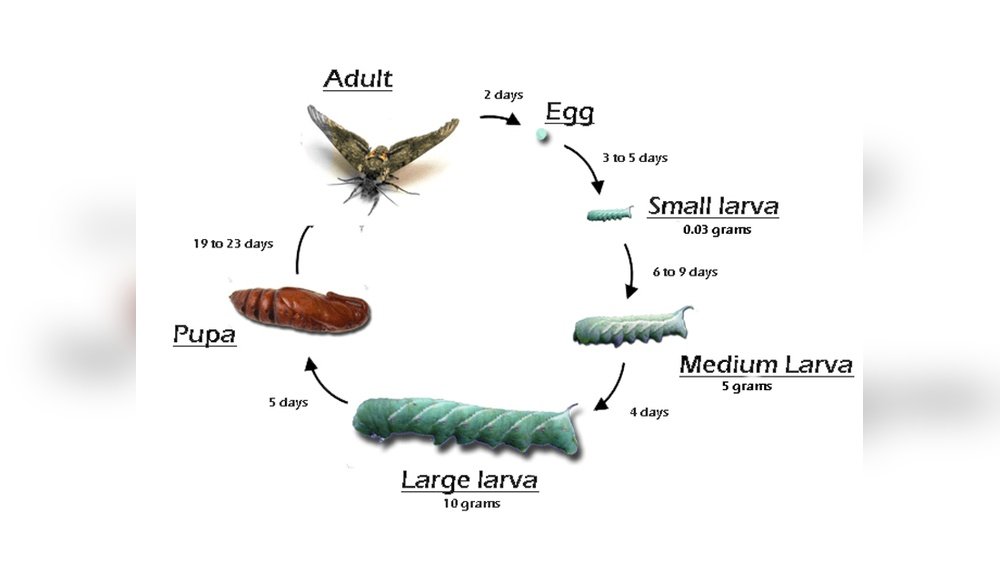
Hornworm eggs hatch in about 5-7 days. The newly hatched caterpillars are small and green. They quickly start eating the leaves, stems, and fruit. One hornworm can eat several leaves each day, and a group can strip a plant bare.
Many beginners don’t realize that hornworm moths lay eggs mostly at night, when you’re less likely to be in the garden. This means eggs can appear even if you checked your plants the day before. Also, hornworm eggs can survive light rain or dew, so they don’t wash away easily.
Hornworm eggs are not sticky, but they cling tightly to the leaf surface. If you try to brush them off, they may roll but often stay attached unless you pick them up directly. This is different from other pest eggs, which may be easier to remove.
Why Hornworm Eggs Matter
Many gardeners only notice hornworms when the damage is clear. By then, the caterpillars are large and eating fast. If you spot and remove eggs early, you prevent most damage. Eggs are easier to deal with than full-grown worms.
Hornworm infestations can reduce tomato harvests by up to 40% if left unchecked. Removing eggs can cut this loss dramatically. Preventing hornworm damage also means less need for pesticides, which helps keep your garden safer for pollinators and people.
Another important point is that hornworm eggs are often laid on the healthiest plants. Moths are attracted to strong, lush tomato plants, so your best crops are at the highest risk. If you grow heirloom tomatoes, which tend to be larger and bushier, watch them even more closely.
Some gardeners mistakenly believe that hornworm eggs are harmless until they hatch. In reality, eggs are the first warning sign. By the time you see caterpillars, they may already be hidden deep in the foliage, making removal harder.
How To Find Tomato Hornworm Eggs
Finding the eggs is the first step. Hornworm eggs are not obvious. Here are practical ways to spot them:
- Check undersides of leaves: Eggs are almost always under leaves, close to the stem.
- Look for pale green or yellow spheres: Use a magnifying glass if needed.
- Inspect early morning or late afternoon: Light is softer and shadows make eggs easier to see.
- Watch for moths at dusk: If you see adult hawk moths around your garden, check for eggs soon after.
- Monitor new growth: Moths prefer to lay eggs on tender, new leaves.
A common mistake is checking only the tops of leaves. Hornworm eggs are rarely found there. Also, many beginners confuse hornworm eggs with aphid eggs or other insect eggs. Hornworm eggs are usually solitary (one per leaf), while aphids lay eggs in clusters.
If you have trouble seeing the eggs, try gently turning leaves over with a stick or gloved hand. Look for small round dots close to the veins. Sometimes, eggs appear slightly shiny, especially in morning light.
Some gardeners use a flashlight with a narrow beam to spot eggs at dusk. The light shines through the leaf and makes the eggs stand out. This is especially useful if your tomato plants are dense or bushy.
If you grow tomatoes in containers, eggs are often easier to spot because you can move the plants and inspect from different angles. Don’t forget to check nearby plants, as hornworm moths may lay eggs on peppers, eggplants, and even weeds in the nightshade family.
Manual Removal: The Most Reliable Method
Hand removal is the safest and most reliable way to get rid of hornworm eggs. It requires patience but no chemicals. Here’s how to do it:
- Inspect each plant: Go leaf by leaf. Pay special attention to the upper half of the plant.
- Gently pick eggs off: Use your fingers, tweezers, or a soft brush.
- Drop eggs into soapy water: This kills them and prevents hatching.
- Repeat every 2-3 days: Hornworm moths lay eggs throughout the season.
Wear gloves if you don’t like touching eggs directly. If you see a caterpillar, remove it too. Manual removal is effective, but it can be time-consuming for large gardens.
Some gardeners make the process faster by using a small bowl of soapy water and carrying it with them as they inspect. You can dip your tweezers or brush in the water after each removal to clean off any residue.
If you miss some eggs, don’t worry—regular checks mean you’ll catch them before they cause big damage. If you’re growing tomatoes for market or in a large space, consider asking friends or family to help with removal. Many hands make the work lighter.
Another tip: after removing eggs, check nearby leaves again a day later. Sometimes, moths lay new eggs on the same plants, especially if they sense the area is safe.
Biological Controls: Nature’s Helpers
Instead of doing all the work yourself, you can use natural predators. Two of the most helpful are parasitic wasps and ladybugs.
- Parasitic wasps: These tiny wasps (like Trichogramma) lay their eggs inside hornworm eggs. The wasp larvae eat the hornworm eggs from within. You can buy Trichogramma eggs from garden supply stores and release them in your tomato patch.
- Ladybugs: Ladybugs eat hornworm eggs and larvae. Attract them by planting flowers like dill, fennel, or yarrow near your tomatoes.
Biological controls are safe for your plants and the environment. They work best as part of an Integrated Pest Management (IPM) strategy.
Natural predators do more than just eat hornworm eggs. For example, green lacewings also feed on eggs and small larvae. If you see lacewing larvae in your garden, leave them alone—they are helpful.
Another non-obvious insight: some birds, like wrens and sparrows, will pick hornworm eggs off leaves if you encourage them with feeders or birdhouses. This works best in gardens with plenty of cover and water sources.
Comparing Biological Controls
Here’s a simple comparison of two common biological controls:
| Control | Effectiveness | Cost | Impact on Garden |
|---|---|---|---|
| Parasitic Wasps | High | Moderate | No harm to plants |
| Ladybugs | Medium | Low | Good for overall pest control |
Biological controls can take several weeks to become established. For best results, introduce them early in the season, before moths arrive. Don’t use broad-spectrum pesticides if you are relying on biological helpers—they may kill your allies.
Chemical Options: When To Use Them
Most home gardeners prefer to avoid chemicals. But sometimes, a large infestation means you need extra help. Here are safe options:
- Bacillus thuringiensis (Bt): This bacteria kills caterpillars but does not harm people, pets, or most beneficial insects. Spray Bt on leaves where you see eggs. When eggs hatch, the larvae eat the treated leaves and die.
- Neem oil: Neem oil disrupts hornworm egg development and hatching. Spray diluted neem oil on leaves every week during moth season.
- Insecticidal soap: This is mild and can be used on eggs directly, but it’s not as effective as Bt.
Avoid broad-spectrum pesticides. They kill beneficial insects and can harm pollinators.
If you use Bt, follow label instructions carefully. Too much can stress plants, and too little won’t work. Bt is best used in the evening, when moths are most active and eggs are freshly laid.
Neem oil works by making leaves less tasty to moths and larvae. It also interferes with the development of eggs. Some gardeners mix neem oil with a small amount of liquid soap to help it stick to leaves.
Insecticidal soap is gentle, but you must spray it directly on eggs. It works best in small gardens or on container plants. Don’t use soap sprays in strong sunlight—they can burn leaves.
Chemical Vs. Biological Control
Let’s compare chemical and biological methods:
| Method | Speed | Safety | Long-Term Effect |
|---|---|---|---|
| Chemical (Bt, Neem) | Fast | Safe if used correctly | May need repeat applications |
| Biological (Wasps, Ladybugs) | Medium | Very safe | Improves garden health over time |
An extra tip: after using any chemical spray, wait a few days before introducing or encouraging biological controls. Chemicals can reduce the effectiveness of natural helpers.
Preventing Hornworm Eggs: Smart Strategies
Prevention is always better than cure. Here are proven ways to make your garden less attractive to hornworm moths:
- Crop rotation: Avoid planting tomatoes in the same spot every year.
- Remove plant debris: Clean up dead leaves and stems after harvest. Hornworm pupae can overwinter in soil.
- Till soil in spring: This exposes and kills overwintering pupae.
- Use row covers: Lightweight fabric covers keep moths away from plants during egg-laying season.
- Plant companion plants: Marigolds, basil, and parsley repel hornworm moths.
Some gardeners use reflective mulch, which confuses moths and reduces egg laying. Don’t underestimate the power of simple garden hygiene.
Another prevention tip is to keep your garden weed-free, especially weeds in the nightshade family (like jimsonweed). These plants attract hornworm moths and can host eggs that later move to your tomatoes.
Rotate between different types of mulch each year. For example, straw mulch one year and wood chips the next. This confuses pests and makes it harder for them to find host plants.
If you use row covers, secure them tightly with stakes or stones. Moths are strong flyers and can slip under loose edges.
Common Mistakes Beginners Make
Many gardeners make these errors when fighting hornworm eggs:
- Only removing worms, not eggs: By the time you see worms, damage is already happening.
- Using strong pesticides: These harm beneficial insects and pollinators.
- Not checking regularly: Hornworm moths lay eggs all season, not just once.
- Ignoring companion planting: Certain plants deter hornworm moths naturally.
- Mistaking eggs for other pests: Hornworm eggs are solitary and spherical, not clustered.
If you avoid these mistakes, you’ll be far ahead of most tomato growers.
Another beginner mistake is forgetting to check plants after rain or wind. Weather can move leaves around, hiding eggs that were easy to see before.
Some gardeners ignore the lower leaves, thinking moths only lay eggs on the top. Actually, moths sometimes choose shaded leaves near the soil, especially in hot weather.
:max_bytes(150000):strip_icc()/ms-tomato-hornworm-2ca8a8ac42d744c296a3a965a10e793a.jpg)
Credit: www.marthastewart.com
How Weather And Season Affect Hornworm Eggs
Hornworm activity depends on temperature and season. Moths are most active from late spring to early fall. Eggs hatch faster in warm weather (above 75°F/24°C). In cooler climates, you may see fewer eggs, but they can still appear.
Rain can wash eggs off leaves, but don’t rely on weather to control them. Drought can increase egg survival since fewer natural predators are around.
Humidity also affects egg development. In dry conditions, eggs may take longer to hatch, but larvae are more likely to survive once they do. If your area has sudden warm spells, expect egg numbers to rise quickly.
If you live in a region with mild winters, hornworm pupae can survive underground and emerge earlier in spring. This means you may need to start checking for eggs sooner than gardeners in colder areas.
Organic Solutions For Hornworm Eggs
If you prefer organic gardening, several solutions work well:
- Diatomaceous earth: Sprinkle this powder on leaves. It scratches and dries out eggs and larvae.
- Garlic spray: Homemade garlic spray repels moths. Mix crushed garlic with water and spray on leaves.
- Hand picking: Still the best organic option.
- Encourage birds: Birds like robins and sparrows eat hornworm eggs. Install birdhouses or feeders.
These options help keep your tomatoes safe without chemicals. Organic solutions often require more frequent application, but they’re safer for the ecosystem.
Another organic tip: mix cayenne pepper with water and spray on leaves. The spicy taste discourages moths from laying eggs. Use caution if you have pets or children who might touch the plants.
If you have a small garden, use organic mulch and compost to keep plants strong. Healthy plants resist pests naturally, even if some eggs hatch.
Monitoring And Early Detection: Practical Tips
Early detection is the best defense. Here’s how to monitor your garden:
- Set a schedule: Check plants every 2-3 days during peak season.
- Use sticky traps: These traps catch moths and alert you to egg-laying activity.
- Track weather patterns: Expect more eggs after warm nights.
- Record sightings: Keep a notebook of egg locations and dates. Patterns can help you target checks.
Many gardeners ignore early detection. But hornworm eggs hatch quickly—missing a few days can mean a big problem.
For larger gardens, try using colored flags or markers to note plants where you found eggs. This helps you come back and check those spots more often.
If you have a smartphone, take photos of eggs and damaged leaves. Comparing pictures over time helps you see if your strategies are working.
Hornworm Egg Lifecycle And Timing
Understanding the hornworm lifecycle helps you target eggs at the right time.
- Moths lay eggs at dusk: Eggs are laid mostly in the evening.
- Eggs hatch in 5-7 days: Warm weather speeds up hatching.
- Larvae grow fast: Caterpillars double in size every few days.
- Pupae overwinter in soil: After feeding, hornworms burrow and pupate underground.
Knowing these timings helps you schedule inspections and treatments.
A non-obvious insight: hornworm moths can lay up to 500 eggs in a single season. If you miss early eggs, the population can grow quickly. Target egg removal right after dusk for best results.
Identifying Hornworm Eggs Vs. Other Pests
Hornworm eggs look similar to some other insect eggs. Here’s how to tell them apart:
- Hornworm eggs: Solitary, spherical, pale green/yellow, usually under leaves.
- Aphid eggs: Tiny, oval, often in clusters, usually on stems.
- Whitefly eggs: Oval, laid in rows on leaf undersides.
Here’s a quick visual comparison:
| Egg Type | Shape | Color | Location |
|---|---|---|---|
| Hornworm | Spherical | Pale green/yellow | Leaf undersides |
| Aphid | Oval | Yellow/white | Stems, clusters |
| Whitefly | Oval | White | Leaf undersides, rows |
If you’re unsure, take a photo and compare it to pictures online or ask at a local garden center.
Practical Examples: Real-life Success
Let’s look at a real example. Sarah, a gardener in California, noticed her tomato plants were losing leaves. She checked and found dozens of hornworm eggs. She started inspecting plants every two days and hand-picking eggs. She also released Trichogramma wasps and planted marigolds nearby. Within a month, she saw almost no new eggs. Her tomato harvest increased by 30% compared to the previous year.
Another gardener, Mike in Texas, used Bt spray after spotting eggs. He combined this with tilling the soil and installing row covers. He saw a dramatic drop in hornworm damage and was able to reduce pesticide use by 50%.
In a community garden in Ohio, gardeners worked together to check each other’s plants for hornworm eggs. They combined hand removal with organic sprays and attracted birds using feeders. At the end of the season, tomato yields were higher for everyone, and hornworm damage was minimal.
These examples show that a mix of strategies works best.
Integrating Multiple Strategies For Maximum Effect
No single method works all the time. Here’s how to combine approaches:
- Manual removal: Start with hand-picking eggs.
- Biological controls: Add wasps or ladybugs if you have repeated problems.
- Organic treatments: Use diatomaceous earth or garlic spray after hand-picking.
- Preventative measures: Install row covers and companion plants.
- Monitoring: Keep a regular schedule and use sticky traps.
Mixing methods increases success and reduces reliance on chemicals.
Another tip: Rotate your strategies each year. If you relied mostly on hand-picking last season, try focusing more on biological controls this season. This prevents pests from adapting to a single method.
When To Call In Professional Help
Most home gardeners can handle hornworm eggs themselves. But if you have a large garden or repeated infestations, consider professional help. Pest control experts can apply treatments or introduce biological controls. They also offer advice on garden layout and prevention.
Professional services can be expensive, but for commercial growers or large gardens, they’re worth considering. Always ask about the methods used and whether they’re safe for edible plants.
If you hire a professional, check their credentials and ask for a written plan. Make sure their treatments are approved for food crops and won’t harm pollinators.

Credit: bonnieplants.com
The Role Of Healthy Soil And Plant Care
Healthy plants resist pests better. Here’s how to build resilience:
- Feed soil with compost: Strong soil helps plants recover from minor damage.
- Water regularly, but don’t overdo it: Stress makes plants more attractive to moths.
- Prune damaged leaves: Remove any leaves with eggs or damage.
- Mulch: Mulch keeps soil healthy and can deter pests.
Healthy plants can survive minor hornworm attacks and produce more fruit.
Some gardeners add organic fertilizers like fish emulsion or kelp extract to strengthen tomato plants. The stronger the plant, the less impact from pests.
Mulch not only protects soil but also keeps the area cool and moist, which discourages moths from laying eggs. Use mulch in combination with other methods for best results.
Data And Research On Hornworm Egg Control
Studies show manual removal and biological controls are most effective for small gardens. According to the University of California Integrated Pest Management Program, hand-picking eggs reduces hornworm damage by up to 90% in home gardens. Bt sprays have a success rate of 85% when applied correctly.
Biological controls take longer but provide lasting benefits. Gardens using Trichogramma wasps saw fewer hornworm eggs over time, as wasps established themselves.
Research also shows that gardens with diverse plantings—such as herbs and flowers mixed with vegetables—have fewer hornworm eggs. Diversity confuses pests and attracts more natural predators.
For more details, you can visit the UC IPM Pest Note.

Credit: thefreerangelife.com
Frequently Asked Questions
What Do Tomato Hornworm Eggs Look Like?
Hornworm eggs are tiny, round, and pale green or yellow. They are usually found alone on the undersides of tomato leaves. Each egg is about the size of a pinhead.
How Often Should I Check For Hornworm Eggs?
During peak season, check your tomato plants every 2-3 days. Moths lay eggs throughout the summer, so regular inspection is important.
Are There Any Safe Pesticides For Hornworm Eggs?
Yes, Bacillus thuringiensis (Bt) is a safe option. It kills caterpillars but does not harm most beneficial insects, pets, or people. Neem oil is another mild, safe pesticide.
Will Hornworm Eggs Harm Other Vegetables?
Hornworm eggs are mostly found on tomatoes, peppers, and eggplants. They rarely attack other vegetables, but check related plants to be safe.
Can I Prevent Hornworm Eggs Without Chemicals?
Yes. Use row covers, companion planting, and hand removal. Attracting natural predators like ladybugs and birds also helps prevent hornworm eggs without chemicals.
Keeping your tomato plants healthy and free from hornworm eggs is possible with the right knowledge and tools. Regular inspection, smart prevention, and a mix of organic and biological methods give you the best results. With these strategies, you can enjoy a bigger, healthier tomato harvest and spend less time fighting pests.