
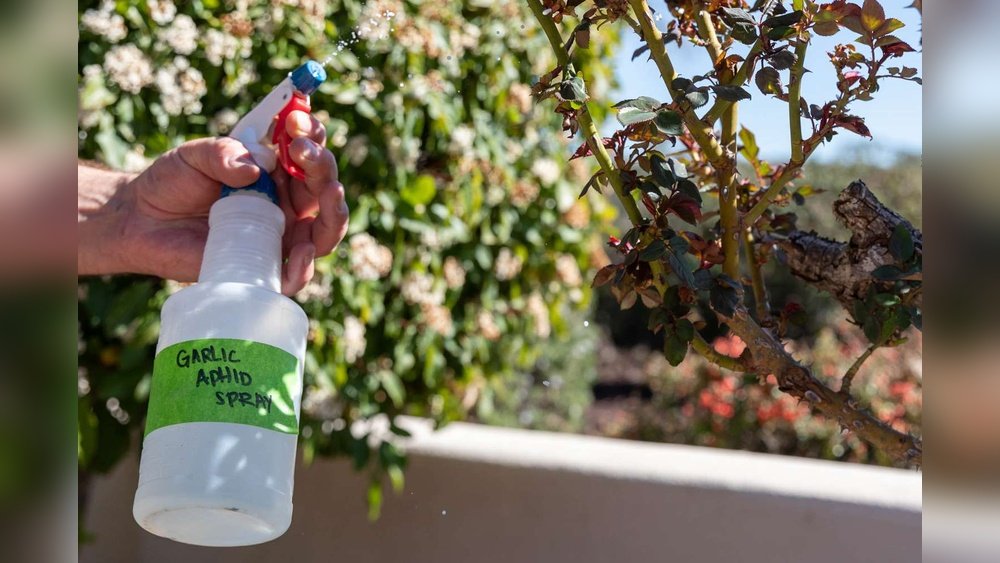
Gardening can be a peaceful hobby, but it often comes with one big challenge: garden pests. Insects like aphids, spider mites, and whiteflies can quickly damage your plants, causing leaves to yellow, flowers to fall, or even entire crops to fail. Chemical pesticides might seem like the easy solution, but they can harm your health, your soil, and beneficial insects like bees and ladybugs. That’s why many gardeners look for safer, natural ways to protect their plants. One of the most popular and effective homemade remedies is garlic spray.
Garlic is not just a tasty kitchen ingredient. Its strong smell and natural sulfur compounds can help keep many common garden pests away. Making your own garlic spray is simple, cheap, and gives you more control over what goes onto your plants.
In this article, you’ll learn everything you need to know about making and using garlic spray for garden pests. We’ll cover the science behind why garlic works, step-by-step instructions, the best ways to use it, and practical tips for success.
You’ll also see how garlic spray compares to other natural and chemical pest controls so you can make the best choice for your garden.
Why Garlic Spray Works Against Garden Pests
Garlic has been used for centuries, not only for food but also as a natural medicine and pesticide. The secret lies in the sulfur compounds found in garlic, especially allicin. When garlic is crushed or chopped, it releases allicin, which has a strong smell and taste that many pests dislike. These compounds can also disrupt the sensory signals of insects, making it harder for them to find and eat your plants.
Scientific studies back up garlic’s pest-repellent power. Researchers have found that garlic extract can reduce populations of aphids, mites, and caterpillars on crops. For example, a study published in the Journal of Biopesticides showed that garlic-based sprays decreased aphid numbers on cabbage by over 60% compared to untreated plants. This makes garlic spray a real, science-backed choice for home gardeners.
Besides deterring insects, garlic spray is usually safe for people, pets, and most beneficial insects when used correctly. It breaks down quickly in sunlight and rain, so it doesn’t leave harmful residues in your soil or on your vegetables.
Common Garden Pests Garlic Spray Can Control
Garlic spray is not a cure-all, but it’s impressively effective against many soft-bodied and sap-sucking insects. Here are some of the most common pests you can manage with garlic spray:
- Aphids – These tiny green, black, or white bugs suck sap from young plant stems, causing stunted growth.
- Spider mites – Very small, red or yellowish pests that spin fine webs on leaves and cause yellow spots.
- Whiteflies – Small, white flying insects that feed on the undersides of leaves, leading to wilting and yellowing.
- Caterpillars – Larvae of moths and butterflies that chew holes in leaves and fruits.
- Mealybugs – Cottony-looking insects that cluster on stems and leaf joints, draining plant sap.
- Leafhoppers – Quick-moving, wedge-shaped bugs that can transmit plant diseases.
- Fungus gnats – Tiny black flies whose larvae eat plant roots, especially in moist soil.
Garlic spray may also have some effect on beetles, thrips, and scale insects, though these pests might need stronger or repeated treatments.

Credit: anoregoncottage.com
Ingredients And Tools You Will Need
Making garlic spray at home is easy. Most supplies are already in your kitchen or can be found at any grocery store. Here is what you need:
- Fresh garlic bulbs (3-4 large cloves or 1 whole bulb)
- Water (1 quart/liter for mixing)
- Liquid soap (unscented, biodegradable; about 1 teaspoon)
- Vegetable oil (optional, 1 tablespoon, helps spray stick to leaves)
- Blender or food processor (for crushing garlic)
- Fine mesh strainer or cheesecloth (for filtering)
- Spray bottle (clean, with adjustable nozzle)
- Measuring cups and spoons
A Note On Soap And Oil
Adding a small amount of liquid soap helps the spray stick better to plant surfaces and improves pest control. It is important to use a natural, unscented, and non-antibacterial soap to avoid harming your plants. Vegetable oil can further help the spray stick, but it’s optional.
How To Make Garlic Spray: Step-by-step Instructions
Follow these simple steps to make your own garlic spray for garden pests. The process takes about 20 minutes, plus a few hours for the mixture to steep.
Step 1: Peel And Crush The Garlic
- Take 3-4 large cloves or 1 whole bulb of garlic.
- Peel the cloves and chop them coarsely.
- Place the garlic in a blender or food processor.
- Add 1 cup of water and blend until you get a smooth paste.
Step 2: Steep The Garlic Mixture
- Pour the garlic paste into a bowl or jar.
- Add the rest of the water (to make a total of 1 quart or 1 liter).
- Stir well and cover.
- Let the mixture steep for at least 6-12 hours. This allows the garlic’s sulfur compounds to infuse the water.
Step 3: Strain The Mixture
- Use a fine mesh strainer or cheesecloth to filter out the garlic solids.
- Collect the clear liquid in a clean container.
- Discard the garlic solids (compost them if you wish).
Step 4: Add Soap And Oil
- Add 1 teaspoon of unscented liquid soap to the strained liquid.
- If you want, add 1 tablespoon of vegetable oil.
- Mix well.
Step 5: Fill Your Spray Bottle
- Pour the garlic spray into a clean spray bottle.
- Label the bottle with the date and contents.
Your garlic spray is now ready to use! For best results, use the spray within a week.
Quick Reference Garlic Spray Recipe
Here’s a quick summary for easy reference:
| Ingredient | Amount | Purpose |
|---|---|---|
| Fresh garlic | 3-4 cloves / 1 bulb | Main pest-repellent |
| Water | 1 quart (1 liter) | Dilutes, spreads garlic |
| Liquid soap | 1 teaspoon | Helps spray stick, kills pests |
| Vegetable oil | 1 tablespoon (opt.) | Improves leaf coverage |
How To Use Garlic Spray In The Garden
Proper use is key to getting the best results from your garlic spray. Here’s how to apply it for maximum effect and minimum risk.
When To Spray
- Early morning or late afternoon is best. This avoids strong sunlight, which can burn leaves when wet.
- Avoid spraying just before rain, as it will wash off the spray.
- Spray when you first notice pests—not after a major infestation.
How To Spray
- Shake the bottle well before each use.
- Spray a small test area on one plant and wait 24 hours to check for any leaf damage.
- If no damage appears, spray the entire affected plant, focusing on the undersides of leaves and stems where pests hide.
- Apply until leaves are evenly moist but not dripping.
How Often To Spray
- For prevention: Spray once every 7-10 days.
- For infestations: Spray every 2-3 days until pests are gone, then return to weekly spraying.
Safety Tips
- Wear gloves and avoid touching your face or eyes during and after spraying.
- Wash hands and tools well after use.
Does Garlic Spray Harm Beneficial Insects?
One worry many gardeners have is whether garlic spray will harm beneficial insects like bees, ladybugs, or earthworms. Studies and gardener experience show that garlic spray, when used as directed, is not likely to hurt most helpful insects. This is because the spray mainly repels pests through smell and taste rather than killing on contact.
However, if you spray directly onto flowers, you might repel or confuse pollinators for a short time. To reduce risk:
- Spray only the leaves and stems, not the flowers.
- Apply in the early morning or evening when bees are less active.
- Rinse off flowers with clean water after a few hours if you’re worried about pollinators.
Comparing Garlic Spray With Other Pest Control Options
There are many ways to manage garden pests, from chemical sprays to other homemade remedies. Here’s a comparison to help you see where garlic spray fits in.
Natural Vs. Chemical Pest Controls
| Feature | Garlic Spray | Chemical Pesticides | Neem Oil |
|---|---|---|---|
| Cost | Low (homemade) | Medium to high | Medium |
| Safety for humans | High | Low-moderate | High (if pure) |
| Effect on pollinators | Low (if careful) | Often harmful | Can be harmful |
| Breakdown in soil | Fast | Slow | Medium |
| Resistance risk | Very low | High | Low |
| Effectiveness | Good for soft pests | Very high | Good for many pests |
| Ease of use | Easy | Easy-moderate | Moderate |
Garlic Spray Vs. Other Homemade Remedies
Some gardeners also use pepper spray, soap spray, or alcohol spray. Here’s how garlic spray compares.
| Remedy | Main Ingredient | Pros | Cons |
|---|---|---|---|
| Garlic spray | Garlic | Safe, easy, repels many pests | Smell may linger |
| Pepper spray | Hot chili peppers | Strong, works on many pests | Can irritate skin, eyes |
| Soap spray | Liquid soap | Kills soft-bodied insects | Can damage some plants |
| Alcohol spray | Rubbing alcohol | Fast-acting, dries quickly | Can burn leaves if too strong |
What About Commercial Garlic Sprays?
Pre-made garlic sprays are sold at garden centers. These can be convenient, but they’re often much more expensive than homemade versions. Always read the label to check for extra chemicals or additives.
Tips For Best Results
Getting the most from your garlic spray is about more than just making and spraying it. Here are some tips from experienced gardeners:
- Use fresh garlic for the strongest pest-repellent effect. Old or sprouting garlic has less allicin.
- Label your spray bottle with the date. Fresh spray works best; after a week, make a new batch.
- If you have sensitive plants, test on a small area first. Some species (like ferns or succulents) may be more sensitive to sprays.
- Rotate with other remedies like neem oil or insecticidal soap if you have stubborn infestations. Pests can get used to one smell or ingredient over time.
- Store unused spray in the fridge for up to a week. Always bring to room temperature before spraying.
- Don’t use too much soap or oil—this can clog leaf pores and harm your plants.
- Clean your spray bottle after each batch to avoid mold or bacteria buildup.
Common Mistakes To Avoid
Even though garlic spray is simple, there are a few mistakes that can make it less effective:
- Using too little garlic – Weak solutions won’t repel pests.
- Not straining well – Garlic bits can clog spray nozzles.
- Spraying in strong sun – Wet leaves can burn in direct sunlight.
- Not reapplying after rain – Rain washes the spray away.
- Spraying flowers directly – This can chase away pollinators.
- Using scented or antibacterial soap – These can harm plants.
- Storing spray too long – Old spray loses its power and can spoil.
Learning these lessons early will save you time, effort, and possibly your plants.
Real-life Examples: Garlic Spray In Action
Many gardeners, both beginners and experts, have shared success stories with garlic spray. For example, a tomato grower in California saw a 70% drop in aphid numbers after just two weeks of using garlic spray twice a week. In another case, a small urban gardener used garlic spray to protect her basil and mint from whiteflies and spider mites.
She reported healthier plants and better yields without using any chemical products.
In some community gardens, garlic spray is a go-to method because it’s cheap and easy to make in large batches. However, not all pests are equally affected, and very heavy infestations might need more than garlic spray alone. Still, most gardeners say it’s a valuable part of their pest control toolkit.
The Science Behind Garlic’s Pest-repelling Power
You may wonder why garlic is so effective at deterring garden pests. The answer lies in its natural sulfur compounds. When garlic is crushed, it releases allicin and other sulfur-based chemicals. These compounds are toxic or irritating to many insects and can disrupt their feeding and egg-laying behavior.
Research published by the University of California found that garlic oil and extracts reduced feeding activity in both aphids and spider mites. Another study noted that plants sprayed with garlic extract suffered less leaf damage from caterpillars compared to untreated plants.
But here’s a non-obvious insight: garlic doesn’t kill most pests on contact. Instead, it creates an environment that pests find unpleasant, so they leave or avoid treated plants. This means garlic spray works best as a preventative measure, not as an emergency cure for severe infestations.
Environmental Benefits Of Garlic Spray
Choosing garlic spray over chemical pesticides does more than protect your health—it helps the environment too. Chemical pesticides can harm earthworms, pollute water sources, and lead to resistant pest populations. Garlic spray, on the other hand, breaks down quickly and leaves no long-term residue in the soil or on your crops.
In addition, garlic spray supports biodiversity. By targeting only pests and leaving beneficial insects unharmed, your garden can become a healthier, more balanced ecosystem.
When Garlic Spray Isn’t Enough
While garlic spray is great for most soft-bodied pests, it may not be strong enough for larger insects (like adult beetles) or deeply burrowing bugs. In these cases, you may need to combine garlic spray with other control methods:
- Hand-picking pests from plants
- Physical barriers like row covers or netting
- Biological controls such as introducing ladybugs or nematodes
- Spot-treating with neem oil or other organic pesticides
Using garlic spray as part of an integrated pest management (IPM) plan is often the most effective way to keep your garden healthy.
Storing And Disposing Of Garlic Spray
Garlic spray is best used fresh, but you can keep it in the fridge for up to a week. Always store it in a tightly closed bottle to prevent strong odors from spreading. If you have leftover spray, pour it onto the compost heap or dilute it and use it as a soil drench around non-sensitive plants.
Never pour garlic spray directly into drains or waterways. While it’s natural, high concentrations can still affect aquatic life.
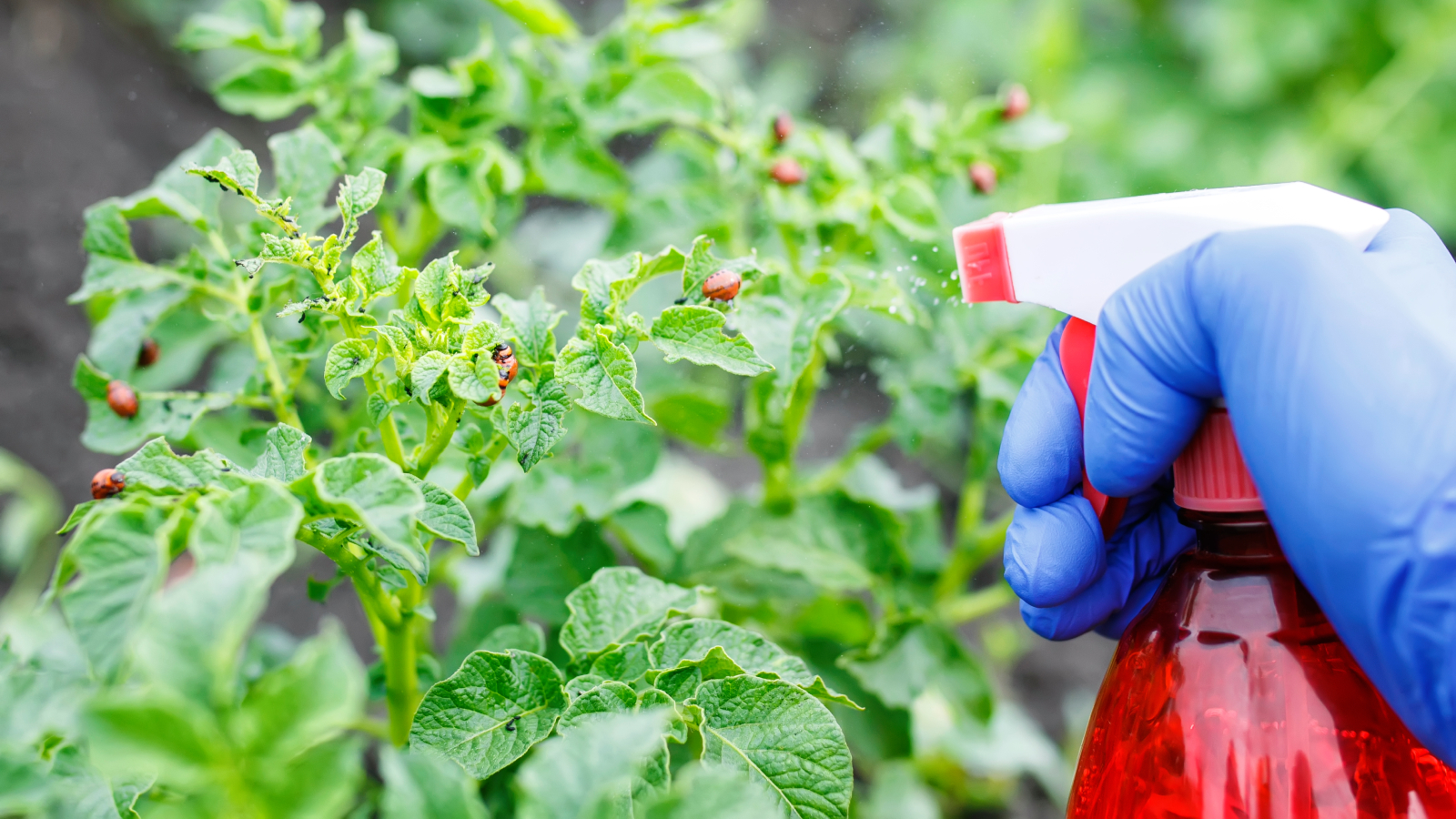
Credit: www.gardeningknowhow.com
Advanced Garlic Spray Recipes For Extra Strength
If you have a tough infestation, you can boost your garlic spray by adding other natural ingredients:
Garlic-chili Spray
- Add 1-2 hot chili peppers (like cayenne) to the blender with the garlic.
- The capsaicin in chili peppers adds extra deterrent power.
- Be careful—this spray can irritate skin and eyes.
Garlic-oil Extract
- Soak chopped garlic in 2 tablespoons of vegetable oil for 24 hours before mixing with water and soap.
- This method extracts more sulfur compounds and sticks longer to leaves.
Garlic-vinegar Spray
- Add 1 tablespoon of white vinegar to your garlic spray for added antifungal effect.
- This can help control powdery mildew and other minor fungal issues.
Each of these advanced recipes increases the power of your spray but may also increase the risk of plant sensitivity. Always test on a small area first.
How Garlic Spray Fits Into Organic Gardening
Garlic spray is accepted in organic gardening because it uses only natural ingredients and does not harm soil or water when used properly. Many organic certifying bodies allow garlic-based sprays, but if you sell produce, check your local regulations.
Using garlic spray helps gardeners avoid the “pesticide treadmill”—the cycle of using stronger and stronger chemicals as pests become resistant. By using plant-based remedies, you keep your garden safer and more sustainable.
Frequently Asked Questions
What Kinds Of Pests Does Garlic Spray Not Control Well?
Garlic spray is less effective against hard-shelled insects like adult beetles, some borers, and slugs or snails. It also doesn’t work well on pests that hide deep in the soil or inside plant stems. For these pests, you’ll need other methods such as hand-picking, traps, or targeted organic pesticides.
Can Garlic Spray Hurt My Plants?
Most plants tolerate garlic spray well, but some sensitive species can show leaf burn or yellowing, especially if the spray is too strong or applied in hot sun. Always test on a small area first and dilute the spray further if you see damage. Avoid spraying young seedlings or stressed plants.
How Long Does Garlic Spray Stay Effective On Plants?
Garlic spray usually lasts 3 to 5 days on leaves, depending on rain, watering, and sunlight. Heavy rain or overhead watering will wash it off, so reapply after each event. For ongoing protection, spray every week or after rain.
Can I Use Garlic Spray On Edible Crops?
Yes, garlic spray is generally safe for use on vegetables, herbs, and fruits. However, avoid spraying close to harvest time to prevent garlic odor or taste on your produce. Always wash crops thoroughly before eating.
Where Can I Find More Research Or Scientific Information About Garlic Spray?
For more in-depth research, visit Wikipedia’s Garlic article or look for studies from university extension services. These sources offer detailed information on garlic’s chemistry and its effectiveness in pest control.
Garlic spray is a simple, low-cost, and effective tool for any gardener who wants to control pests naturally. With just a few cloves of garlic, some water, and a little effort, you can protect your plants, reduce chemical use, and enjoy a healthier garden.
By understanding the science and following best practices, you’ll get the most from this age-old remedy. Whether you’re growing vegetables, herbs, or flowers, garlic spray deserves a place in your garden toolkit.

Credit: blog.fantasticservices.com