
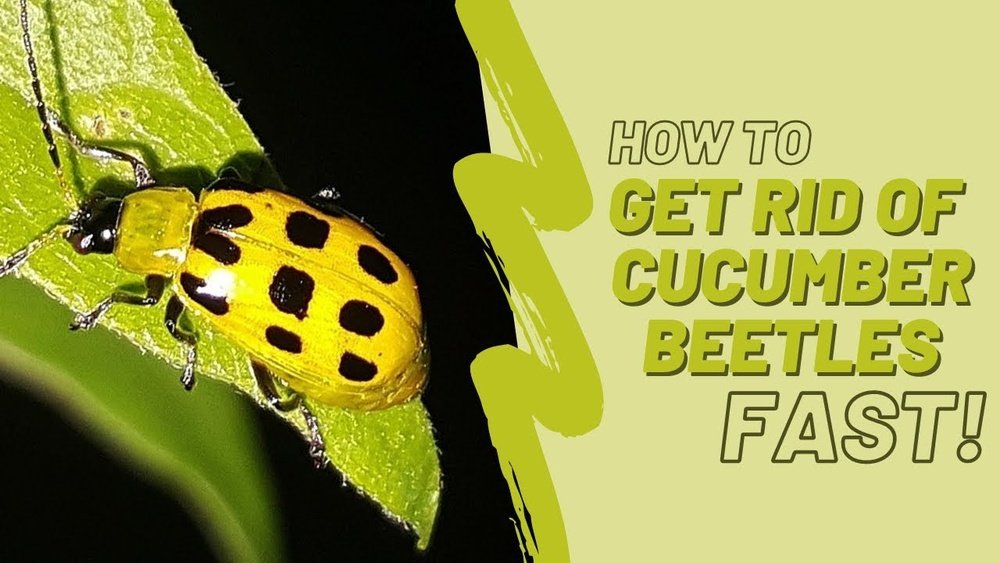
Cucumber beetles are a nightmare for gardeners and farmers who grow cucumbers, squash, melons, and other related crops. These small but destructive insects can quickly ruin a healthy garden, eating holes in leaves, transmitting plant diseases, and damaging fruits. If you’ve found yellow-striped or spotted beetles on your cucumber plants, you’re probably looking for ways to get rid of them—fast. This guide covers everything you need to know: how to identify cucumber beetles, why they’re so harmful, and the most effective strategies to control or eliminate them. Whether you grow a few cucumber vines at home or manage a large vegetable patch, these tips will help you protect your harvest and restore plant health.
Understanding Cucumber Beetles
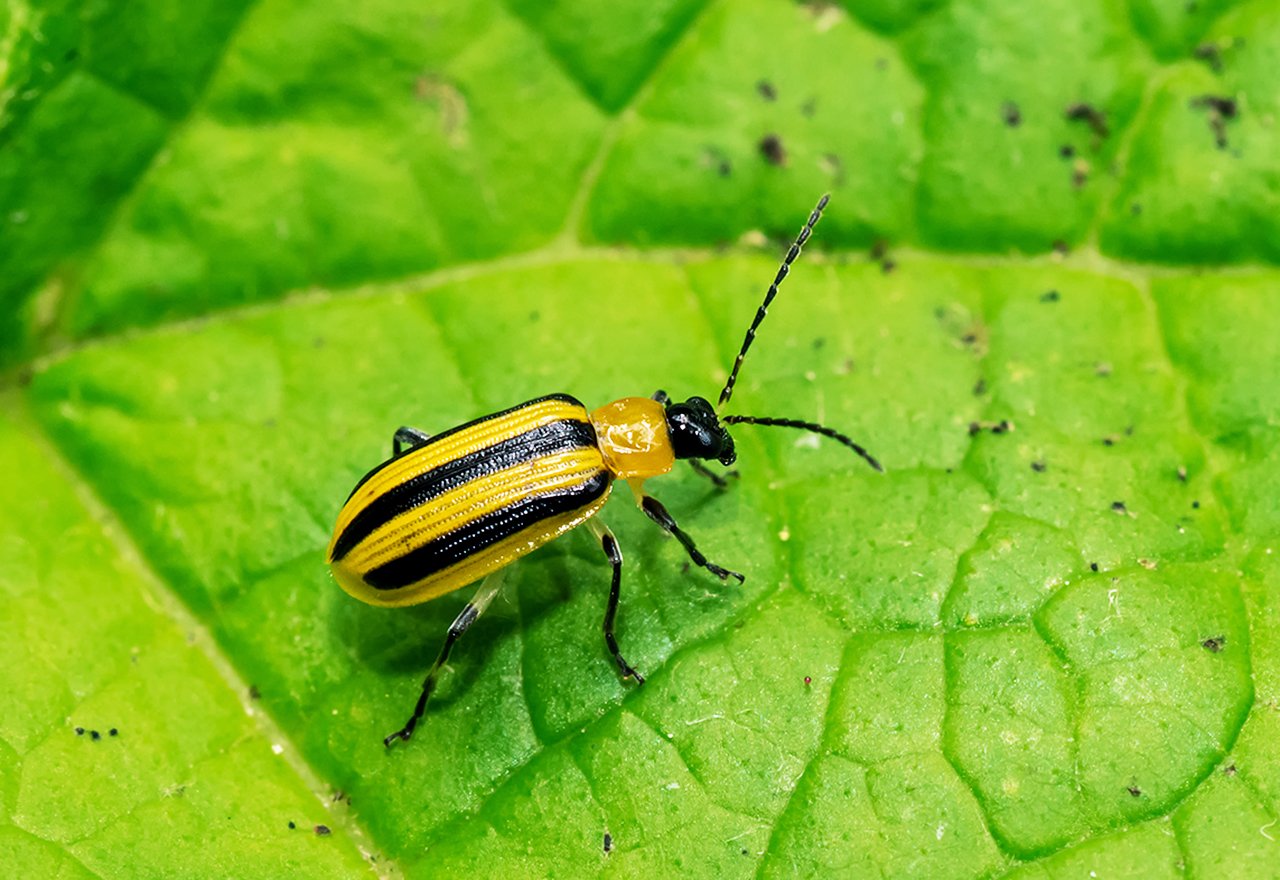
Before you can get rid of cucumber beetles, it’s important to know what you’re dealing with. Cucumber beetles belong to the genus Acalymma and Diabrotica, and there are two main types: striped cucumber beetles and spotted cucumber beetles. Both types are about 1/4 inch long but have different markings. The striped beetle has yellow and black stripes running down its back, while the spotted beetle has black spots on a yellow background.
These beetles feed on the leaves, stems, and fruit of cucurbit plants (like cucumbers, melons, and squash). But their biggest threat comes from the diseases they spread, especially bacterial wilt. Even a few beetles can introduce bacteria that kill entire plants within days.
Life Cycle And Behavior
Cucumber beetles overwinter as adults in garden debris or nearby brush. In spring, they emerge hungry and begin searching for young plants. Females lay eggs at the base of host plants. After about 7-10 days, larvae hatch and feed on roots for 2-3 weeks before pupating in the soil.
Adult beetles emerge, and the cycle repeats. Most regions see two generations per year, but warmer areas may see more.
Key insight: Cucumber beetles are most dangerous early in the season when plants are young and vulnerable. Early action makes a big difference.
Signs Of Infestation
- Holes in leaves: Small, irregular holes or ragged edges.
- Damaged seedlings: Wilting or dying, especially in young plants.
- Yellowing leaves: From feeding or disease.
- Damaged fruit: Scarring, holes, or rot on cucumbers and melons.
- Visible beetles: Look for small yellow beetles with stripes or spots.
Knowing these signs helps you act before major damage occurs.
Why Cucumber Beetles Are So Harmful
You might wonder why such small insects are such a big problem. Here’s why cucumber beetles require serious attention:
- Transmit deadly diseases: They carry bacterial wilt (Erwinia tracheiphila). Once a plant is infected, there is no cure.
- Spread viruses: Such as cucumber mosaic virus, which stunts growth and reduces yield.
- Direct feeding damage: Adult beetles chew holes in leaves, flowers, and fruit. Larvae eat plant roots, weakening or killing seedlings.
- Reduce harvest quality: Damaged fruit is less marketable and may rot faster.
- Rapid reproduction: Populations can explode in warm, wet conditions.
Non-obvious insight: Even a few beetles early in the season can mean hundreds later. Preventing the first wave is easier than controlling a large outbreak.

Credit: thistledownsfarm.com
Natural And Organic Control Methods
Many gardeners want to avoid harsh chemicals on edible crops. Luckily, there are several effective organic and natural methods to control cucumber beetles.
1. Hand-picking Beetles
This is the simplest method for small gardens. Visit your plants in the early morning when beetles are less active. Use your fingers or a small brush to remove beetles and drop them into a bucket of soapy water.
Tips:
- Move quickly—beetles can fly away.
- Repeat daily, especially during peak season.
2. Row Covers
Using a lightweight fabric called row cover can block beetles from reaching your plants. Install these covers right after planting and secure the edges.
- Remove covers during flowering so pollinators can access blooms.
- Make sure covers are sealed at the ground to prevent beetles from crawling underneath.
3. Crop Rotation
Cucumber beetles overwinter in soil and plant debris. Rotating your cucurbit crops (like cucumbers, melons, and squash) to a new spot each year can disrupt their life cycle.
- Don’t plant cucurbits in the same spot two years in a row.
- Rotate with unrelated crops, like beans or corn.
4. Trap Crops
A trap crop is a plant that attracts pests away from your main crop. For cucumber beetles, try planting blue Hubbard squash or zucchini nearby. They attract beetles, which can then be removed or destroyed.
Non-obvious insight: Destroy trap crops (or treat them with insecticide) once beetles gather, or you risk the pests moving onto your main plants.
5. Mulching And Soil Maintenance
Applying a thick layer of organic mulch (like straw) can make it harder for beetles to find your plants. Cleaning up old plant debris and tilling the soil in fall can reduce the number of beetles that survive the winter.
6. Diatomaceous Earth
Sprinkling diatomaceous earth around plant bases can help. This fine, natural powder cuts the beetle’s outer shell, dehydrating and killing them. Reapply after rain or watering.
7. Neem Oil And Botanical Sprays
Neem oil is a natural pesticide that disrupts insect hormones and feeding. Spray plants early in the morning or late evening, coating the tops and bottoms of leaves.
- Check labels for proper dilution.
- Test on a few leaves first to avoid burning sensitive plants.
8. Beneficial Insects
Some insects eat cucumber beetles. Ladybugs, soldier beetles, and ground beetles are natural predators. Attract them by planting flowers like dill, fennel, and marigold near your cucumbers.
Non-obvious insight: Avoid broad-spectrum pesticides, which can kill these helpful insects and make your beetle problem worse.
9. Homemade Traps
Yellow sticky traps attract and catch adult beetles. Place them close to your plants, but avoid trapping pollinators by keeping them low and away from flowers.
Chemical Control: When And How To Use Safely
Sometimes, natural methods aren’t enough—especially in severe infestations or for large crops. If you decide to use pesticides, it’s important to choose the right product and use it responsibly.
Common Chemical Options
- Pyrethrin-based sprays: Fast-acting but break down quickly. Safe for organic use if labeled.
- Carbaryl (Sevin): Effective but non-selective—kills beneficial insects.
- Permethrin: Controls beetles but also harms pollinators and predators.
Apply only when beetles are present, not as a routine spray. Always read and follow label instructions. Never spray during bloom, as this can kill bees and other pollinators.
Comparing Control Methods
Here’s how different cucumber beetle control methods stack up in terms of effectiveness, cost, and impact on pollinators:
| Method | Effectiveness | Cost | Pollinator Safety |
|---|---|---|---|
| Hand-picking | Medium | Low | Safe |
| Row covers | High (early season) | Medium | Very safe |
| Neem oil | Medium | Low | Moderate (safe when used correctly) |
| Chemical sprays | High | Medium to high | Risky (can harm bees) |
Preventing Future Infestations
Getting rid of cucumber beetles once is good, but keeping them away is even better. Here are strategies to prevent future outbreaks:
Sanitation
- Remove all plant debris after harvest to remove overwintering sites.
- Till the soil in late fall to expose and destroy beetle larvae and pupae.
Plant Timing
- Plant cucumbers a little later in the season, after the first wave of beetles has passed.
- Use fast-growing varieties that mature before beetle populations peak.
Resistant Varieties
Some cucumber and melon varieties are naturally less attractive or more tolerant to beetles and the diseases they carry. Check seed catalogs for resistant types.
Companion Planting
Planting certain herbs and flowers nearby can deter cucumber beetles. Try nasturtium, radish, or tansy, which may repel pests with their scent.
Monitor And Scout
Regularly inspect plants for signs of beetles or damage. Early detection gives you more control options.
Key tip: Mark your calendar for key garden tasks, such as row cover removal, soil tilling, and planting trap crops, to build a yearly routine.
Understanding The Impact Of Cucumber Beetles On Crop Yield
The damage from cucumber beetles is not just cosmetic. Studies show that even moderate infestations can reduce cucumber yields by 30-40%. Severe infestations, especially when combined with bacterial wilt, can wipe out entire plantings. For commercial growers, this can mean thousands of dollars in losses per acre.
Yield Comparison Example
Here’s a look at how cucumber beetle management affects yield in a typical home garden (assuming 10 cucumber plants):
| Control Method | Average Yield (lbs) | Loss to Beetles (%) |
|---|---|---|
| No control | 20 | 45% |
| Hand-picking only | 32 | 20% |
| Row covers + neem oil | 38 | 5% |
As you can see, combining strategies gives the best results.
How To Identify And Treat Bacterial Wilt
One of the worst problems cucumber beetles cause is bacterial wilt. Recognizing and acting on this disease is crucial for saving your garden.
Symptoms
- Sudden wilting of leaves and vines, even with moist soil
- Sticky, white sap when you cut a stem (a sign of bacterial infection)
- Rapid plant death
Treatment
Unfortunately, there is no cure for bacterial wilt once it infects a plant. Remove and destroy infected plants immediately to prevent the disease from spreading.
Expert tip: Don’t compost infected plants. Bag and remove them from your property.
Mistakes To Avoid When Controlling Cucumber Beetles
Many gardeners unknowingly make mistakes that make beetle problems worse. Here are common pitfalls:
- Ignoring early signs: Waiting until you see lots of beetles makes control much harder.
- Using the same method every year: Beetles can adapt. Rotate your control strategies.
- Spraying during bloom: This kills bees, which are vital for pollination.
- Relying only on chemicals: Overuse can lead to resistance and harm beneficial insects.
- Leaving plant debris: This gives beetles a place to survive the winter.
Non-obvious insight: Rotate both crops and control strategies for long-term success.
When To Call A Professional
If you have a large infestation or a commercial crop, sometimes professional help is needed. Pest control services can apply advanced treatments and give specialized advice. Look for services experienced with vegetable crops and ask about their approach to pollinator safety.
Real-world Example: Success Story
A small-scale farmer in Iowa battled cucumber beetles for years. After losing nearly half his cucumber crop to wilt, he changed his approach:
- Used row covers until flowers appeared.
- Planted trap crops of blue Hubbard squash.
- Sprayed neem oil every 7-10 days.
- Tilled all plant debris in fall.
The result? In the next season, beetle numbers dropped by 80%, and he harvested a record cucumber crop with almost no wilt cases.
This shows that a multi-method approach works best.
Popular Myths About Cucumber Beetle Control
It’s easy to find advice online, but not all of it is reliable. Here are some common myths and the truth:
- Myth: “Soap sprays kill cucumber beetles.”
Truth: Most homemade soap sprays are only effective against soft-bodied pests like aphids, not beetles.
- Myth: “All marigolds repel cucumber beetles.”
Truth: Marigolds can help attract beneficial insects, but they are not a reliable beetle repellent by themselves.
- Myth: “Beetles only attack weak plants.”
Truth: Even healthy, well-fertilized plants are at risk.
- Myth: “Once beetles are gone, you’re safe for the season.”
Truth: New beetles can migrate into your garden at any time.
Cucumber Beetle Control Timeline
Timing your actions is key to beating cucumber beetles. Here’s a sample timeline for the growing season:
| Time | Action |
|---|---|
| Early spring | Prepare soil, remove debris, plan crop rotation |
| Planting | Install row covers, set up sticky traps |
| Early growth | Scout daily, hand-pick beetles, apply neem oil if needed |
| Flowering | Remove row covers for pollination, monitor closely |
| Mid-summer | Watch for second beetle generation, repeat controls as needed |
| Post-harvest | Remove all plant debris, till soil |
Frequently Asked Questions
What Are Cucumber Beetles Attracted To?
Cucumber beetles are mainly drawn to cucurbit plants like cucumbers, melons, squash, and pumpkins. They are also attracted to the scent of young, tender seedlings and certain flowers. Some trap crops, such as blue Hubbard squash, can attract them even more than cucumbers.
Do Cucumber Beetles Bite Humans?
No, cucumber beetles do not bite humans. They are a threat only to plants. However, handling large numbers may cause minor skin irritation for some people, so wearing gloves when hand-picking is a good idea.
Can I Eat Cucumbers That Have Been Damaged By Beetles?
In most cases, yes. If the cucumber only has surface scars or small holes, you can cut away the damaged parts and eat the rest. However, fruit that is soft, rotting, or has signs of disease should be discarded.

Credit: www.almanac.com
How Do I Know If My Plants Have Bacterial Wilt?
If your cucumber plants suddenly wilt and die even though the soil is moist, bacterial wilt may be the cause. To test, cut a wilted stem. If you see sticky, white sap, it’s a sign of bacterial wilt. Remove and destroy infected plants immediately.
Where Can I Learn More About Cucumber Beetle Management?
For more detailed information and updates on pest control, check resources like the Purdue University Extension. They provide research-based tips for both home gardeners and commercial growers.
Protecting your cucumbers from beetles takes patience and a variety of strategies. By combining prevention, early action, and targeted treatments, you can enjoy healthy plants and a bigger harvest—without letting cucumber beetles ruin your garden.
Credit: www.whygoodnature.com