
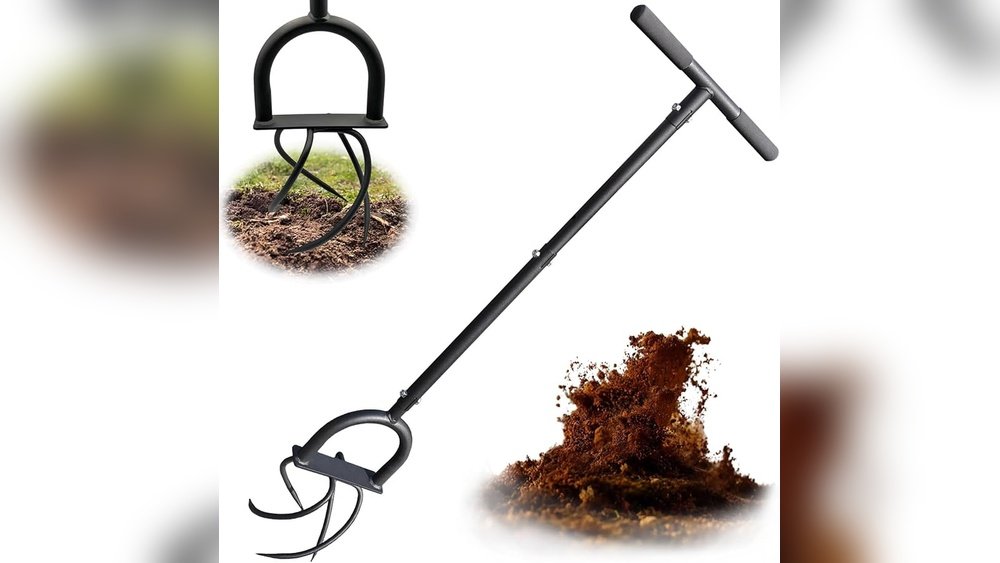
A well-prepared garden is the foundation for healthy plants and a beautiful outdoor space. Many gardeners struggle with soil that is too hard, full of weeds, or not mixed well. This is where a garden cultivator tiller can make a big difference. It helps break up tough ground, mixes nutrients, and creates a loose soil bed for planting. Whether you are new to gardening or have experience, learning how to use a cultivator tiller correctly can save you time and effort—and boost your results.
In this guide, you’ll discover how to choose the right tiller, prepare your soil, operate the machine safely, and maintain it for long-lasting use. You’ll also learn practical tips, common mistakes, and answers to questions most beginners miss. By the end, you’ll feel confident about using a garden cultivator tiller to transform your soil and garden.
What Is A Garden Cultivator Tiller?
A garden cultivator tiller is a powered tool designed to break up soil, mix it, and help remove weeds. Unlike hand tools like shovels or hoes, a tiller uses spinning blades—called tines—to dig into the ground. Some tillers are small and light, perfect for flower beds or vegetable gardens. Others are big and strong, made for larger areas and tough soil.
Types Of Garden Cultivator Tillers
There are several types of tillers, each suited for different jobs:
| Type | Power Source | Best Use | Typical Price Range |
|---|---|---|---|
| Mini Cultivator | Electric or Battery | Small gardens, raised beds | $80–$250 |
| Front-Tine Tiller | Gas | Medium gardens, loose soil | $250–$600 |
| Rear-Tine Tiller | Gas | Large gardens, hard soil | $600–$1200 |
- Mini cultivators are easy to carry and operate, but not strong enough for hard or clay soil.
- Front-tine tillers are more powerful and good for mixing soil, making rows, and preparing seed beds.
- Rear-tine tillers are heavy-duty, designed for breaking new ground or working in tough conditions.
Cultivator Vs Tiller: The Difference
Many people use the words “cultivator” and “tiller” interchangeably, but there are differences:
| Feature | Cultivator | Tiller |
|---|---|---|
| Main Purpose | Mixing, aerating soil | Breaking new ground |
| Power | Lower | Higher |
| Size | Smaller | Larger |
| Best For | Maintaining garden beds | Preparing new plots |
A cultivator is best for light tasks, while a tiller can handle tough jobs.
Why Use A Garden Cultivator Tiller?
Using a garden cultivator tiller brings many benefits:
- Improves soil structure: Loose soil helps roots grow better and allows water and air to move freely.
- Reduces weeds: The tiller chops up weeds and buries them, making it harder for them to grow back.
- Saves time: Manual digging is slow and tiring; a tiller can prepare a garden bed in minutes.
- Mixes nutrients: Fertilizers and compost get blended evenly into the soil.
- Prepares for planting: Seeds and seedlings need soft, crumbly soil to sprout and thrive.
Who Should Use A Cultivator Tiller?
- Home gardeners with medium or large plots
- People starting new gardens or lawns
- Anyone wanting to improve soil quality quickly
If you have only a few pots or tiny beds, hand tools may be enough. But for areas larger than 100 square feet, a tiller is almost always faster and more effective.
Choosing The Right Garden Cultivator Tiller
Picking the correct tiller for your needs is important. Here’s what to consider:
Key Factors
- Garden size: For small gardens, a mini cultivator is enough. For big areas or tough soil, choose a rear-tine tiller.
- Soil type: Sandy or loose soil is easy to till. Clay or rocky soil needs more power.
- Power source: Electric tillers are quiet and light but need a cord or battery. Gas tillers are stronger and can work anywhere.
- Weight and maneuverability: Heavier tillers are harder to move but can dig deeper.
- Depth and width: Adjustable tines let you control how deep and wide you till.
- Budget: Prices range from $80 to over $1000. Balance your needs with your budget.
Common Buyer Mistakes
- Buying a tiller that’s too weak for tough soil
- Choosing a big tiller for a tiny garden (hard to store and use)
- Ignoring maintenance and fuel needs
- Not checking warranty or reviews
For best results, visit a local store to try different models or read trusted online reviews.
Preparing Your Garden For Tilling
Before using a tiller, it’s important to prepare your garden. This ensures the machine works well and keeps you safe.
Steps To Prepare
- Clear debris: Remove rocks, branches, and trash. Large objects can damage the tiller or cause accidents.
- Mark boundaries: Use string or stakes to outline your garden. This helps you till evenly and avoid pathways or fences.
- Water soil (if dry): Slightly moist soil is easier to till. Avoid muddy ground; it can clog the machine.
- Check for cables: If you have underground wires or pipes, mark their locations.
- Wear safety gear: Use gloves, eye protection, and sturdy shoes. Ear protection is helpful for gas tillers.
Practical Tip
Don’t till right after heavy rain—wet soil clumps together and is hard to break apart. Wait until it’s moist but not sticky.
How To Use A Garden Cultivator Tiller: Step-by-step
Operating a tiller is simple once you know the steps. Here’s a clear guide for beginners and experienced users alike.
1. Read The Manual
Always check the tiller’s manual before starting. It explains how to operate, adjust, and maintain your machine. If you lost the manual, you can often find it online.
2. Inspect The Tiller
- Check fuel or battery levels.
- Inspect tines for wear or damage.
- Ensure safety guards are in place.
- Adjust handle height for comfort.
3. Start The Tiller
- For gas models: Open the fuel valve, set choke, and pull the starter cord.
- For electric models: Plug in or insert battery, press the start button.
Let the tiller run for a minute to warm up.
4. Set Tilling Depth And Width
Most tillers let you adjust how deep and wide they dig. For new ground, start shallow (2–4 inches). For mixing soil, go deeper (4–8 inches).
5. Begin Tilling
- Position tiller at the garden edge.
- Hold handles firmly and start moving forward.
- Let the tines do the work; don’t force the tiller.
- Overlap rows slightly for even coverage.
6. Work Slowly And Steadily
- Move at a steady pace.
- If tiller stalls or jumps, stop and check for obstacles.
- For hard soil, till twice: First shallow, then deeper.
7. Finish And Clean Up
- Turn off tiller and let tines stop spinning.
- Clean off soil and debris.
- Inspect for damage or wear.
Example: Preparing A Vegetable Bed
Imagine you want to plant tomatoes in a 200-square-foot garden:
- Remove stones and branches.
- Water soil lightly if dry.
- Use a front-tine tiller, set depth to 6 inches.
- Till rows lengthwise, overlapping each pass.
- Mix in compost and fertilizer as you go.
This process takes about 30–45 minutes, depending on soil condition.
Safety Tips For Using A Garden Cultivator Tiller
Safety is critical when working with powered tools. Here are important tips:
- Keep hands and feet away from tines while machine is running.
- Never till up or down steep slopes—work across the slope to avoid tipping.
- Don’t wear loose clothing that can get caught in moving parts.
- Turn off tiller before adjusting, cleaning, or moving.
- Keep children and pets away during operation.
- Store fuel safely for gas models.
- Unplug electric tillers when not in use.
Non-obvious Safety Insight
Many beginners forget to check the area for hidden rocks or roots. These can cause sudden jerks or damage the tiller. Take a few extra minutes to walk your garden and spot trouble areas.
:max_bytes(150000):strip_icc()/GettyImages-1456639055-5400ddb2ab94417a91078a45de5b9bb4.jpg)
Credit: www.thespruce.com
Maintaining Your Garden Cultivator Tiller
Regular maintenance keeps your tiller running well and extends its life.
Basic Maintenance Tasks
- Clean tines after each use.
- Check bolts and nuts for tightness.
- Change oil and spark plug (gas models) every season.
- Charge batteries fully (electric models).
- Lubricate moving parts as recommended.
- Store in a dry, clean place.
Annual Maintenance Checklist
| Task | Frequency | Notes |
|---|---|---|
| Oil change | Once per season | Use recommended oil |
| Spark plug check | Once per season | Replace if worn |
| Tine inspection | Every use | Sharpen or replace if dull |
| Battery check | Monthly | Charge as needed |
Non-obvious Maintenance Insight
Many owners forget to clean the air filter on gas tillers. A dirty filter reduces power and can cause engine problems. Check and clean it every few uses.
When To Use A Cultivator Tiller
Timing matters for tilling. Here’s how to choose the best moment:
Spring
- Prepare soil for planting.
- Mix in fertilizers and compost.
- Break up winter-compacted soil.
Fall
- Remove old roots and weeds.
- Mix in organic material for winter.
- Loosen soil for better drainage.
After Rain
- Wait until soil is moist, not wet.
- Tilling muddy ground can damage soil structure.
Key Insight
Repeated tilling (more than twice a year) can harm soil health and destroy beneficial worms. Limit tilling to when it is truly needed.

Credit: www.amazon.com
Troubleshooting Common Cultivator Tiller Problems
Even the best tillers can run into issues. Here are common problems and solutions:
Tiller Won’t Start
- Check fuel or battery charge.
- Inspect spark plug (gas models).
- Make sure safety switches are engaged.
Tiller Stalls Or Stops
- Clear tines of tangled roots or debris.
- Check for clogged air filter.
- Adjust choke or throttle.
Tiller Jumps Or Vibrates
- Remove rocks or hard objects from soil.
- Check tine alignment.
- Reduce tilling depth.
Uneven Tilling
- Overlap passes more.
- Adjust depth and width settings.
- Move at a consistent speed.
Example Solution
If your tiller starts but stalls after a few minutes, check the air filter and fuel cap. Dirt or a blocked vent can cause this issue.
Advanced Techniques For Experienced Gardeners
Once you are comfortable using a tiller, you can try more advanced methods:
Double Digging
Use the tiller to loosen the top layer, then dig deeper with a shovel for extra root growth. This is useful for root vegetables like carrots.
Mixing Amendments
Spread compost, lime, or fertilizer across the soil. Till in two directions (lengthwise and crosswise) for even mixing.
Creating Raised Beds
Tiller can help shape soil into long, raised rows. This improves drainage and makes harvesting easier.
Preparing Lawns
For new lawns, use a rear-tine tiller to break up old sod, mix in topsoil, and smooth the area before seeding.
Environmental Impact And Sustainable Tilling
Tilling is useful but can affect soil health and the environment. Here’s how to till responsibly:
- Avoid tilling too often; it can destroy soil structure.
- Use organic amendments instead of chemical fertilizers.
- Mulch after tilling to protect soil from erosion.
- Consider no-till gardening for some crops—this method keeps soil intact and improves long-term health.
Data On Soil Health
Research shows that excessive tilling can reduce soil fertility and harm beneficial organisms. Limit tilling to when you change crops or need to break up compacted soil.
Geographic Considerations: Tilling In Different Climates
Your location affects how and when you use a tiller:
- Dry climates: Water soil before tilling to reduce dust and improve results.
- Humid climates: Watch for fungal growth in wet soil. Till only when soil is moist, not soggy.
- Cold regions: Wait until ground thaws in spring. Tilling frozen soil can damage the machine and soil.
Regional Example
In the southern United States, tilling is often done in early spring and late fall. In northern areas, wait until after frost danger has passed.

Credit: www.bigrentz.com
Tilling For Different Garden Types
Not all gardens are alike. Here’s how to use a cultivator tiller for various garden setups:
Vegetable Gardens
Till deeply to allow root crops to grow. Mix in compost and nutrients before planting.
Flower Beds
Use a mini cultivator to avoid damaging existing plants. Work gently around roots.
Herb Gardens
Till only once per year. Herbs prefer less-disturbed soil.
Large Plots
Rear-tine tillers make short work of big areas. Plan passes to avoid overlap and missed spots.
Raised Beds
Mini cultivators or hand tillers are best. Avoid heavy machines to protect bed structure.
How A Cultivator Tiller Improves Plant Growth
Well-tilled soil leads to better plant health:
- Roots grow deeper and stronger in loose soil.
- Plants absorb water and nutrients more easily.
- Fewer weeds compete for space and resources.
Data Example
Studies show that gardens tilled before planting yield up to 30% more vegetables compared to untiled plots.
Comparing Electric Vs Gas Garden Cultivator Tillers
Choosing between electric and gas models affects how you use and maintain your tiller.
| Feature | Electric Tiller | Gas Tiller |
|---|---|---|
| Noise | Low | High |
| Power | Medium | High |
| Maintenance | Easy | More involved |
| Range | Limited (cord/battery) | Unlimited |
| Price | $80–$400 | $250–$1200 |
| Weight | Light | Heavy |
Practical Insight
Electric tillers are easier for beginners and smaller gardens. Gas tillers are necessary for large plots and tough soil.
Common Mistakes And How To Avoid Them
Even experienced gardeners can make errors when using a cultivator tiller:
- Tilling wet soil: Causes clumping and poor mixing.
- Ignoring safety gear: Leads to accidents or injuries.
- Skipping maintenance: Shortens machine life and reduces effectiveness.
- Till too deep: Can bring up weed seeds and harm soil layers.
- Overlapping passes too much: Wastes time and fuel.
Pro Tip
Always check soil moisture with a simple test: squeeze a handful of soil. If it forms a firm ball, wait until it dries more.
Maximizing Results With Your Garden Cultivator Tiller
To get the best outcome, follow these practical tips:
- Till at the right time of year.
- Mix in compost or organic matter for extra nutrients.
- Adjust depth for each crop—shallow for lettuce, deeper for potatoes.
- Clean and store tiller after each use.
- Rotate tiller passes for even soil mixing.
Non-obvious Insight
Many beginners forget to plan their tilling pattern. Start at one edge and work in straight lines to avoid missing spots or creating uneven soil.
Where To Find More Information
For more details on garden tillers, soil health, and sustainable gardening, visit Wikipedia. This site offers trusted information and links to other resources.
Frequently Asked Questions
What Is The Best Time To Use A Garden Cultivator Tiller?
The best time is spring before planting and fall after harvesting. Avoid tilling right after heavy rain or when soil is frozen.
How Deep Should I Till My Garden?
For most vegetables, till to a depth of 6–8 inches. For flower beds or herbs, 2–4 inches is enough.
Can I Use A Cultivator Tiller To Remove Weeds?
Yes, tillers chop up and bury weeds. But for heavy infestations, remove large weeds by hand first.
What’s The Difference Between An Electric And Gas Tiller?
Electric tillers are lighter, quieter, and easier to maintain but best for small gardens. Gas tillers are stronger and work well in large or tough plots.
How Often Should I Maintain My Garden Cultivator Tiller?
Basic cleaning after each use and full maintenance (oil, spark plug, battery) once a season keeps your tiller in good shape.
Using a garden cultivator tiller transforms hard, lifeless soil into a rich, fertile bed ready for planting. With the right machine and proper technique, you can save time, reduce effort, and grow healthier plants. Remember to choose the best tiller for your needs, prepare your garden carefully, and follow safety and maintenance tips.
With these steps, your garden will flourish—and you’ll enjoy the rewards for seasons to come.