
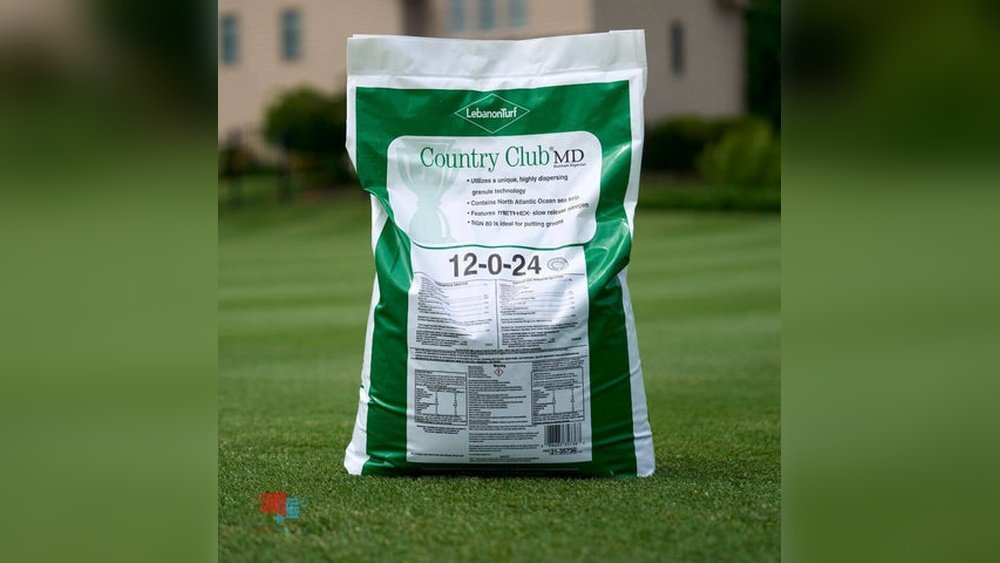
A lush, green lawn is a dream for many homeowners, especially as spring brings new growth and energy. But one key to a healthy lawn often gets overlooked: the right fertilizer. At the heart of every fertilizer bag, you’ll find three numbers known as the NPK ratio. These numbers are more than just labels—they’re the secret code to giving your grass exactly what it needs in spring. If you’ve ever wondered, “What NPK ratio should I use for my lawn this spring?” you’re in the right place. This guide will explain everything in clear, simple terms, so you can make smart choices and enjoy the thick, green lawn you want.
Understanding The Npk Ratio
Most fertilizer bags show three numbers, like 20-5-10. These numbers represent the NPK ratio, which stands for Nitrogen (N), Phosphorus (P), and Potassium (K). Each number shows the percentage of that nutrient in the fertilizer.
- The first number is Nitrogen (N). It helps grass grow and makes it green.
- The second number is Phosphorus (P). It helps roots grow strong.
- The third number is Potassium (K). It helps grass fight disease and stress.
For example, a bag labeled 24-0-6 has 24% nitrogen, 0% phosphorus, and 6% potassium. The rest of the bag is filler material.
Why do these numbers matter? Because every lawn, especially in spring, needs a different mix of these nutrients to thrive.
Why The Right Npk Ratio Is Critical In Spring
As winter ends, your lawn wakes up hungry. The roots and blades are ready to grow, but they need the right food. Spring is the most active growth period for cool-season grasses (like Kentucky bluegrass or fescue), and it’s also when warm-season grasses (like Bermuda or zoysia) start waking up.
Nitrogen is most important in spring. It gives that fresh green look and boosts blade growth. But too much can cause problems, like weak roots or extra mowing. Phosphorus supports root growth, but most lawns don’t need much unless they’re new or phosphorus-deficient. Potassium helps with overall health and stress resistance.
The perfect balance can mean the difference between a patchy, pale yard and a thick, green carpet. Choosing the wrong ratio can waste money—or even damage your grass.
Key Npk Ratios For Spring Lawns
Lawn experts recommend different NPK ratios depending on your grass type, soil, and climate. But for most established lawns in the US, the best spring NPK ratios look like this:
- 20-5-10: This is a classic spring lawn fertilizer. It gives a good kick of nitrogen with lower amounts of phosphorus and potassium. It’s great for established lawns.
- 24-0-6: Another popular choice, especially if your soil already has enough phosphorus. The high nitrogen helps with fast green-up.
- 16-4-8: A balanced option for lawns that may need a bit more phosphorus, such as those with sandy soils or new sod.
But these are not the only choices. The best NPK ratio depends on your unique situation.
How Npk Ratios Compare
To help you see the differences, here’s a comparison of popular spring NPK ratios:
| NPK Ratio | Nitrogen (%) | Phosphorus (%) | Potassium (%) | When to Use |
|---|---|---|---|---|
| 20-5-10 | 20 | 5 | 10 | Standard spring feeding for most lawns |
| 24-0-6 | 24 | 0 | 6 | High green-up, low phosphorus soil |
| 16-4-8 | 16 | 4 | 8 | New lawns or sandy soils |
| 10-10-10 | 10 | 10 | 10 | Lawns needing balanced nutrients |
How To Choose The Best Npk Ratio For Your Lawn
Every lawn is different. To pick the right fertilizer, you need to consider a few key factors:
1. Grass Type Matters
- Cool-season grasses (Kentucky bluegrass, fescue, ryegrass) grow most in spring and fall. They like more nitrogen in spring.
- Warm-season grasses (Bermuda, zoysia, St. Augustine) start growing in late spring or early summer. They need less nitrogen early in spring.
2. Soil Test Is Essential
Many beginners skip the soil test, but this is a big mistake. Without it, you’re guessing what your lawn needs. A soil test tells you the levels of nitrogen, phosphorus, and potassium in your yard. Local extension offices or garden centers can help. If your soil already has high phosphorus, choose a fertilizer with zero or low phosphorus.
3. Local Climate
If you live in a cold area, your grass will start growing later. If you’re in a warm region, spring comes early. Match your fertilizer timing to your local weather.
4. Age Of Your Lawn
- New lawns (seeded or sodded in the last year) need more phosphorus to develop strong roots. Ratios like 16-20-0 or 18-24-12 are best.
- Established lawns usually do not need much phosphorus, especially if you mow and leave clippings.
5. Local Laws And Restrictions
Some areas, especially near lakes or rivers, limit phosphorus use to protect water quality. Always check local regulations before buying fertilizer.

Credit: lawnlove.com
Common Mistakes With Spring Lawn Fertilizer
Many homeowners want fast results and use too much fertilizer. This often leads to problems:
- Over-fertilizing: Causes fast growth, weak roots, and can burn grass.
- Wrong timing: Fertilizing too early (when the ground is still cold) wastes nutrients.
- Ignoring soil tests: Leads to nutrient imbalances, poor growth, or wasted money.
- Using high-phosphorus fertilizer on established lawns: Often unnecessary and can pollute water.
- Not watering in fertilizer: Can lead to fertilizer burn or uneven results.
Step-by-step Guide: How To Apply Spring Lawn Fertilizer
Getting the right NPK ratio is only the first step. How you apply fertilizer matters just as much. Here’s a practical guide to doing it right:
1. Test Your Soil First
Before you buy anything, collect a soil sample from your yard. Send it to your local extension service or use a home kit. Look for results on nitrogen, phosphorus, potassium, and pH.
2. Choose The Correct Fertilizer
Based on your test results, pick a fertilizer with the right NPK ratio. For most established lawns in spring, 20-5-10 or 24-0-6 works well. If your soil is low in phosphorus, choose a fertilizer with a higher middle number.
3. Set Your Spreader
Use a broadcast or drop spreader for even coverage. Check the bag for the correct spreader setting—using too much or too little can cause problems.
4. Apply On Dry Grass
Fertilize when the grass is dry, but the soil is moist. This helps fertilizer stick to the soil, not the blades.
5. Water The Lawn
After applying fertilizer, water your lawn lightly. This dissolves the granules and helps nutrients reach the roots.
6. Avoid Edges And Waterways
Keep fertilizer away from driveways, sidewalks, and water. Sweep up any granules that land on hard surfaces.
Timing: When To Fertilize In Spring
Timing is just as important as choosing the right NPK ratio. For most cool-season lawns, the best time for spring fertilizer is when the grass is actively growing—usually when soil temperatures reach around 55°F (13°C). This often matches the time when forsythia bushes bloom.
For warm-season grasses, wait until late spring or early summer, when the grass is fully green and growing.
Applying fertilizer too early can waste nutrients and even harm your lawn.
How Much Fertilizer Does Your Lawn Need?
The amount of fertilizer depends on the size of your yard and the product you choose. Most lawns need about 1 pound of actual nitrogen per 1,000 square feet in spring.
Here’s how to calculate:
- Find the nitrogen percentage on the bag (first number).
- Divide 100 by that number to get the number of pounds of fertilizer needed for 1 pound of nitrogen.
- Example: For a 20-5-10 fertilizer, 100/20 = 5. So, you need 5 pounds of fertilizer per 1,000 square feet.
- Measure your lawn area to avoid over- or under-applying.
Quick Comparison: Nitrogen Needed
| Lawn Size (sq ft) | 20-5-10 (lbs needed) | 24-0-6 (lbs needed) | 16-4-8 (lbs needed) |
|---|---|---|---|
| 1,000 | 5 | 4.2 | 6.25 |
| 5,000 | 25 | 21 | 31.25 |
| 10,000 | 50 | 42 | 62.5 |
Organic Vs. Synthetic Fertilizer: Which Is Better In Spring?
You’ll find both organic and synthetic fertilizers in stores. Each has pros and cons.
Organic Fertilizers
- Made from natural materials like compost, manure, or bone meal.
- Release nutrients slowly.
- Improve soil structure.
- Lower risk of burning grass.
- Usually have lower NPK numbers (like 4-3-3).
Synthetic Fertilizers
- Made in factories.
- Fast-acting, with high NPK ratios.
- Easy to control the exact amount of nutrients.
- Can burn grass if over-applied.
- Do not improve soil structure.
If you want a quick green-up, synthetic is faster. If you want long-term soil health, organic is better. Some people combine both.
Slow-release Vs. Quick-release Fertilizer
Spring fertilizers come in slow-release and quick-release forms.
- Slow-release fertilizers feed the lawn over 6–8 weeks. They provide steady growth and reduce mowing.
- Quick-release fertilizers work in days but can cause fast growth and need careful watering.
For most homeowners, slow-release is easier and safer. It’s less likely to burn the grass and supports steady growth.

Credit: usasod.com
Reading Fertilizer Labels: What To Look For
Fertilizer bags have lots of information. Here’s what to check:
- NPK ratio: Main numbers.
- Type: Slow-release or quick-release.
- Coverage area: How many square feet the bag treats.
- Application instructions: Spread rate, watering instructions.
- Safety warnings: For pets, kids, and nearby water.
If you want to learn more about fertilizer labels and what each part means, see this helpful guide from the US Environmental Protection Agency.
Choosing The Right Product Brand
There are many brands and products. Some top brands in the US include Scotts, Vigoro, and Milorganite. Focus more on the NPK ratio and less on the brand name.
If you prefer organic, look for products from Espoma or Dr. Earth.
Practical Tips For The Best Spring Lawn
Here are smart tips that beginners often overlook:
- Mow First, Fertilize Second: Always mow your lawn before fertilizing. This ensures the fertilizer reaches the soil, not stuck on tall blades.
- Use a Spreader, Not Hands: Even coverage is key. A spreader avoids clumps and burning.
- Overlap Slightly: When walking with your spreader, slightly overlap rows to avoid missed strips.
- Water Well After Fertilizing: This activates most fertilizers and helps nutrients reach roots.
- Don’t Fertilize Before Heavy Rain: Rain can wash fertilizer away, wasting money and polluting water.
- Store Leftover Fertilizer Safely: Keep out of reach of children and pets, and away from water.
How Npk Affects Lawn Problems
The NPK ratio you choose can help solve—or cause—lawn issues.
- Too much nitrogen: Can cause lush, fast growth, but weak roots and more pests.
- Too little nitrogen: Leads to pale, slow-growing grass.
- Too much phosphorus: Usually not needed except for new lawns; can pollute water.
- Too little potassium: Grass may be more likely to get diseases or dry out.
If your lawn has yellow patches, poor growth, or gets disease easily, check your fertilizer and soil test results.
Special Cases: When To Adjust Your Npk Ratio
Some lawns need special care.
New Lawns
If you just seeded or sodded your yard, use a starter fertilizer high in phosphorus, like 18-24-12. This helps roots grow strong.
Lawns With Poor Soil
If your soil is sandy or low in nutrients, you may need a more balanced fertilizer, like 16-4-8 or 10-10-10.
Lawns With Disease Or Stress
If your grass often gets brown patches or fungus, increase potassium with a ratio like 15-0-15.
Climate And Region: Npk Needs Across The Us
Different regions have different lawn needs.
- Northeast & Midwest: Cool-season grasses need high-nitrogen fertilizer in spring.
- South & Southwest: Warm-season grasses need less nitrogen early in spring; wait until full green-up.
- Pacific Northwest: Mild climate means gradual spring growth; use balanced fertilizer.
Always adjust for your local climate and grass type.
The Science Behind Npk: Why It Works
Nitrogen, phosphorus, and potassium are called macronutrients because grass uses them in large amounts.
- Nitrogen: Part of chlorophyll, which gives grass its green color. Needed for leaf and stem growth.
- Phosphorus: Helps roots grow and store energy. Most soils have enough, unless they’re new or sandy.
- Potassium: Helps grass use water, resist disease, and survive stress.
If one is missing, grass will not grow well—even if the others are present.
Real-life Example: Fixing A Patchy Lawn
Let’s say your lawn came out of winter looking patchy and pale. You do a soil test and see low nitrogen, medium phosphorus, and high potassium. The best spring fertilizer would be a 20-5-10 or 24-0-6. Apply as directed, water well, and in a few weeks, you’ll see greener, thicker grass.
If you had used a 10-10-10 fertilizer, you’d be adding extra phosphorus and potassium you didn’t need. That’s why the right NPK ratio is so important.
The Hidden Dangers Of Phosphorus Overuse
Many people think “more is better,” but that’s not true with phosphorus. Overusing phosphorus:
- Doesn’t help most established lawns
- Can run off into rivers and lakes, causing algae blooms
- May be illegal in some states
Always check your soil test before adding phosphorus.
How To Switch Npk Ratios Safely
If you’ve been using a high-phosphorus fertilizer for years, you can switch to a low-phosphorus or zero-phosphorus fertilizer in spring. Do it gradually, and keep mowing and watering regularly. Your lawn will adjust over time.
The Role Of Micronutrients
While NPK are most important, your lawn also needs micronutrients like iron, magnesium, and calcium. Most soils have enough, but if your grass stays yellow even after fertilizing, you may need a supplement. Some spring fertilizers add iron for extra greening.
Sustainable Lawn Care: Eco-friendly Choices
Modern lawn care is about more than just a green yard—it’s about protecting the planet.
- Choose slow-release or organic fertilizers to reduce runoff.
- Use zero-phosphorus fertilizer if your soil already has enough.
- Leave grass clippings on the lawn (mulching) to recycle nutrients.
- Fertilize only when needed—don’t overdo it.
How To Track Your Lawn’s Progress
Keep a lawn journal with dates, products used, and results. Take photos in early spring and after fertilizing. This helps you see what works and what needs changing next year.
Troubleshooting: If Your Lawn Doesn’t Improve
If you follow all the tips but your lawn still struggles:
- Double-check your soil test results.
- Make sure you’re using the correct NPK ratio.
- Check for other problems: Compacted soil, pests, disease, or poor watering.
- Consider hiring a lawn care professional for help.
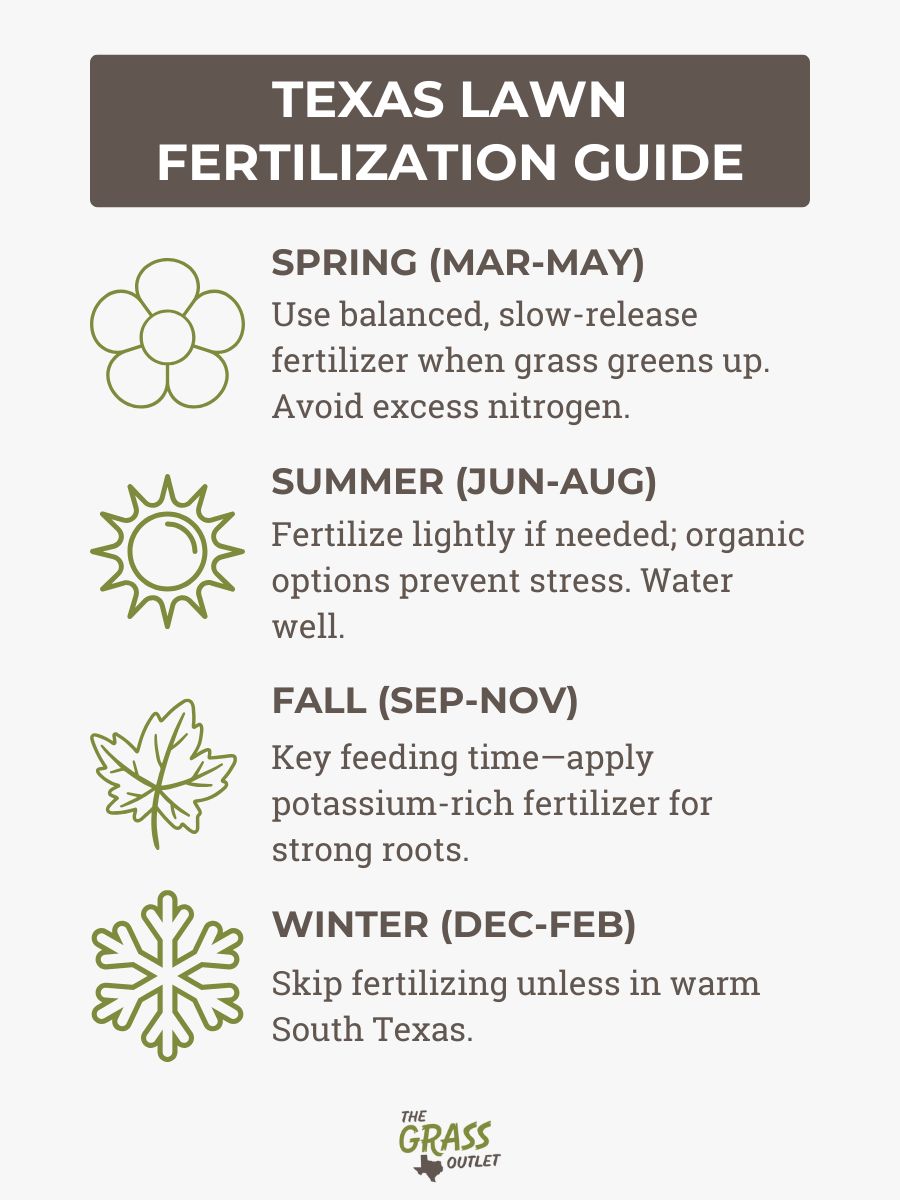
Credit: thegrassoutlet.com
Frequently Asked Questions
What Does Npk Stand For In Lawn Fertilizer?
NPK stands for Nitrogen (N), Phosphorus (P), and Potassium (K). These are the main nutrients lawns need to grow strong and healthy. The numbers on a fertilizer bag show the percentage of each nutrient.
Why Is Nitrogen So Important For Lawns In Spring?
Nitrogen helps grass grow new blades quickly and makes it look green. In spring, grass comes out of winter dormancy and needs nitrogen for fast, healthy growth.
Do I Need Phosphorus For My Established Lawn In Spring?
Most established lawns do not need extra phosphorus unless a soil test shows it’s low. Too much phosphorus can harm water quality and is often not needed.
How Often Should I Fertilize My Lawn In Spring?
Usually, one spring application is enough. Apply when grass is actively growing, and always follow the product’s instructions for timing and amount.
What’s The Best Way To Avoid Fertilizer Burn?
To prevent fertilizer burn:
- Use a spreader for even coverage
- Water the lawn after fertilizing
- Avoid applying just before heavy rain
- Do not use more than recommended on the bag
A great lawn starts with understanding what your grass needs—not just buying any bag from the store. By choosing the right NPK ratio for spring, following expert tips, and avoiding common mistakes, you’ll enjoy a healthy, green yard all season.
Happy growing!