
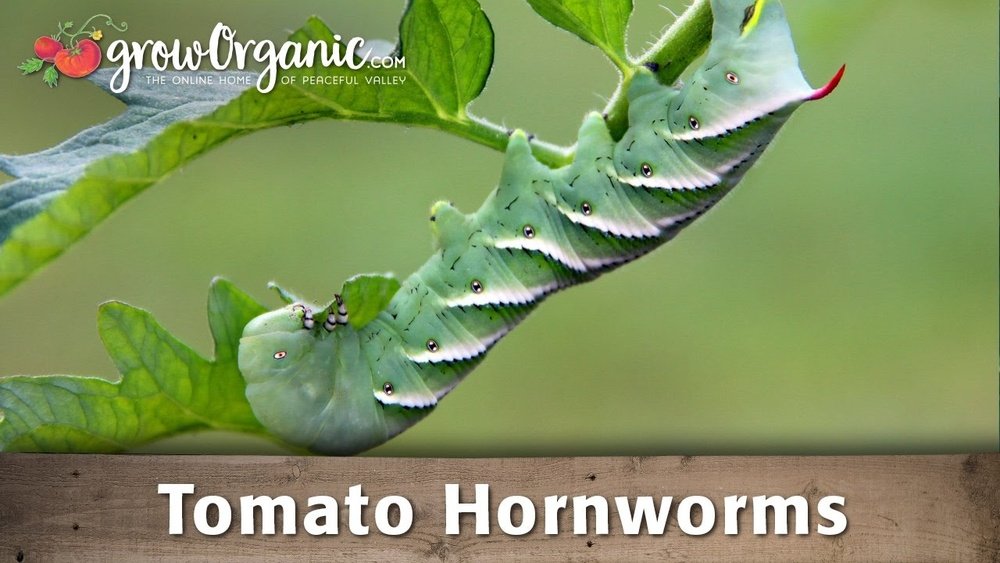
Tomato gardeners know the feeling: you check your plants, expecting to see healthy leaves and growing fruit. Instead, you find chewed stems, missing leaves, and sometimes, big green caterpillars blending in. These are hornworms, among the most destructive pests for tomato plants. They can strip a plant overnight if you’re not careful. Understanding hornworms, spotting them early, and removing them quickly is essential to protect your tomato harvest.
This article walks you through everything you need to know about hornworms on tomatoes. You’ll learn how to identify them, why they attack, and most importantly, proven ways to get rid of hornworms. Whether you garden in pots or have a backyard full of tomatoes, these practical steps will help you keep your plants safe.
The advice here comes from both gardening science and real experience, so you’ll get simple instructions and useful tips that work.
What Are Hornworms?
Hornworms are large caterpillars that feed mostly on tomato plants and other members of the nightshade family, like peppers and eggplants. Their name comes from the horn-like spike on their rear end. The two common types are the tomato hornworm (*Manduca quinquemaculata*) and the tobacco hornworm (*Manduca sexta*).
Hornworms grow quickly. When fully grown, they can be up to 4 inches long. Their color is usually bright green, helping them blend in with tomato leaves. These caterpillars eventually become moths, called hawkmoths or sphinx moths, but as caterpillars, they are hungry and destructive.
Tomato Hornworm Vs. Tobacco Hornworm
Many gardeners confuse these two because they look similar and both eat tomatoes. Here’s a simple table to help you spot the difference:
| Hornworm Type | Color & Markings | Horn Color | Preferred Plants |
|---|---|---|---|
| Tomato Hornworm | Green body with V-shaped white stripes | Black | Tomatoes, eggplants, potatoes, peppers |
| Tobacco Hornworm | Green body with straight white stripes | Red | Tobacco, tomatoes, peppers |
Both types cause similar damage, so the removal methods are the same. For most gardeners, spotting the horn is enough to know you have a problem.
Why Hornworms Are A Serious Problem
Hornworms can destroy tomato plants quickly. They eat leaves, stems, and sometimes fruit. The damage is often severe because:
- High appetite: Hornworms eat a lot. One caterpillar can defoliate a plant in days.
- Hard to spot: Their color matches the leaves, making them difficult to find.
- Rapid growth: They grow fast, so small hornworms become large and destructive quickly.
Hornworm damage usually appears as large holes in leaves or missing sections. Sometimes, you see droppings (dark green or black pellets) on lower leaves or soil. If ignored, hornworms can kill young plants or reduce your harvest.
Data: Impact Of Hornworm Infestation
Studies show that heavy hornworm infestations can reduce tomato yield by up to 40%. Even a few hornworms can strip leaves, which affects fruit growth and quality. That’s why early detection and removal are important.

Credit: stutzmans.com
How To Identify Hornworm Presence
Finding hornworms early saves your plants. Here are signs to look for:
- Chewed leaves: Large, irregular holes or missing leaves.
- Bare stems: Sections where leaves have been eaten.
- Frass: Small, dark droppings on leaves or soil beneath plants.
- Caterpillars: Large green worms with a horn on the rear.
Some gardeners miss hornworms because they hide under leaves during the day. Checking your plants regularly, especially in the morning or evening, helps you spot them.
Visual Signs Vs. Other Pests
Hornworm damage is different from smaller pests like aphids or spider mites. Here’s a quick comparison:
| Pest | Leaf Damage | Visible Droppings | Size |
|---|---|---|---|
| Hornworm | Large holes, missing leaves | Yes | Up to 4 inches |
| Aphid | Yellowing, curled leaves | No | 1-3 mm |
| Spider Mite | Speckled leaves, webbing | No | Less than 1 mm |
Hornworms are the only common tomato pest this large, so if you see big green caterpillars, act fast.
Manual Removal: The Most Reliable Method
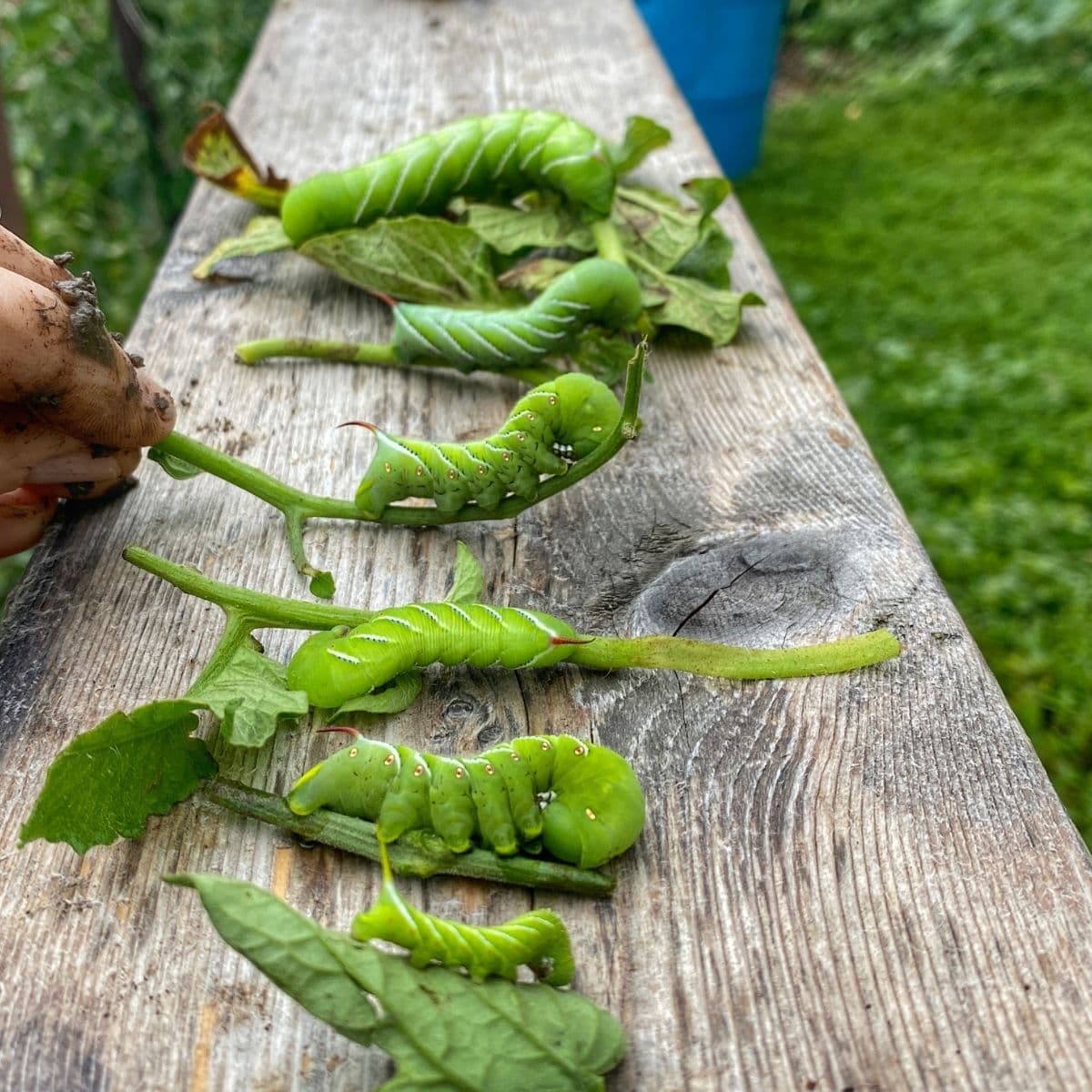
The simplest and most effective way to get rid of hornworms is hand-picking. This works well for small gardens or pots and does not harm beneficial insects.
How To Hand-pick Hornworms
- Check plants daily. Early morning and evening are best.
- Look under leaves and along stems. Hornworms hide well.
- Wear gloves if you prefer. They are harmless to touch.
- Remove hornworms and drop them in a bucket of soapy water.
- Repeat every day until you see no more.
Most gardeners can control hornworms with manual removal alone. For larger gardens, this may be more time-consuming, but it’s effective and safe.
Practical Tip: Use A Black Light
Hornworms glow slightly under UV light. At night, shine a black light on your plants to spot them easily. This trick is especially helpful in dense foliage or when hornworms are hard to see.
Natural Predators And Biological Control
Nature offers several solutions to hornworm problems. Encouraging or introducing beneficial insects helps keep hornworm numbers low without chemicals.
Common Natural Predators
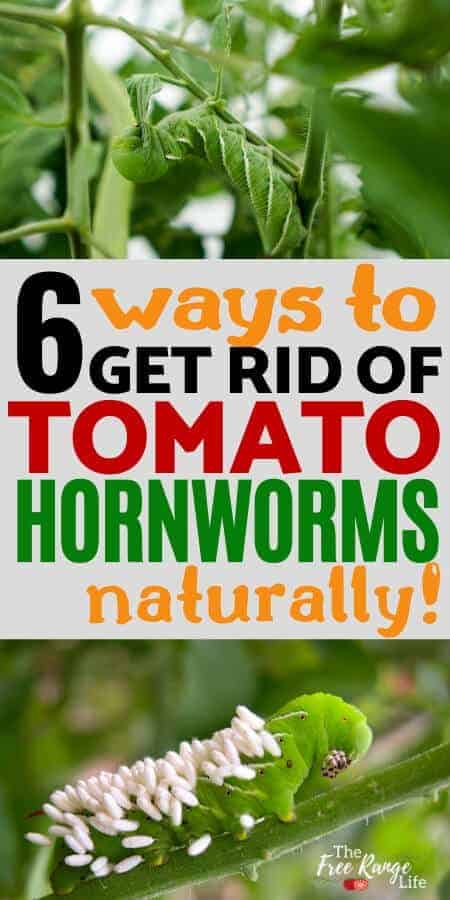
- Parasitic wasps: Tiny wasps lay eggs on hornworms. You’ll see white cocoons on their backs. Leave these hornworms; the wasps will kill them.
- Ladybugs and lacewings: They eat hornworm eggs and small caterpillars.
- Birds: Many birds feed on hornworms if you let them visit your garden.
If you see hornworms with white cocoons, do not remove them. The wasps inside will kill the hornworm and spread, protecting your plants.
How To Attract Beneficial Insects
- Grow flowers like dill, fennel, and marigold near tomatoes.
- Avoid broad-spectrum insecticides, which kill helpful insects.
- Provide water sources and shelter for birds.
Biological control is not instant, but it builds long-term protection. Many organic gardeners rely on this method for sustainable pest management.
Organic And Chemical Control Methods
Sometimes, manual and biological control are not enough. If hornworm numbers are high, you may need organic sprays or, as a last resort, chemical insecticides.
Organic Options
- Bacillus thuringiensis (Bt): A natural bacteria that kills hornworms. Bt is safe for humans, pets, and most beneficial insects. Spray it on leaves. Hornworms eat the treated leaves and die within days.
- Neem oil: Disrupts hornworm feeding and growth. Mix and spray according to label directions.
These options work well if you have repeated infestations. Bt is especially popular because it targets caterpillars without harming bees.
Chemical Insecticides
If organic options fail, consider chemical insecticides. Choose products labeled for tomato hornworm control, such as spinosad or pyrethrin.
Important: Use chemicals sparingly. Follow instructions exactly. Overuse can harm beneficial insects and pollinators.
Comparing Organic And Chemical Controls
Here’s a quick comparison of effectiveness and safety:
| Method | Effectiveness | Safety for Beneficials | Speed |
|---|---|---|---|
| Hand-picking | Very high | Very safe | Immediate |
| Bacillus thuringiensis (Bt) | High | Safe | 2-3 days |
| Chemical insecticides | High | Low | 1 day |
Whenever possible, start with manual or organic methods before using chemicals.
Preventing Hornworm Infestations
Prevention makes hornworm problems much easier to handle. Here are proven strategies:
Crop Rotation
Move tomatoes and nightshade plants to a different spot each year. Hornworms overwinter in soil, so rotating crops breaks their life cycle.
Healthy Soil
Hornworms prefer stressed plants. Keep soil healthy by adding compost and watering regularly. Strong plants resist pests better.
Mulching
Use mulch to cover soil around tomato plants. Mulch discourages moths from laying eggs and keeps soil moist.
Row Covers
Install lightweight fabric covers over young plants. Covers prevent moths from reaching leaves and laying eggs. Remove covers when plants flower, so bees can pollinate.
Remove Weeds
Nightshade weeds (like jimsonweed) attract hornworms. Keep your garden weed-free, especially near tomatoes.
Clean Up At Season’s End
After harvest, remove old plant material and till the soil. This destroys hornworm pupae and reduces problems next year.
Practical Insights
Many gardeners skip crop rotation and cleanup, thinking it’s not important. But hornworms often return where old plants remain. These steps are simple but highly effective.
Understanding The Hornworm Life Cycle
Knowing how hornworms develop helps you time your control methods for best results.
- Egg stage: Moths lay eggs on tomato leaves. Eggs are small, round, and pale green.
- Larval stage: Eggs hatch in 5-7 days. Caterpillars feed and grow for 2-3 weeks.
- Pupal stage: Mature hornworms burrow into soil and pupate. The pupae survive winter underground.
- Adult stage: Moths emerge in spring, lay eggs, and the cycle repeats.
Hornworm populations peak in midsummer. Checking plants often during this period helps you catch infestations early.
Common Mistakes In Hornworm Control
Many gardeners make mistakes that let hornworms return or worsen. Avoid these errors:
- Missing hidden hornworms: They hide under leaves or inside dense foliage. Always check all parts of the plant.
- Removing parasitized hornworms: If you see white cocoons, leave the hornworm. Wasps are protecting your plants.
- Overusing chemicals: Too much insecticide harms beneficial insects and pollinators.
- Ignoring prevention: Skipping rotation, mulching, or cleanup lets hornworms overwinter.
A careful, balanced approach works best. Manual removal, organic sprays, and prevention together keep your tomatoes safe.
Advanced Tips For Large Gardens
If you grow many tomatoes, hornworm control needs extra planning. Here are advanced strategies:
Scout Regularly
Divide your garden into sections. Check each section twice a week during peak hornworm season. Keep records of what you find.
Use Biological Products
Consider releasing Trichogramma wasps or using large-scale Bt sprays. These methods help in big gardens where hand-picking is less practical.
Monitor Soil
After harvest, dig up soil and look for hornworm pupae. Destroy pupae to reduce next year’s population.
Rotate Nightshade Crops
Switch between tomatoes, peppers, and non-nightshade crops each year. This confuses hornworm moths and limits egg-laying.
Practical Example
A commercial tomato grower in California reported using Bt sprays and Trichogramma wasps together. His hornworm losses dropped from 35% to less than 5% in one season.
Safe Disposal Of Hornworms
After removal, dispose of hornworms safely. Dropping them in soapy water kills them instantly. Do not throw them in compost, as some may survive. If you have chickens, hornworms make good feed.
Hornworm Damage Vs. Other Tomato Issues
Sometimes, tomato leaves look bad for reasons other than hornworms. Here’s how to tell:
- Yellow leaves: Usually a sign of nutrient problems, not hornworms.
- Brown spots: Often caused by disease or sunburn.
- Small holes: Usually from flea beetles or other small pests.
Hornworm damage is unique: big chunks missing, bare stems, and large caterpillars.
Real-world Success Stories
Many gardeners have faced hornworm invasions and succeeded. Here are two examples:
- Urban gardener: Grew tomatoes in pots, noticed chewed leaves. Started checking daily, hand-picked hornworms, and added marigolds. Hornworms disappeared in one week.
- Backyard grower: Had a large garden, used Bt spray and crop rotation. Saw fewer hornworms each year. Now relies mostly on hand-picking and beneficial insects.
These stories show that simple actions—regular checks and manual removal—work for most cases. Prevention and biological control build long-term protection.
Pros And Cons Of Hornworm Control Methods
Each method has strengths and weaknesses. Here’s a quick summary:
| Method | Pros | Cons |
|---|---|---|
| Hand-picking | Safe, immediate, no chemicals | Time-consuming for large gardens |
| Bacillus thuringiensis (Bt) | Targeted, safe for beneficials | Requires repeat application |
| Chemical insecticides | Fast, effective | Harmful to beneficials, risk of resistance |
| Biological control | Long-term, sustainable | Slow to start, needs planning |
| Crop rotation | Reduces overwintering | Not always possible in small spaces |
Choose a mix of methods that fits your garden size and style.
How Climate And Location Affect Hornworm Problems
Hornworms are more common in warm climates. States like Texas, Florida, and California report frequent infestations. Cooler regions have fewer hornworms, but they can still appear in summer.
Urban gardens may see fewer hornworms, but container plants are not immune. Rural and suburban areas near wild nightshade plants (like weeds) face higher risk.
Tip: If your region has mild winters, hornworm pupae survive easily. Cleanup and crop rotation are even more important.
Non-obvious Insights For Beginners
Many new gardeners miss these points:
- Hornworms sometimes eat fruit: While rare, large hornworms can chew on ripe tomatoes. Check fruit closely if leaves are heavily damaged.
- Parasitic wasp cocoons mean fewer hornworms next year: Leaving parasitized hornworms helps build natural protection. Removing them interrupts the cycle.
- Hornworms can return after rain: Heavy rain can wash away Bt or neem oil. Reapply after storms for continued protection.
Credit: thefreerangelife.com
Summary: Step-by-step Hornworm Removal
Here’s a simple step-by-step plan for getting rid of hornworms:
- Inspect plants daily—look for chewed leaves, droppings, and hornworms.
- Hand-pick hornworms—remove and dispose in soapy water.
- Encourage beneficial insects—plant flowers, avoid broad insecticides.
- Use organic sprays (Bt or neem) if infestations continue.
- Rotate crops and clean up after the season ends.
- Monitor regularly during peak summer months.
Following these steps keeps your tomatoes healthy and reduces hornworm problems year after year.
Frequently Asked Questions
What Is The Best Way To Find Hornworms On Tomato Plants?
The most effective method is to check plants early in the morning or late evening. Look under leaves and along stems for large green caterpillars. Hornworms glow slightly under UV light, so using a black light at night can help spot hidden ones.
Should I Remove Hornworms With White Cocoons On Their Backs?
No, leave these hornworms. The cocoons are from parasitic wasps, which will kill the hornworm and help control future infestations. Removing them interrupts the natural pest control cycle.
Is It Safe To Use Chemical Insecticides On Tomatoes?
Chemical insecticides can be used, but only as a last resort. They may harm beneficial insects and pollinators. Always follow label instructions and choose products specifically for tomato hornworms. Organic options like Bt are safer for most gardens.
Can Hornworms Survive In Compost?
Yes, hornworm pupae may survive in compost if not killed. Dispose of removed hornworms in soapy water or feed them to chickens. Do not compost live hornworms or pupae.
How Can I Prevent Hornworms Next Season?
Use crop rotation, mulch, row covers, and garden cleanup after harvest. Plant flowers to attract beneficial insects. Regular inspections during peak months and healthy soil also reduce hornworm risk.
—
Controlling hornworms doesn’t need to be complicated. With regular checks, manual removal, and a few preventive steps, you can protect your tomato plants and enjoy a strong harvest. Remember, nature offers help through beneficial insects and good gardening habits. By combining these methods, you’ll keep hornworms away and grow healthier tomatoes year after year. For more scientific details on hornworm biology, visit Wikipedia.
Credit: simplifylivelove.com