
Many people love to have a beautiful lawn. But, have you thought about its impact on local wildlife? Lawn care can affect birds, insects, and animals.
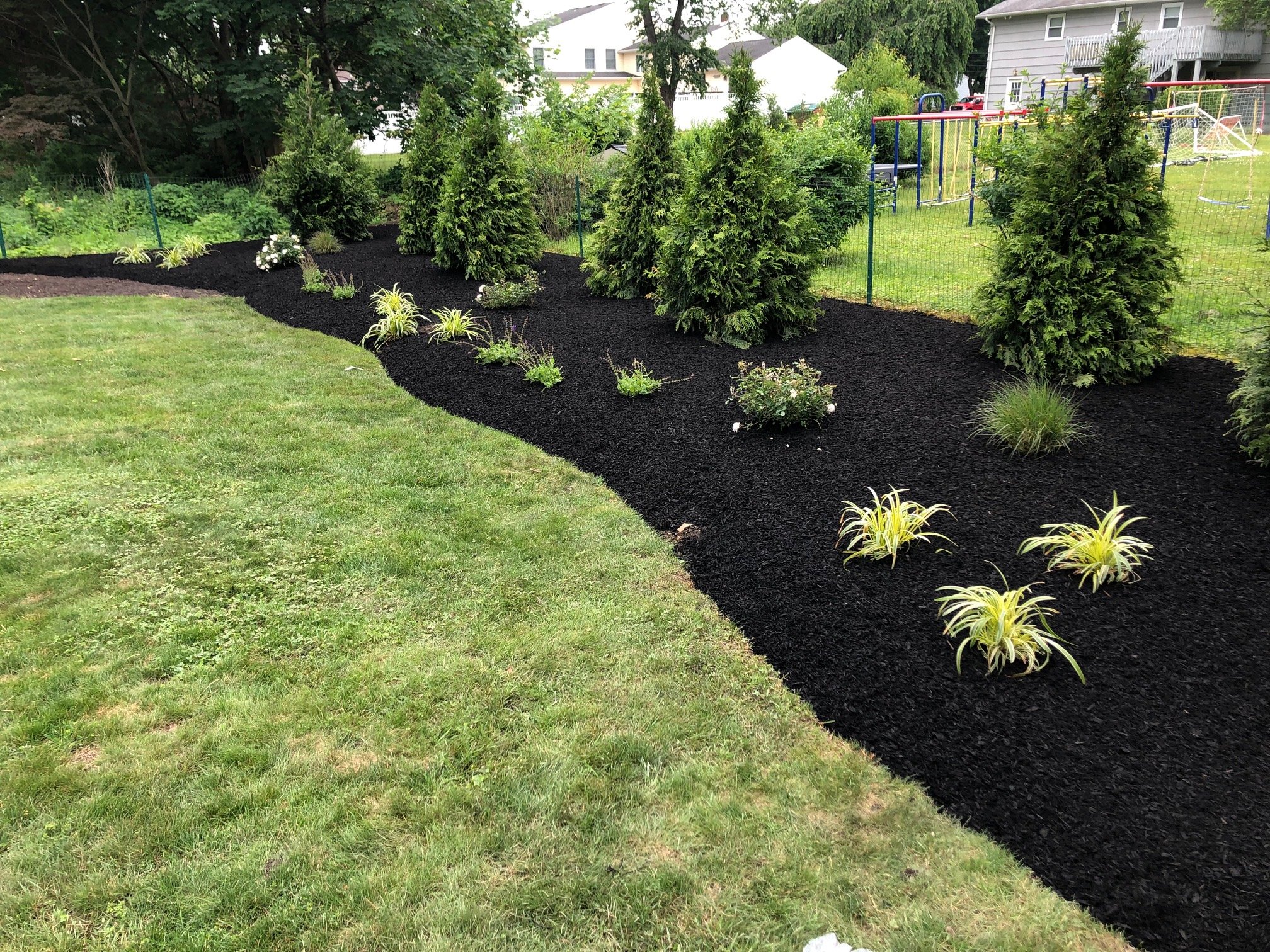
Credit: www.greennature.net
Why Lawns Are Important
Lawns are more than just grass. They are homes for many creatures. A healthy lawn can support many animals and insects. But, poor lawn care can harm them.
The Use of Pesticides
Pesticides are chemicals used to kill pests. They can be harmful to wildlife. Birds eat insects that have been poisoned. This can make them sick or even kill them.
Some pesticides can stay in the soil for a long time. This means they can keep harming animals long after they are used.
Impact on Bees and Butterflies
Bees and butterflies are important. They help plants grow by moving pollen from one flower to another. Pesticides can kill them. This can hurt the plants that need them to grow.
The Effect of Fertilizers
Fertilizers help grass grow. But, they can also harm wildlife. When it rains, fertilizers can wash into streams and rivers. This can hurt fish and other water animals.
Too much fertilizer can also cause algae to grow in the water. This can make the water unhealthy for fish and other animals.
Using Lawn Mowers
Lawn mowers can be dangerous to small animals. They can hurt or kill animals that live in the grass. Before mowing, it is good to check for animals in the grass.
Lawn mowers also make noise. This can scare birds and other animals. They may leave the area because of the noise.
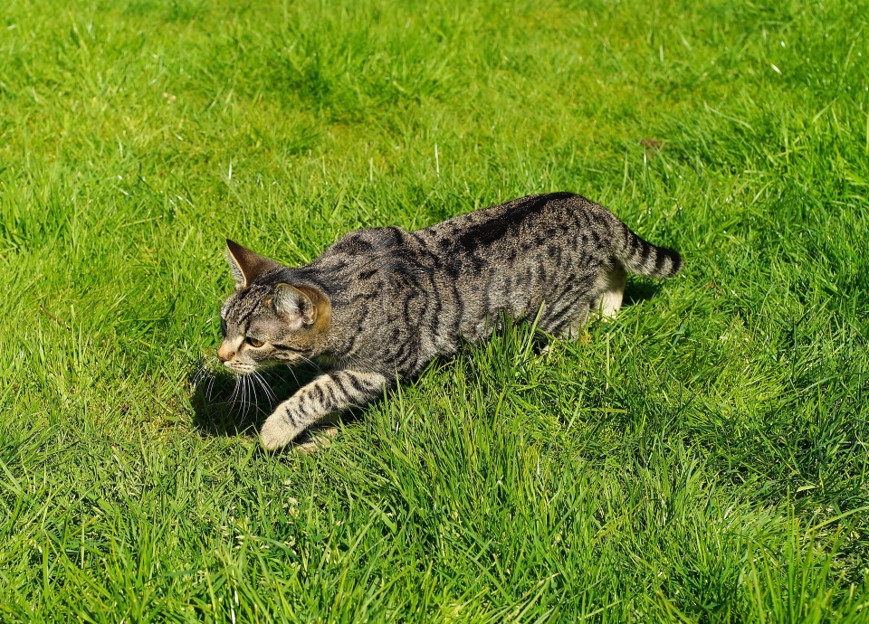
Credit: veteducation.com
Creating a Wildlife-Friendly Lawn
You can have a beautiful lawn and help wildlife too. Here are some tips:
- Use organic fertilizers. They are safer for animals.
- Avoid using pesticides. Try natural ways to control pests.
- Leave some areas of your lawn uncut. This gives animals a place to live.
- Plant native flowers. They provide food for bees and butterflies.
- Provide water. A small pond can help birds and other animals.
The Role of Native Plants
Native plants are plants that grow naturally in your area. They are good for local wildlife. These plants need less water and care. They also provide food and shelter for animals.
Planting native plants can make your lawn more wildlife-friendly. It can also save you time and money on lawn care.
Composting
Composting is a great way to help wildlife. It turns kitchen scraps and yard waste into rich soil. This soil can help your plants grow.
Composting also reduces the need for chemical fertilizers. This can make your lawn safer for animals.
Water Conservation
Using less water is good for the environment. It is also good for wildlife. Over-watering can wash chemicals into streams and rivers. This can harm fish and other water animals.
Using a rain barrel can help. It collects rainwater that you can use to water your lawn. This saves water and helps animals.
Frequently Asked Questions
How Does Lawn Care Affect Wildlife?
Lawn care can impact local wildlife by altering habitats and food sources, potentially harming beneficial species.
Can Fertilizers Harm Local Wildlife?
Yes, fertilizers can harm wildlife by contaminating water sources and disrupting natural ecosystems.
Are Pesticides Safe For Backyard Animals?
Pesticides can be toxic to backyard animals, affecting their health and survival.
Do Native Plants Benefit Local Wildlife?
Native plants support local wildlife by providing natural habitats and food sources.
Conclusion
In conclusion, lawn care has a big impact on local wildlife. Using pesticides and fertilizers can harm birds, insects, and animals. Lawn mowers can also be dangerous.
But, there are ways to have a beautiful lawn and help wildlife. Using organic fertilizers, avoiding pesticides, and planting native plants can all help. Composting and conserving water are also good ideas.
With a little effort, you can make your lawn a safe place for local wildlife. This can help keep the environment healthy and beautiful.
Additional Resources
For more information, you can visit these websites:
| Website | Description |
|---|---|
| National Wildlife Federation | Learn how to create a wildlife-friendly garden. |
| EPA Pesticides | Information on the safe use of pesticides. |
| Xerces Society | Learn about pollinator conservation. |