
Having a green, lush lawn is every homeowner’s dream. To achieve this, you need to follow the best practices for lawn fertilization. This guide will help you understand everything you need to know.

Credit: www.spring-green.com
Why Fertilize Your Lawn?
Fertilizing your lawn is crucial. It provides essential nutrients for grass growth. Fertilizers help maintain a healthy and vibrant lawn. They make your lawn more resistant to diseases and weeds.
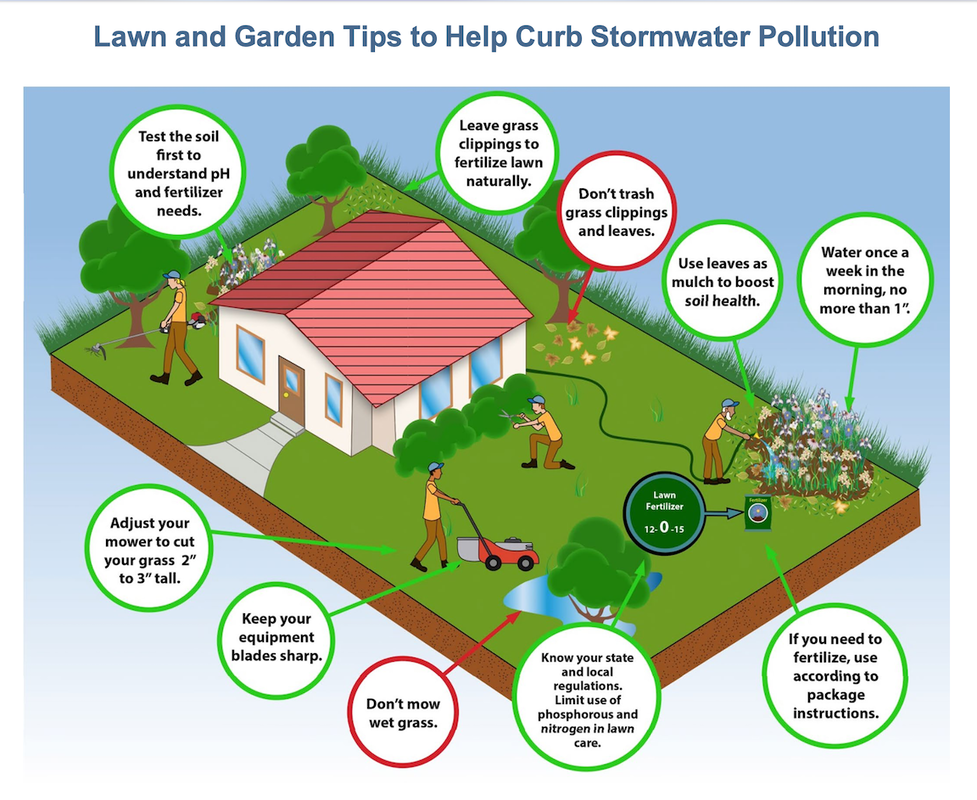
Credit: www.lakemassapoag.net
Types of Lawn Fertilizers
There are different types of fertilizers. Choosing the right one is important. Here are the main types:
| Type | Description |
|---|---|
| Organic Fertilizers | Made from natural materials. They improve soil structure. |
| Inorganic Fertilizers | Man-made products. They provide quick nutrient release. |
| Slow-Release Fertilizers | Nutrients release over time. They reduce the risk of over-fertilization. |
| Liquid Fertilizers | Applied with water. They offer quick absorption. |
When to Fertilize Your Lawn
Timing is crucial in lawn fertilization. Here are some guidelines:
- Spring: Apply fertilizer in early spring. It helps grass recover from winter.
- Summer: Use a slow-release fertilizer. It provides nutrients throughout the hot months.
- Fall: Fertilize in early fall. It prepares the lawn for winter.
How to Apply Fertilizer
Applying fertilizer correctly is essential. Here are the steps:
- Test Your Soil: Start by testing your soil. It helps you know what nutrients your lawn needs.
- Choose the Right Fertilizer: Select the appropriate fertilizer based on your soil test results.
- Use a Spreader: A spreader ensures even distribution of the fertilizer. It prevents over-fertilization in one spot.
- Water Your Lawn: Water your lawn after applying fertilizer. It helps the nutrients seep into the soil.
Common Lawn Fertilization Mistakes
Avoid these common mistakes to ensure a healthy lawn:
- Over-Fertilizing: Too much fertilizer can burn your grass. It can also harm the environment.
- Using the Wrong Fertilizer: Different lawns need different nutrients. Choose the right one based on your lawn’s needs.
- Ignoring the Season: Fertilizing at the wrong time can be ineffective. Follow the recommended schedule.
- Not Watering After Fertilizing: Watering helps the nutrients reach the roots. Always water your lawn after fertilizing.
Benefits of Proper Lawn Fertilization
Proper lawn fertilization offers numerous benefits. Here are some of them:
- Healthier Grass: Fertilized lawns are healthier. They can resist diseases and pests better.
- Greener Appearance: A well-fertilized lawn looks green and lush. It enhances the beauty of your home.
- Stronger Roots: Fertilizers strengthen the grass roots. This helps the lawn withstand harsh weather conditions.
- Improved Soil Quality: Organic fertilizers improve soil structure. They add essential microorganisms to the soil.
Environmentally Friendly Fertilization
It’s important to fertilize your lawn in an eco-friendly way. Here are some tips:
- Use Organic Fertilizers: Organic fertilizers are better for the environment. They are made from natural materials.
- Avoid Over-Fertilizing: Over-fertilization can lead to nutrient runoff. It can pollute nearby water sources.
- Follow the Instructions: Always follow the instructions on the fertilizer package. This ensures you use the right amount.
- Choose Slow-Release Fertilizers: Slow-release fertilizers reduce the risk of runoff. They release nutrients gradually.
Frequently Asked Questions
What Are The Best Months To Fertilize A Lawn?
Spring and fall are the best times for fertilization.
How Often Should You Fertilize Your Lawn?
Generally, fertilize your lawn every 6-8 weeks during the growing season.
What Type Of Fertilizer Is Best For Lawns?
Slow-release granular fertilizers are ideal for steady growth and health.
Should You Water After Fertilizing The Lawn?
Yes, watering helps the fertilizer absorb into the soil effectively.
Conclusion
Proper lawn fertilization is key to a healthy and beautiful lawn. Follow these best practices to ensure your lawn stays green and lush. Choose the right fertilizer, apply it at the right time, and avoid common mistakes. With these tips, you can enjoy a vibrant lawn all year round.