
Pruning helps your plants grow strong and healthy. It also makes your garden look beautiful. In this article, you will learn the best practices for garden pruning.
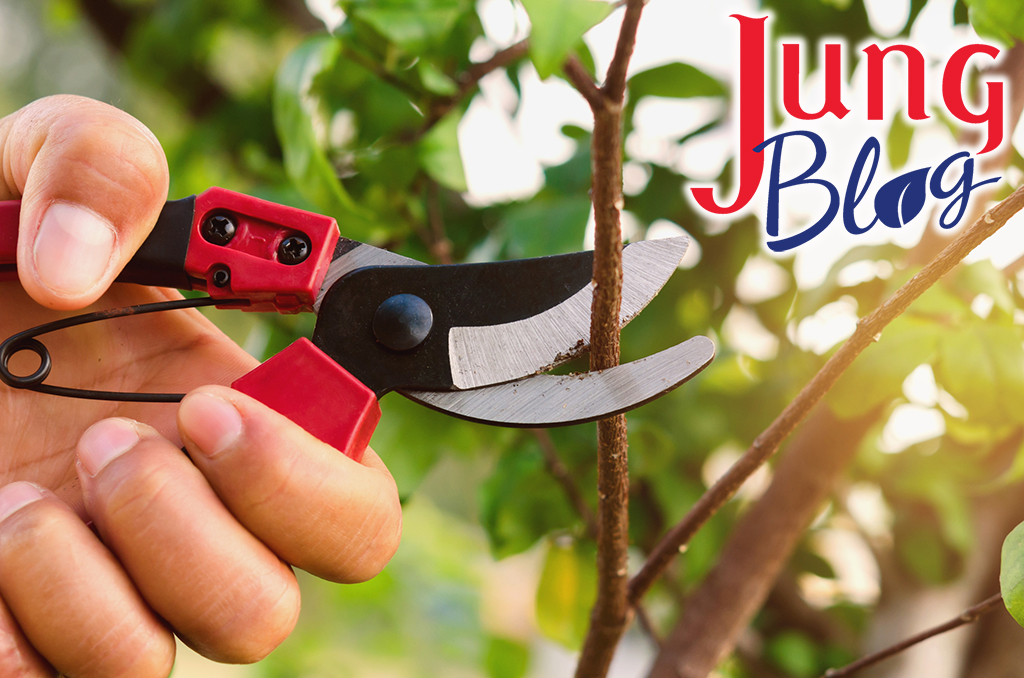
Credit: blog.jungseed.com
Why Pruning is Important
Pruning removes dead or diseased branches. It encourages new growth. It helps plants get more sunlight and air. This keeps plants healthy and strong.
Benefits Of Pruning
- Removes dead or diseased branches
- Encourages new growth
- Improves plant shape
- Increases sunlight and air circulation
- Promotes flowering and fruiting
When to Prune Your Plants
Knowing when to prune is important. Different plants need pruning at different times. Here are some general guidelines:
| Type of Plant | Best Time to Prune |
|---|---|
| Deciduous Trees | Late winter or early spring |
| Evergreen Trees | Late winter or early spring |
| Flowering Shrubs | After they bloom |
| Fruit Trees | Late winter |
Tools You Need for Pruning
Using the right tools makes pruning easier. Here are some tools you will need:
- Hand Pruners: For small branches and stems.
- Loppers: For thicker branches up to 2 inches.
- Pruning Saw: For large branches over 2 inches.
- Gloves: To protect your hands.
- Disinfectant: To clean your tools.
How to Prune Your Plants
Pruning is easy if you follow these steps:
Step 1: Remove Dead Or Diseased Branches
Look for branches that are dead or diseased. Cut them off at the base. This helps prevent the spread of disease.
Step 2: Thin Out The Plant
Remove some branches to let light and air in. This helps the plant grow better. Be careful not to remove too much.
Step 3: Shape The Plant
Trim the plant to give it a nice shape. Cut back branches that are too long. This makes the plant look neat.
:strip_icc()/gardening-tips-every-gardener-should-know-5650532-01-primary-44d38ee1ad42491f93c33cd2512eeb68.jpg)
Credit: www.bhg.com
Pruning Tips for Specific Plants
Pruning Roses
Roses need regular pruning. Cut back the old wood to encourage new growth. Remove any dead or diseased branches. Prune in late winter or early spring.
Pruning Fruit Trees
Fruit trees need pruning to produce good fruit. Remove branches that grow inward. Cut back long branches to encourage fruiting. Prune in late winter.
Pruning Shrubs
Shrubs need pruning to keep their shape. Remove any branches that are too long. Cut back old wood to encourage new growth. Prune after they bloom.
Common Mistakes to Avoid
Avoid these mistakes when pruning:
- Pruning at the wrong time
- Cutting too much at once
- Using dirty tools
- Not removing dead or diseased branches
- Not thinning out the plant
Frequently Asked Questions
What Is Garden Pruning?
Garden pruning is the process of trimming plants to remove dead or overgrown branches.
Why Is Pruning Important?
Pruning helps plants grow healthier by removing diseased or damaged parts, improving air circulation and sunlight exposure.
When Should I Prune My Garden?
Prune most plants in late winter or early spring before new growth starts.
What Tools Are Needed For Pruning?
Essential pruning tools include pruning shears, loppers, and a pruning saw for larger branches.
Conclusion
Pruning is important for healthy plants. It helps them grow strong and look beautiful. Follow these best practices for garden pruning. Your plants will thank you!