
Living near the coast has many perks. But, taking care of a lawn there can be tricky. The salty air and sandy soil present challenges. Here are some tips to help you maintain a healthy lawn in coastal regions.
Credit: www.organix-agro.com
Choose the Right Grass
The first step is to choose the right grass. Not all grasses can handle salty air and sandy soil. Here are some grasses that do well in coastal areas:
- St. Augustine Grass: This grass is very salt-tolerant. It grows well in sandy soil.
- Zoysia Grass: Zoysia is hardy and can handle salty air. It also needs less water.
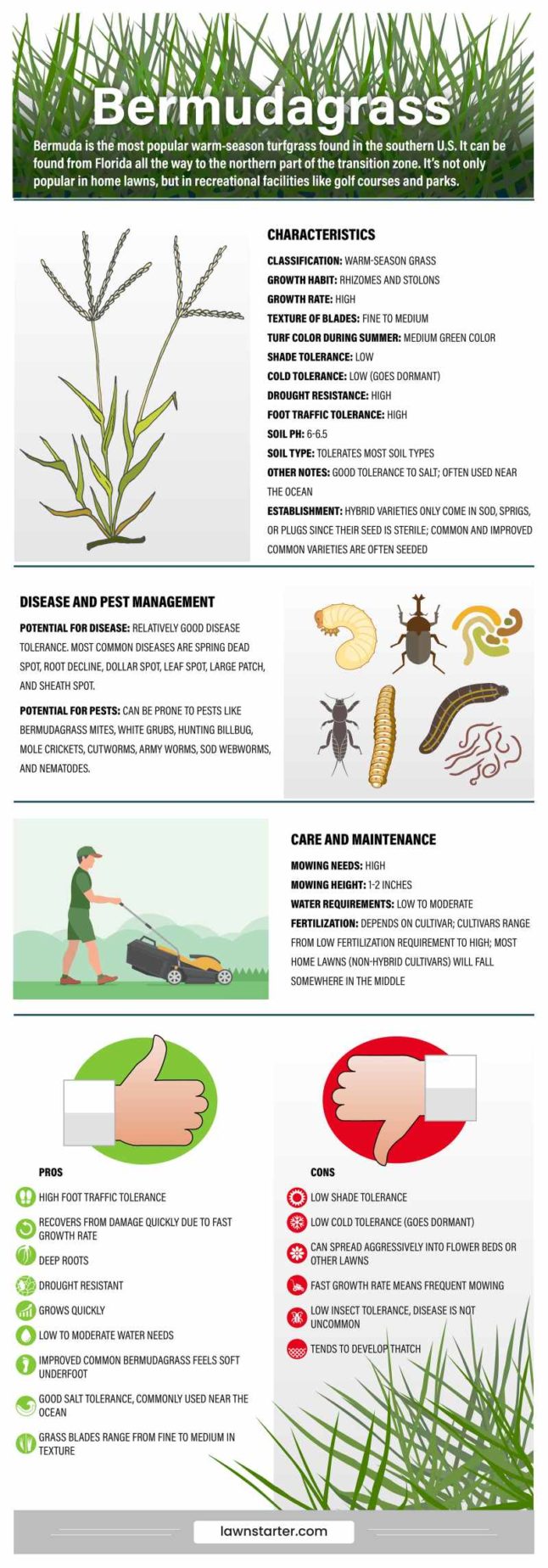
- Bermuda Grass: Bermuda is tough and grows fast. It can handle sandy soils.
Water Wisely
Watering your lawn is crucial, especially in coastal regions. The sandy soil drains water quickly. Here’s how you can water wisely:
- Early Morning: Water your lawn early in the morning. This reduces evaporation.
- Deep Watering: Water deeply but less often. This helps roots grow deep.
- Avoid Overwatering: Too much water can wash away nutrients. It can also lead to fungus.
Fertilize Carefully
Fertilizing helps your lawn stay green and healthy. But, too much can harm the environment. Follow these tips for fertilizing in coastal regions:
- Use Slow-Release Fertilizers: These release nutrients over time. They reduce the risk of runoff.
- Avoid Heavy Rains: Don’t fertilize before heavy rains. The rain can wash away the fertilizer.
- Organic Options: Consider using organic fertilizers. They are better for the environment.
Credit: www.lawnstarter.com
Mow Properly
Mowing your lawn the right way is very important. It helps your grass grow strong and healthy. Here are some mowing tips:
- Keep it High: Don’t cut the grass too short. Taller grass is stronger and can handle stress better.
- Sharp Blades: Make sure your mower blades are sharp. Dull blades can tear the grass.
- Change Directions: Change your mowing direction each time. This helps the grass grow upright.
Dealing with Weeds
Weeds can be a big problem in coastal lawns. They compete with your grass for nutrients and water. Here’s how you can control weeds:
- Pre-Emergent Herbicides: Use these before weeds appear. They stop weed seeds from germinating.
- Hand Pulling: Pull weeds by hand. Make sure to remove the roots.
- Mulching: Use mulch in garden beds. It helps prevent weed growth.
Soil Health
Sandy soil is common in coastal areas. It drains quickly and can lack nutrients. Improving soil health is key:
- Compost: Add compost to your soil. It improves soil structure and adds nutrients.
- Mulch: Use mulch to retain moisture in the soil. It also adds organic matter.
- Soil Testing: Test your soil regularly. It helps you understand what nutrients are needed.
Dealing with Salt
Salt can damage your lawn. It can cause the grass to turn brown and die. Here are some ways to manage salt:
- Rinse with Fresh Water: Rinse your lawn with fresh water after a storm. It helps wash away the salt.
- Gypsum: Apply gypsum to the soil. It can help neutralize salt.
- Salt-Tolerant Plants: Plant salt-tolerant plants around the lawn. They can act as a buffer.
Protect from Wind
Coastal areas can be very windy. Strong winds can dry out your lawn. Here are some tips to protect your lawn from wind:
- Windbreaks: Plant trees or shrubs as windbreaks. They can help reduce wind speed.
- Fences: Install fences around your lawn. They can also act as windbreaks.
- Dense Planting: Plant grasses and plants closer together. It helps reduce wind impact.
Pest Control
Pests can be a problem in coastal lawns. They can damage your grass and plants. Here are some tips for pest control:
- Natural Predators: Encourage natural predators. Birds and beneficial insects can help control pests.
- Organic Pesticides: Use organic pesticides. They are safer for the environment.
- Healthy Lawn: Keep your lawn healthy. A strong lawn can resist pests better.
Regular Maintenance
Regular maintenance is key to a healthy lawn. Here are some tasks you should do regularly:
- Aeration: Aerate your lawn once a year. It helps improve soil structure.
- Overseeding: Overseed your lawn in the fall. It helps fill in bare spots.
- Leaf Removal: Remove leaves and debris regularly. It prevents them from smothering the grass.
Frequently Asked Questions
How Do Coastal Climates Affect Lawn Care?
Coastal climates often mean salty air and sandy soil. These conditions require specific lawn care strategies.
What Grass Types Thrive In Coastal Areas?
Bermuda grass and Zoysia grass are excellent choices. They tolerate salt and sandy soil well.
How Often Should I Water My Coastal Lawn?
Watering deeply once or twice a week is ideal. This encourages deep root growth.
Should I Use Special Fertilizers For Coastal Lawns?
Yes, use fertilizers designed for sandy soils. They provide essential nutrients that sandy soils often lack.
Conclusion
Taking care of a lawn in coastal regions can be challenging. But, with the right tips, you can have a beautiful and healthy lawn. Choose the right grass, water wisely, and maintain your soil health. Follow these tips and enjoy a lush, green lawn year-round.