
Heavy rain can leave your lawn looking messy. However, with the right care, you can make it beautiful again. Here are some simple tips for lawn care after heavy rain.
1. Wait for the Water to Drain
After heavy rain, your lawn may be flooded. Do not walk on the wet lawn. Wait for the water to drain. Walking on a wet lawn can damage the grass. It can also compact the soil. This makes it hard for grass roots to grow.
2. Remove Debris
Heavy rain can bring debris to your lawn. Remove sticks, leaves, and other debris. This helps your grass to breathe. It also prevents diseases from spreading.
3. Check for Puddles
After the water drains, check for puddles. Puddles mean poor drainage. You may need to fix the drainage problem. You can add topsoil or sand to low areas. This helps water to drain better.
4. Aerate the Lawn
Aeration helps to relieve soil compaction. It also improves water and air flow to the grass roots. You can use a garden fork or an aerator tool. Poke holes in the soil to allow better air and water flow.

Credit: executivelawncare.net
5. Add Grass Seed
Heavy rain can wash away grass seed. You may need to reseed bare spots. Choose a grass seed that matches your lawn type. Spread the seed evenly over bare spots. Water the new seed lightly.
6. Fertilize Carefully
Heavy rain can wash away nutrients from the soil. You may need to fertilize your lawn. Choose a slow-release fertilizer. This helps the grass to grow strong. Do not over-fertilize. This can harm the grass and the environment.
7. Mow When Dry
Do not mow a wet lawn. Wait until the grass is dry. Wet grass can clog your mower. It can also spread diseases. Mow your lawn to the right height. This helps the grass to stay healthy.
8. Watch for Fungus
Heavy rain can cause lawn fungus. Look for brown patches or mold. If you see fungus, treat it quickly. Use a fungicide to stop the spread. Follow the instructions on the label.
9. Improve Soil Health
Healthy soil helps your lawn recover from heavy rain. Add compost or organic matter to the soil. This improves soil structure and drainage. It also adds nutrients to the soil.
10. Water Wisely
After heavy rain, your lawn may not need water for a while. Check the soil moisture before watering. Water deeply but less often. This helps grass roots to grow deep and strong.
Frequently Asked Questions
How To Prevent Lawn Damage After Heavy Rain?
Ensure proper drainage and aerate the soil to prevent waterlogging and root rot.
What To Do For A Flooded Lawn?
Remove standing water with a pump or manually. Aerate the soil to facilitate drying and prevent root damage.
When To Mow After Heavy Rain?
Wait until the grass is completely dry to avoid damaging the lawn and compacting the soil.
Can Heavy Rain Cause Lawn Diseases?
Yes, prolonged wet conditions can lead to fungal diseases. Ensure proper drainage and monitor for signs of disease.
Conclusion
Heavy rain can be tough on your lawn. But with these tips, you can keep it healthy and beautiful. Remember to be patient and gentle with your lawn. It will recover with time and care.
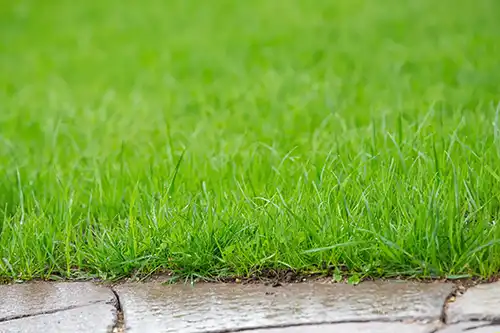
Credit: www.flapest.com
Quick Tips Summary
- Wait for water to drain
- Remove debris
- Check for puddles
- Aerate the lawn
- Add grass seed
- Fertilize carefully
- Mow when dry
- Watch for fungus
- Improve soil health
- Water wisely
FAQs
| Question | Answer |
|---|---|
| How long should I wait to walk on my lawn after heavy rain? | Wait until the water drains and the soil is firm. |
| Can I mow my lawn while it’s wet? | No, wait until the grass is dry to mow. |
| What should I do if I see fungus on my lawn? | Use a fungicide and follow the label instructions. |
By following these tips, you can ensure your lawn remains lush and green even after heavy rain. Happy gardening!