
Learn how to treat lawn rust effectively. Follow these simple steps to keep your lawn green and healthy.
What is Lawn Rust?
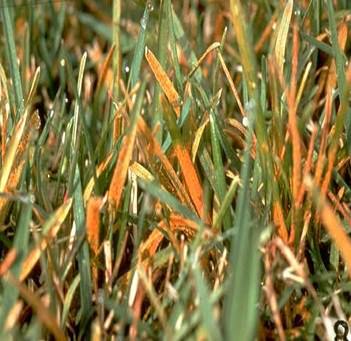
Lawn rust is a common fungal disease. It affects the grass on your lawn. You can identify it by its orange or yellow powdery spots. These spots appear on grass blades. Lawn rust makes your lawn look unhealthy. It can also weaken the grass.
Causes of Lawn Rust
Lawn rust is caused by a fungus. The fungus thrives in certain conditions. Here are some common causes:
- High Humidity: The fungus loves wet conditions.
- Low Nitrogen Levels: Grass needs nitrogen to stay healthy.
- Shade: Grass in shady areas is more prone to rust.
- Poor Air Circulation: Lack of wind can promote fungus growth.

Credit: m.youtube.com
Signs of Lawn Rust
You can spot lawn rust easily. Here are the signs:
- Discolored Grass: Grass blades turn yellow or orange.
- Powdery Substance: Orange or yellow powder on grass blades.
- Thinning Grass: Grass becomes thin and weak.
- Slow Growth: Grass grows slower than usual.
How to Treat Lawn Rust
Treating lawn rust is easy. Follow these steps to keep your lawn healthy:
1. Improve Air Circulation
Good air circulation helps prevent fungus growth. Trim overgrown bushes and trees. This allows more air to reach the grass.
2. Water Properly
Water your lawn in the morning. This allows the grass to dry during the day. Avoid watering in the evening. Wet grass at night promotes fungus growth.
3. Mow Your Lawn
Mow your lawn regularly. Keep the grass at the right height. This helps the grass stay strong. Remove clippings to prevent fungus spread.
4. Fertilize Your Lawn
Use a balanced fertilizer. Grass needs nutrients to stay healthy. Fertilize your lawn in the spring and fall. This helps the grass fight off fungus.
5. Apply Fungicide
If lawn rust persists, use a fungicide. Follow the instructions on the label. Apply the fungicide evenly. This will help get rid of the fungus.
Credit: www.myhometurf.com.au
Preventing Lawn Rust
Preventing lawn rust is easier than treating it. Here are some tips to keep your lawn rust-free:
1. Choose Rust-resistant Grass
Some grass types are more resistant to rust. Choose rust-resistant grass for your lawn. This will help prevent lawn rust.
2. Aerate Your Lawn
Aerate your lawn once a year. This improves soil drainage. It also promotes healthy root growth. Healthy grass is less prone to rust.
3. Maintain Your Lawn Tools
Keep your lawn tools clean. Dirty tools can spread fungus. Clean your mower blades and other tools regularly.
4. Avoid Overwatering
Overwatering can promote fungus growth. Water your lawn only when needed. Ensure good drainage to prevent waterlogging.
5. Monitor Your Lawn
Check your lawn regularly. Look for signs of lawn rust. Early detection makes treatment easier.
FAQs about Lawn Rust
| Question | Answer |
|---|---|
| Can lawn rust harm pets? | No, lawn rust is not harmful to pets. |
| How long does it take to treat lawn rust? | It can take a few weeks to see improvement. |
| Is lawn rust common? | Yes, lawn rust is common in humid areas. |
| Can I use household items to treat lawn rust? | No, it’s best to use proper lawn care products. |
Frequently Asked Questions
What Is Lawn Rust?
Lawn rust is a fungal disease causing orange-red powder on grass.
How Does Lawn Rust Affect Grass?
Lawn rust weakens grass, making it more susceptible to other diseases and pests.
What Causes Lawn Rust?
Lawn rust is caused by a combination of moisture, poor air circulation, and low nitrogen levels.
Can Lawn Rust Spread To Other Plants?
No, lawn rust only affects grasses and does not spread to other plant types.
Conclusion
Treating lawn rust is important for a healthy lawn. Follow the steps above to keep your grass green and strong. Remember to prevent lawn rust by maintaining your lawn. Choose rust-resistant grass, aerate your lawn, and avoid overwatering. Regular monitoring and proper care will keep your lawn looking its best.