

Last updated: October 2026 · Written by the LawnVibe editorial team.
Every lawn has its battlegrounds: the path to the back gate, the spot under the swing set, the dog's patrol route along the fence and the patch where the kids play soccer. These high-traffic areas wear thin fastest, and ordinary grass seed often cannot keep up. Choosing the best grass seed for high traffic areas means picking grass types bred for wear tolerance and suited to your climate, then giving them the right conditions to establish. The lawn grasses that handle wear best differ between cool and warm regions.
Our picks are based on published product information and turfgrass guidance from university extension services, not on hands-on testing. For a broader look at seed options, see our guide to the best grass seed.
Our Top Picks

Jonathan Green Black Beauty Ultra Grass Seed, 25 lb
Best for: Cool-season lawns with heavy foot traffic
A tall fescue-based mix that Jonathan Green markets for drought tolerance and dark green color.
- Deep-rooting tall fescue genetics
- Dark green color
- Good for sun and partial shade
- Slower to establish than ryegrass

X-Seed Pet Proof Fescue Grass Seed
Best for: Yards with pets and urine spots
A fescue blend marketed for dense growth in sun and shade and for resisting pet urine damage.
- Formulated for pet areas
- Sun and shade
- Pet damage still needs good care practices
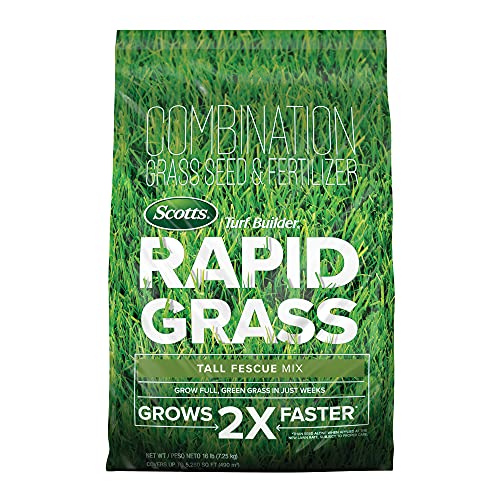
Scotts Turf Builder Rapid Grass Tall Fescue Mix, 16 lb
Best for: Quick fixes in worn spots
A seed and fertilizer combination that Scotts markets for fast establishment.
- Fast germination claims
- Includes fertilizer
- Coated seed means fewer seeds per pound

Scotts Turf Builder Grass Seed Sun and Shade Mix, 5.6 lb
Best for: Lawns with mixed sun and shade
A sun and shade blend with Scotts coating and starter nutrition for general overseeding.
- Versatile for mixed light
- Widely available
- Not the toughest for pure high traffic

Scotts Turf Builder Perennial Ryegrass Mix, 5.6 lb
Best for: Play areas needing fast cover
Perennial ryegrass germinates quickly and is widely used on sports fields for its wear tolerance.
- Very fast establishment
- Good wear tolerance
- Less heat and drought tolerant in the South
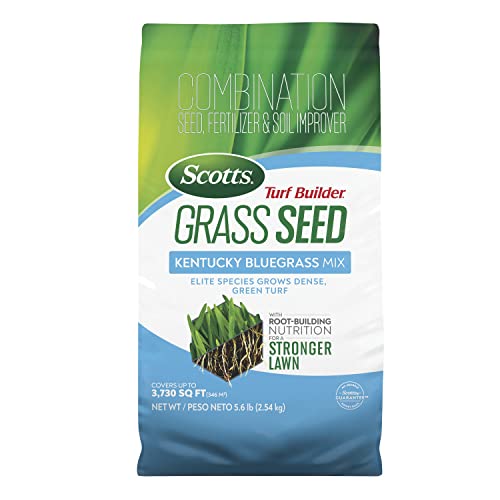
Scotts Turf Builder Kentucky Bluegrass Mix, 5.6 lb
Best for: Northern lawns with patches of wear
Kentucky bluegrass spreads by rhizomes, helping worn areas fill back in over time.
- Spreads to repair damage
- Fine, dense turf
- Slow to germinate
- Needs more water and sun
Comparison Table
| # | Product | Best for | Link |
|---|---|---|---|
| 1 | Jonathan Green Black Beauty Ultra Grass Seed, 25 lb | Cool-season lawns with heavy foot traffic | Check price |
| 2 | X-Seed Pet Proof Fescue Grass Seed | Yards with pets and urine spots | Check price |
| 3 | Scotts Turf Builder Rapid Grass Tall Fescue Mix, 16 lb | Quick fixes in worn spots | Check price |
| 4 | Scotts Turf Builder Grass Seed Sun and Shade Mix, 5.6 lb | Lawns with mixed sun and shade | Check price |
| 5 | Scotts Turf Builder Perennial Ryegrass Mix, 5.6 lb | Play areas needing fast cover | Check price |
| 6 | Scotts Turf Builder Kentucky Bluegrass Mix, 5.6 lb | Northern lawns with patches of wear | Check price |
A Closer Look at Each Pick
Jonathan Green Black Beauty, best overall. A tall fescue-based blend marketed for heavy use is the most dependable choice for cool-season backyards that see daily play.
X-Seed Pet Proof Fescue, best for dogs. Dogs combine wear with urine damage, and a mix designed for both is a practical repair choice.
Scotts Rapid Grass Tall Fescue Mix, fastest repair. Seed plus fertilizer for quick patch repairs.
Scotts Turf Builder with root nutrition, best all-round mix. A widely available general mix for moderately used lawns.
Scotts Perennial Ryegrass Mix, best ryegrass. Perennial ryegrass is a common choice for sports fields because it germinates quickly and tolerates wear. It is a good option for backyard play areas in cooler climates, though it is less heat tolerant than tall fescue.
Scotts Kentucky Bluegrass Mix, best self-repairing. Kentucky bluegrass spreads through underground rhizomes, so damaged spots can gradually fill in on their own. It is slow to establish and prefers full sun, so many homeowners mix it with tall fescue or ryegrass.
Which Grasses Handle Traffic Best?
In cool-season regions, three grasses stand out. Tall fescue has deep roots, tolerates heat and drought better than other cool-season grasses and holds up well to wear, though it fills in bare spots slowly because it grows in bunches. Kentucky bluegrass spreads by rhizomes, so it repairs itself after damage, but it establishes slowly and needs more water. Perennial ryegrass germinates very quickly and is highly wear tolerant, which is why it is used on sports fields, but it is less tolerant of heat and drought. Many durable blends combine these grasses.
In warm-season regions, Bermuda grass is the champion of wear tolerance and recovers rapidly thanks to its stolons and rhizomes, which is why it covers many sports fields in the South. Zoysia forms a dense, tough turf that handles wear well but recovers more slowly. St. Augustine and centipede are less wear tolerant.
Why High-Traffic Areas Fail
Foot traffic compacts soil, squeezing out air and making it hard for roots to grow and water to soak in. Grass blades are crushed and torn. Bare spots open up for weeds. In shaded or poorly drained areas, problems are worse. Simply throwing seed on compacted, bare soil rarely works; successful repair addresses compaction and soil conditions first.
How to Repair a High-Traffic Area
- Choose the right time. Late summer to early fall for cool-season grasses; late spring to early summer for warm-season grasses.
- Remove debris and weeds. Rake out dead grass and pull weeds.
- Relieve compaction. Core aerate the area, or loosen small patches with a garden fork.
- Improve the soil. Spread a thin layer of compost or quality topsoil and rake it in. Our guide to the best topsoil for lawn repair covers options.
- Seed generously. Use the patching or new-lawn rate on the label, which is higher than the overseeding rate.
- Rake lightly and firm. Cover seed lightly and press it into contact with the soil.
- Water consistently. Keep the top inch moist until germination, then water deeper and less often. See our guide on watering new grass seed.
- Protect the area. Rope off the area or use temporary fencing until the new grass is established.
Overseeding to Strengthen Traffic Areas
Even before areas go bare, regular overseeding keeps them thick. Aerate and overseed high-traffic zones every year or two in the right season. A denser lawn shades out weeds and spreads wear across more grass plants. Our guide on overseeding after aeration explains the process.
Managing Traffic While Grass Establishes
New seedlings are fragile. Redirect foot traffic with temporary fencing, stepping stones or a different route. Keep pets off seeded areas, using a temporary pen elsewhere if needed. Wait until new grass has been mowed several times before allowing normal use.
Long-Term Solutions for Constant Wear
If an area is always worn, consider changing how it is used. Install stepping stones or a gravel path along regular walking routes. Rotate play equipment positions each season. Use mulch or rubber surfacing under swings. Create a designated dog run with gravel or artificial turf. Grass is more likely to thrive when it is not asked to withstand constant concentrated wear.
Fertilizing and Mowing for Durability
Healthy, well-fed grass handles traffic better. Follow a fertilizer schedule suited to your grass type, avoiding heavy nitrogen in summer for cool-season grasses. Mow at the upper end of the recommended height range in high-traffic areas, as taller grass has deeper roots and more leaf area. Keep mower blades sharp.
Transition Zone Lawns
In the transition zone, the band across the middle of the United States where both cool- and warm-season grasses struggle at times, choosing high-traffic grass is especially tricky. Tall fescue is the most widely used option because it tolerates summer heat better than other cool-season grasses and stays green in winter. Some homeowners in warmer parts of the zone use Bermuda or zoysia, accepting winter dormancy in exchange for summer toughness. Local extension services publish variety trials that show which cultivars perform best in your area, which is worth checking before you buy.
Seed Quality and Labels
Not all seed bags are equal. Read the label for the percentage of each grass species, the germination rate, the percentage of weed seed and inert matter, and the test date. Higher-quality seed has more pure seed of named, improved varieties and very little weed seed. Avoid bags heavy in annual ryegrass if you want a permanent lawn, as it dies after a season. Coated seed includes a moisture-holding or fertilizer coating, which means fewer actual seeds per pound, so compare coverage rates rather than bag weight.
Dealing With Dog Urine Spots
Dog urine is high in nitrogen and salts, which burn grass and leave brown patches surrounded by dark green rings. Water the spot heavily right after your dog urinates to dilute it, train your dog to use a designated area with mulch or gravel, and keep your dog well hydrated. Repair dead spots by raking out the dead grass, flushing the soil with water, adding a little fresh soil and reseeding with a tolerant grass like tall fescue or perennial ryegrass. Supplements claiming to neutralize urine have limited evidence, so check with your veterinarian before using them.
Repairing Play Areas Under Swings and Goals
Areas under swings, at the bottom of slides and in front of soccer goals take the most concentrated wear. Grass rarely survives there in heavy use. Consider replacing these spots with rubber mulch, wood chips designed for playgrounds or rubber mats laid over the turf, which let some grass grow through. Move portable goals and play equipment every few weeks so wear is spread across the lawn rather than concentrated in one place.
Shade and High Traffic Together
Shaded areas that also get foot traffic are the hardest spots to keep grassy, because grass in shade grows more slowly and recovers less. Fine fescues tolerate shade but are not very wear tolerant, while tall fescue handles moderate shade and wear better. Thinning tree canopies to let in more light, raising the mowing height and reducing traffic all help. In deep shade with constant traffic, a path, mulch or shade-tolerant groundcover may be a better solution than grass.
Establishment Timeline
Different grasses germinate at different speeds. Perennial ryegrass can sprout within about a week in good conditions, tall fescue in one to two weeks and Kentucky bluegrass in two to four weeks. Bermuda seed needs warm soil and typically germinates within one to three weeks in summer. Full establishment takes much longer: allow at least a couple of months before heavy traffic returns. Planning repairs around your family's schedule, such as seeding play areas in early fall after summer activities wind down, gives grass the time it needs.
Watering Through Establishment
Consistent moisture is the single most important factor for new seed. Water lightly once or twice a day so the top inch of soil stays moist until seedlings appear, then gradually water less often but more deeply to encourage deep roots. A hose timer makes this routine far easier. Avoid heavy watering that washes seed away on slopes.
Mowing New Grass
Mow new grass for the first time when it reaches about a third taller than your target height, using a sharp blade and dry conditions. Avoid sharp turns that can pull up young plants. Gradually return to your normal mowing schedule, and keep the height on the high side for durability.
Using Starter Fertilizer
New seedlings benefit from a starter fertilizer applied at seeding, which typically contains phosphorus and nitrogen to support early root and leaf growth. Some regions restrict phosphorus use on lawns, so check local rules and use a soil test to guide applications. Seed-and-feed products combine both steps but may not provide the ideal rate for every soil. Follow label rates carefully to avoid burning young grass.
Budget Tips for Repairing Worn Lawns
Buying quality seed in the right quantity is more economical than repeatedly patching with cheap seed that fails. Focus repairs on the worst areas first, and overseed the rest of the lawn in stages over a few seasons. Renting a core aerator with a neighbor splits the cost. Compost from your own pile or a municipal program can replace bagged topsoil for topdressing.
Common Mistakes
Common mistakes include seeding compacted soil without aeration, seeding at the wrong time of year, using shade mixes in sunny play areas, letting new seed dry out, allowing traffic too soon and choosing grass types unsuited to your climate.
How Much Seed Do You Need?
Seed bags list two rates: a higher rate for new lawns or bare patches and a lower rate for overseeding thin turf. Measure the area in square feet and use the new-lawn rate for completely bare high-traffic spots, because they need dense coverage to fill in before weeds move in. Buy a little extra so you can touch up any patches that fail to germinate in the first few weeks.
The Bottom Line on the Best Grass Seed for High Traffic
For cool-season backyards that get heavy use, a tall fescue-based blend like Jonathan Green Black Beauty is the most reliable choice. X-Seed Pet Proof Fescue suits dog-heavy yards, Scotts Rapid Grass is handy for fast patch repairs and Scotts Turf Builder works for general overseeding. In warm regions, Bermuda and zoysia are the most wear-tolerant options. Aerate, improve the soil, seed at the right time, water consistently and protect new grass until it establishes.
Frequently Asked Questions
What grass type holds up best to foot traffic?
Among cool-season grasses, tall fescue, Kentucky bluegrass and perennial ryegrass are the most wear tolerant. In warm regions, Bermuda grass and zoysia handle heavy traffic very well.
Is there a grass seed that is dog proof?
No grass is completely dog proof, but tall fescue and perennial ryegrass tend to tolerate urine and wear better than many others. Watering urine spots helps.
When should I seed high-traffic areas?
For cool-season grasses, late summer to early fall is best, with spring as a second option. For warm-season grasses, late spring to early summer.
How long should I keep traffic off newly seeded areas?
Keep traffic off until the new grass has been mowed at least three or four times, usually six to eight weeks after germination.
Should I aerate before seeding a high-traffic area?
Yes. High-traffic areas are usually compacted. Core aeration before seeding improves seed-to-soil contact and root growth.