
A beautiful lawn can make your home look lovely. But maintaining it can be hard. Many people use chemicals to keep their lawn green. This can harm the environment. Instead, let’s learn how to create a natural lawn care routine.
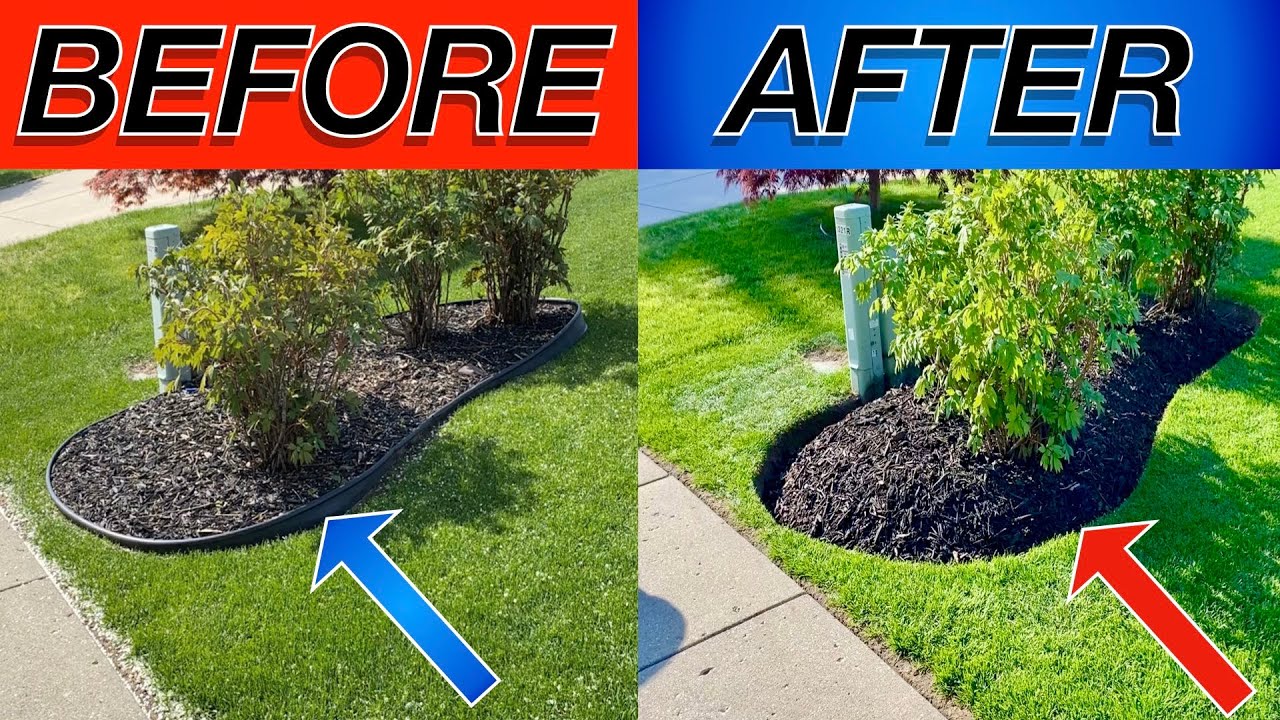
Credit: m.youtube.com
Why Choose Natural Lawn Care?
Natural lawn care is good for the environment. It is also safer for pets and kids. Using natural methods can save money too. You don’t need to buy expensive chemicals.
Step-by-Step Guide to Natural Lawn Care
1. Test Your Soil
The first step is to test your soil. This helps you know what your lawn needs. You can buy a soil test kit. Follow the instructions to get the results. This will tell you about the pH level and nutrients in your soil.
2. Choose The Right Grass
Not all grass types are the same. Some grass grows better in certain areas. Choose a grass type that suits your climate. This will make it easier to take care of your lawn.
3. Mow High
When mowing, don’t cut the grass too short. Set your mower to a high setting. Taller grass can hold more water. It also shades the soil and prevents weeds from growing.
4. Water Wisely
Watering is very important. But too much water can harm your lawn. Water your lawn early in the morning. This helps the water to soak into the soil. Water deeply but less often. This encourages the roots to grow deep.
5. Use Natural Fertilizers
Fertilizers help your grass grow strong. But chemical fertilizers can be harmful. Use natural fertilizers like compost or manure. These are good for the soil and the grass.
6. Control Weeds Naturally
Weeds can take over your lawn. But you don’t need chemicals to control them. Pull weeds by hand or use a hoe. You can also use natural weed killers like vinegar or boiling water.
7. Aerate Your Lawn
Aerating helps your lawn breathe. It allows water and nutrients to reach the roots. You can use a garden fork or an aerator tool. Aerate your lawn once or twice a year.
8. Overseed In The Fall
Overseeding helps to keep your lawn thick and healthy. Spread grass seeds over your existing lawn. Do this in the fall for best results. This helps to fill in bare spots and prevent weeds.
Benefits of Natural Lawn Care
Natural lawn care has many benefits:
- It is safe for pets and kids.
- It helps protect the environment.
- It can save you money.
- It creates a healthy and strong lawn.
Common Mistakes to Avoid
Avoid these mistakes when caring for your lawn naturally:
- Don’t water too often. Water deeply but less often.
- Don’t mow too short. Keep your grass tall.
- Don’t ignore soil health. Test your soil and add natural fertilizers.
Frequently Asked Questions
What Is Natural Lawn Care?
Natural lawn care involves using organic methods to maintain a healthy lawn without synthetic chemicals.
How Often Should I Water My Lawn?
Water your lawn deeply once or twice a week to encourage deep root growth.
Can I Use Compost On My Lawn?
Yes, compost enriches the soil, improves drainage, and provides essential nutrients for your lawn.
What Are Organic Fertilizers?
Organic fertilizers are made from natural materials like compost, manure, and bone meal, providing slow-release nutrients.
Conclusion
Creating a natural lawn care routine is easy. It helps to keep your lawn healthy and beautiful. Follow these steps and enjoy a lush, green lawn. Your pets, kids, and the environment will thank you.

Credit: www.forbes.com
Frequently Asked Questions
Q: How Often Should I Water My Lawn?
A: Water your lawn deeply once or twice a week.
Q: What Is The Best Time To Mow My Lawn?
A: Mow your lawn in the morning or evening.
Q: How Can I Control Pests Naturally?
A: Use natural pest control methods like neem oil or beneficial insects.
Q: How Do I Know If My Lawn Needs Fertilizer?
A: Test your soil to find out what nutrients it needs.