
What is Dethatching?
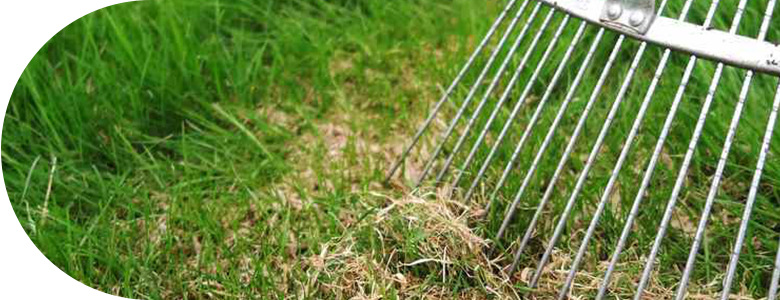
Dethatching is removing the layer of dead grass and roots from your lawn. This layer, called thatch, can build up over time. It can prevent water, nutrients, and air from reaching the soil.
Why Dethatching is Important?
Dethatching is crucial for lawn health. It helps your grass grow stronger and greener. Below are some reasons why dethatching is essential:
- Improves Nutrient Absorption: Thatch blocks nutrients from reaching the soil. Dethatching allows nutrients to penetrate the soil better.
- Enhances Water Absorption: Thatch prevents water from reaching the soil. Dethatching helps water to soak into the ground.
- Boosts Air Circulation: Thatch blocks air from reaching the roots. Dethatching improves air circulation in the soil.
- Prevents Diseases: Thatch can harbor pests and diseases. Dethatching reduces the risk of lawn diseases.
- Promotes Healthy Growth: Dethatching promotes new grass growth. It helps your lawn look lush and green.
When to Dethatch Your Lawn?
Timing is crucial for dethatching. The best time to dethatch depends on the type of grass you have:
- Cool-Season Grasses: Dethatch in early spring or early fall.
- Warm-Season Grasses: Dethatch in late spring or early summer.
Avoid dethatching during very hot or very cold weather. It can stress your lawn and slow down its recovery.
How to Dethatch Your Lawn?
Dethatching can be done using different tools. Here are some common methods:
- Manual Dethatching Rake: A manual rake is a good option for small lawns. It requires physical effort but is effective.
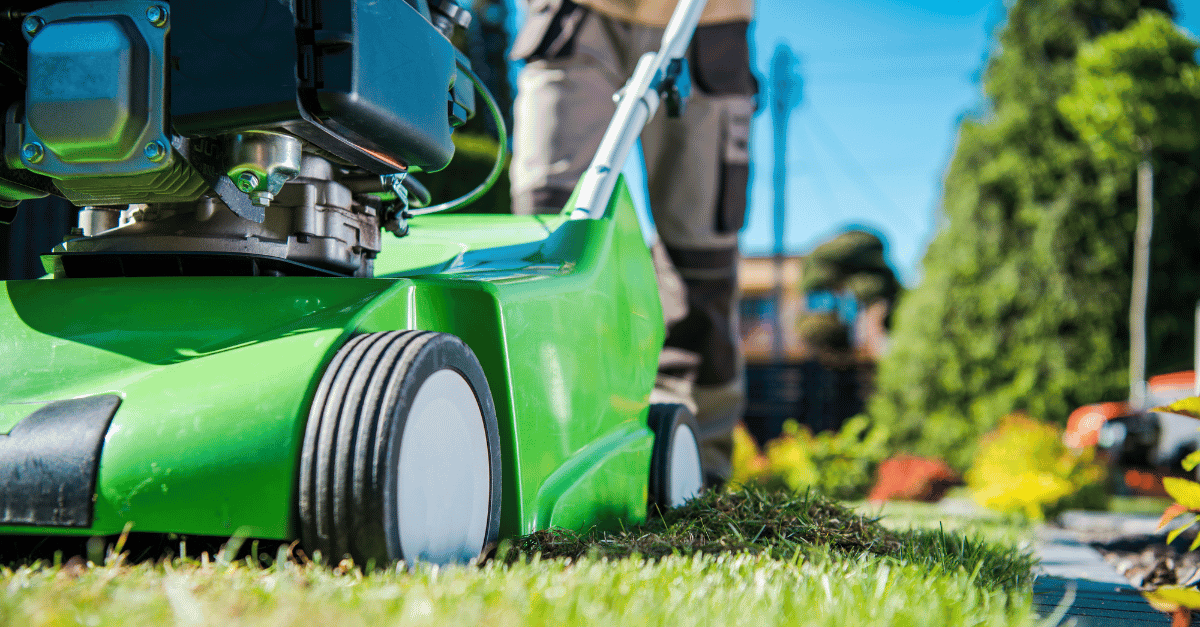
- Power Rake: A power rake is a machine that removes thatch quickly. It’s suitable for medium to large lawns.
- Vertical Mower: Also known as a verticutter, this machine cuts vertical grooves into the soil. It removes thatch and helps with overseeding.
Follow these steps to dethatch your lawn:
- Mow Your Lawn: Mow your grass to half its normal height.
- Water Your Lawn: Water your lawn a day before dethatching. This makes it easier to remove the thatch.
- Dethatch Your Lawn: Use your chosen tool to remove the thatch. Work in sections to ensure even dethatching.
- Rake Up the Thatch: Collect the removed thatch and dispose of it properly.
- Water and Fertilize: Water your lawn after dethatching. Apply a balanced fertilizer to promote new growth.
Benefits of Regular Dethatching
Regular dethatching has many benefits for your lawn:
- Healthier Grass: Regular dethatching keeps your grass healthy and strong.
- Lush Appearance: Your lawn will look lush and green.
- Reduced Pests and Diseases: Dethatching reduces the risk of pests and diseases.
- Better Nutrient Absorption: Your lawn will absorb nutrients more efficiently.
- Improved Water Absorption: Your lawn will retain water better.
Credit: www.groundfxmn.com
Signs Your Lawn Needs Dethatching
Not sure if your lawn needs dethatching? Look for these signs:
- Spongy Feel: Your lawn feels spongy or bouncy underfoot.
- Dry Spots: You notice dry spots even after watering.
- Thin Grass: Your grass looks thin and weak.
- Poor Drainage: Water pools on your lawn after rain.
- Excess Thatch: You can see a thick layer of thatch on the soil.
Credit: lawnhiro.com
Common Dethatching Mistakes
Avoid these common mistakes when dethatching:
- Dethatching at the Wrong Time: Timing is crucial. Dethatch at the right time of year for your grass type.
- Removing Too Much Thatch: Remove only the thatch layer. Avoid damaging the healthy grass.
- Not Watering Before Dethatching: Water your lawn before dethatching. It makes the process easier.
- Skipping Post-Dethatching Care: Water and fertilize your lawn after dethatching. It helps with recovery and growth.
Frequently Asked Questions
What Is Dethatching?
Dethatching removes the thick layer of dead grass and debris from your lawn to improve its health.
Why Is Dethatching Important?
Dethatching allows water, nutrients, and air to reach the soil, promoting healthier grass growth.
How Often Should You Dethatch?
You should dethatch your lawn once a year, preferably in late spring or early fall.
Can Dethatching Damage Your Lawn?
If done incorrectly, dethatching can harm your lawn. Ensure proper timing and technique to avoid damage.
Conclusion
Dethatching is essential for a healthy lawn. It improves nutrient, water, and air absorption. Dethatching prevents diseases and promotes healthy grass growth. Regular dethatching keeps your lawn looking lush and green. Remember to dethatch at the right time and care for your lawn afterward. Follow these tips to enjoy a beautiful and healthy lawn.