
Taking care of your lawn can be tricky. Many people believe in myths that can harm their grass. Let’s explore some common lawn care myths and find out the truth.
Myth 1: Watering Your Lawn Every Day Is Necessary
Many think lawns need daily watering. This is not true. Overwatering can harm your grass.
Grass roots need oxygen. Too much water fills the soil with water. This blocks the oxygen.
Instead, water your lawn deeply but less often. This helps the roots grow deeper and stronger.
| Watering Frequency | Watering Depth |
|---|---|
| 2-3 times a week | 6-8 inches deep |
Myth 2: Short Grass Is Healthier
Some people think short grass is better. Cutting grass too short can stress the lawn.
Grass needs to be a bit taller. This helps shade the soil. It also helps keep the roots cool.
The best height for most grass types is 2.5 to 3 inches. This keeps the grass healthy and strong.
Myth 3: All Weeds Are Bad
Weeds can be annoying, but not all are bad. Some weeds can help your soil.
Clover is a weed that helps. It adds nitrogen to the soil. This helps your grass grow.
Learn to identify helpful weeds. They can work with your lawn, not against it.
Myth 4: Fertilizer Always Makes Grass Greener
Fertilizer can help grass, but too much is bad. Over-fertilizing can burn your grass.
Always follow the instructions on the fertilizer package. This keeps your lawn safe.
Use organic fertilizers when you can. They are gentle on your lawn and the environment.
Myth 5: Thatch Is Always Bad
Thatch is a layer of dead grass on the soil. Some people think thatch is always bad.
A small amount of thatch is okay. It can protect the soil and help retain moisture.
If the thatch layer is too thick, it can be harmful. Keep it under half an inch.
Credit: www.tslg.org
Myth 6: Grass Clippings Cause Thatch
Many believe grass clippings cause thatch. This is not true.
Grass clippings break down and add nutrients to the soil. They do not build up as thatch.
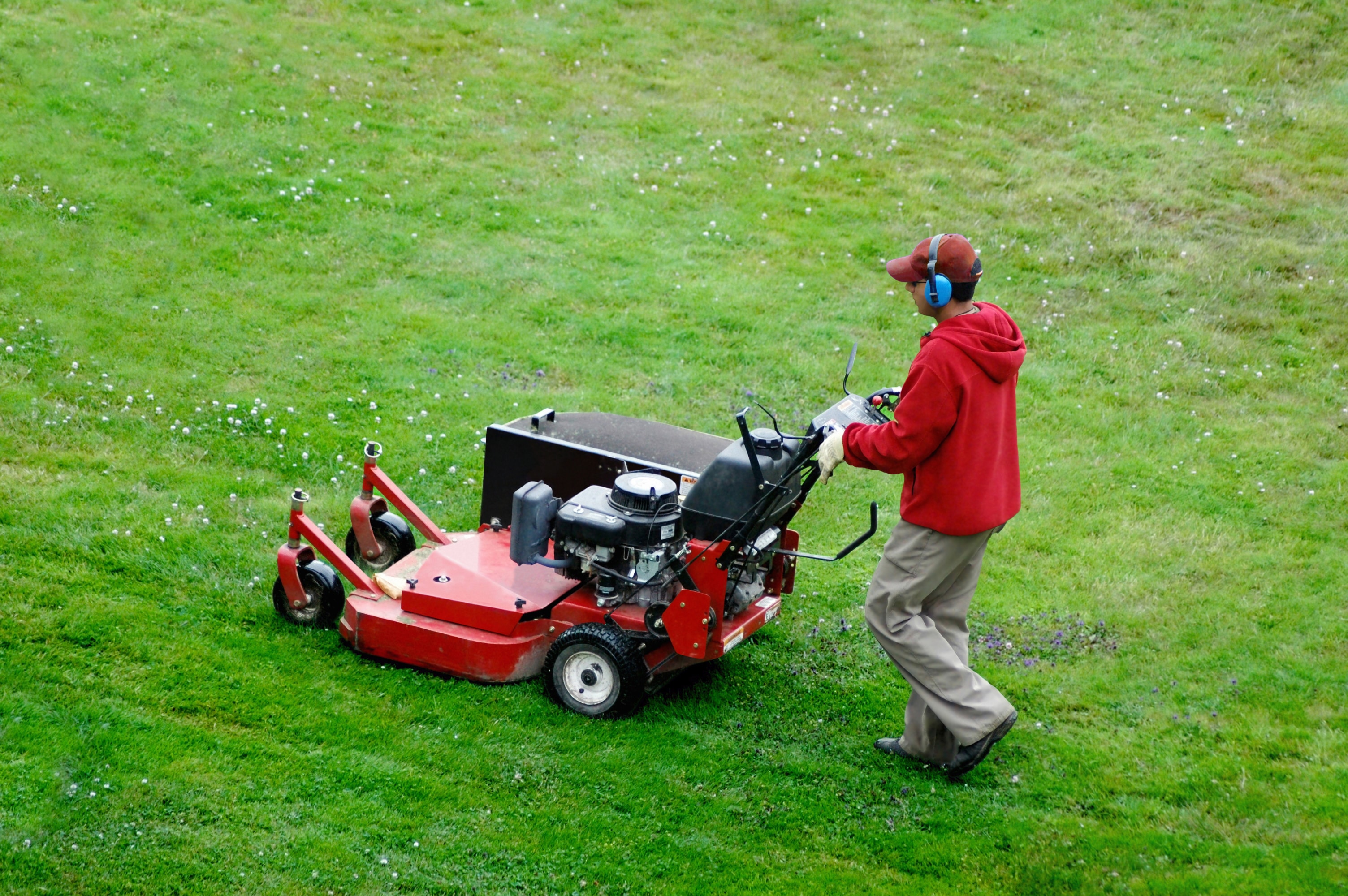
Leave the clippings on the lawn after mowing. This helps keep your lawn healthy.
Myth 7: Spring Is the Best Time to Seed
Many think spring is the best time to seed lawns. Fall is actually better.
In fall, the soil is warm, and the air is cool. This helps seeds grow better.
Seed your lawn in early fall for the best results.
Myth 8: You Should Bag Grass Clippings
Some people think they need to bag grass clippings. This is not necessary.
Leaving clippings on the lawn adds nutrients back to the soil. It can help your lawn grow strong.
Save time and effort by not bagging your clippings.
Myth 9: You Can’t Overseed an Existing Lawn
Some think you can’t overseed an existing lawn. This is false.
Overseeding can help fill in bare spots. It can also make your lawn thicker.
Use a quality seed mix and follow the instructions. This will help your lawn look great.
Credit: landscapeworkshop.com
Myth 10: Lawns Don’t Need Aeration
Many think lawns don’t need aeration. Aeration is important for healthy grass.
Aeration helps the soil breathe. It also allows water and nutrients to reach the roots.
Aerate your lawn once a year for the best results.
Frequently Asked Questions
Do Coffee Grounds Help Lawns?
Coffee grounds can enhance soil nutrients and improve grass growth. However, use them sparingly to avoid soil imbalance.
Is Cutting Grass Short Beneficial?
Cutting grass too short can stress it and lead to weak roots. Maintain a moderate height for a healthy lawn.
Does Watering At Night Cause Fungus?
Watering at night can promote fungal growth due to prolonged moisture. Water early in the morning for best results.
Can You Use Vinegar To Kill Weeds?
Vinegar can kill weeds but may also harm your grass. Use it carefully and consider alternative, lawn-safe options.