
Introduction
Do you want a beautiful garden? Growing a lush garden is easier than you think. Follow these tips to make your garden thrive. Whether you are a beginner or an experienced gardener, these tips will help.
Soil Preparation
Good soil is the foundation of a healthy garden. Here are some steps to prepare your soil:
- Test the Soil: Check the pH levels and nutrient content.
- Amend the Soil: Add compost and organic matter to enrich it.
- Loosen the Soil: Use a garden fork to break up compacted soil.
Choosing the Right Plants
Choose plants that suit your climate and soil. Some plants need more sunlight, while others thrive in shade. Here are some tips for selecting the right plants:
- Know Your Climate: Understand the weather patterns in your area.
- Check Soil Type: Know if your soil is sandy, clay, or loamy.
- Consider Plant Needs: Choose plants that match your garden’s conditions.
Watering Your Garden
Proper watering is crucial for a lush garden. Here are some watering tips:
- Water Deeply: Ensure water reaches the roots.
- Morning Watering: Water your garden in the morning.
- Avoid Overwatering: Too much water can harm plants.

Credit: ecogardener.com
Feeding Your Plants
Plants need nutrients to grow well. Fertilize your garden to provide essential nutrients. Here’s how:
- Use Organic Fertilizers: They are safe and effective.
- Follow Instructions: Use the right amount of fertilizer.
- Feed Regularly: Fertilize your garden every few weeks.
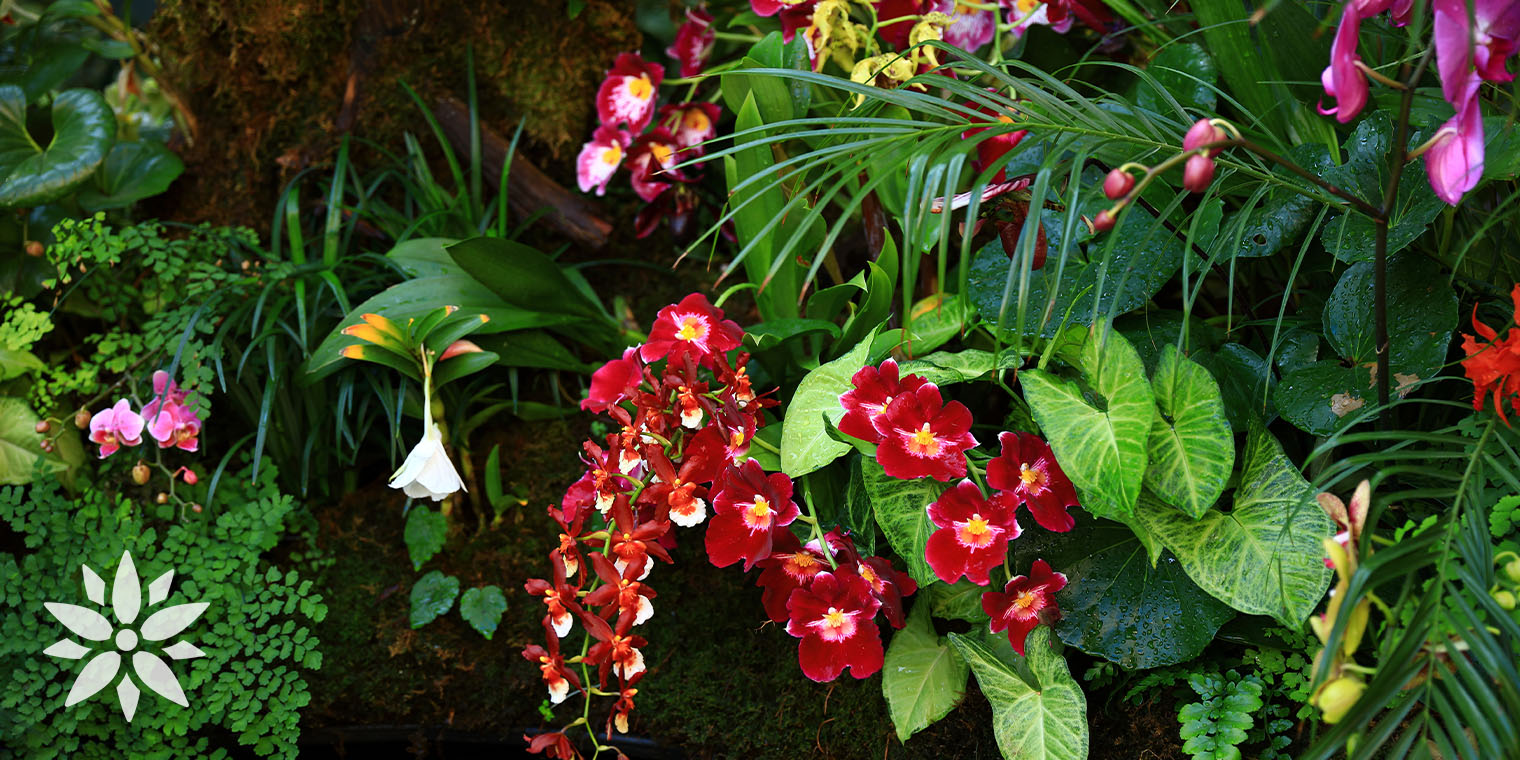
Credit: livingcolorgardencenter.net
Mulching
Mulching helps retain moisture and suppress weeds. Here are the benefits of mulching:
- Retains Moisture: Mulch keeps the soil moist.
- Suppresses Weeds: It prevents weed growth.
- Improves Soil Quality: Mulch adds nutrients as it decomposes.
Pruning and Deadheading
Pruning and deadheading help plants grow better. Here’s why you should prune and deadhead:
- Encourages Growth: Pruning promotes new growth.
- Removes Dead Parts: Deadheading removes spent flowers.
- Shapes Plants: Pruning helps maintain plant shape.
Pest Control
Pests can damage your garden. Use these tips to keep pests away:
- Inspect Regularly: Check your plants for pests often.
- Use Natural Remedies: Use neem oil or soap spray.
- Encourage Beneficial Insects: Ladybugs and bees help control pests.
Companion Planting
Companion planting can help your garden thrive. Here’s how it works:
- Repels Pests: Some plants keep pests away.
- Improves Growth: Plants can help each other grow.
- Enhances Flavor: Some combinations improve taste.
Using Garden Tools
Good tools make gardening easier. Here are some essential tools:
- Spade: For digging and planting.
- Pruners: For trimming plants.
- Watering Can: For watering your garden.
Creating a Garden Schedule
A garden schedule helps you stay organized. Here are some tips for creating one:
- Plan Tasks: List daily, weekly, and monthly tasks.
- Set Reminders: Use a calendar or app to remind you.
- Track Progress: Note what works and what doesn’t.
Frequently Asked Questions
How Do I Start A Garden?
Begin with soil preparation, selecting plants, and consistent watering.
What Are The Best Plants For Beginners?
Opt for tomatoes, lettuce, and marigolds; they’re easy to grow.
How Often Should I Water My Garden?
Water your garden deeply 2-3 times a week.
What Is The Best Soil For Gardening?
Loamy soil rich in organic matter is ideal.
Conclusion
Growing a lush garden takes time and effort. With these tips, your garden will thrive. Remember to enjoy the process and have fun. Happy gardening!