
Winter can be tough on your lawn. Cold weather and snow can damage the grass. But, you can help your lawn by fertilizing it in winter. This guide will show you how to do it right.
Why Fertilize Your Lawn in Winter?
Fertilizing in winter helps your grass stay strong. It gives the grass nutrients it needs. This makes it easier for the grass to grow in spring. Fertilizing also helps the grass fight off diseases.
Benefits Of Winter Fertilization
- Keeps grass strong
- Helps grass grow in spring
- Fights off diseases
- Makes the lawn look better
When to Fertilize Your Lawn in Winter?
Timing is important. The best time to fertilize your lawn in winter is late fall or early winter. This is when the grass is still a bit active. The nutrients will help the grass store energy for the winter.
Best Months For Winter Fertilization
| Region | Best Months |
|---|---|
| Northern Regions | October to November |
| Southern Regions | November to December |
Choosing the Right Fertilizer
Not all fertilizers are the same. You need to choose the right one for winter. Look for a fertilizer with slow-release nitrogen. This type of fertilizer will feed the grass over time.
What To Look For In A Winter Fertilizer
- Slow-release nitrogen
- Balanced nutrients
- Low phosphorus
How to Apply Fertilizer in Winter
Applying fertilizer correctly is key. Follow these steps to fertilize your lawn in winter:
Steps To Fertilize Your Lawn
- Mow the Lawn: Cut the grass short. This helps the fertilizer reach the soil.
- Clean the Lawn: Remove leaves and debris. A clean lawn allows the fertilizer to work better.
- Use a Spreader: Use a spreader to apply the fertilizer evenly. This ensures all parts of the lawn get nutrients.
- Water the Lawn: Water the lawn after fertilizing. This helps the fertilizer soak into the soil.
- Monitor the Lawn: Keep an eye on your lawn. Make sure it looks healthy and green.
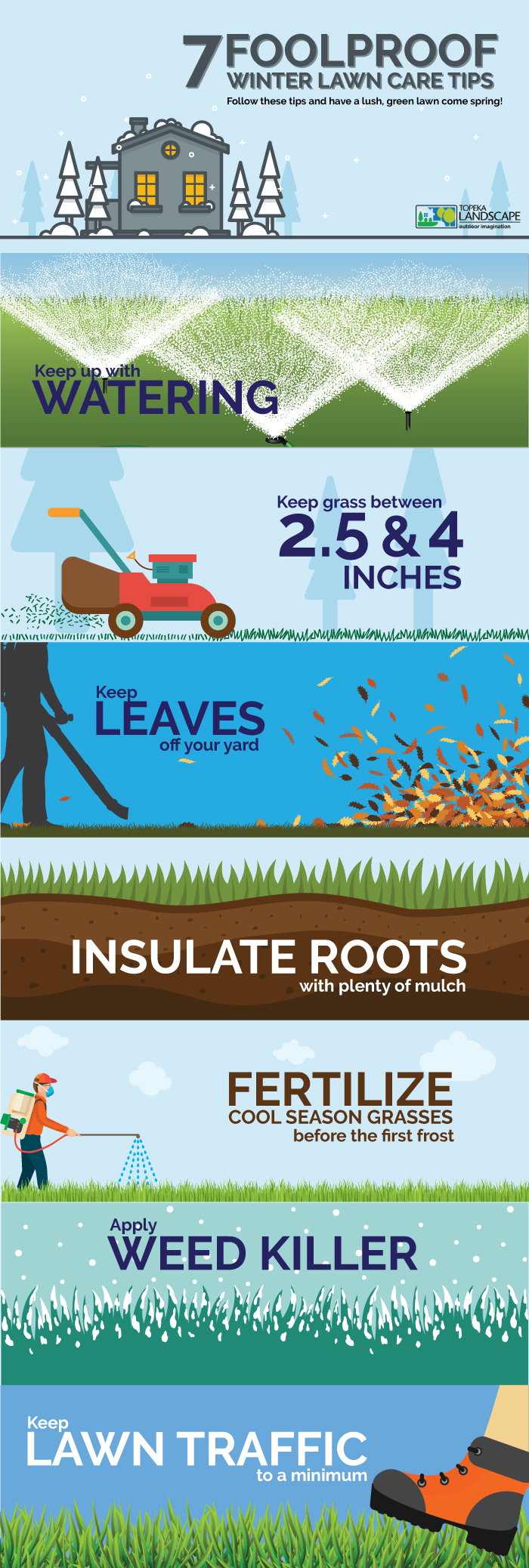
Credit: www.topekalandscape.com
Common Mistakes to Avoid
It is easy to make mistakes when fertilizing in winter. Here are some common mistakes to avoid:
Top Mistakes
- Over-fertilizing: Too much fertilizer can burn the grass.
- Using the wrong fertilizer: Make sure to use a winter-specific fertilizer.
- Fertilizing too late: Apply the fertilizer before the ground freezes.
- Not watering after fertilizing: Watering helps the fertilizer reach the roots.

Credit: greenkeeperaz.com
Frequently Asked Questions
Can You Fertilize Your Lawn In Winter?
Yes, you can. Use winter-specific fertilizer for best results.
What Type Of Fertilizer Is Best For Winter?
Winter-specific fertilizers with high potassium content are ideal for strengthening grass roots.
When Should You Apply Winter Fertilizer?
Apply winter fertilizer late fall or early winter for optimal results.
How Often Should You Fertilize In Winter?
Fertilize once before the first frost to prepare for winter.
Conclusion
Fertilizing your lawn in winter is important. It keeps your grass strong and healthy. Follow the steps in this guide to fertilize your lawn the right way. Your lawn will thank you in the spring!