
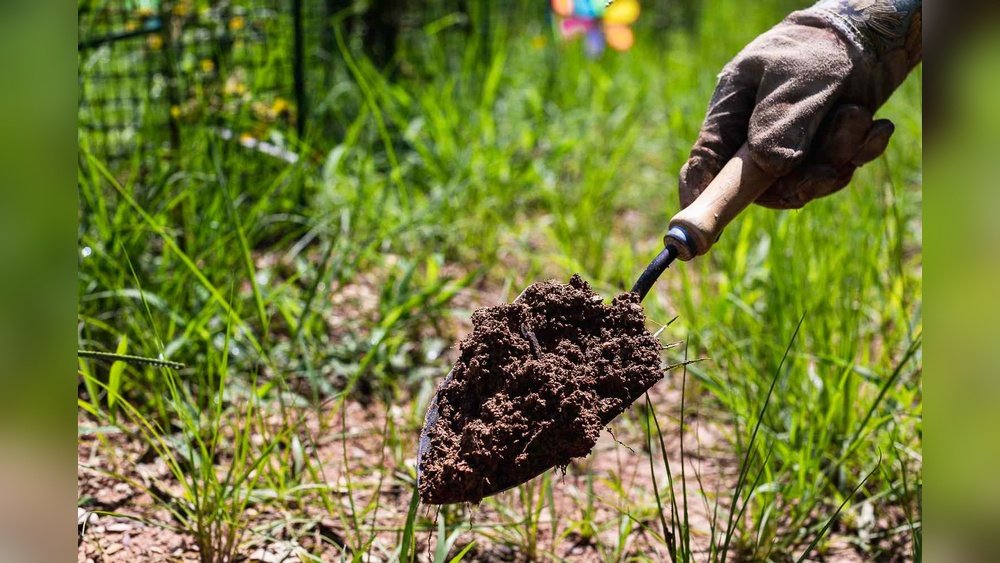
Have you ever noticed your plants looking tired, with yellowing leaves or burnt edges, even though you’ve been feeding them regularly? It might be a sign that you’re over-fertilizing your garden.
While giving plants nutrients is important, too much fertilizer can actually harm them. If you want to save your plants and keep your garden thriving, it’s crucial to know how to spot the signs of over-fertilizing and fix the problem quickly.
Keep reading, and you’ll learn simple, effective ways to troubleshoot your garden and bring your plants back to life.
:max_bytes(150000):strip_icc()/fix-an-overfertilized-lawn-5221846-03-055d82073bd4462ca4ee722041bd0374.jpg)
Credit: www.thespruce.com
Signs Of Over-fertilizing
Over-fertilizing plants can harm your garden more than help it. Plants need nutrients, but too much fertilizer causes problems. Knowing the signs helps you fix issues early. Watch for changes in leaves, growth, and soil. These clues show if your plants get too much fertilizer.
Leaf Burn And Yellowing
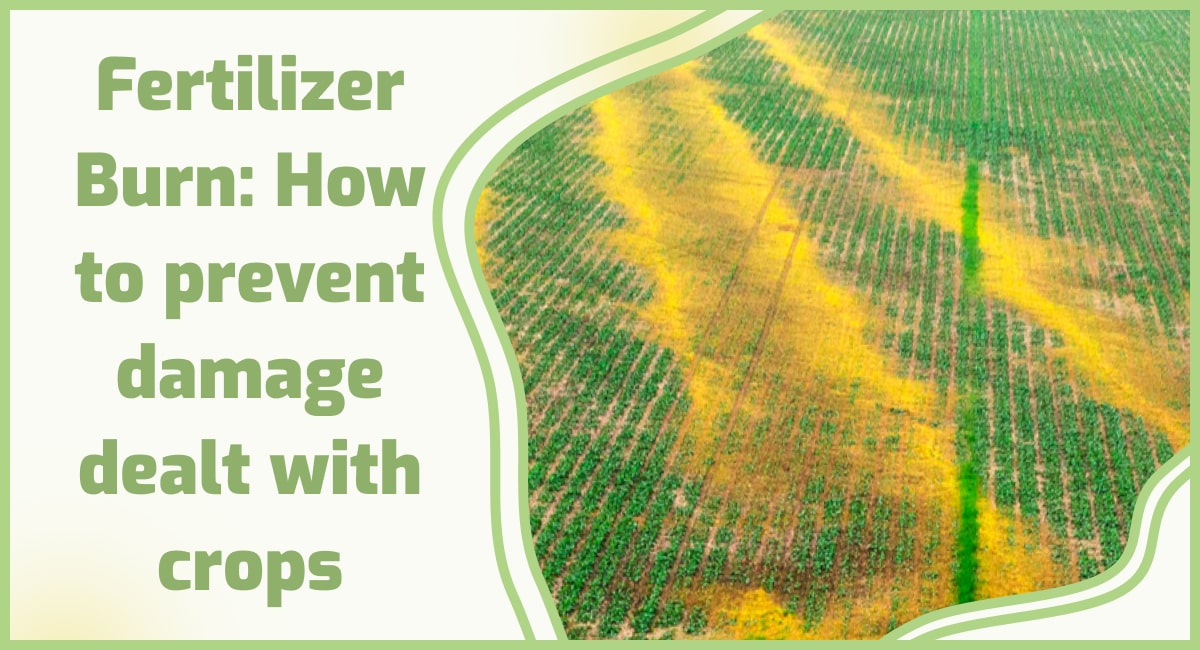
Leaves may turn yellow or brown at the edges. This is called leaf burn. It happens because too many salts from fertilizer draw water out of leaves. Leaves look dry and crispy. Yellowing leaves lose their healthy green color. These signs show your plant is stressed from overfeeding.
Stunted Growth
Over-fertilized plants often stop growing well. New shoots may be small or weak. Roots might not grow properly either. Plants use energy to handle excess fertilizer instead of growing. Growth slows down even with enough water and sunlight. This stunting means your plant is struggling.
Soil Salt Buildup
Too much fertilizer causes salt to build up in soil. Salt makes soil less healthy for roots. Plants have trouble absorbing water and nutrients. You might see white crust on the soil surface. This salt buildup harms plant health over time. Removing excess fertilizer helps the soil recover.
Common Causes
Over-fertilizing plants is a common problem in many gardens. It can harm plants instead of helping them grow. Knowing the common causes helps you fix the issue quickly. These causes often relate to how much fertilizer you use, the type you choose, and your soil condition.
Excessive Fertilizer Application
Applying too much fertilizer is the main cause of over-fertilizing. Many gardeners think more fertilizer means faster growth. Too much fertilizer burns plant roots and stops water absorption. Plants may show yellow or brown leaves and weak growth. Always follow the instructions on the fertilizer package carefully.
Incorrect Fertilizer Type
Using the wrong fertilizer can harm your plants. Different plants need different nutrients. For example, some plants need more nitrogen, while others need more phosphorus. Fertilizer with too much salt or chemicals can damage roots. Check the fertilizer label to match your plant’s needs.
Poor Soil Drainage
Soil that does not drain well can cause fertilizer to build up. Water stays in the soil too long, making roots soggy. This stops roots from taking in nutrients properly. Over time, fertilizer salts increase and harm plants. Improve drainage by adding sand or organic matter to the soil.
Immediate Remedies
Over-fertilizing plants can harm your garden quickly. Acting fast helps save your plants from damage. Immediate remedies focus on reducing excess nutrients and healing your plants. These steps restore soil health and support new growth.
Flushing The Soil
Flushing removes extra fertilizer from the soil. Use plenty of water to wash away salts and chemicals. Water slowly and deeply to avoid runoff. Repeat flushing over several days for best results. This process helps stop fertilizer burn and balances nutrients.
Pruning Damaged Leaves
Cut off leaves that show burn or yellowing. Removing damaged parts helps plants focus energy on healthy growth. Use clean, sharp tools to avoid infection. Dispose of cut leaves away from the garden. Pruning improves air flow and overall plant health.
Adjusting Watering Practices
Water plants carefully after over-fertilizing. Increase watering to dilute fertilizer in the soil. Avoid overwatering, which can cause root rot. Watch soil moisture and adjust watering frequency. Proper watering supports recovery and prevents further stress.
:strip_icc()/Fertilizing-plants-0440837aeee64749832645ba62572f95.jpg)
Credit: www.bhg.com
Long-term Prevention
Preventing over-fertilizing is key to keeping your garden healthy over time. It protects plants from nutrient burn and soil damage. Taking steps now saves effort and expense later. Focus on smart habits that maintain balance in your garden soil.
Soil Testing
Test your soil regularly to know its nutrient levels. Soil tests reveal what plants need and what they don’t. This helps avoid adding too much fertilizer. Use simple test kits or send samples to a lab. Adjust fertilizer use based on the results for best growth.
Choosing The Right Fertilizer
Select fertilizers that match your soil’s needs. Different plants require different nutrients in different amounts. Use slow-release fertilizers to feed plants steadily. Avoid fertilizers with high nitrogen if your soil already has enough. Read labels carefully to pick the best type for your garden.
Proper Fertilizer Scheduling
Apply fertilizer at the right time and frequency. Fertilize during plant growing seasons only. Avoid feeding plants too often to prevent nutrient buildup. Follow recommended amounts on product instructions. Water plants after fertilizing to help nutrients reach roots.
Expert Tips For Recovery
Recovering from over-fertilizing plants takes care and patience. The right steps can help your garden heal faster. Focus on improving soil health and supporting plant recovery. Use gentle methods to restore balance and encourage growth.
Using Organic Amendments
Organic amendments add natural nutrients without causing stress. Compost, peat moss, or aged manure improve soil structure. They help dilute excess fertilizer and absorb harmful salts. Spread a thin layer over the soil and water well. This helps plants regain strength slowly and safely.
Enhancing Soil Microbial Activity
Healthy soil microbes break down fertilizer residues and improve nutrient uptake. Adding compost tea or beneficial microbes boosts this activity. Avoid chemicals that kill helpful bacteria and fungi. Regularly aerate the soil to increase oxygen flow. This supports strong roots and better plant health.
Monitoring Plant Health
Watch plants daily for signs of improvement or stress. Look for new growth, leaf color, and firmness. Remove damaged leaves to help plants focus on recovery. Adjust watering to keep soil moist but not soggy. Keep notes to track progress and adjust care as needed.
Credit: geopard.tech
Frequently Asked Questions
What Are The Signs Of Over-fertilizing Plants?
Signs include yellowing or browning leaf edges, wilting, and stunted growth. Excess fertilizer causes nutrient burn and root damage, harming plant health.
How Can I Fix Over-fertilized Garden Soil?
Flush soil with plenty of water to dilute excess nutrients. Avoid adding more fertilizer and improve soil drainage to help recovery.
How Often Should I Fertilize Garden Plants Safely?
Fertilize plants based on their specific needs, usually every 4-6 weeks during growing season. Avoid overdoing to prevent nutrient buildup and plant stress.
Can Over-fertilizing Harm My Garden Plants Permanently?
Yes, severe over-fertilizing can cause root damage and kill plants. Early detection and proper treatment increase chances of full recovery.
Conclusion
Over-fertilizing can harm your garden plants. Watch for yellow leaves or slow growth. Flush the soil with water to remove extra fertilizer. Use less fertilizer next time. Choose the right type and amount for your plants. Healthy plants need balance, not too much food.
Take care, and your garden will thrive. Keep learning and enjoy your gardening journey.