
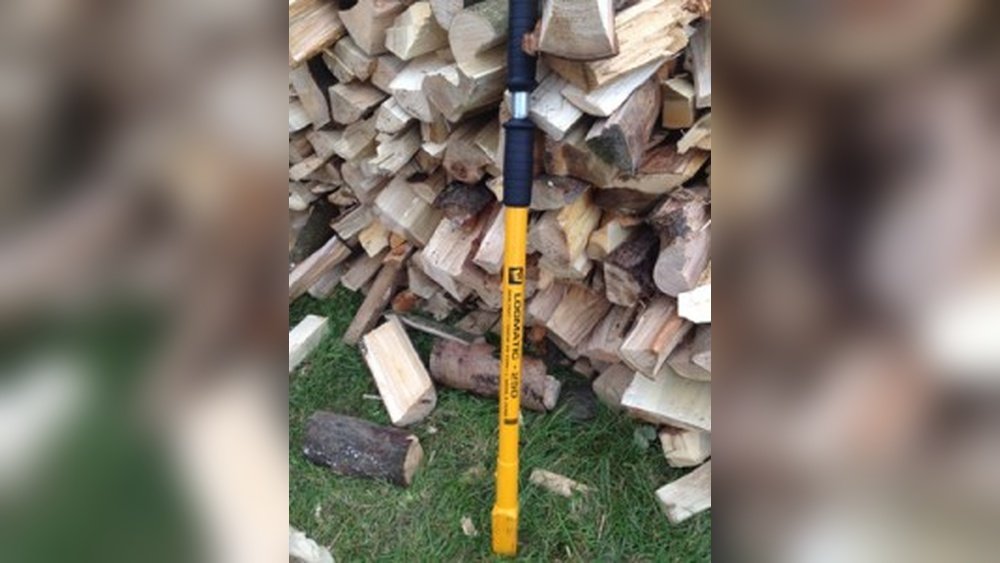
Splitting wood is a classic task for anyone who uses a fireplace, stove, or wants to prepare for winter. Doing it by hand takes time and effort. Today, log splitters make this job easier, faster, and safer. But using a log splitter correctly is important for safety and efficiency. This guide will show you how to split wood with a log splitter, step by step, and help you choose the right machine for your needs. Whether you’re a beginner or want better results, you’ll find practical advice, safety tips, and answers to common questions.
What Is A Log Splitter?
A log splitter is a machine that cuts wood logs into smaller pieces. It uses hydraulic or kinetic force to push a log against a sharp wedge, splitting it into firewood. Log splitters come in many sizes and types, from small electric models to large gas-powered machines.
Most log splitters fall into these categories:
- Manual log splitters: Use human power with levers or foot pedals. These are simple and often cheaper, but require more physical strength and time.
- Electric log splitters: Plug into a standard outlet. Good for small jobs and quieter operation. They are popular for home users because they are easy to operate and need less maintenance.
- Gas log splitters: Use gasoline engines. They are powerful and suitable for large logs or frequent use. These are often used by people who split lots of wood or work in remote areas.
Log splitters make the work much faster than using an axe or maul. They also reduce the risk of injury from swinging sharp tools. For example, an electric splitter can cut dozens of logs in an hour, while splitting by hand might take all day.
Some advanced log splitters use hydraulic pumps to increase force. Others rely on kinetic energy with flywheels, which deliver fast, repeated splitting action. Each type has its own strengths, so matching your needs is key.
Choosing The Right Log Splitter For Your Needs
Not every log splitter fits every job. To pick the best one, consider your wood splitting needs, local climate, and available power sources.
Key Factors To Compare
- Power Source
- Electric splitters are great for home use and indoor spaces. They don’t produce fumes, so you can use them in your garage or shed.
- Gas splitters suit outdoor, heavy-duty work. They handle big logs and work faster but require regular engine maintenance.
- Manual splitters are portable but need more effort. They are best for small batches and occasional use.
- Splitting Force (Tonnage)
- Light jobs: 4–7 tons for softwoods and small logs. Pine and spruce are examples of softwoods that split easily.
- Medium jobs: 8–15 tons for hardwoods and larger logs. Oak, maple, and hickory require more force.
- Heavy jobs: 16+ tons for big, tough logs. If you have large rounds or knotty wood, higher tonnage is necessary.
- Log Size Capacity
- Most splitters handle logs up to 20–25 inches in length and 12–16 inches in diameter. Measure your typical logs before buying.
- Check specs to match your typical log size. Some splitters can handle even larger logs, but these models are bigger and heavier.
- Cycle Time
- Faster machines split more logs per hour. This is important if you have a lot of wood to process.
- Average is 10–18 seconds per cycle. Some kinetic splitters can cycle in under 5 seconds.
- Portability
- Small, electric units can be carried by one person. They often have handles and wheels for easy movement.
- Larger gas models may have wheels or hitch attachments for towing with a tractor or vehicle.
Comparing Log Splitter Types
Here’s a quick comparison of the main log splitter types:
| Type | Power Source | Splitting Force | Typical Use | Portability |
|---|---|---|---|---|
| Manual | Human | 4-10 tons | Small jobs, occasional use | High |
| Electric | Plug-in | 4-15 tons | Home, indoor, light to medium jobs | Medium |
| Gas | Gasoline | 8-40+ tons | Heavy, outdoor, frequent use | Low (wheels/hitch) |
Manual splitters are a good choice for people with limited space or who only split small amounts of wood. Electric splitters are best for urban or suburban homes, while gas splitters are common in rural areas.
Mistakes Beginners Make
- Choosing a splitter that is too weak for their local hardwoods. For example, a 5-ton splitter may not handle oak or maple.
- Ignoring log length capacity (logs may not fit). Always measure your logs before purchase.
- Forgetting about cycle time—slower machines mean more waiting. This can be frustrating if you have lots of wood to split.
- Buying a gas-powered splitter for indoor use (dangerous due to fumes). Gas engines produce carbon monoxide and should only be used outdoors.
- Not considering noise: Electric models are much quieter, which matters if you live close to neighbors.
Preparing Your Wood And Work Area
Before splitting wood, some preparation is necessary for safe and efficient work.
Wood Preparation
- Dry wood splits better. Fresh-cut (green) wood is tough and sticky. Wet wood can jam the splitter and is harder to cut.
- Check moisture with a meter. Firewood should be below 20% moisture. This ensures easier splitting and better burning.
- Remove any dirt, stones, or branches from logs. Dirty logs can dull the wedge and cause problems.
- Cut logs to the right length for your splitter and stove. If your stove takes 16-inch logs, cut them to that size.
It’s helpful to stack your logs in advance so you can work quickly. If you have different types of wood, sort them by hardness. For example, split pine first, then move to oak.
Work Area Setup
- Choose a flat, stable surface—concrete or packed dirt is best. Uneven ground can cause accidents.
- Keep the area clear of clutter and tripping hazards. Remove tools, cords, and other obstacles.
- Place a tarp or container nearby to collect finished firewood. This keeps your wood clean and dry.
- Make sure there’s enough space to move safely around the machine. You should have room to step back and load logs easily.
Some people set up their splitter near their woodpile. This reduces carrying distance and saves time. If you work outside, check the weather and avoid splitting in rain or snow, which can make logs slippery.
Safety Precautions
- Always wear safety goggles, gloves, and steel-toed boots. Wood can splinter, and heavy logs can fall unexpectedly.
- Avoid loose clothing or jewelry that can get caught. Secure long hair.
- Keep children and pets away from the work area. They can distract or get injured.
- Have a phone or first aid kit nearby in case of emergency. It’s better to be prepared.
A non-obvious tip: Use hearing protection if your splitter is loud, especially with gas models. Long exposure can damage your hearing.
Step-by-step: How To Split Wood With A Log Splitter
Splitting wood with a log splitter is straightforward, but following the correct process is important for safety and best results.
1. Position The Log Splitter
- Place the machine on a level surface. Avoid hills or soft ground.
- For vertical splitters, lock the machine in the upright position. Vertical mode is helpful for heavy logs you cannot lift.
- For horizontal splitters, make sure the bed is stable and accessible. You will need to lift each log onto the bed.
2. Check The Machine
- Inspect hoses, hydraulic fluid, and power cables. Look for leaks, cracks, or frayed wires.
- Make sure the wedge is sharp and securely attached. A dull wedge makes splitting harder.
- Confirm the safety guards are in place. These protect your hands and prevent accidents.
Before starting, check the manual for any special steps. Some splitters need priming or warming up, especially in cold weather.
3. Plug In Or Fuel Up
- For electric models, connect to a grounded outlet. Avoid extension cords if possible—they can reduce power.
- For gas models, fill the tank with fresh gasoline and check oil levels. Stale gas can cause engine problems.
If your splitter is hydraulic, check fluid levels and add oil as needed. This prevents damage and keeps performance high.
4. Place The Log
- Stand logs upright for vertical splitters, or lay flat for horizontal models. Centering the log ensures even splitting.
- Center the log against the wedge. Logs off-center can split unevenly or jam.
- Remove any metal, nails, or stones—these can damage the machine. If you see any foreign objects, cut them out before splitting.
An extra tip: For very large logs, cut them in half before splitting. This reduces stress on your machine.
5. Activate The Splitter
- Use the control handle or switch to start the splitting cycle. Many machines need both hands for safety.
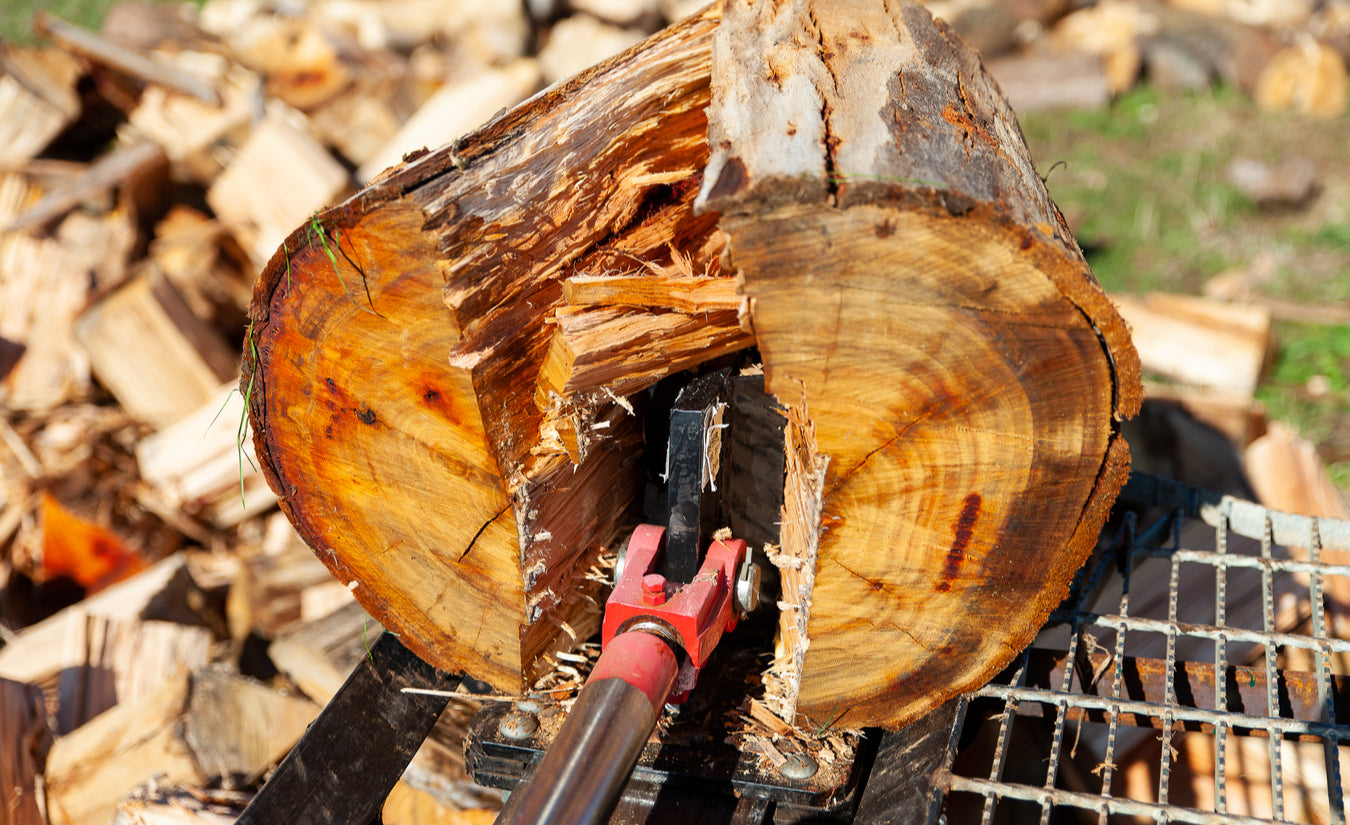
- The ram pushes the log against the wedge, splitting it. You may hear cracking or popping sounds.
- If the log is too tough, rotate it or try again. Sometimes splitting from the other end works better.
Stay focused—never try to hurry the process by forcing logs or reaching into the machine while it’s running.
6. Remove Split Wood
- Wait for the cycle to finish. The ram will return to its starting position.
- Pick up the split pieces and move them to a collection area. Some people use wheelbarrows or baskets.
- If larger logs need to be split again, repeat the process. You can split them into quarters or smaller pieces.
It’s smart to stack wood as you go. This keeps your workspace tidy and prevents accidents.
7. Repeat Until Finished
- Continue loading logs and splitting as needed. Take your time and avoid rushing.
- Take breaks to avoid fatigue. Working tired increases risk of mistakes.
Practical Tips
- For knotty logs, try splitting from the ends rather than the center. Knots are easier to break from the edge.
- If a log jams, turn off the machine before clearing it. Never reach in while it’s running.
- Stack split wood off the ground to prevent rot. Pallets or racks work well for this.
You can save time by organizing your logs before starting. Grouping by size and type helps you work faster.

Credit: en.wikipedia.org
Safety Tips For Using A Log Splitter
Log splitters are powerful machines. Following these tips helps prevent injuries.
Essential Safety Rules
- Read the manual: Know your machine’s controls and emergency stop. Familiarity reduces mistakes.
- Wear protective gear: Eye, hand, and foot protection is a must. Splinters and heavy logs can cause serious injury.
- Never reach across the splitting zone: Keep hands clear of the wedge and ram. The force can crush fingers instantly.
- Operate with two hands: Many splitters require both hands on controls—this is for safety. It prevents accidental activation.
- Keep bystanders away: Only one operator should be near the machine. Others can distract or get hurt.
- Turn off before maintenance: Always shut down and unplug before adjusting or clearing jams. This prevents accidental start.
- Use correct log sizes: Don’t force logs that are too large or too small. This can jam the machine or cause it to break.
A non-obvious insight: Always check the area for trip hazards before starting. Many accidents happen from slipping or tripping while carrying wood.
Common Mistakes To Avoid
- Overloading the splitter beyond its rated capacity. This strains the motor and can cause breakdowns.
- Using logs with hidden nails or metal. These can damage the wedge and hydraulic system.
- Operating on uneven surfaces, which can cause tipping. Always check stability.
- Ignoring oil or hydraulic leaks. Small leaks can grow and cause expensive repairs.
If you notice strange noises or slow operation, stop and check before continuing.
Troubleshooting: Problems And Solutions
Sometimes log splitters have issues. Here’s how to solve common problems.
Machine Won’t Start
- Check power source (electric) or fuel (gas). Make sure switches are on.
- Inspect cables and switches. Replace any damaged parts.
- For hydraulic models, check fluid levels. Low fluid can prevent operation.
Sometimes cold weather causes hydraulic fluid to thicken. Let the machine warm up or use winter-grade oil.
Log Won’t Split
- Dull wedge: Sharpen or replace. A sharp wedge cuts more easily.
- Wood is too wet or tough: Try a higher force splitter or let wood dry longer.
- Log placed incorrectly: Reposition log. Center it for best results.
For twisted or knotty logs, split from the ends or use extra force.
Hydraulic Leaks
- Inspect hoses and seals. Look for cracks or loose fittings.
- Tighten fittings or replace damaged parts. Hydraulic leaks should be fixed quickly.
If leaks persist, contact a professional. Hydraulic fluid is dangerous and flammable.
Jammed Log
- Turn off the machine. Never try to clear jams while the splitter is running.
- Remove log carefully. Use gloves and tools if needed.
- Avoid forcing jammed logs. If the log won’t split, cut it smaller.
Slow Cycle Time
- Hydraulic fluid may be low or old. Replace or top up as needed.
- Air in the system—bleed the hydraulics if needed. Follow the manual for instructions.
If cycle times stay slow, check for worn seals or damaged pump parts.
Maintenance And Storage
Proper care keeps your log splitter running smoothly for years.
Routine Maintenance
- Check hydraulic fluid monthly. Use manufacturer-recommended oil.
- Inspect hoses and seals for leaks. Replace any damaged or worn parts.
- Clean debris from the wedge and bed. Wood chips can jam moving parts.
- Sharpen the wedge as needed. A file or grinder works well.
If you use your splitter often, keep a maintenance log. This helps track oil changes and repairs.
Storage Tips
- Store indoors or cover with a waterproof tarp. Moisture causes rust and electrical problems.
- Drain fuel from gas models before long storage. Old fuel can clog the engine.
- Disconnect power for electric models. This prevents accidental starts and keeps cables safe.
A helpful tip: Lubricate moving parts before storing. This prevents corrosion and keeps everything smooth.
Service Schedule Example
| Task | Frequency | Notes |
|---|---|---|
| Check hydraulic fluid | Monthly | Top up or replace as needed |
| Sharpen wedge | Every 50 hours | Use a file or grinder |
| Inspect hoses/seals | Quarterly | Replace if damaged |
| Clean machine | After each use | Remove wood chips and dirt |
| Drain fuel | Before winter storage | Prevents engine problems |
Another tip: If storing outside, elevate the machine on blocks to prevent contact with wet ground.
Advanced Tips For Efficiency And Productivity
If you want to get the most from your log splitter, try these strategies.
Organize Your Workflow
- Sort logs by size and type before starting. This reduces downtime and speeds up splitting.
- Stack un-split logs close to the machine, but out of the way. Avoid clutter near the controls.
- Collect split wood in a wheelbarrow or cart for easy transport. Moving wood in batches saves energy.
Consider working in pairs. One person can load, the other operate. This increases efficiency and safety.
Split With A Partner
- One person loads logs, the other operates the machine. Communication is key.
- Switch roles to avoid fatigue. Taking turns keeps everyone alert.
When working with someone, agree on signals and routines to avoid confusion.
Use A Four-way Wedge
- Some splitters allow you to add a four-way wedge. This splits logs into four pieces at once, increasing output.
- Make sure your splitter supports this attachment. Not all models can use four-way wedges.
Four-way wedges save time but require more force. Check your machine’s specs before upgrading.
Watch For Knots And Grain
- Logs with knots or twisted grain are harder to split. Sometimes splitting from the outside in works better.
- Try splitting from the end or use extra force. If the log jams, cut it smaller.
A useful tip: Split knotty logs after the easier ones. This keeps your rhythm and reduces frustration.
Weather Matters
- Cold weather can make hydraulic fluid thicker and slower. Warm up the machine before use in winter.
- Hot weather can cause overheating. Take breaks and check fluid levels.
If splitting outdoors, cover your machine when not in use to protect from rain and snow.
Credit: www.drpower.com
When To Upgrade Your Log Splitter
As your needs grow, you may need a more powerful or efficient machine.
Signs It’s Time To Upgrade
- Logs are getting bigger or tougher. If your splitter struggles, upgrade.
- Cycle times are too slow for your workload. Faster machines mean less waiting.
- You want to split more wood in less time. Consider a higher force model.
- Your current splitter needs frequent repairs. Old machines cost more to maintain.
An advanced insight: Upgrading can save money long-term if you split lots of wood or work commercially.
Comparing Entry-level Vs. Pro Models
| Feature | Entry-Level | Professional |
|---|---|---|
| Splitting Force | 4–10 tons | 20–40+ tons |
| Log Capacity | Up to 16” diameter | Up to 36” diameter |
| Cycle Time | 15–18 sec | 8–12 sec |
| Power Source | Electric/manual | Gas/hydraulic |
| Durability | Light-duty | Heavy-duty |
Professional models often have advanced safety features, stronger frames, and better wheels for moving.
Geographic And Seasonal Considerations
Where you live and the season affect how you split wood.
Regional Factors
- In cold climates, thicker logs and hardwoods are common. You need more force and better machines.
- In warmer regions, softwoods are easier to split and dry faster. Less tonnage is needed.
- Humid areas require extra drying time for firewood. Stack wood loosely and cover to prevent mold.
Some regions have regulations for firewood collection. Check local rules before gathering wood.
Seasonal Tips
- Split wood in spring or summer for winter use. This gives time for drying.
- Wood needs 6–12 months to dry properly. Stack in a sunny, airy spot.
- Wet seasons can make splitting harder due to slippery conditions. Take extra care and use non-slip mats.
If you split wood in winter, keep hydraulic fluid warm and work slowly to avoid accidents.
Environmental And Legal Considerations
Splitting wood is eco-friendly if you follow local laws and best practices.
Sustainable Wood Sourcing
- Use dead or fallen trees when possible. This preserves healthy trees and forests.
- Avoid overharvesting in forests. Take only what you need.
- Check local regulations for firewood collection. Some areas restrict cutting or gathering.
If you buy firewood, look for certified or sustainably sourced wood. This supports healthy forests.
Noise And Pollution
- Electric splitters are quieter and produce no emissions. Good for neighborhoods and indoor use.
- Gas splitters are louder and pollute—use outdoors only. Be respectful of neighbors.
Some areas have noise ordinances. Check before using loud machines.
Firewood Storage Rules
- Stack wood off the ground to prevent pests. Use pallets or racks.
- Cover stacks to keep dry, but allow air flow. Tarps with open sides work well.
- Keep stacks away from buildings to reduce fire risk and pests.
Proper storage prevents mold, rot, and insect infestation.
Common Questions New Users Ask
Many beginners have similar doubts. Here are answers to the most frequent concerns.
Is A Log Splitter Worth The Cost?
If you split more than a cord of wood per year, a log splitter saves time and reduces physical strain. Manual tools may be cheaper but take much longer. If you value safety and efficiency, investing in a splitter makes sense.
Can I Use A Log Splitter Indoors?
Electric splitters can be used in garages or sheds, but gas splitters should only be used outdoors due to fumes and fire risk. Always ensure good ventilation.
How Do I Split Very Large Logs?
Some splitters can handle big logs up to 36 inches in diameter. If your machine can’t, cut logs in half first, then split them. Use chainsaws for cutting, but follow safety rules.
What Size Log Splitter Do I Need?
Match the splitter’s tonnage to your log size and wood type. Softwoods and small logs need less force; hardwoods and large logs need more. Ask local sellers for advice based on your region.
How Long Does Firewood Need To Dry After Splitting?
Split wood dries faster than whole logs. Most firewood needs 6–12 months to reach safe moisture levels (below 20%). Stack in a sunny, airy location.
Credit: landmarktools.com
Frequently Asked Questions
How Do I Maintain My Log Splitter For Long Life?
Regular maintenance is crucial. Check hydraulic fluid monthly, keep the wedge sharp, and inspect hoses. Clean debris after each use and store the machine in a dry place. Gas models need oil and fuel checks; electric models need cable inspection.
Can A Log Splitter Handle Knotty Or Twisted Logs?
Yes, but knotty logs are harder to split. Try splitting from the ends or use a higher force machine. If the log jams, turn off the splitter before trying again. Sometimes cutting the log smaller helps.
Is It Safe To Split Wood Alone?
It’s safer to have someone nearby, but many splitters are designed for one-person use. Always follow safety rules, wear protective gear, and keep your phone or first aid kit accessible.
What’s The Difference Between Vertical And Horizontal Log Splitters?
Vertical splitters are good for large, heavy logs that are hard to lift. You roll the log into place. Horizontal splitters are better for smaller logs and faster work, but you must lift each log onto the bed.
Where Can I Find Reliable Log Splitter Reviews And Specifications?
For detailed reviews and specs, check trusted sites like Consumer Reports. These sites compare models, features, and user ratings to help you choose.
Splitting wood with a log splitter turns a tough job into a manageable task. With the right machine, safe techniques, and proper care, you’ll have plenty of firewood for winter and years to come. Remember, safety and preparation matter most.
Now you’re ready to split wood confidently and efficiently.