
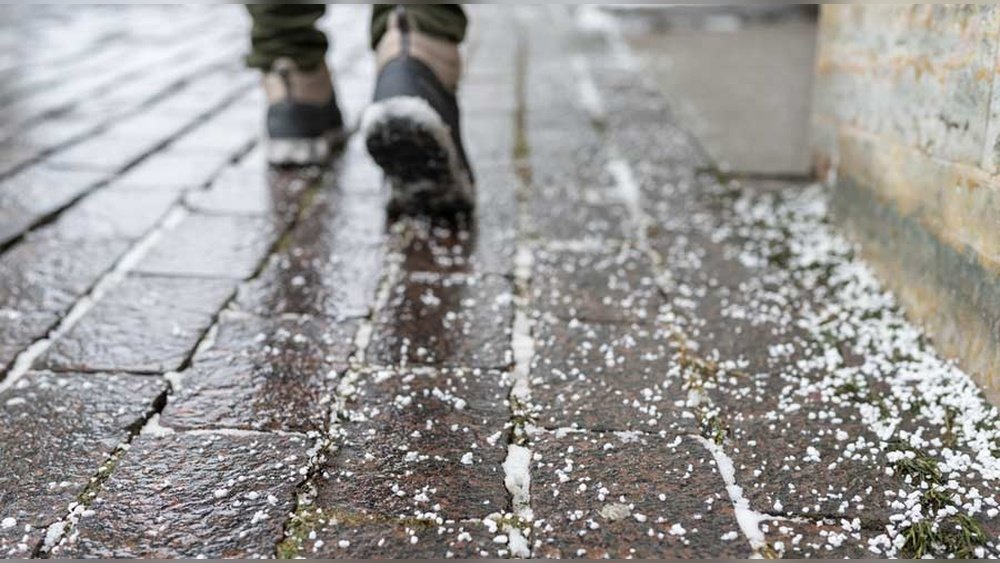
Winter brings beauty, but also big risks. When ice covers your walkway, it becomes slippery and dangerous. Falls on icy paths can cause serious injuries, especially for older adults and children. If you live where snow and ice are common, learning safe ice removal is important for your home, health, and peace of mind.
This guide will show you the best ways to remove ice from walkways safely. You’ll learn about deicing methods, tools, eco-friendly options, and practical tips. Whether you want to clear your own path or help neighbors, you’ll find the right solution here. The advice is clear, simple, and works for people who speak English as a second language.
Why Safe Ice Removal Matters
Removing ice from walkways is not just about comfort. It’s about protecting yourself and others. Each year, the Centers for Disease Control and Prevention (CDC) reports that over 1 million Americans are injured from slips and falls on ice and snow. The cost of medical bills and lost work time can be high. Some cities require homeowners to keep sidewalks clear, or they may face fines.
Unsafe ice removal can cause:
- Physical injuries (back pain, muscle strain)
- Damage to walkways (cracks from improper tools)
- Environmental harm (from toxic chemicals)
- Legal problems (if someone falls on your property)
Learning safe, effective methods saves time, money, and worry. It also keeps your neighborhood welcoming.
Understanding Ice Formation On Walkways
Before you start removing ice, it helps to know how it forms. Walkway ice usually happens when:
- Snow melts and refreezes at night
- Rain falls during cold temperatures
- Water leaks from gutters, then freezes
- Foot traffic packs snow into ice
Some surfaces freeze faster than others. Concrete and stone are common walkway materials that can become icy quickly. Shaded areas and north-facing paths are more likely to stay frozen. Knowing these details helps you plan your ice removal better.
Choosing The Right Tools For Ice Removal
Using the right tool makes ice removal easier and safer. Here are the most common tools and their uses:
| Tool | Best Use | Pros | Cons |
|---|---|---|---|
| Snow Shovel | Light snow, loose ice | Easy, cheap, safe | Hard on thick ice |
| Ice Scraper | Thin ice layers | Precise, good for steps | Slow for large areas |
| Ice Chopper | Thick, hard ice | Effective, strong | Heavy, tiring |
| Push Broom | Loose snow, slush | Gentle, fast for light snow | Not good for solid ice |
| Deicer Spreader | Spreading salt or alternatives | Even coverage | Needs regular refill |
Tip: Always check the handle length and weight. Lightweight tools reduce strain. For older adults, ergonomic handles help prevent injuries.
Safe Manual Ice Removal Techniques
Manual removal is the oldest method. It’s simple, but must be done carefully. Here’s how to safely clear ice by hand:
- Dress Properly: Wear insulated gloves, boots with good traction, and layered clothing. Avoid slippery shoes.
- Warm Up: Stretch before starting. Cold muscles are more likely to get injured.
- Clear Loose Snow First: Use a shovel or broom to remove snow before dealing with ice.
- Break Up Ice: Use an ice scraper or chopper. Start at the edges and work toward the middle. Don’t hit the walkway hard; tap gently to loosen ice.
- Remove Small Pieces: Sweep or shovel away loose chunks.
- Watch Your Posture: Bend your knees, not your back. Lift with your legs to avoid strain.
- Take Breaks: Ice removal is tiring. Rest every 15-20 minutes to avoid fatigue.
Common Mistake: Many people use metal tools on delicate surfaces, which can cause scratches or cracks. For brick or tile walkways, try plastic tools.
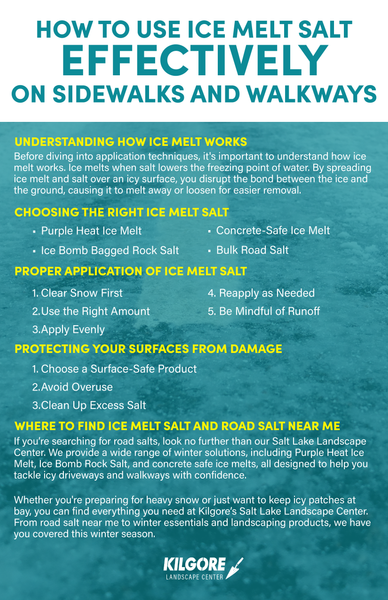
Using Chemical Deicers Safely
Chemical deicers are popular because they melt ice quickly. But they must be used carefully to avoid harming pets, plants, and the environment.
Types Of Chemical Deicers
| Deicer Type | Main Ingredient | Melting Temperature | Environmental Impact |
|---|---|---|---|
| Rock Salt | Sodium chloride | 15°F (-9°C) | High; harms grass, pets |
| Calcium Chloride | Calcium chloride | -25°F (-32°C) | Moderate; less harmful |
| Magnesium Chloride | Magnesium chloride | -13°F (-25°C) | Lower; safer for plants |
| Potassium Chloride | Potassium chloride | 20°F (-6°C) | Low; good for gardens |
| Urea | Urea | 15°F (-9°C) | Lowest; not for pets |
Best Practices For Using Deicers
- Follow Instructions: Always read the label. Use only the recommended amount.
- Apply Before Snow/Ice: Deicers work best when applied before ice forms.
- Avoid Overuse: Too much deicer can damage walkways, soil, and water.
- Keep Away from Pets: Many deicers are toxic if licked or eaten by animals.
- Store Safely: Keep deicers in dry, secure containers, away from children and pets.
Non-obvious Insight: Some deicers lose effectiveness below certain temperatures. If it’s very cold, choose calcium chloride or magnesium chloride for better results.
Eco-friendly Ice Removal Solutions
Many people want to protect their yards and pets. Eco-friendly ice removal is becoming more popular. Here are safe alternatives:
Sand And Grit
Sand, kitty litter, or crushed stone do not melt ice, but they provide traction. Spread them over icy spots to reduce slipping.
- Pros: Safe for plants and animals, cheap
- Cons: Messy, must be cleaned up after thaw
Beet Juice And Brine
Some cities now use beet juice mixed with salt brine. It lowers the freezing point and is less harmful to the environment.
- Pros: Less toxic, good for roads and large areas
- Cons: May stain surfaces, not always easy to find
Heated Mats
Heated walkway mats plug into an outlet and melt ice as you walk. They’re reusable and safe for pets.
- Pros: No chemicals, quick, easy to use
- Cons: Expensive, needs electricity
Diy Solutions
Some people make their own deicer using household items. A common recipe is:
- 1/2 gallon of hot water
- 1/4 cup of rubbing alcohol
- 6 drops of dish soap
Mix and pour over icy spots. The alcohol lowers the freezing point, and soap helps spread the mixture.
Non-obvious Insight: DIY solutions can reduce chemical use, but must be applied carefully. If you use too much water, it may freeze again. Always sweep away excess water.
Preventing Ice Formation
Prevention is easier than removal. Here are smart ways to stop ice before it forms:
- Shovel Regularly: Remove snow as soon as it falls. Packed snow turns into ice.
- Improve Drainage: Fix gutters and downspouts so water does not flow onto walkways.
- Use Salt Early: Apply a small amount of deicer before a storm hits.
- Install Mats: Heated or textured mats can prevent ice buildup.
- Trim Branches: Sunlight melts ice. Trim trees to let more light onto walkways.
Pro Tip: If you know a storm is coming, sprinkle sand or salt in advance. It’s much easier to prevent ice than to break it up later.
Techniques For Different Walkway Materials
Not all walkways are the same. Concrete, brick, asphalt, and wood need different care. Here’s how to handle each:
Concrete Walkways
- Avoid metal tools: Use plastic shovels to prevent scratches.
- Limit salt use: Salt can cause concrete to crack. Use calcium or magnesium chloride.
- Seal yearly: Apply a concrete sealer to protect from freeze-thaw damage.
Brick Walkways
- Sweep gently: Bricks can chip. Use a broom or plastic shovel.
- Use sand for traction: Sand is safe for brick and helps prevent slipping.
- Check joints: Refill gaps with sand to keep bricks stable.
Asphalt Walkways
- Use salt sparingly: Too much salt weakens asphalt.
- Repair cracks: Water gets into cracks and freezes, causing more damage.
- Shovel at an angle: Avoid sharp tools.
Wood Decks And Walkways
- Skip salt: Salt damages wood. Use sand or cat litter.
- Shovel along the grain: Prevent splinters by shoveling with the wood grain.
- Clean regularly: Ice buildup can cause rot.
Unexpected Mistake: Many homeowners use salt on wood, which leads to rotting and discoloration. Always use sand or eco-friendly options.
Credit: asphaltmaterials.net
Walkway Ice Removal Safety Tips
Safety is the priority. Here’s how to stay safe while removing ice:
- Work during daylight: Better visibility reduces accidents.
- Use slip-resistant footwear: Shoes with rubber soles grip better.
- Keep children and pets away: Chemicals and sharp tools are dangerous.
- Check for hidden objects: Clear leaves, sticks, or toys before starting.
- Don’t rush: Take your time. Rushing increases risk.
- Stay hydrated: Cold weather can cause dehydration.
Hidden Insight: Many injuries happen when people try to remove ice alone. If possible, work with a friend or family member for support.
When To Call A Professional
Sometimes ice removal is too much for one person. If you have a large area, thick ice, or physical limitations, consider professional help. Snow and ice removal services have the right tools and experience.
Signs You Need A Pro
- Ice is several inches thick
- Walkway is very large or steep
- You are injured or unable to lift
- Ice keeps coming back due to drainage issues
Professionals use machines like snow blowers, heated mats, and industrial deicers. This saves time and prevents injuries.
Cost Example: In the US, professional walkway clearing costs between $40 and $100 per visit, depending on area size and ice thickness.

Credit: asphaltmaterials.net
Comparing Ice Removal Methods
Here’s a quick comparison of common ice removal methods for walkways:
| Method | Effectiveness | Safety | Eco-Friendliness | Cost |
|---|---|---|---|---|
| Manual Shoveling | Moderate | High | High | Low |
| Chemical Deicers | High | Variable | Low to Moderate | Low |
| Heated Mats | High | High | High | High |
| Sand/Grit | Low (for melting) | High | High | Low |
| Professional Service | Very High | High | Variable | High |
Regional Considerations For Ice Removal
How you remove ice depends on where you live. Climate, weather patterns, and local laws matter.
Northern States (us And Canada)
- Frequent snow and ice
- Use heavy-duty tools
- Professional services common
Southern States
- Rare ice events
- Manual methods usually enough
- Eco-friendly solutions preferred
Urban Areas
- Sidewalks must be clear
- Local laws require quick removal
- Deicers are popular
Rural Areas
- Long driveways, large paths
- Professional help or machines needed
- Sand and gravel used more often
Local Law Example: In New York City, property owners must clear ice within 4 hours after snow stops. Fines can reach $350 for failure.
Smart Technology For Ice Removal
New technology can make ice removal easier. Here are some helpful devices:
- Heated driveway mats: Cover large areas and melt ice automatically.
- Smart weather sensors: Alert you when ice is forming.
- Electric snow blowers: Clear snow and slush quickly.
Some cities use smart salt spreaders to reduce environmental impact. Homeowners can buy smaller versions for personal use.
Practical Tips For Fast Ice Removal
Want to clear ice quickly? Try these practical tips:
- Start early: Don’t wait for ice to build up. Remove snow right away.
- Combine methods: Use both manual and chemical approaches for best results.
- Work in sections: Tackle small areas at a time, not the whole walkway at once.
- Use warm water carefully: Pouring warm water on ice melts it, but can refreeze fast. Sweep away water right after.
- Store tools near the door: Easy access helps you act fast during storms.
Mistake to Avoid: Never use boiling water. It can crack concrete and create more ice if not removed quickly.
Dealing With Persistent Ice Spots
Some walkways always have icy patches, even after removal. Here’s how to handle them:
- Check for leaks: Water from gutters or hoses often causes recurring ice.
- Level the surface: Uneven walkways trap water. Fix them in summer.
- Use permanent mats: Heated mats solve ongoing problems.
- Apply extra sand: More traction means fewer slips.
Long-term Solution: If the problem is severe, consider professional resurfacing or drainage improvements.
Environmental Impact And Sustainability
Ice removal can affect the environment. Chemicals wash into storm drains and local streams, harming wildlife. Sand and grit can block drains and damage plants. Choose methods that balance safety and sustainability.
- Use pet-safe deicers: These are less toxic and safer for animals.
- Limit chemical use: Only use what’s needed.
- Sweep up sand after thaw: Prevents pollution.
- Upgrade to heated mats: They use electricity, but are reusable.
For more environmental tips, visit the EPA’s guide on safe salt and snow removal.

Credit: www.flylight.co.uk
Frequently Asked Questions
How Can I Safely Remove Ice From A Walkway Without Chemicals?
Use manual tools like a plastic shovel, ice scraper, or push broom. Start by removing loose snow, then gently break up ice. Spread sand or kitty litter for traction. Heated mats are also a chemical-free option.
Are Chemical Deicers Safe For Pets And Plants?
Some deicers, like magnesium chloride and calcium chloride, are safer than regular salt. Always choose pet-safe products and use them in moderation. Avoid urea-based deicers for pets. Wash paws after walks to prevent irritation.
Can I Use Salt On All Types Of Walkways?
Salt works on concrete and asphalt but can damage brick and wood. Use sand, cat litter, or eco-friendly deicers for sensitive surfaces. Always check manufacturer recommendations for your walkway type.
What Should I Do If Ice Keeps Forming In The Same Spot?
Recurring ice usually means poor drainage. Fix gutters, level the walkway, and check for leaks. Install heated mats or apply sand regularly. Professional resurfacing may be needed for severe cases.
How Can I Prevent Ice From Forming On My Walkway?
Shovel snow early, apply deicer before storms, improve drainage, and use heated mats. Trim trees to let sunlight reach the walkway. Preventing ice is easier than removing it later.
Final Thoughts
Removing ice from walkways safely is essential for every homeowner in cold climates. With the right tools, techniques, and knowledge, you can protect yourself, your family, and your neighbors. Choose methods that fit your walkway, climate, and environmental values. Remember, prevention works best.
Regular maintenance, eco-friendly solutions, and careful planning make winter safer and easier.
Stay prepared, stay safe, and enjoy the beauty of winter without the worry.