
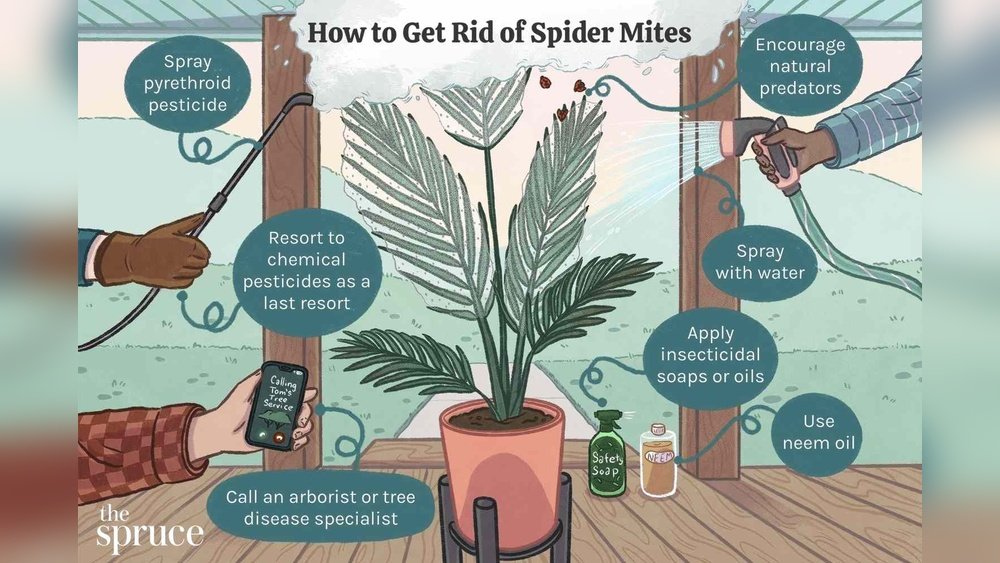
Spider mites are tiny, but their damage to plants can be huge. These pests often appear out of nowhere, leaving gardeners frustrated and confused. If you’ve noticed leaves turning yellow, losing their color, or covered in small webs, you might be dealing with a spider mite infestation.
Getting rid of spider mites is not always easy, but with the right approach, you can reclaim your healthy plants. This guide will help you understand spider mites, recognize their presence, and use effective strategies to remove them and keep them away.
What Are Spider Mites?
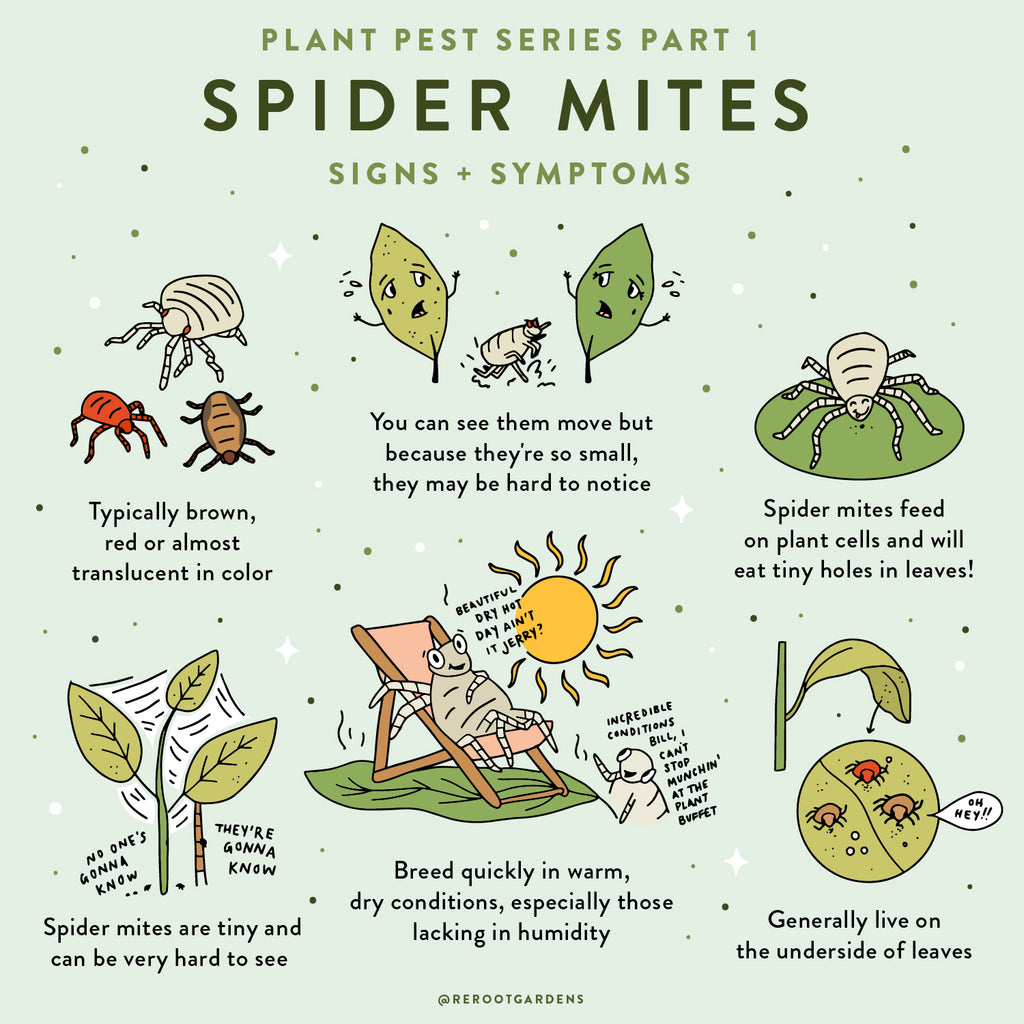
Spider mites are part of the arachnid family, which means they are relatives of spiders and ticks. The most common species found on houseplants and garden plants is the two-spotted spider mite (Tetranychus urticae). These mites are usually less than 1 mm long—so small they are hard to see without a magnifying glass.
Even though they are tiny, spider mites reproduce quickly. A single female can lay hundreds of eggs in just a few weeks. That’s why an infestation can seem to appear overnight, especially in hot, dry conditions. Unlike insects, spider mites have piercing mouthparts that suck out the juices from plant cells.
This feeding causes the leaves to look mottled or speckled and weakens the whole plant.
How To Identify A Spider Mite Infestation
Catching spider mites early gives you the best chance to save your plants. Here’s how to spot the signs:
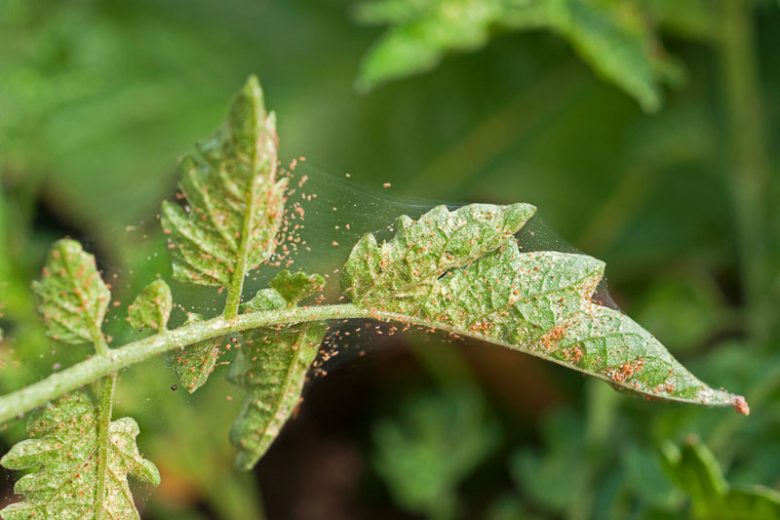
- Speckled leaves: Look for tiny yellow or white dots on the leaves.
- Fine webbing: Spider mites spin thin webs, usually under the leaves or between stems.
- Leaf drop: Damaged leaves may fall off the plant.
- Stunted growth: Plants may stop growing or look unhealthy.
- Tiny moving dots: If you look closely, you may see very small red, green, or yellow dots moving slowly.
If you suspect spider mites, gently tap a leaf over a white sheet of paper. If tiny specks fall and start moving, you probably have spider mites.
Credit: www.gardenia.net
Why Do Spider Mites Appear?
Spider mites thrive in hot, dry conditions. They are more common indoors during winter when the air is dry, or outdoors in summer heat. Over-fertilizing with nitrogen-rich products can make plants more attractive to spider mites. Dusty leaves also help spider mites settle in, as the dust protects them from predators and sprays.
Another common reason for outbreaks is lack of natural enemies. In nature, small insects and predatory mites keep spider mites in check. But indoors, these natural controls are often missing.
Physical And Mechanical Removal
One of the fastest ways to reduce spider mite numbers is by removing them physically. This is especially helpful for smaller infestations.
Rinse Plants With Water
Use a strong stream of water to wash the mites off leaves and stems. For outdoor plants, a garden hose works well. For houseplants, take them to the sink or shower and rinse all sides of the leaves. Pay special attention to the undersides, where spider mites gather.
Prune Heavily Infested Parts
If some leaves or branches are covered with webs, cut them off and put them in a sealed bag. Throw the bag away outside your home. This can stop the mites from spreading to other parts of the plant.
Wipe Leaves
For small plants, use a damp cloth or paper towel to wipe both the top and bottom of each leaf. This removes mites, eggs, and dust. Always clean your hands and tools after wiping.
Vacuuming
For larger indoor plants, a handheld vacuum can help suck up spider mites and webbing. Use the lowest suction to avoid damaging leaves.
Pro Tip: Repeat these steps every few days. One round is rarely enough, as eggs may hatch later.
Credit: www.rerootgardens.com
Biological Controls: Using Nature Against Spider Mites
Letting nature help is a smart way to manage spider mites, especially in gardens or greenhouses. Biological controls use natural predators that feed on spider mites but don’t harm your plants.
Predatory Mites
Species like Phytoseiulus persimilis and Amblyseius andersoni are popular. These mites are slightly larger than spider mites and can eat dozens of them each day. You can buy predatory mites online or at garden centers.
- Release them in the early morning or evening (not in the hot sun).
- Make sure the plants are slightly moist; predatory mites need humidity.
- Don’t use pesticides before or after releasing, as they may kill the good mites too.
Ladybugs And Lacewing Larvae
Both ladybugs and lacewing larvae eat spider mites, especially in outdoor gardens. You can attract these insects by planting flowers like dill, fennel, or yarrow nearby.
Benefits And Limitations
Biological controls are most effective for low to moderate infestations. They may not work as fast as chemicals, but they are safe for people, pets, and pollinators.
Organic Solutions And Home Remedies
Many people want to avoid harsh chemicals, especially on food plants or in homes with kids and pets. There are several safe, organic solutions you can try.
Insecticidal Soap
Special soaps designed for plants can break down the protective outer layer of spider mites, killing them on contact.
- Mix according to the label and spray all plant surfaces, especially under the leaves.
- Reapply every 5–7 days until the mites are gone.
- Test on one leaf first to make sure your plant is not sensitive.
Neem Oil
Neem oil is a natural extract from the neem tree. It works by smothering mites and disrupting their life cycle.
- Mix 1–2 teaspoons of neem oil with 1 quart of water and a few drops of dish soap.
- Spray all parts of the plant, including the undersides of leaves.
- Repeat every week as needed.
Horticultural Oil
Oils like canola, cottonseed, or mineral oil can be used much like neem oil. They block the mites’ breathing pores and kill eggs.
Rubbing Alcohol
A solution of 70% isopropyl alcohol and water (mix half and half) can be wiped onto leaves or sprayed. Alcohol kills adult mites on contact but won’t affect eggs, so repeat every few days.
Garlic And Pepper Sprays
Homemade sprays made from garlic or hot peppers can repel spider mites. These are less effective but may help with light infestations.
- Blend 2 garlic cloves or 1 hot pepper with 1 quart of water.
- Strain and spray on affected plants.
- Always test on one leaf first.
Diatomaceous Earth
Food-grade diatomaceous earth is a fine powder that damages the mites’ bodies. Sprinkle it on the soil or leaves, but avoid breathing the dust.
Limitations Of Home Remedies
Organic and homemade solutions work best when used early and repeatedly. Spider mites lay eggs quickly, so persistence is key. Some plants are sensitive, so always test sprays on a small area before treating the whole plant.
Chemical Control: When And How To Use Miticides
Sometimes, the infestation is so severe that chemical controls become necessary. Miticides are products designed to kill mites specifically. Not all insecticides work against spider mites, so choose carefully.
Types Of Miticides
Miticides come in different forms: sprays, concentrates, and systemic products. Some work on contact, while others are absorbed by the plant and kill mites when they feed.
How To Use Miticides Safely
- Read and follow label directions exactly.
- Wear gloves, eye protection, and a mask if needed.
- Apply in the evening or early morning to reduce harm to pollinators.
- Avoid using the same product repeatedly—mites can develop resistance.
Common Active Ingredients
Here are some common miticide ingredients and their targets:
| Active Ingredient | Works on Adults | Works on Eggs | Notes |
|---|---|---|---|
| Abamectin | Yes | Partial | Not for edible crops |
| Hexythiazox | No | Yes | Targets eggs/young mites |
| Pyrethrin | Yes | No | Natural, but breaks down quickly |
| Horticultural Oil | Yes | Yes | Safe for most plants |
When To Use Chemical Controls
Only use chemicals when all other methods fail and the plant’s health is at risk. Always consider the impact on beneficial insects and the environment.
Non-obvious insight: Some miticides only kill adults, not eggs. Alternate between products or repeat treatments to break the mite life cycle.
Environmental Changes To Prevent Spider Mites
Changing the plant’s environment can make it less friendly to spider mites and help prevent future outbreaks.
Humidity
Spider mites hate high humidity. Raise the moisture around your plants by misting the leaves, grouping plants together, or using a humidifier. This is especially helpful for houseplants.
Dust Control
Dusty leaves attract spider mites. Wipe plant leaves with a damp cloth or rinse them regularly to keep dust away.
Proper Watering
Underwatered plants are more vulnerable. Water your plants according to their needs and avoid letting the soil dry out completely (unless the plant prefers dry conditions).
Avoid Over-fertilizing
Too much nitrogen makes plants soft and more attractive to pests. Use a balanced fertilizer and follow recommended rates.
Quarantine New Plants
Always isolate new plants for 2–3 weeks before bringing them near your other plants. This helps stop pests from spreading.
Air Circulation
Good airflow helps keep leaves dry and less welcoming to mites. Space plants so air can move around them.
Use Resistant Plant Varieties
Some plant types are naturally less attractive to spider mites. Research and choose resistant varieties when possible.
Comparing Different Spider Mite Control Methods
It helps to see how different solutions measure up for effectiveness, safety, and speed. Here’s a comparison:
| Control Method | Effectiveness | Safety | Speed | Best For |
|---|---|---|---|---|
| Physical Removal | Moderate | Very Safe | Immediate | Small infestations |
| Biological Controls | High | Very Safe | Slow–Medium | Gardens, greenhouses |
| Organic Sprays | Medium | Safe | Medium | Houseplants, food crops |
| Chemical Miticides | High | Risky | Fast | Severe infestations |
| Environmental Changes | Prevention | Very Safe | Slow | All settings |
Mistakes To Avoid When Dealing With Spider Mites
Spider mite problems can get worse if you make the wrong moves. Here are common mistakes and how to avoid them:
- Ignoring the problem: Early signs are easy to miss. Check your plants often, especially the undersides of leaves.
- Using the wrong pesticide: Many insect sprays do not work on spider mites, and some can harm beneficial insects.
- Not repeating treatments: One spray or rinse is rarely enough. Mites lay eggs that hatch later.
- Overusing chemicals: Too much pesticide can hurt your plants and create resistant mites.
- Skipping quarantine: Bringing in new plants without checking them can spread mites quickly.
- Letting plants get too dry: Dry air and soil help mites multiply fast.
- Neglecting natural controls: Removing all insects from your garden may remove the natural predators too.
Non-obvious insight: If you use chemical sprays, rotate between different active ingredients. Spider mites develop resistance quickly if exposed to the same chemical over and over.
How Long Does It Take To Get Rid Of Spider Mites?
Getting rid of spider mites is not always quick. The time depends on:
- Infestation level: Small outbreaks may clear up in 1–2 weeks. Heavy infestations can take a month or more.
- Methods used: Physical and organic methods need repeated treatments. Chemicals may give quick results but require follow-up.
- Plant type: Some plants recover faster than others.
- Environment: High humidity and regular cleaning speed up recovery.
Pro Tip: Keep treating for 2 weeks after you see no more mites. This helps catch any late-hatching eggs.
How To Tell If Spider Mites Are Gone
It’s easy to think the problem is solved when you don’t see damage, but spider mites are experts at hiding. Here’s how to know they’re really gone:
- No new speckling or yellowing: Leaves stay healthy and green.
- No webbing: The thin silk disappears from leaf joints and stems.
- No moving dots: Use the white paper test to check for tiny mites.
- New growth is normal: New leaves look healthy and strong.
Keep watching your plants for several weeks. If you see symptoms returning, repeat your treatment plan.
Special Tips For Indoor Plants
Houseplants often suffer more from spider mites because indoor air is dry and there are no natural predators. Here’s how to protect them:
- Increase humidity: Place plants on trays with pebbles and water, or use a room humidifier.
- Separate infested plants: Move sick plants away from healthy ones.
- Clean often: Wipe leaves regularly and vacuum around pots.
- Avoid drafts: Don’t place plants near heaters or air vents, which dry the air.
- Inspect plants after buying: Always check new plants before adding them to your collection.
Special Tips For Outdoor Gardens
Garden plants can also get spider mites, especially in hot, dry summers. Try these outdoor strategies:
- Water deeply: Well-watered plants resist spider mites better.
- Mulch soil: Keeps roots cool and moist.
- Attract beneficial insects: Plant flowers that bring ladybugs and lacewings.
- Use a strong hose spray: Blast mites off leaves with water.
- Don’t over-fertilize: Use slow-release, balanced fertilizers.

Credit: www.youtube.com
The Life Cycle Of Spider Mites And Why It Matters
Understanding the spider mite life cycle helps you plan your attack. Here’s a simple timeline:
- Egg stage: Eggs hatch in 3–5 days in warm weather.
- Larva stage: Tiny, six-legged mites feed for a day or two.
- Nymph stages: Two nymph stages, each lasting about a day.
- Adult stage: After a few more days, they become adults and start laying eggs.
The whole cycle can be as short as 5–7 days in hot, dry conditions. That’s why you must repeat treatments every 3–5 days to catch new hatchlings.
Will Spider Mites Come Back?
Spider mites can return if the environment stays dry or dusty, or if you bring in new plants without checking them. Some species can survive in soil or plant debris, waiting for better conditions.
To keep them away:
- Maintain humidity.
- Clean leaves regularly.
- Isolate new plants.
- Use preventive sprays (like neem oil) every few weeks during risky seasons.
Comparing Spider Mites With Other Plant Pests
Not every leaf spot or web means spider mites. Here’s how they compare to other common pests:
| Pest | Size | Webbing | Leaf Damage | Location |
|---|---|---|---|---|
| Spider Mites | Tiny, <1 mm | Fine silk webs | Speckled, yellow leaves | Undersides of leaves |
| Aphids | Small, 2–4 mm | No | Sticky honeydew, distorted leaves | Stems, leaf tips |
| Whiteflies | Tiny, 1–2 mm | No | Yellowing, sticky leaves | Leaf undersides |
| Thrips | Small, 1–2 mm | No | Silvery streaks, black dots | All over leaves |
Look for fine silk webs and moving dots to confirm spider mites.
Natural Predators And Their Role
Nature has its own way of controlling spider mites. Besides predatory mites, there are other helpful insects:
- Minute pirate bugs: Eat mites and other small pests.
- Stethorus beetles: Known as the “spider mite destroyer.”
- Big-eyed bugs: Feed on mites and insect eggs.
These predators work best outdoors or in greenhouses. Avoid using broad-spectrum pesticides, as these can kill both pests and their natural enemies.
How To Clean Up After Spider Mites
Once the mites are gone, take steps to help your plant recover:
- Remove any dead or damaged leaves to prevent mold and help new growth.
- Wash the whole plant with mild soap and water to remove any leftover eggs or debris.
- Repot if the soil is very dry or infested.
- Fertilize gently to support recovery, but don’t overdo it.
If your plant lost a lot of leaves, give it extra care with proper light, water, and humidity.
When To Give Up And Start Over
Sometimes, a plant is too far gone. If you see:
- Most leaves lost or heavily damaged
- Continuous infestations after many treatments
- Signs of rot or mold
It may be time to discard the plant. Bag it securely and throw it away. Clean the area and all nearby pots to prevent spreading mites.
Frequently Asked Questions
What Causes Spider Mites To Appear Suddenly?
Spider mites multiply fast in hot, dry conditions. Indoor heating, low humidity, or bringing in new infested plants can cause a sudden outbreak. They are hard to see at first, so you may only notice them when damage becomes obvious.
Are Spider Mites Dangerous To Humans Or Pets?
No, spider mites do not bite people or pets. They only feed on plants. However, their webs and leaf dust can trigger allergies for some people.
How Can I Prevent Spider Mites In The Future?
Keep humidity high, clean leaves regularly, and check new plants before bringing them home. Use natural predators in the garden and avoid over-fertilizing. Preventive sprays like neem oil can also help during risky seasons.
Will Dish Soap Kill Spider Mites?
Mild dish soap mixed with water can kill spider mites by breaking down their outer coating. However, always use a gentle soap and test on one leaf before spraying the whole plant, as some soaps can damage sensitive plants.
Where Can I Get More Information About Spider Mites?
For more detailed, science-based advice, visit the North Carolina State University Entomology Extension.
Getting rid of spider mites takes patience and the right approach. By combining physical removal, natural predators, organic sprays, and environmental changes, you can protect your plants and enjoy a healthy, pest-free garden. With vigilance and a few smart habits, spider mites don’t stand a chance.