
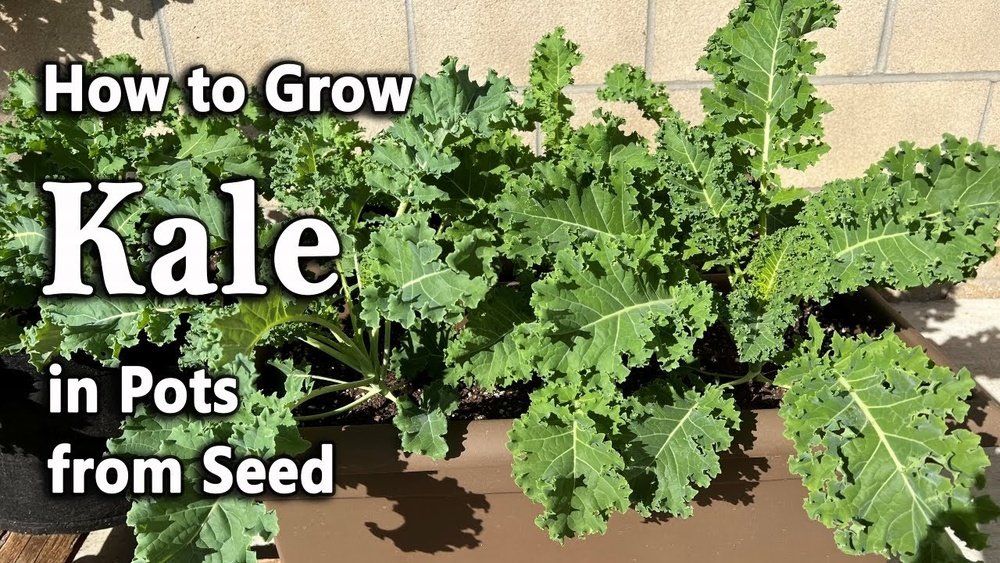
Kale is one of the most rewarding leafy greens you can grow, even if you don’t have a backyard. With its rich nutrients, unique taste, and ability to keep producing leaves, kale is perfect for anyone who wants fresh greens year-round. Container gardening makes it possible to grow kale on balconies, patios, rooftops, or even indoors near a sunny window. But to succeed, you need to understand how kale behaves, what it loves, and how to meet its needs in a small space.
Growing kale in containers is not just about sticking seeds in soil and waiting. There’s an art to picking the right pot, creating the best soil mix, handling watering, and fighting pests. If you follow the right steps, you’ll be rewarded with crisp, delicious leaves that taste much better than most store-bought kale.
This guide gives you everything you need to know—from choosing containers to harvesting your first leaves. We’ll cover common mistakes, smart tips, and even some advanced tricks that many beginners overlook. Whether you’re new to gardening or have tried and failed before, you’ll finish with the confidence to grow healthy, beautiful kale in containers.
Why Grow Kale In Containers?
Container gardening is a practical solution for anyone with limited space. Kale thrives in pots if you set up the right conditions. Here’s why growing kale in containers is a great idea:
- Space-saving: Perfect for apartments or homes with no garden.
- Control: You can manage soil quality, watering, and sunlight easily.
- Mobility: Move pots to chase the sun, avoid frost, or fit your schedule.
- Fewer weeds and pests: Containers reduce garden weeds and some soil-borne pests.
- Harvest flexibility: Pick leaves as you need, and the plant keeps producing.
Many people also find that kale grown in containers stays cleaner and is less likely to get damaged by animals or heavy rain.
Choosing The Right Container
The container you pick will shape your kale’s health and growth. Too small, and roots get crowded. Too deep, and you waste soil. Let’s break down what matters:
Size And Depth
Kale grows a long taproot, so the container must be deep enough for the roots to stretch. Here’s a quick comparison of common container sizes for growing one kale plant:
| Container Size | Minimum Depth | Number of Plants |
|---|---|---|
| 1 gallon (small pot) | 6-8 inches | 1 (small variety only) |
| 3-5 gallons (standard pot/bucket) | 10-12 inches | 1-2 |
| 7-10 gallons (large tub) | 12-18 inches | 2-4 |
Tip: Bigger containers hold more moisture and nutrients, meaning you water less often and get healthier plants. For most people, a 5-gallon pot per plant is ideal.
Material
- Plastic: Lightweight, cheap, and holds moisture well. Can heat up in full sun.
- Terracotta/clay: Looks nice, but dries out quickly—needs more frequent watering.
- Fabric/Smart Pots: Great drainage and root health, but dry faster.
- Metal: Heats up quickly—can stress roots unless shaded.
Drainage
Good drainage is essential. Kale hates soggy roots. Always pick pots with holes in the bottom. You can add a layer of small stones or broken pottery at the base to improve drainage, but it’s not required if you use good soil.
Color And Location
Dark containers absorb heat, which can be good in spring/fall but bad in midsummer. Light-colored pots reflect sun and keep roots cooler. Place your containers where they get at least 6 hours of sun, but you can move them if it gets too hot.
Non-obvious insight: Some gardeners use self-watering containers for kale. These can help maintain even moisture, especially in hot climates. But don’t let the water reservoir go dry, or roots can suffer.
Choosing The Best Kale Variety For Containers
Not all kale types are equal for container growing. Some grow tall and bushy; others are compact. Here are popular options, and how they compare:
| Kale Variety | Growth Habit | Flavor | Best for Containers? |
|---|---|---|---|
| Dwarf Blue Curled | Compact, bushy | Mild, sweet | Excellent |
| Lacinato (Dinosaur/ Tuscan) | Upright, tall | Earthy, tender | Good |
| Red Russian | Medium, spreading | Slightly peppery | Good |
| Siberian | Large, leafy | Mild | Fair (needs big pot) |
| Premier | Compact, fast-growing | Sweet | Excellent |
Tip: For small containers, pick dwarf or compact varieties. If you have bigger pots or want more leaves, you can try larger types.
The Ideal Soil Mix For Container Kale
Kale does best in loose, rich, well-drained soil. Garden soil is usually too heavy for pots. Here’s how to make the best mix:
- 1 part high-quality potting mix (base of most mixes)
- 1 part compost (adds nutrients and good microbes)
- ½ part perlite or coarse sand (improves drainage)
- A handful of worm castings (for extra nutrients, optional)
- A pinch of slow-release organic fertilizer (balanced N-P-K, e.g., 4-4-4)
pH matters: Kale prefers slightly acidic to neutral soil (pH 6.0–7.0). If you’re unsure, most potting mixes are in the right range.
Non-obvious insight: Avoid using only compost or manure—too much can burn roots and cause poor growth. Always mix with potting soil.
Sowing Kale: Seeds Vs. Seedlings
You can start kale from seeds or buy young plants (seedlings). Each method has pros and cons.
Starting From Seeds
- Cheaper and gives more choice of varieties.
- Sow seeds ¼ to ½ inch deep in moist soil.
- Keep soil damp, not wet.
- Seeds usually sprout in 5–10 days.
Tip: Sow 2–3 seeds per pot, then thin to the strongest seedling after two weeks.
Using Seedlings
- Faster start—ready to harvest sooner.
- Easier for beginners.
- Gently remove from nursery pot, loosen roots, and plant at the same depth.
Transplant shock can slow growth, but kale usually recovers quickly.
Light Requirements For Container Kale
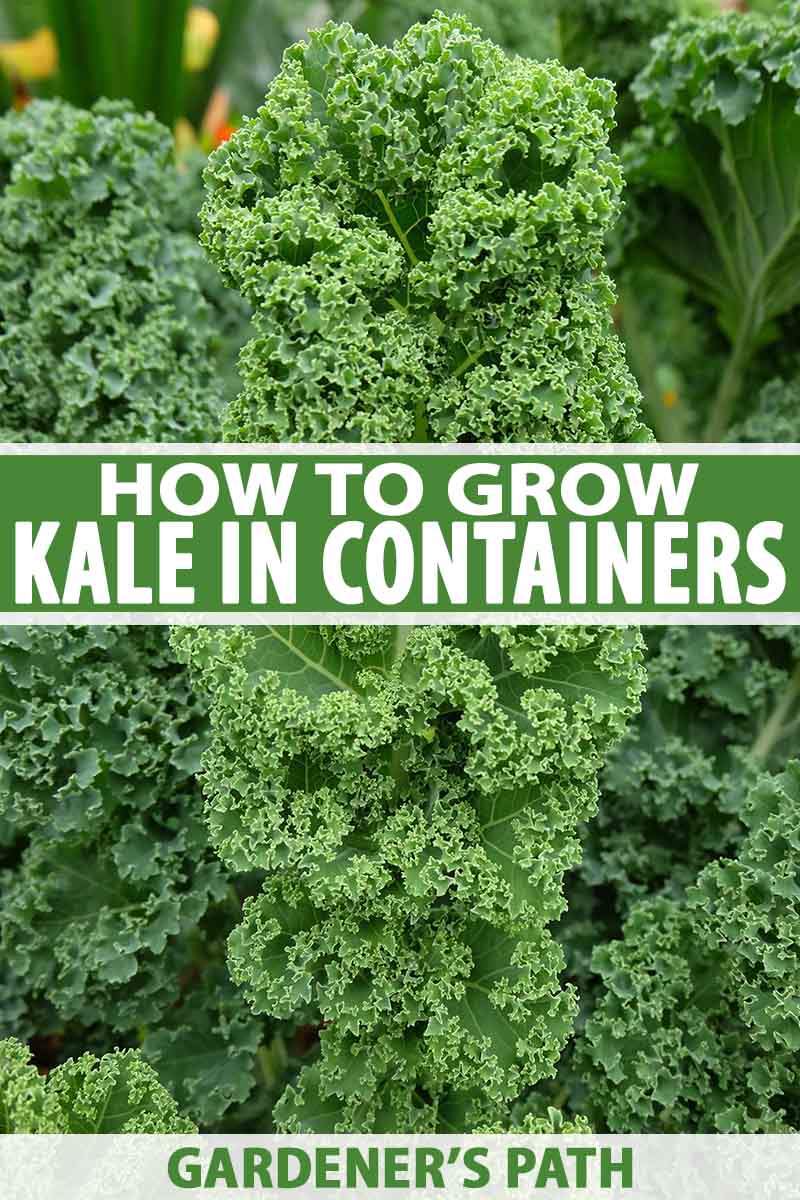
Kale loves sun but also tolerates some shade, making it flexible for containers.
- Best: 6–8 hours of sunlight daily.
- Minimum: 4 hours; growth slows but still possible.
- Too much sun (hot climates): Afternoon shade helps prevent wilting.
If growing indoors, use a bright south-facing window or supplement with grow lights (LED or fluorescent). Keep lights 6–12 inches above plants, for 12–14 hours a day.
Common mistake: Putting containers in a spot with morning shade and afternoon sun can overheat roots. Try to give kale gentle morning sun and dappled afternoon shade if possible.
Credit: gardenerspath.com
Watering Kale In Containers
Container kale dries out faster than ground-grown plants, especially in warm weather. The goal is even moisture, not soggy soil.
- Water when the top inch of soil feels dry.
- In hot weather, you may need to water daily.
- In cooler months, water every 2–3 days.
How to water: Pour water slowly until it runs out the bottom. Avoid wetting leaves to reduce disease risk.
Signs Of Water Problems
- Underwatering: Leaves wilt, turn yellow, or taste bitter.
- Overwatering: Soil smells sour; roots rot; leaves turn pale.
Practical tip: Stick your finger into the soil to check moisture. Self-watering containers can reduce the risk of forgetting.
Fertilizing Container Kale
Kale is a heavy feeder—it needs steady nutrients to keep producing leaves.
When To Fertilize
- At planting: Mix in slow-release, balanced fertilizer.
- Every 3–4 weeks: Add liquid fertilizer (fish emulsion, seaweed, or balanced synthetic).
- Midseason boost: Sprinkle more compost or slow-release fertilizer on top.
Avoid: High-nitrogen fertilizers alone—they cause soft, weak growth.
Fertilizer Comparison
| Fertilizer Type | Pros | Cons |
|---|---|---|
| Compost | Organic, slow release, improves soil | May be low in some nutrients |
| Fish emulsion | Fast-acting, good micronutrients | Strong smell, needs frequent use |
| Balanced synthetic (e.g., 10-10-10) | Easy to use, predictable | Can build up salts, less eco-friendly |
Non-obvious insight: Foliar feeding (spraying diluted fertilizer on leaves) can give a quick boost if plants look pale, but don’t overdo it—once a month is enough.
How To Prune And Harvest Kale For Maximum Yield
Harvesting kale isn’t just about picking leaves—how and when you harvest affects future growth.
- Start picking outer leaves when they reach 4–6 inches long.
- Always leave the center leaves—this is where new growth happens.
- Harvest a few leaves from each plant per week.
Best time: Early morning, when leaves are crisp.
Practical tip: Use clean scissors or snap leaves off by hand. Don’t tear the stem—it may damage the plant.
Pruning For Longer Life
Pruning yellow or damaged leaves keeps plants healthy. If you cut the main stem above a leaf node, side shoots can grow, giving you more harvests.
Common mistake: Harvesting too many leaves at once weakens the plant. Take only 1/3 of the leaves at a time.
Managing Pests And Diseases In Container Kale
While containers reduce some problems, kale still attracts pests and diseases.
Common Pests
- Aphids: Tiny, sap-sucking insects that cluster on stems and leaves.
- Cabbage worms/loopers: Green caterpillars that chew holes.
- Flea beetles: Small black beetles that make tiny holes.
- Whiteflies: Small, white, flying insects.
How to control:
- Spray plants with a strong jet of water to remove aphids.
- Pick off caterpillars by hand.
- Use neem oil or insecticidal soap (safe for edible plants).
- Cover young plants with floating row covers.
Common Diseases
- Downy mildew: Yellow spots, fuzzy growth on leaves—keep leaves dry, give good air flow.
- Powdery mildew: White powder on leaves—remove infected leaves, avoid crowding.
- Root rot: From overwatering—use well-drained soil.
Non-obvious insight: Wash new seedlings before planting to remove hidden pests. Rotate kale pots with different crops each season to reduce disease buildup.
Kale Companion Plants For Containers
Companion planting means growing different plants together for mutual benefit. In containers, this can help repel pests and maximize yields.
Good companions:
- Herbs: Dill, cilantro, basil (repel some insects)
- Onions or garlic: Deter aphids and beetles
- Marigolds: Their scent confuses many pests
Poor companions:
- Other brassicas (broccoli, cabbage)—compete for nutrients and attract the same pests.
Tip: Don’t overcrowd pots—give each plant enough space for airflow and root growth.
Growing Kale Indoors Vs. Outdoors
Kale is flexible, but growing indoors and outdoors each has pros and cons.
Indoors
Pros:
- Less pest pressure
- Easy to control temperature and light
- Possible year-round harvest
Cons:
- Needs strong light (natural or grow lights)
- Less airflow—disease risk if crowded
Outdoors
Pros:
- Sunlight is free and powerful
- Larger containers possible
- Natural rain and airflow
Cons:
- More pests and weather stress
- Seasonal temperature changes
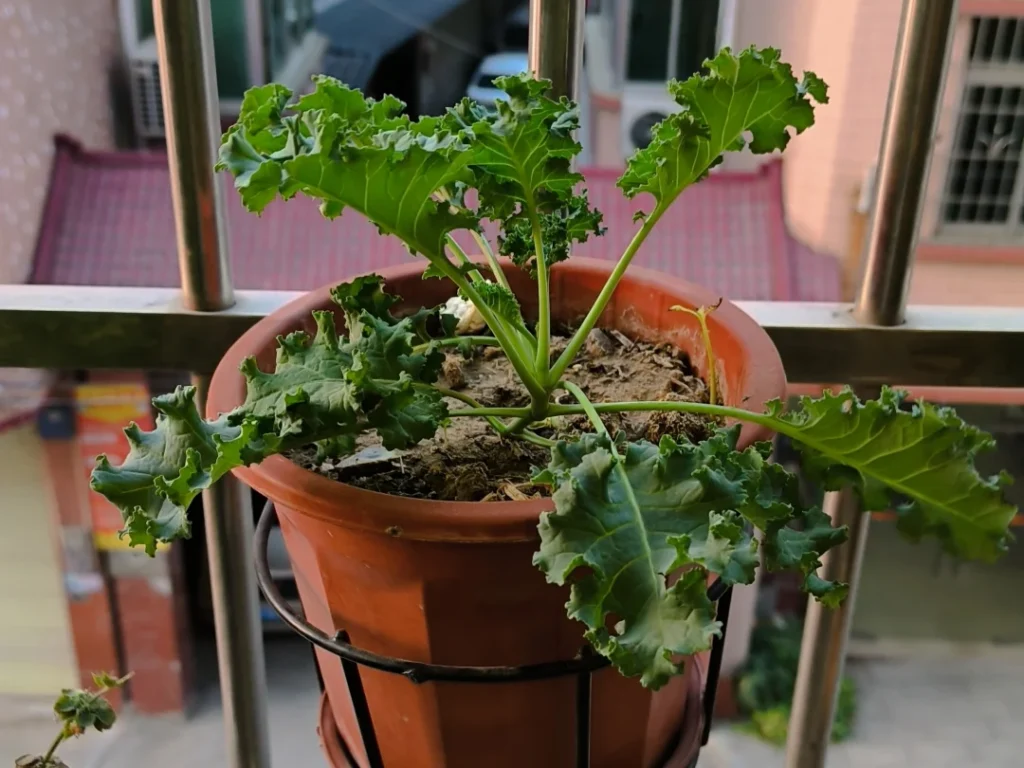
Non-obvious insight: Even if you grow outdoors, bringing containers inside during heatwaves or early frost can extend your harvest by weeks.
Credit: theplantingkey.com
How To Overwinter Or Extend Your Kale Harvest
Kale tolerates cold and even improves in flavor after a light frost. But with containers, you can do more:
- Move pots to a protected spot (near a wall, under cover) when frost threatens.
- Mulch with straw or leaves to insulate roots.
- Use row covers or cold frames for extra protection.
In mild climates: Kale can grow year-round outside.
In cold climates: Try bringing containers into a cool, bright room or unheated garage, and harvest leaves as needed.
Practical tip: Kale’s flavor gets sweeter after cold nights, but growth slows below 50°F (10°C).
Common Mistakes When Growing Kale In Containers
Many new gardeners make the same errors. Avoid these to ensure success:
- Using too small a pot: Roots get crowded; plants stay small.
- Overwatering: Soggy soil leads to root rot.
- Under-fertilizing: Kale stops producing if nutrients run out.
- Not thinning seedlings: Crowded plants compete and grow slowly.
- Ignoring pests: Small issues become big problems fast in containers.
- Harvesting the center leaves: Stops new growth.
- Placing pots in deep shade: Stunted, pale plants.
- Forgetting to rotate containers: Sunlight isn’t even—rotate pots for balanced growth.
Non-obvious insight: Kale can “bolt” (flower and go to seed) in hot weather or if stressed. Once this happens, leaves turn bitter and tough. Keep plants cool and well-fed to delay bolting.
Advanced Tips For Container Kale
Once you master the basics, try these strategies for even better results:
- Succession planting: Start new seeds every 4–6 weeks for a steady supply.
- Interplanting: Grow fast crops (radishes, lettuce) around young kale; harvest them before kale gets big.
- Vertical gardening: Use tall containers or stackable pots to maximize space.
- Soil refresh: Every 2–3 months, scrape off the top inch of soil and add fresh compost to restore nutrients.
Non-obvious insight: Kale grown in containers can sometimes lack trace minerals. Adding a small amount of kelp meal or liquid seaweed gives a boost of micronutrients for better flavor and health.
Harvesting And Using Your Container-grown Kale
Kale is ready to harvest 30–60 days after planting, depending on variety and growing conditions. Harvest often for the best flavor.
How To Store Kale
- Rinse leaves, shake off water, and wrap in a damp towel.
- Store in the fridge for up to a week.
- For longer storage, blanch and freeze leaves.
Ways To Use Kale
- Fresh in salads (young, tender leaves)
- Sautéed with garlic and olive oil
- Added to soups, stews, or stir-fries
- Baked as kale chips
Tip: Older, tougher leaves are great for cooking; save the youngest for raw dishes.
Credit: www.youtube.com
Troubleshooting: Why Isn’t My Kale Thriving?
If your kale isn’t growing well, check these factors:
- Leaves yellowing: Usually lack of nitrogen or overwatering.
- Leaves have holes: Pest problem—inspect for caterpillars or beetles.
- Plant is stunted: Too little sun, crowded roots, or not enough fertilizer.
- Leaves are bitter: Usually from heat, drought, or plant is bolting.
Adjust soil, watering, and feeding as needed. Move pots if sunlight or temperature is the problem.
Sustainable Practices For Container Kale
Kale is already eco-friendly, but you can do more:
- Reuse soil: Refresh with compost between plantings instead of discarding.
- Collect rainwater: Use for irrigation.
- Use organic seeds and fertilizers: Safer for pollinators and your health.
- Compost kitchen scraps: Make your own plant food.
Tip: When your kale plants finish producing, compost the old plants to close the loop.
Frequently Asked Questions
How Much Sun Does Kale Need In Containers?
Kale grows best with 6–8 hours of sun daily, but it can survive with as little as 4 hours. Less sun means slower growth and smaller leaves, but the plant will still be healthy. If you notice pale or leggy growth, move the container to a sunnier spot or add a grow light.
How Often Should I Water Kale In Containers?
Water whenever the top inch of soil feels dry. In hot weather, this can mean every day; in cooler weather, every 2–3 days. The exact frequency depends on pot size, material, and weather. Always ensure excess water drains out to prevent root rot.
Can I Grow Kale Indoors Without A Grow Light?
You can grow kale indoors on a sunny windowsill (preferably south-facing). However, if you don’t have at least 6 hours of strong sunlight, growth will be slow and leaves may be pale. For best results, use an LED or fluorescent grow light for 12–14 hours a day.
What Is The Best Fertilizer For Container-grown Kale?
A balanced fertilizer (like 4-4-4 or 10-10-10 NPK) is ideal for kale. Mix slow-release fertilizer into the soil at planting and give a liquid feed (such as fish emulsion or seaweed extract) every 3–4 weeks. Avoid high-nitrogen fertilizers, which can cause soft, weak growth.
How Long Does A Kale Plant Last In A Container?
Kale is a biennial—it can live up to two years if not exposed to extreme heat or allowed to flower. Most gardeners grow kale as an annual, harvesting for several months. If you keep harvesting outer leaves and avoid letting the plant bolt, you can enjoy fresh kale from a single plant for 6–12 months.
For further reading and in-depth information on growing kale, you may want to visit the University of Minnesota Extension.
Container kale is one of the most satisfying ways to grow your own food, even with limited space. With the right setup, a bit of care, and attention to detail, you’ll enjoy fresh, tasty leaves for months. Remember, every garden is a bit different—experiment and learn what works best in your conditions.
The first harvest is always the most exciting, but with container kale, every new leaf is a small victory. Happy gardening!