
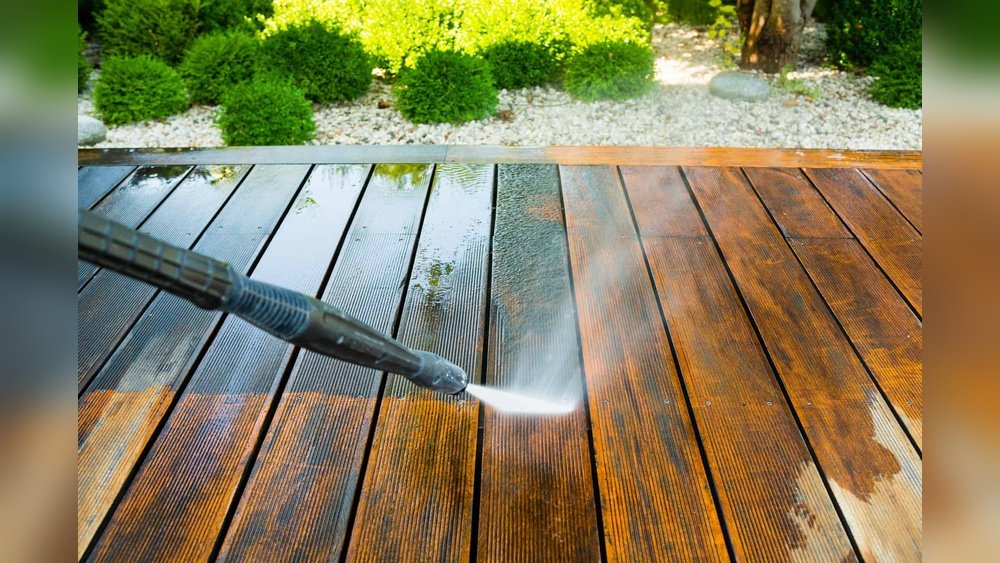
Power washing a composite deck can bring back its original beauty and extend its life. Many homeowners love composite decking for its durability and low maintenance, but even these surfaces need cleaning. If your deck is looking dull, stained, or slippery, a power washer can help.
However, using this tool incorrectly can damage the deck. This article will guide you step-by-step, share expert tips, and help you avoid common mistakes. You’ll learn how to get your composite deck sparkling clean without causing harm.
Understanding Composite Decks
Composite decks are made from a blend of wood fibers and plastic polymers. This mix creates a strong, weather-resistant surface. Unlike wood, composite decking doesn’t rot, splinter, or need staining. But, it can still get dirty from pollen, leaves, and spills.
Composite materials are not all the same. Some brands use more plastic, others more wood. High-quality composites resist fading and stains better. Lower-quality decks may be softer and more sensitive to pressure washing. Knowing your deck type is important before you start cleaning.
Key Features Of Composite Decks
- Moisture resistance: No rot or decay, making it ideal for wet climates and areas near water.
- Low maintenance: No painting or sealing, saving time and money every year.
- Color retention: Fades less than wood, so your deck stays looking new for longer.
- Slip resistance: Textured surface reduces slipping, which is useful after rain or when the deck is wet.
- Eco-friendly options: Many brands use recycled materials, helping reduce waste and environmental impact.
Some composite decks are capped with a protective layer. This cap improves stain resistance and makes cleaning easier. If your deck is uncapped, you’ll need to be more careful with power washing and cleaning products.
Common Problems
- Mold and mildew: Especially in shaded areas or spots that stay damp.
- Stains: Food, oil, leaves, and pollen can leave marks if not cleaned quickly.
- Fading: Sun exposure over time may lighten color, but not as much as wood.
- Scratches: From furniture or pets, sometimes visible on softer composites.
Composite decks are strong, but not indestructible. Power washing is safe if done correctly, but mistakes can leave permanent marks. For example, using too much pressure can cause “fuzzy” spots, where fibers rise and change the deck’s texture.
Why Power Wash A Composite Deck?
Regular sweeping removes loose dirt, but deep cleaning is needed for tough stains. Power washing uses high-pressure water to blast away grime, mold, and algae. It’s much faster and more effective than scrubbing by hand.
Benefits
- Restores appearance: Removes stains and brightens color, making the deck look almost new.
- Prevents slip hazards: Gets rid of algae and mildew, which can make the deck slippery and unsafe.
- Protects your investment: Helps the deck last longer by removing dirt that can cause wear.
- Prepares for repairs or sealing: Clean decks are easier to work on and show damage clearly.
According to a survey by the North American Deck and Railing Association, over 65% of homeowners clean their deck at least once a year. Those who power wash report fewer issues with mold and surface staining. Some homeowners also notice fewer pest problems, since a clean deck attracts fewer insects.
Another often-missed benefit is that power washing can help spot hidden damage. When dirt is removed, you can see cracks, loose boards, or nails that need fixing.
Preparing For Power Washing
Preparation is key to safe and effective cleaning. Start with a plan and gather your tools.
Essential Tools And Supplies
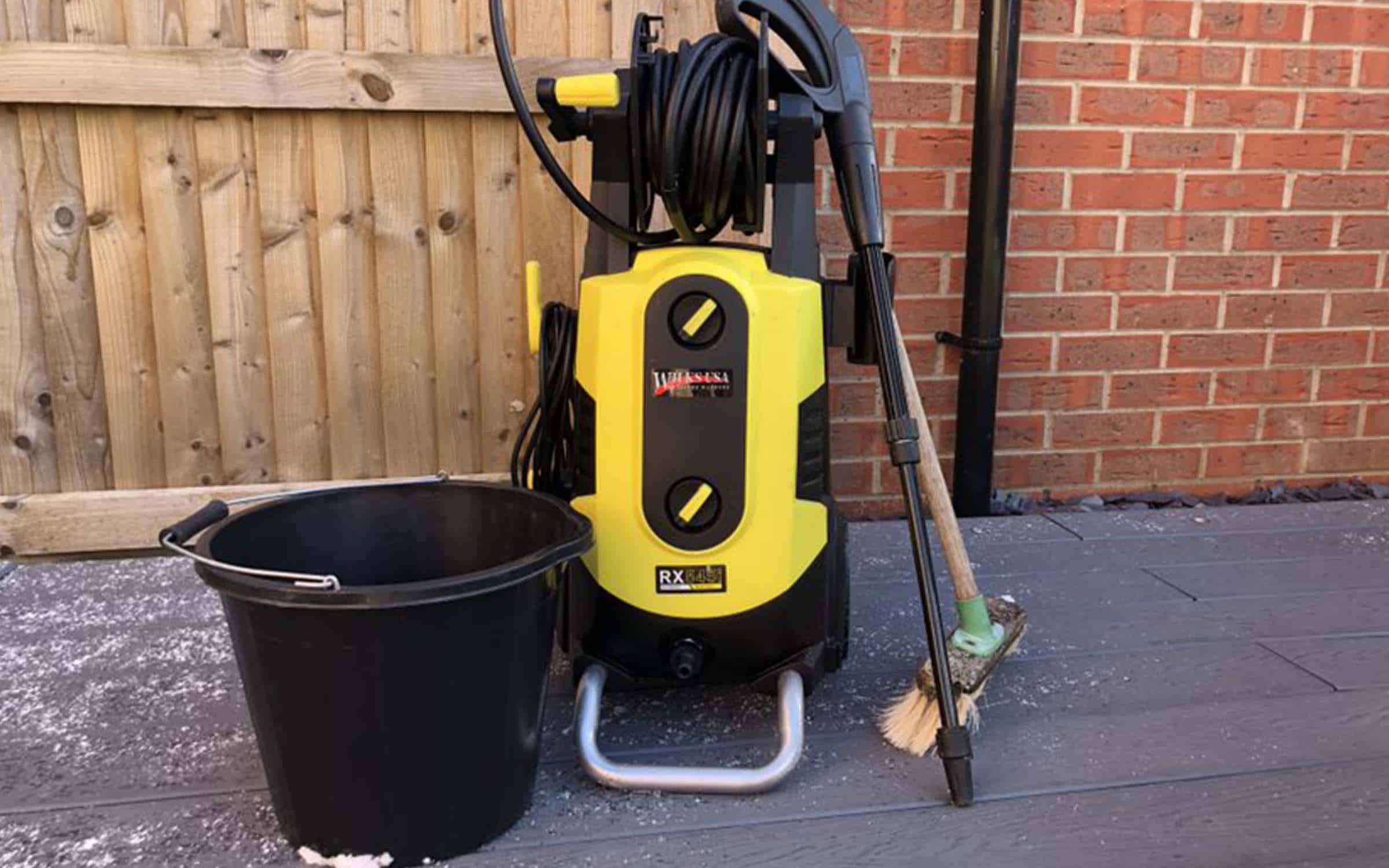
- Power washer: Use a model with adjustable pressure (1,300–2,000 PSI recommended). If you don’t own one, you can rent a suitable power washer at many hardware stores.
- Fan tip nozzle: 25–40 degrees to spread water evenly. This helps avoid concentrated pressure that can damage the deck.
- Composite deck cleaner: Choose a product made for composite materials. Some brands offer cleaners specifically designed for their decking.
- Soft brush: For scrubbing tough spots. Brushes with long handles make the job easier.
- Garden hose: For rinsing, especially useful for reaching corners and cleaning up after power washing.
- Protective gear: Gloves, safety glasses, and closed-toe shoes to protect from splashes and flying debris.
Safety Checks
- Read your deck manufacturer’s cleaning instructions. Some brands warn against high-pressure washing. Look for any special guidance about cleaning agents or pressure limits.
- Test the power washer on a hidden area first. This checks for unwanted effects like discoloration or surface damage.
- Check for loose boards, nails, or screws. Fix before you start. Power washing can make loose parts worse or cause injury.
Prep Steps
- Remove furniture, plants, and decorations. Moving items prevents water damage and gives you access to all surfaces.
- Sweep off leaves and debris. This prevents clogging the washer and makes cleaning more effective.
- Cover nearby plants with plastic sheeting. Even gentle cleaners can harm sensitive plants.
- Close windows and doors. Water can splash much farther than you expect.
- Disconnect electrical equipment near the deck. Water and electricity don’t mix.
A little preparation prevents accidents and keeps your deck safe. For decks near pools or hot tubs, consider turning off those systems during cleaning.
Choosing The Right Power Washer And Settings
Not all power washers are equal. The wrong pressure or nozzle can ruin your deck.
Comparing Power Washer Types
Here’s a quick look at the main options:
| Type | Pressure (PSI) | Best Use | Risk Level |
|---|---|---|---|
| Electric | 1,300–2,000 | Home decks | Low |
| Gas | 2,000–4,000 | Heavy-duty cleaning | High |
| Commercial | 4,000+ | Industrial surfaces | Very High |
Electric power washers are best for composite decks. They are gentler and have adjustable settings. Gas models can be dangerous if used at high pressure. Electric washers are also quieter, making them better for neighborhoods.
Nozzle And Pressure Settings
- Fan tip nozzle (25–40 degrees): Spreads water for gentle cleaning, protects the deck from sharp water streams.
- Pressure: Keep between 1,300–2,000 PSI. Start low and only increase if needed.
- Distance: Hold nozzle 8–12 inches from the deck. Too close can damage the surface; too far is less effective.
Never use a zero-degree (red) nozzle. It creates a thin, powerful stream that can cut into composite material and even cause injury.
Psi Comparison Table
Here’s how pressure affects cleaning:
| PSI | Cleaning Power | Composite Deck Safety |
|---|---|---|
| 1,000–1,300 | Light dirt | Very safe |
| 1,300–2,000 | Moderate stains | Safe |
| 2,000–2,500 | Tough stains | Use caution |
| 2,500+ | Heavy grime | Not recommended |
Stick to lower PSI. Too much pressure can etch or scar the deck. Always check your power washer manual for proper settings.

Credit: www.trex.com
Step-by-step Guide To Power Washing A Composite Deck
Let’s break down the process into simple steps.
1. Clear And Inspect The Deck
Move everything off the deck. Sweep well. Inspect for damage and repair loose boards. Look for any signs of mold, algae, or deep stains that may need special attention.
2. Apply Composite Deck Cleaner
Choose a cleaner made for composite materials. Avoid bleach or harsh chemicals. Mix and apply according to label instructions.
- Use a pump sprayer or pour cleaner directly on stains.
- Let it sit for 10–15 minutes (follow instructions). This time allows the cleaner to break down dirt and stains.
3. Scrub Stubborn Stains
Some spots may need extra effort. Use a soft brush to scrub:
- Grease or food spills
- Mold or algae patches
- Leaf stains
Don’t use metal brushes—they scratch the surface. For tough stains, repeat scrubbing as needed.
4. Set Up Your Power Washer
Attach the fan tip nozzle. Adjust pressure to 1,300–2,000 PSI. Test on a hidden area.
- Wear gloves and safety glasses.
- Hold nozzle 8–12 inches from the surface.
If your deck is older or uncapped, start at the lowest PSI. You can always increase pressure later.
5. Start Washing
Work in sections. Spray along the grain of the deck boards.
- Move slowly and evenly.
- Don’t linger in one spot.
- Rinse from one end to the other.
For larger decks, divide into manageable areas to avoid missing spots.
6. Rinse Thoroughly
After washing, use a garden hose to rinse off any leftover cleaner. Make sure all soap and dirt are removed, especially between boards.
7. Dry And Inspect
Let the deck dry completely. Inspect for missed spots or damage. Sunlight speeds up drying, but avoid cleaning in direct sun.
8. Replace Furniture
Once dry, return furniture and plants. Check furniture feet for dirt before placing them back to avoid new stains.
Power Washing Tips For Best Results
Cleaning composite decking is not hard, but these tips will help you get professional results.
Expert Tips
- Work on a cool day: Avoid direct sun; cleaners dry too quickly and may leave streaks.
- Start with low pressure: Increase if needed, but never go above 2,000 PSI. Most stains come off at lower settings.
- Keep nozzle moving: Don’t stop in one spot or you’ll risk marks and uneven color.
- Spray with the grain: Follows the board lines and avoids streaks or water spots.
- Rinse well: Leftover cleaner can stain or attract dirt. Use plenty of water.
- Use a soft brush: For tough spots, but don’t scrub too hard. Over-scrubbing can cause surface damage.
- Test on a hidden area: Always check before cleaning the whole deck. This can prevent unexpected damage.
- Protect nearby plants: Cleaners and pressure can damage them, so use plastic sheeting or move pots.
- Check weather forecast: Cleaning is best when rain isn’t expected, so the deck can dry properly.
- Don’t power wash old, damaged boards: Replace first. Washing can make cracks worse.
Common Beginner Mistakes
- Using too much pressure, causing surface damage.
- Holding nozzle too close, creating stripes or fuzzy spots.
- Using bleach or harsh chemicals, leading to fading or warranty issues.
- Power washing in direct sunlight, causing cleaners to dry too quickly.
- Not rinsing off cleaner, which attracts new dirt.
- Ignoring manufacturer’s advice, risking warranty and deck life.
Many beginners forget to check their deck’s warranty. Some warranties are voided by improper cleaning. Always read your deck’s manual or check the brand website.

Credit: www.reddit.com
Dealing With Stubborn Stains And Mold
Composite decks can get tough stains. Power washing helps, but sometimes you need extra steps.
Stains That Need Special Attention
- Grease and oil: Use a degreaser made for composite. Let it sit, then scrub and rinse.
- Wine and food: Soak with cleaner, then scrub gently. Repeat if needed.
- Algae and mold: Power wash, then apply a mold remover. Look for products with sodium percarbonate.
Mold Removal Example
If your deck has black or green patches, use a cleaner with sodium percarbonate. It’s effective and safe for composite. Let it sit, scrub lightly, then rinse. Repeat if mold returns after drying.
What If Stains Won’t Come Off?
Sometimes, deep stains need repeated cleaning. Don’t use sandpaper or steel wool. If stains persist, contact your deck manufacturer for advice. Some brands offer special stain-removal products.
Aftercare: Keeping Your Deck Clean Longer
Power washing gives your deck a fresh start. Keep it clean with good habits.
Maintenance Tips
- Sweep weekly to remove leaves and debris. This prevents stains and mold.
- Rinse with a garden hose after heavy pollen or rain, especially during spring.
- Move furniture occasionally to prevent marks and mold underneath.
- Clean spills right away, especially food and oil.
- Use mats under grills and planters to catch drips and water.
Seasonal Care
In fall, remove fallen leaves quickly. Wet leaves can cause stains and mold. In winter, avoid salt or ice melt on the deck—these can harm the surface. In spring, check for mold and wash if needed.
Preventing Future Stains
Some composite decks benefit from protective sprays. Check with your manufacturer before using any product. These sprays can help repel dirt and water but are not needed for all decks.
Comparing Composite Decks To Wood Decks For Power Washing
Many people wonder how composite decks compare to wood decks when it comes to cleaning.
| Feature | Composite Deck | Wood Deck |
|---|---|---|
| Pressure Tolerance | 1,300–2,000 PSI | 1,500–2,500 PSI |
| Stain Resistance | High | Low |
| Cleaning Frequency | Once per year | 2–3 times per year |
| Maintenance Needs | Low | High |
| Risk of Damage | Medium | High |
Composite decks are easier to clean, but require more caution with pressure. Wood decks can handle higher PSI, but need regular sealing. Wood also absorbs stains faster and needs more effort to keep clean.
Statistics: Composite Deck Cleaning Trends
Composite decking is growing in popularity. In 2023, about 30% of new decks in the US were composite. Homeowners choose composite because it’s easier to clean and lasts longer.
- Survey: 72% of composite deck owners use power washing
- Average cleaning frequency: Once every 12–18 months
- Common stains: Mold (40%), food (25%), leaves (20%), oil (15%)
- Damage rate: Less than 8% report power washing damage when following manufacturer’s instructions
These numbers show that proper cleaning is both safe and effective. Most homeowners find that composite decks require less time and effort to maintain than wood.
Real-life Example: Before And After Power Washing
Imagine a deck that hasn’t been cleaned in two years. It has green stains, dull color, and slippery spots.
- The homeowner sweeps, applies a composite cleaner, scrubs moldy areas, and power washes with a 1,500 PSI electric washer.
- After rinsing and drying, the deck looks brighter, stains are gone, and it’s safer to walk on.
Photos from deck cleaning companies show dramatic before-and-after results. Many users share that their deck looked almost new after a careful power washing. Some decks even regain their original color and texture, surprising homeowners.
Non-obvious Insights Most Beginners Miss
- Manufacturer’s Warranty: Many composite decks have warranties that can be voided by improper cleaning. Always check instructions before using a power washer.
- Water Temperature: Cold water is safer for composite decking. Hot water can soften plastic fibers and cause warping.
- Deck Age: Older composite decks may be softer and more sensitive to high pressure. Test and reduce PSI if needed.
- Sprayer Angle: Spraying perpendicular to boards can cause streaks. Spray along the board for best results.
These details help avoid mistakes and keep your deck in top shape. Beginners often miss that even eco-friendly cleaners can leave residue if not rinsed well.
Credit: neotimber.com
Environmental Considerations
Composite decking is often made from recycled materials. Cleaning with eco-friendly products helps protect the environment. Avoid cleaners with phosphates, bleach, or ammonia.
Many local regulations restrict water runoff and cleaning chemicals. Make sure to follow these rules when washing your deck. If you live near a water source, extra care with runoff is important.
When To Hire A Professional
Power washing is a DIY job for most homeowners. But, if your deck is large, heavily stained, or you’re unsure about settings, hiring a professional may be smart.
Professionals use the right equipment and cleaners. They know how to avoid damage. The average cost for professional deck cleaning is $150–$400 depending on size and location.
If you’re worried about warranty or want perfect results, look for certified deck cleaners. They often offer guarantees and know local regulations about water and chemicals.
Troubleshooting Problems During Power Washing
Sometimes things don’t go as planned. Here’s how to fix common issues.
Stripes Or Marks
Usually caused by holding the nozzle too close or moving too slowly. Rewash affected areas with lower pressure. Practice moving the nozzle evenly.
Fuzzy Or Raised Fibers
This happens if pressure is too high. Lightly sand affected spots (with fine sandpaper) or call your deck manufacturer. Sometimes, a gentle brush can smooth fibers.
Missed Stains
Spot clean with deck cleaner and brush. Repeat power washing if needed. Don’t rush—take time for stubborn areas.
Water Pooling
Check for drainage issues. Clear gaps between boards and make sure the deck slopes away from the house. Sometimes, leaves or dirt block water flow.
Frequently Asked Questions
How Often Should I Power Wash My Composite Deck?
You should power wash your composite deck once per year or after heavy staining. For most homeowners, a yearly cleaning is enough. If you live in a rainy or shaded area, you may need to clean more often.
What Psi Is Safe For Composite Decking?
A pressure between 1,300–2,000 PSI is safe for most composite decks. Always check your deck’s brand instructions and start with the lowest setting. Higher pressure can damage the surface.
Can I Use Bleach Or Homemade Cleaners?
Avoid bleach and harsh homemade cleaners. They can fade color and damage the deck’s surface. Use a cleaner made specifically for composite decking. Eco-friendly products are best.
Is Power Washing Safe For All Composite Decks?
Most composite decks can be power washed, but some brands recommend only low pressure or hand cleaning. Always check the manufacturer’s instructions first. Test in a hidden spot to be sure.
Should I Seal My Composite Deck After Power Washing?
Composite decks don’t need sealing like wood. Some brands offer protective sprays, but sealing is not necessary. Keeping the deck clean and following manufacturer’s care tips is enough.
Final Thoughts
Power washing your composite deck is a simple way to refresh its look and keep it safe. The right pressure, nozzle, and cleaner matter. Take time to prepare and follow each step carefully. Avoid common mistakes, check your deck’s instructions, and don’t use harsh chemicals. Regular cleaning makes your deck last longer and look better. With these tips, you can enjoy a beautiful outdoor space for years to come. If you want more detailed guidance, visit Trex for expert advice.