
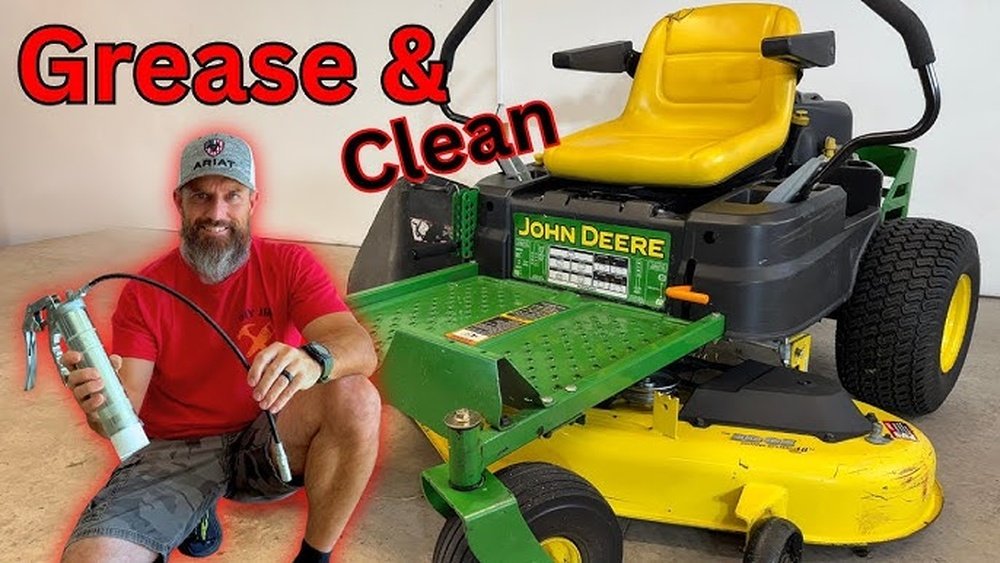
Keeping your zero turn mower deck in top shape is not just about cleaning off grass clippings. One of the most important, but often ignored, parts of mower maintenance is proper greasing. Many owners skip this because it seems messy or complicated. But learning how to grease your mower deck correctly will give your machine a longer life, smoother cuts, and fewer costly breakdowns.
If you’ve ever wondered why your mower deck squeaks, makes grinding noises, or just doesn’t cut like it used to, lack of grease could be the reason. Grease reduces friction, keeps water and dirt out of moving parts, and prevents early wear.
This guide will walk you through the full process, from understanding which parts need grease, to tips and tricks the pros use for the best results. Even if you’re new to mowers or not mechanically inclined, you’ll find practical, clear steps here to maintain your mower deck with confidence.
Why Greasing Matters For Zero Turn Mower Decks
Many owners think engine oil is enough for all maintenance. But grease has a different job—especially on the deck. The deck’s moving parts, like spindles and pulleys, spin at high speeds. They face constant pressure, moisture, and dirt. Without regular greasing, these parts overheat, seize, or break down.
Research shows that 70% of premature bearing failures are due to poor lubrication. Replacing deck bearings can cost $40 to $100 per spindle, not including labor. Regular greasing costs pennies and adds years to your mower’s life.
Essential Tools And Materials
Before you start, gather the right tools. Having everything ready saves time and prevents accidents. Here’s what you’ll need:
- Grease gun (manual, battery, or pneumatic)
- High-quality grease (usually lithium-based for mowers)
- Clean rags
- Gloves
- Scraper or small brush (for dirt removal)
- Owner’s manual (for grease point locations)
A common mistake is using the wrong type of grease. Always check your manual, but lithium-based multipurpose grease works for most decks. Cheap grease breaks down quickly and attracts more dirt.
Identifying Mower Deck Grease Points
Not all zero turn mowers are the same, but most share similar grease points. Here are the main places to check:
- Spindle bearings – The most critical point. Usually found at the top of each blade spindle.
- Idler pulleys – Keep the belt tight and spinning smoothly.
- Caster wheels – On front wheels, if not sealed.
- Deck wheels (anti-scalp wheels) – Let the deck roll over bumps.
- Lift linkage – Where the deck lifts or lowers.
Check your model’s manual for a diagram. If you can’t find it, look for small metal fittings (called zerk fittings or grease nipples).
Step-by-step: How To Grease Your Zero Turn Mower Deck
Greasing your mower deck is easy if you follow a routine. Here’s a detailed process, even for first-timers:
1. Park On A Flat Surface
Turn off the mower, remove the key, and let the engine cool. Safety first.
2. Clean Around Grease Points
Use a brush or rag to wipe away dirt, grass, and old grease. This prevents pushing grit inside.
3. Attach The Grease Gun
Place the gun’s tip onto the zerk fitting. Make sure it clicks on securely.
4. Pump The Grease
Squeeze the handle (manual) or trigger (battery). Watch for fresh grease to appear at the bearing edge or a small amount to ooze out.
For most decks, 2-4 pumps is enough. Don’t overfill.
5. Wipe Away Excess
Use a clean rag to remove extra grease. This keeps dirt from sticking.
6. Repeat For Each Point
Work methodically so you don’t miss any fittings.
7. Test Operation
Spin the blade or wheel by hand. It should feel smooth, not gritty or stiff.
Many beginners use too much grease, which can damage seals. If you see a lot of grease oozing out, stop. A little goes a long way.
How Often To Grease Your Mower Deck
How often you grease depends on usage and conditions. Here’s a comparison for easy reference:
| Usage Level | Recommended Greasing | Notes |
|---|---|---|
| Homeowner (Weekly Mowing) | Every 25 hours of use or monthly | Check before mowing season starts |
| Commercial (Daily Use) | Every 8-10 hours (daily) | Critical for heavy work |
| After Washing or Heavy Rain | Immediately after drying | Moisture washes away grease |
If you mow in dusty or wet conditions, grease more often. After every cleaning or rainstorm, reapply grease to protect parts.
Grease Types: Which Is Best For Your Deck?
Not all greases are created equal. Using the wrong kind can do more harm than good. Here’s a quick comparison of common types:
| Grease Type | Features | Best For |
|---|---|---|
| Lithium-based | Water-resistant, good temperature range | Most mower decks |
| Polyurea | Long life, stable under high speeds | Heavy-duty/commercial decks |
| Calcium-based | Good water resistance, less heat stable | Wet environments, light use |
Most mowers work well with lithium-based grease. For commercial machines, polyurea may last longer. Never mix different grease types—they can break each other down.
Troubleshooting Grease Gun Problems
Sometimes, the grease gun won’t work as expected. Here are common issues and how to solve them:
- Grease won’t go in: The fitting might be clogged. Clean it and try again. If needed, replace the zerk fitting (they’re cheap and easy to swap).
- Grease leaks out: You may not have a tight connection, or the seal is broken. Re-seat the gun, or replace worn-out seals.
- Air locked in gun: Sometimes air gets trapped. Release the bleeder valve or pump until grease flows smoothly.
A tip most beginners miss: keep your grease gun clean and covered when not in use. Dirt can enter the gun and cause more problems.
Pro Tips For Greasing Zero Turn Mower Decks
Learning from experience can save time and money. Here are some insights even seasoned owners sometimes miss:
- Mark grease points with a dot of paint or colored tape. It’s easy to miss one, especially if you’re in a hurry.
- Rotate the blades by hand after greasing. This spreads the grease evenly and helps you feel any rough spots.
- Keep a grease log. Write down the date, hours, and points greased. This is especially useful for multiple machines.
- Use a flexible hose on your grease gun for hard-to-reach spots.
- Don’t skip after washing. Water is the enemy of lubrication. Always regrease after cleaning your deck.

Credit: www.youtube.com
Common Mistakes To Avoid
Even with good intentions, mistakes can happen. Avoid these to keep your mower in top shape:
- Over-greasing: Too much grease can blow out seals or attract excess dirt.
- Skipping dirty fittings: Greasing over dirt pushes grime into bearings.
- Using wrong grease: Mismatched or cheap grease can cause early failure.
- Ignoring manual: Each mower has unique needs. Don’t guess—read the manual.
- Not greasing after rain or wash: Moisture quickly removes protective grease.
When To Replace Instead Of Grease
Not every problem can be solved with more grease. If you hear grinding, see lots of metal shavings, or the spindle still feels rough after greasing, the bearing may already be damaged. In this case, replace the part. Greasing won’t fix a bearing that’s worn out.

Credit: www.mowmore.com
Example: Greasing A Popular Zero Turn Mower Deck
Let’s look at a real-world example for clarity. Suppose you own a John Deere ZTrak zero turn mower:
- Locate 3 spindle grease fittings on top of the deck.
- Find 2 caster wheel fittings on the front arms.
- Each week, clean and apply 2-3 pumps of lithium-based grease to each point.
- After washing the deck, repeat the greasing process.
- Keep a log on the mower or in your shed.
This routine keeps the mower running quietly for years and avoids $100+ repair bills.
Greasing Frequency Vs. Repair Costs
Many owners don’t realize how much money regular greasing saves. Here’s an example based on average costs:
- Grease and gun: $25 per year
- Bearing replacement (3 spindles): $300 parts + $150 labor = $450
If you grease once a month, you can avoid bearing replacement for 5-7 years. Skipping greasing may lead to repairs within 1-2 years.
Additional Resources
If you want more detail on mower maintenance, check out the official John Deere Zero Turn Mower Guide for diagrams and schedules.
Frequently Asked Questions
How Do I Know If My Mower Deck Needs Greasing?
If your mower deck squeaks, grinds, or feels rough when spinning the blades by hand, it probably needs grease. Even without noise, you should grease based on hours used.
What Type Of Grease Should I Use For My Zero Turn Mower Deck?
Most zero turn mowers use lithium-based multipurpose grease. Always check your owner’s manual for the recommended type. Never mix different greases.
Can I Over-grease My Mower Deck?
Yes. Too much grease can damage seals and attract more dirt. Usually, 2-4 pumps per fitting is enough. Stop when you see fresh grease appear.
How Often Should I Grease My Mower Deck?
For home use, every 25 hours or once a month is standard. Commercial mowers may need daily greasing. Always regrease after washing or heavy rain.
What Happens If I Skip Greasing My Zero Turn Mower Deck?
Skipping greasing leads to early bearing failure, noisy operation, and costly repairs. Most bearing failures are caused by poor or missing lubrication.
Regular greasing is one of the simplest ways to keep your zero turn mower deck running like new. It takes just a few minutes but saves hours and hundreds of dollars in the long run. With the right tools, a little practice, and these tips, you’ll get smooth, reliable mowing season after season.

Credit: www.grasshoppermower.com