
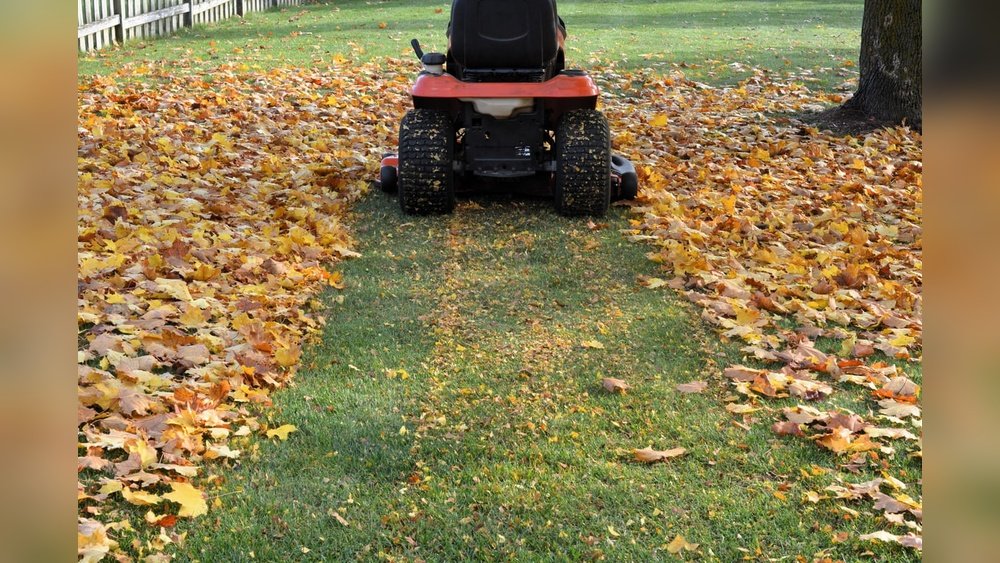
When autumn arrives, colorful leaves fall and cover lawns everywhere. For many, this means hours of raking and bagging, but there’s a smarter way: mulching leaves with a riding mower. This method transforms yard work into a quick, efficient task and offers big benefits for your lawn. If you want a healthy yard and less waste, learning to mulch leaves with your riding mower is a skill worth mastering.
Many homeowners still think mulching is complicated or only for professionals. In truth, anyone can do it with the right approach. Let’s explore exactly how to mulch leaves with a riding mower, what to expect, and how to get the best results—even if you’re new to lawn care.
Why Mulch Leaves Instead Of Raking?
Before you start, it’s helpful to understand why mulching is better than traditional leaf removal.
1. Saves Time And Effort
Raking leaves can take hours, especially if you have a large yard. Mulching with a riding mower lets you finish the job in a fraction of the time.
2. Improves Lawn Health
Mulched leaves break down into natural fertilizer, adding nutrients like nitrogen, phosphorus, and potassium to your soil. This helps grass grow thicker and greener.
3. Reduces Waste
Instead of filling up bags and sending leaves to the landfill, you return organic matter to your yard. This supports a more eco-friendly routine.
4. Prevents Lawn Problems
Thick layers of whole leaves can smother grass, leading to brown patches and disease. Mulched leaves decompose quickly, avoiding these issues.
Is Your Riding Mower Suitable For Mulching?
Not all riding mowers are ready for mulching leaves straight out of the box. Here’s what to check:
- Mulching Kit: Some mowers come with a mulching kit—a special blade and cover that keeps leaves under the deck for extra chopping. If your mower doesn’t have one, you can often buy a kit as an upgrade.
- Deck Height Adjustment: You need to raise or lower the deck to the right height for mulching.
- Engine Power: Most riding mowers have enough power, but very thick, wet leaves may require a more powerful model.
If you’re unsure, check your mower’s manual or ask your dealer about mulching capabilities.
Comparing Mower Types For Mulching
Here’s a quick look at how different types of riding mowers handle leaf mulching:
| Mower Type | Mulching Performance | Typical Features |
|---|---|---|
| Lawn Tractor | Good | Mulching kits often available |
| Zero-Turn Mower | Excellent | High maneuverability, strong engines |
| Rear-Engine Rider | Fair | Smaller decks, less power |

Credit: www.powerequipmentct.com
Preparing Your Lawn And Mower
Preparation makes a big difference in how well mulching works.
Gather The Right Tools
- Riding mower (with mulching kit if possible)
- Rake (for large piles or thick layers)
- Protective gear: Gloves, goggles, and ear protection
Check Your Mower
- Remove sticks, stones, and debris from the lawn.
- Make sure the mower blade is sharp—dull blades tear leaves rather than chop them finely.
- Adjust the deck height. For most lawns, set the mower to a medium height (about 3 inches).
Timing Matters
Mulch when leaves are dry. Wet leaves clump together, making it harder to cut and spread evenly. If possible, wait for a sunny day after leaves have fallen.
Step-by-step: How To Mulch Leaves With A Riding Mower
Follow these steps for great results and a beautiful lawn.
1. Mow Slowly Over The Leaves
Drive the mower over the leaves at a slow, steady pace. This gives the blade more time to chop the leaves into fine pieces. If you go too fast, large chunks will remain and may smother the grass.
2. Overlap Each Pass
Just like mowing grass, overlapping each pass by about a third ensures even coverage and prevents strips of unmulched leaves. You may need to make several passes for thick layers.
3. Adjust Deck Height As Needed
If the leaves are thick and you see big pieces left behind, try raising the deck slightly. For thin layers, you can lower the deck for finer mulching.
4. Repeat Passes For Best Results
Heavy leaf fall may require two or three passes. Change direction each time (for example, mow north-south, then east-west). This helps break up any mats and spreads the mulch evenly.
5. Check The Mulched Leaf Layer
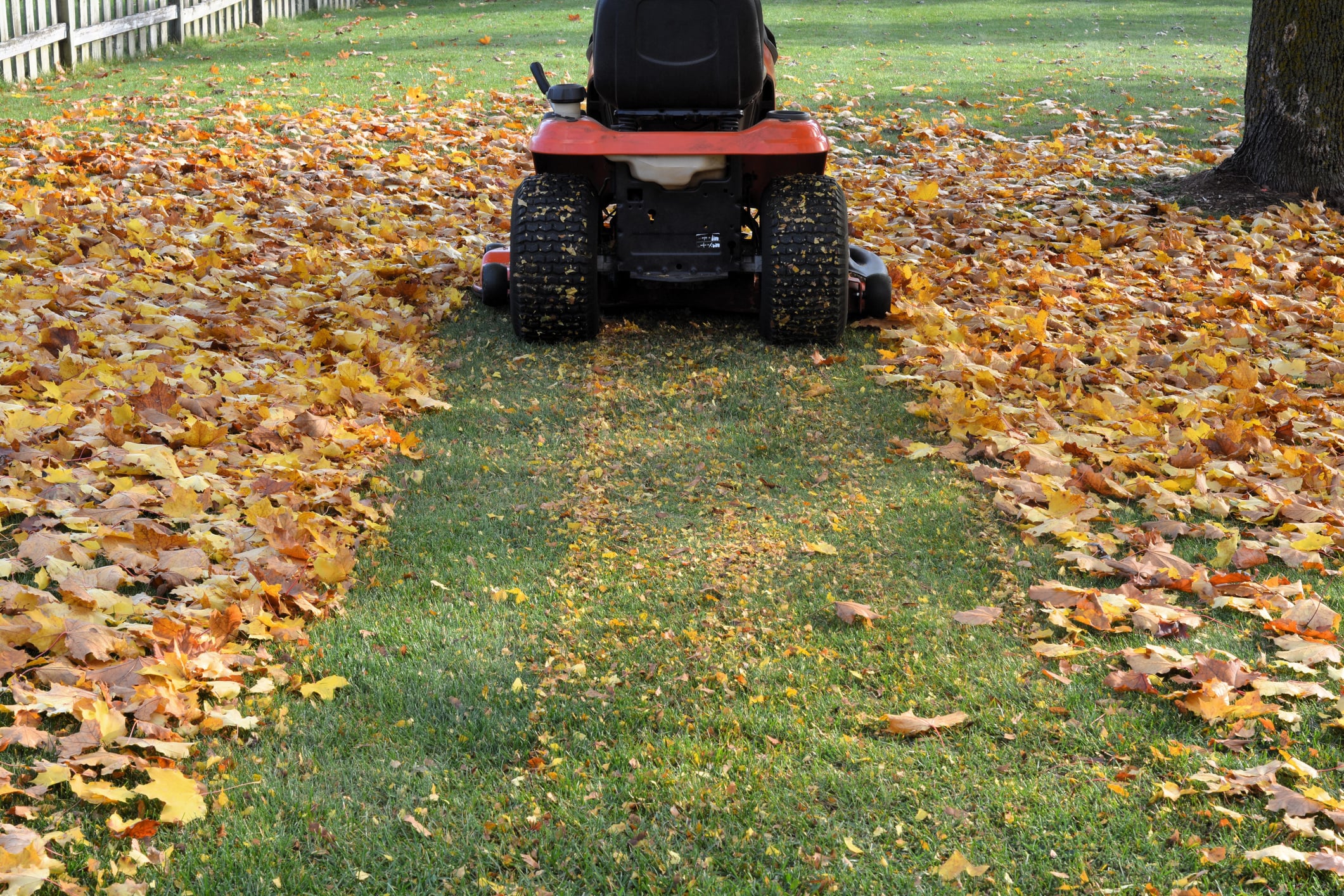
After mulching, you should see small, dime-sized leaf pieces scattered across the grass. If you see large chunks or thick piles, go over those spots again. The goal is a thin, even layer that lets sunlight reach your grass.
6. Clean Up Edges And Piles
Use a rake to move any leftover piles onto the lawn, then mulch again. Don’t leave thick piles, as they can block water and air from reaching the soil.
Practical Example
Let’s say your yard has a heavy layer of maple leaves, about 2 inches thick. Start by mowing with the deck at 3 inches. After one pass, most leaves are chopped but some larger pieces remain. Make a second pass at a slightly higher deck setting, in the opposite direction.
The leaves are now finely shredded and evenly spread.
How Much Is Too Much? Managing Thick Leaf Layers
A common mistake is trying to mulch too many leaves at once. If leaves are more than 3–4 inches deep, the mower may bog down, and your lawn can end up covered in a thick mat.
What To Do
- Remove some leaves with a rake or leaf blower before mulching.
- Mulch in stages, waiting a few days between sessions if needed.
- Never leave more than 1/2 inch of mulched leaves on the grass.
Quick Reference: Leaf Layer Depth And Mulching
| Leaf Depth | Recommended Action |
|---|---|
| 1 inch or less | Mulch in a single pass |
| 2–3 inches | Mulch in two passes, alternate directions |
| 4+ inches | Remove some leaves first, then mulch |
Benefits And Surprising Insights
Most people expect easier cleanup and better lawn health from mulching, but there are some less obvious advantages and tips:
- Fewer Weeds: Mulched leaves help block sunlight from reaching weed seeds, reducing weed growth next spring.
- Soil Life Support: Mulched leaves feed earthworms and beneficial microbes, creating richer, looser soil over time.
- Saves Fertilizer: Studies show that lawns with mulched leaves often need less extra fertilizer, saving money and reducing chemical use.
- Reduces Runoff: A layer of leaf mulch slows water flow, helping rain soak in and reducing erosion.
Credit: rethinkrural.raydientrural.com
Mistakes To Avoid When Mulching Leaves
- Trying to mulch wet leaves. Wet leaves tend to clump and stick, leading to uneven coverage and possible mower clogging.
- Using a dull blade. This rips leaves rather than chopping them, leaving larger pieces that take longer to break down.
- Ignoring mower maintenance. Clogged decks and dirty air filters reduce performance and can damage your mower.
- Leaving thick piles. Too much mulch can suffocate grass and create mold.
- Mulching too late in the season. If the temperature drops and grass stops growing, mulched leaves decompose more slowly.
When Should You Not Mulch Leaves?
While mulching is great for most lawns, there are situations where you should avoid it:
- If your lawn is very wet or muddy, mulching can create ruts and compact the soil.
- If you have certain tree species (like black walnut or eucalyptus), their leaves can release chemicals that harm your grass.
- If you have a thatch problem (a thick, spongy layer just above the soil), extra organic matter from mulched leaves can make it worse.
In these cases, remove leaves and compost them instead.
Maintaining Your Mower After Mulching
Mulching leaves is tougher on your mower than regular grass cutting. After each session:
- Remove built-up leaf pieces from under the deck.
- Check and clean the air filter.
- Inspect and sharpen the blade if needed.
- Look for signs of wear or damage.
Regular maintenance keeps your mower running well and extends its life.
Alternatives: What If You Don’t Want To Mulch?
If your yard gets huge amounts of leaves or your mower can’t handle mulching, here are other options:
- Bag the leaves with a mower bagger attachment, then compost them or use as garden mulch.
- Use a leaf vacuum or blower to collect leaves.
- Create leaf piles for wildlife habitat in a corner of your yard.
Every yard is different, so experiment to see what works best for you.
Credit: www.lfwa.org
Data: Mulching Vs. Bagging Leaves
Here’s a quick comparison of mulching and bagging, based on time, cost, and lawn benefits.
| Method | Time Needed (per 1/4 acre) | Cost | Lawn Benefit |
|---|---|---|---|
| Mulching with Riding Mower | 30–45 minutes | Low (fuel, blade sharpening) | High (natural fertilizer) |
| Bagging Leaves | 60–90 minutes | Medium (bags, disposal fees) | None (nutrients removed) |
| Raking & Bagging | 2–3 hours | Medium to High | None |
Environmental Impact
Mulching leaves supports a healthier planet. According to the EPA, yard trimmings (including leaves) made up over 35 million tons of solid waste in the U.S. in 2018. By mulching, you keep leaves out of landfills and return valuable nutrients to your property. For more on the benefits, see this EPA guide on composting.
Frequently Asked Questions
How Often Should I Mulch Leaves With My Riding Mower?
Mulch as often as leaves cover more than a third of your lawn. This might be once a week during peak leaf fall. Frequent mulching prevents thick piles and makes the job easier each time.
Can I Mulch Leaves If My Grass Is Wet?
It’s best to wait until the grass and leaves are dry. Wet leaves can clump, making even mulching difficult and risking mower clogging.
Will Mulched Leaves Harm My Lawn?
No, as long as you mulch into small pieces and avoid leaving thick layers. Mulched leaves decompose and feed your grass, improving overall health.
Do I Need A Special Blade Or Kit To Mulch Leaves?
While most riding mowers can chop leaves, a mulching kit (special blade and cover) produces finer mulch and better results. Check if your mower has this option.
Is Mulching Leaves Safe For Pets And Kids?
Yes, mulched leaves are safe. However, always keep children and pets away from the mower while in use, and make sure the lawn is clear of sticks and stones before you begin.
When you mulch leaves with a riding mower, you turn a chore into a shortcut for a greener, healthier yard. With a little care and the right technique, your lawn will thank you next spring—and you’ll spend less time bagging and more time enjoying the outdoors.