
Weeds can be a gardener’s worst enemy. They grow fast, steal nutrients, and make your yard look messy. Maybe you’ve pulled weeds again and again, only to see them return. Or you’ve tried sprays that promise results, but weeds keep coming back.
If you’re searching for reliable ways to kill weeds permanently, this guide will give you all the answers you need. Here, you’ll find proven techniques, natural and chemical options, plus smart prevention tips. We’ll look at what works, what doesn’t, and share expert advice to save you time and effort.
With the right approach, you can finally reclaim your garden, lawn, or driveway from stubborn weeds.
Why Weeds Are So Hard To Kill
Weeds are survivors. Many have deep roots or spread by seeds that last for years in the soil. Some weeds, like dandelions and bindweed, regrow from tiny root pieces left in the ground. Others, such as crabgrass, can produce thousands of seeds each season.
Weeds also adapt quickly. They thrive in poor soil, resist drought, and often grow faster than your grass or flowers. Many common weed killers only damage the top growth, not the roots, so weeds return. Plus, new seeds can blow in from nearby areas, starting the cycle again.
Understanding Weed Types
Before you fight weeds, you need to know what you’re dealing with. There are three main types:
- Annual Weeds: Live for one season (e.g., crabgrass, chickweed). They spread by seed.
- Perennial Weeds: Live for many years (e.g., dandelions, bindweed). They regrow from roots each year.
- Biennial Weeds: Live for two years (e.g., burdock, wild carrot). They grow leaves the first year, flower and seed the next.
Each type needs a different approach. Perennials are often the hardest to kill permanently because their roots survive underground.
Credit: www.nationaljewish.org
The Science Of Killing Weeds Permanently
Killing weeds for good means you must destroy the whole plant—roots, stems, and seeds. This often takes more than one method. Here’s why:
- Seed banks: Weed seeds can survive in soil for years, waiting for the right conditions to sprout.
- Root fragments: Some weeds regrow from even a small piece of root.
- Dormancy: Weeds can ‘sleep’ through tough times, then regrow when conditions improve.
This is why quick fixes usually fail. Permanent control means stopping weeds at every stage: before they sprout, as they grow, and by blocking their return.
Best Manual Methods To Remove Weeds
Hand pulling and digging are the oldest weed control methods. When done right, they can be effective, especially for small areas or single weeds.
Tools That Make A Difference
Some tools can make weed removal much easier:
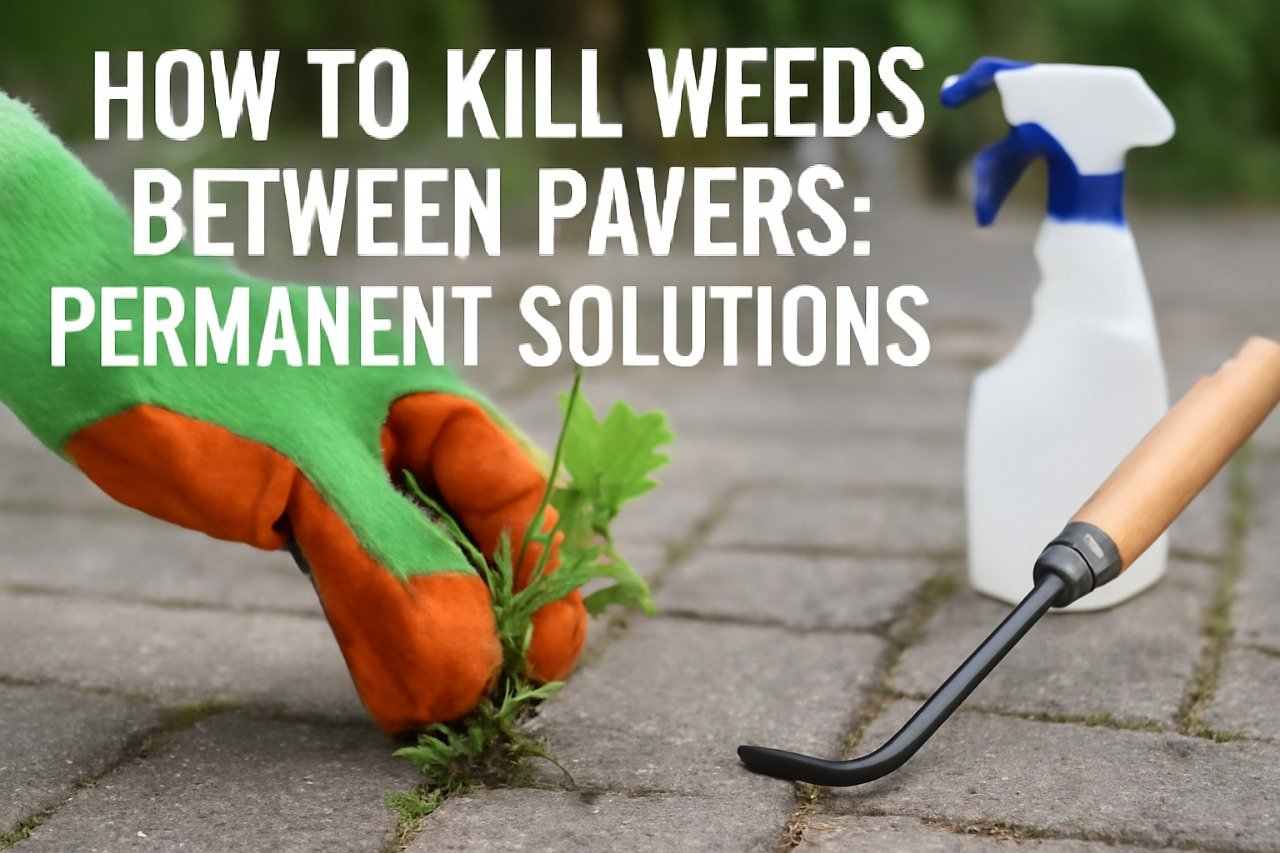
- Weeding knife: Good for cracks and tight spots.
- Dandelion digger: Designed for deep-rooted weeds.
- Hori hori knife: A Japanese tool, sharp and sturdy for tough roots.
- Long-handled weed puller: Lets you pull standing up, saving your back.
How To Pull Weeds For Permanent Results
- Pull after rain or watering. Wet soil loosens roots, making them easier to remove whole.
- Grip at the base. Get as close to the ground as possible.
- Twist and pull slowly. This helps remove the full root.
- Dig deep for perennials. Use a tool to loosen soil and chase deep roots.
- Remove all plant parts. Even a small root piece can regrow.
Common Mistakes
- Pulling dry weeds—roots often break.
- Ignoring small weeds—young weeds are easiest to remove.
- Leaving roots or stems behind.
Manual removal takes effort but works best for isolated weeds and in garden beds where you want to avoid chemicals.
Credit: greengroupcompanies.com
Natural And Organic Weed Killers
Many people prefer natural options for their safety and environmental benefits. While these methods can be effective, they often require more patience and repeated application.
Popular Natural Weed Killers
- Boiling Water: Pour directly on weeds. Great for cracks in pavement. Kills top growth instantly but may need repeat treatments for deep roots.
- Vinegar: Household vinegar (5% acetic acid) can burn leaves. Stronger horticultural vinegar (20%+) is more effective but can harm nearby plants. It’s non-selective, so use carefully.
- Salt: Mix salt with water and spray on weeds. Salt dehydrates and kills plants but can damage soil, preventing anything from growing. Use only in areas like driveways.
- Corn Gluten Meal: Prevents seeds from sprouting. Works as a pre-emergent, stopping new weeds before they start. Not effective on established weeds.
- Mulch: A thick layer of mulch blocks light, smothering seedlings and keeping soil moist for your plants.
How Natural Methods Compare
Here’s how common natural weed killers stack up for permanent weed control:
| Method | Effectiveness | Best Use | Risk to Other Plants |
|---|---|---|---|
| Boiling Water | Medium | Cracks, paths | High |
| Vinegar | Medium | Driveways, patios | High |
| Salt | Low/Medium | Driveways only | Very High |
| Corn Gluten Meal | Low | Lawn, flower beds | Low |
| Mulch | High | Garden beds | Low |
Non-obvious Insights
- Vinegar and salt do not kill roots of deep perennials. You may see regrowth unless you repeat applications or combine with digging.
- Mulch works best when you first remove existing weeds and use a 2-4 inch layer.
Chemical Weed Killers: What Works And What To Avoid
Chemical herbicides can kill weeds fast and are often used for tough, large, or invasive weeds. But not all products are equal, and choosing the wrong one can harm your lawn, garden, or local environment.
Types Of Chemical Weed Killers
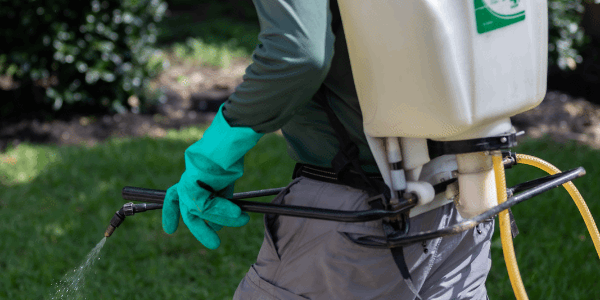
- Non-selective herbicides: Kill any plant they touch. Example: Glyphosate (Roundup). Good for driveways, walkways, or clearing areas.
- Selective herbicides: Target specific weeds (like broadleaf weeds in lawns) without harming grass. Example: 2,4-D.
- Pre-emergent herbicides: Stop seeds from sprouting. Useful in lawns or flower beds to prevent annual weeds.
Choosing The Right Product
- Identify your weed type before buying.
- For lawns, use selective products to avoid killing grass.
- For driveways or fence lines, non-selective is fine.
- Use pre-emergent in early spring to stop weeds before they grow.
Application Tips
- Read and follow label instructions exactly.
- Apply on calm, dry days to avoid drift onto wanted plants.
- Wear gloves and protect skin and eyes.
- Don’t over-apply—more is not always better.
Comparing Herbicide Types
Below is a quick comparison of the main chemical weed killer categories:
| Herbicide Type | Targets | When to Apply | Longevity |
|---|---|---|---|
| Non-selective | All plants | Anytime | Months (depends on product) |
| Selective | Specific weeds | When weeds are growing | Weeks to months |
| Pre-emergent | Seeds | Early spring/fall | Season-long |
Non-obvious Insights
- Some weeds (like nutsedge) are not controlled by common lawn herbicides—look for specialty products.
- Herbicide resistance is a real problem: Using the same product repeatedly can make some weeds tougher. Rotate herbicide types if you rely on chemicals.
Smart Prevention: Keeping Weeds Away For Good
Killing weeds is only part of the solution. Preventing them from returning saves you time, money, and effort in the long run. The best prevention combines smart gardening practices with a few strategic products.
Lawn And Garden Strategies
- Healthy grass outcompetes weeds. Mow high (2.5–3.5 inches for most grasses), water deeply but less often, and fertilize correctly.
- Mulch everywhere. In flower beds, vegetable gardens, and around trees, mulch blocks light and keeps soil moist. Organic mulches (like bark or straw) also improve soil.
- Edge borders. Use edging materials to stop grass and weeds creeping in from paths or neighbors.
- Fill bare spots quickly. Open soil invites weed seeds. Reseed bare lawn patches or plant ground covers in open garden spots.
- Rotate crops in vegetable gardens. Different plants disrupt weed life cycles and reduce weed build-up.
Pre-emergent Products
- Apply pre-emergent herbicides in early spring and fall to lawns and flower beds. These stop annual weeds before they sprout.
- Corn gluten meal is a natural pre-emergent but works best in dry conditions.
Regular Inspection And Fast Action
- Walk your garden weekly. Pull or spot-treat small weeds before they spread.
- Remove weeds before they flower and seed to break their cycle.
Data On Prevention Effectiveness
Studies show that a healthy, thick lawn can reduce weed invasion by up to 80% compared to thin, stressed lawns. Mulching at 3 inches depth can stop over 90% of weed seeds from sprouting.
Advanced And Long-term Solutions
For those facing tough, persistent weeds or very large areas, some advanced methods can provide lasting control.
Solarization
This method uses the sun’s heat to kill weeds, seeds, and even some pests.
- Mow or remove existing weeds.
- Water the soil deeply.
- Cover with clear plastic sheeting (not black) and seal edges with soil or rocks.
- Leave in place for 4–6 weeks during the hottest part of summer.
Solarization heats the soil to 120–140°F, killing most weeds and seeds. It works best in full sun and for garden beds you can leave bare for a few weeks.
Flame Weeding
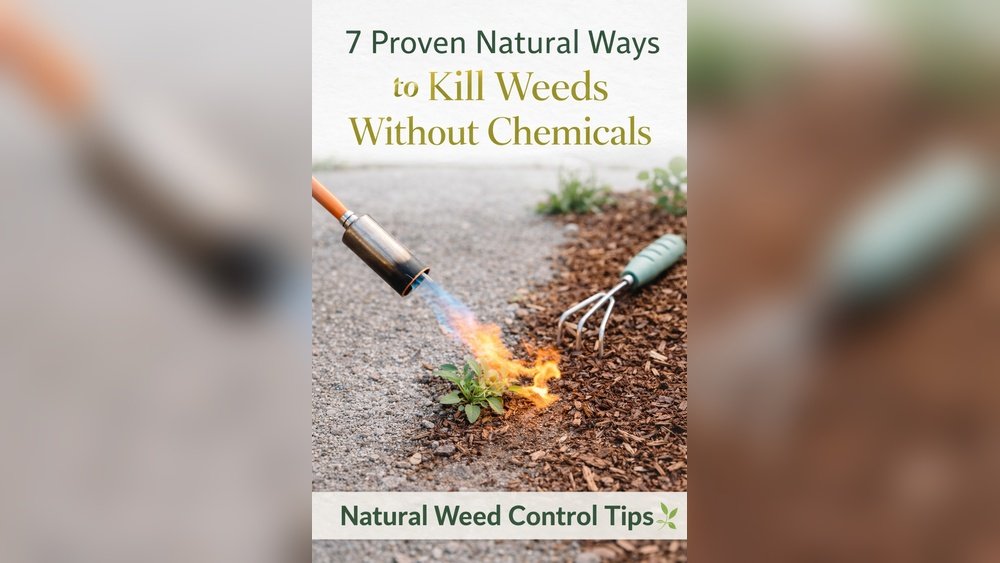
Flame weeders use a propane torch to quickly heat and kill weeds. The heat bursts plant cells, causing them to die in a few hours to days.
- Best for driveways, gravel, and paths—not for lawns.
- Use extreme caution—fire risk is real.
- One pass is usually enough for small weeds.
Landscape Fabric
Laying landscape fabric under mulch creates a strong barrier. It blocks weeds but lets water through.
- Use in flower beds, under gravel paths, or around shrubs.
- Cut holes only where plants are wanted.
- Replace or refresh mulch on top as needed.
Comparing Advanced Methods
| Method | Effectiveness | Best Use | Drawbacks |
|---|---|---|---|
| Solarization | High | Garden beds | Time-consuming, area unusable for weeks |
| Flame Weeder | Medium | Driveways, gravel | Fire risk, not for lawns |
| Landscape Fabric | High | Beds, under paths | Can shift, weeds may grow on top if mulch breaks down |
Credit: thepaversinc.com
Weed Control For Different Areas
The best weed control method depends on where you’re fighting weeds. Here’s a breakdown for common places:
Lawns
- Use selective herbicides for broadleaf weeds.
- Mow high, feed your lawn, and water deeply.
- Reseed thin areas quickly.
Vegetable Gardens
- Hand pulling and mulching are safest.
- Avoid chemical herbicides near food crops.
- Use solarization between seasons.
Driveways And Paths
- Non-selective herbicides, boiling water, or flame weeding work well.
- Salt and vinegar are options but may damage concrete or surrounding soil.
- Pull weeds before they seed.
Flower Beds
- Mulch heavily.
- Use pre-emergent products in early spring.
- Remove weeds before planting and edge regularly.
Gravel Areas
- Landscape fabric under gravel stops most weeds.
- Flame weeders or boiling water for spot control.
- Rake gravel to disrupt seedlings.
What Not To Do: Common Mistakes That Make Weeds Worse
Even experienced gardeners sometimes help weeds without knowing it. Here’s what to avoid:
- Tilling too often: This brings hidden weed seeds to the surface, where they sprout.
- Letting weeds flower: One dandelion can produce 2,000 seeds.
- Ignoring edges: Weeds spread from fence lines, driveways, and neighbors.
- Overusing chemicals: This can harm soil health and create resistant weeds.
- Using salt or vinegar on lawns: These kill grass and make soil unhealthy.
- Leaving soil bare: Exposed soil invites weed seeds.
Building A Year-round Weed Control Plan
Permanent weed control works best as a yearly process, not a one-time job. Here’s a simple plan you can follow:
- Early Spring: Apply pre-emergent herbicides or corn gluten meal before weeds sprout. Mulch all beds.
- Late Spring: Pull any visible weeds. Spot-treat with herbicide or natural methods as needed.
- Summer: Inspect weekly. Mow lawns high, water deeply, and mulch as needed.
- Fall: Repeat pre-emergent products in warm climates. Solarize empty beds. Reseed bare lawn spots.
- Winter: Plan changes for next year. Order mulch and check tools.
Stay consistent. The key is to never let weeds get established.
When To Call A Professional
If you have invasive weeds (like Japanese knotweed, kudzu, or poison ivy), a professional may be needed. These weeds can damage buildings, harm native plants, or be unsafe to handle. Pros have access to stronger products and know how to avoid spreading the problem.
Large areas of weeds, such as a neglected field, may also need professional equipment like tractors or sprayers.
Environmental Impact And Safety
Killing weeds permanently should not harm the environment. Here’s how to stay safe:
- Use chemicals only when needed and follow all instructions.
- Avoid spraying near water, pets, or pollinator plants.
- Wear gloves, closed shoes, and eye protection for all weed removal.
- Consider the impact on soil. Natural mulches, crop rotation, and healthy lawns improve soil, while overuse of harsh chemicals can cause long-term problems.
For more on safe herbicide use, the EPA’s guide is a trusted resource.
Frequently Asked Questions
What Is The Most Effective Way To Kill Weeds Permanently?
The best way is to remove the entire weed, including roots, and then prevent new ones from growing. For small areas, manual pulling and mulching work well. For larger spaces or tough weeds, use a mix of selective herbicides and pre-emergent products, plus regular lawn care.
Does Vinegar Kill Weeds Permanently?
Vinegar can burn the leaves of weeds, especially young ones, but it rarely kills deep roots. Perennial weeds may regrow unless you repeat applications or also remove roots. Use horticultural vinegar for better results, but be careful—it kills all plants it touches.
Are There Any Safe Ways To Kill Weeds Around Pets And Children?
Yes. Manual pulling, boiling water, and mulch are safe options. Avoid chemical herbicides where pets or kids play. Always read labels and wait until treated areas are dry before allowing access.
How Can I Stop Weeds From Growing In My Lawn?
Keep your lawn thick and healthy. Mow high, water deeply, fertilize, and reseed bare spots. Use selective pre-emergent herbicides in early spring. Pull or spot-treat weeds as soon as you see them.
Is It Okay To Use Salt To Kill Weeds?
Salt can kill weeds, but it also damages soil and prevents anything else from growing for a long time. Use salt only in cracks or driveways, never in lawns or gardens.
Taking control of weeds is a process, not a one-time fix. By understanding your weed problem, using the right tools and products, and focusing on prevention, you can win the fight for good. With patience and smart choices, your garden or lawn will stay beautiful and weed-free for years to come.