
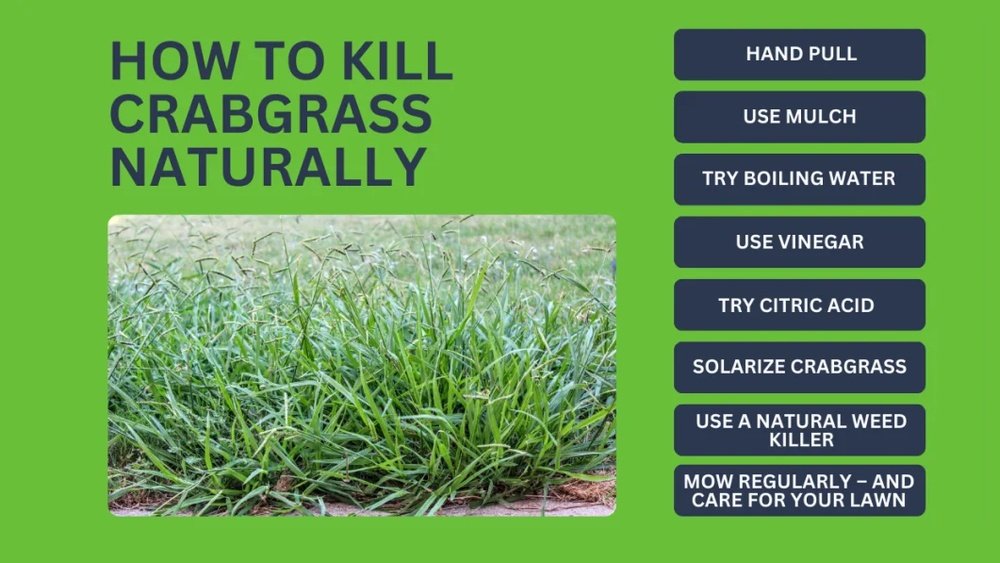
Crabgrass can turn a green lawn into a patchy, uneven mess. Many homeowners look for simple, natural solutions, and vinegar often comes up as a weed killer. But can vinegar really kill crabgrass permanently? Or is it just a temporary fix? This article breaks down the facts, explains the science, and shares what actually works if you want to control crabgrass for good.
Understanding Crabgrass: Why Is It So Tough?
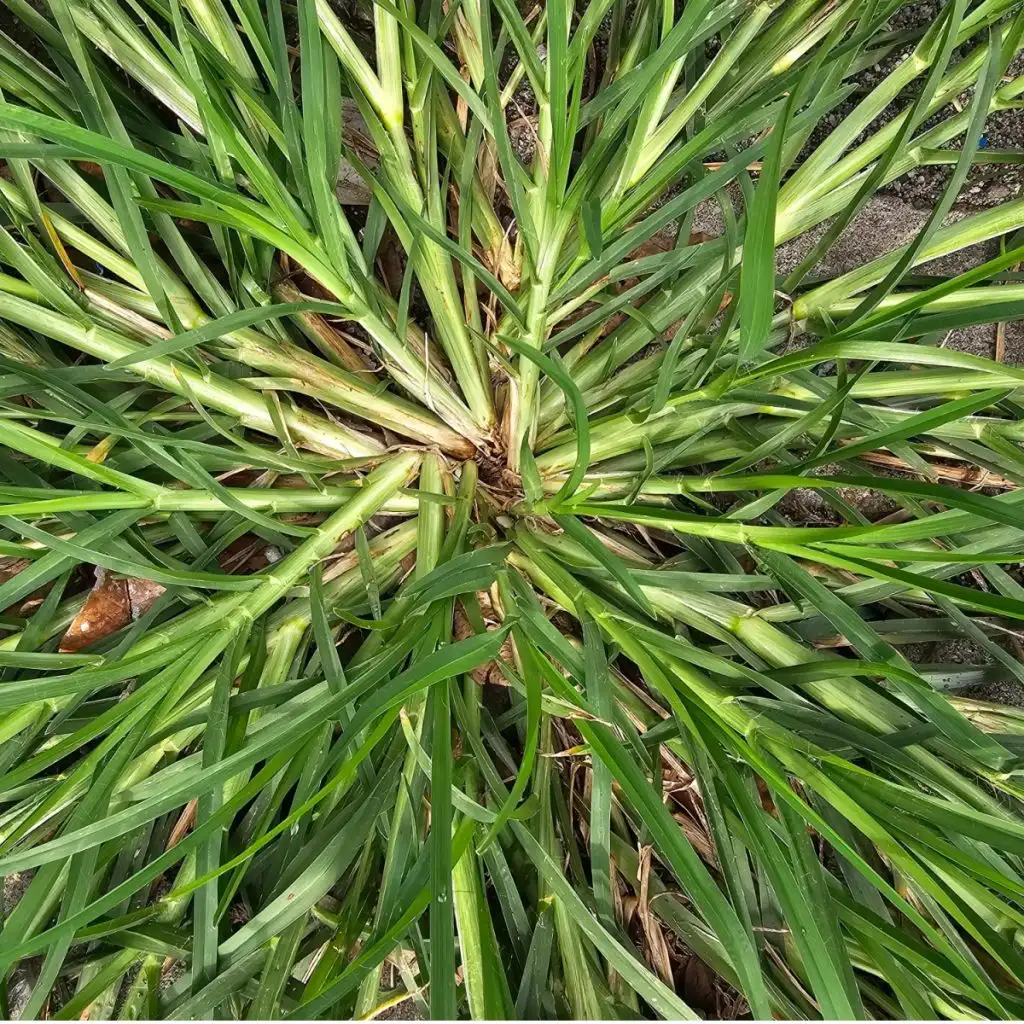
Crabgrass is not just any weed. It’s an annual grass that spreads quickly, especially in warm weather. Each plant can produce thousands of seeds, which fall into the soil and wait for the next growing season. If even a few seeds survive, crabgrass will be back.
Crabgrass is tough because:
- Its seeds germinate fast in late spring and summer
- The roots stay close to the soil surface, making them easy to regrow
- It can handle drought, heat, and poor soil
- Mowing short gives it more sunlight, helping it spread
This is why many chemical herbicides struggle to keep it away for long. Even if you kill visible plants, seeds are often left behind.
What Makes Vinegar A Popular Weed Killer?
Vinegar is a staple in many homes, and people like the idea of using it as a natural herbicide. The main reason is its active ingredient: acetic acid.
- Regular kitchen vinegar: 5% acetic acid
- Horticultural vinegar: 20% or more acetic acid
Acetic acid burns plant tissue on contact. When you spray it on weeds, the leaves wilt and brown quickly. Vinegar is cheap, simple to use, and avoids synthetic chemicals, which appeals to those seeking eco-friendly solutions.
But there’s a big difference between what vinegar does on the surface and what happens below the soil.

Credit: lawnlove.com
The Science: How Vinegar Affects Crabgrass
To understand if vinegar kills crabgrass permanently, let’s look at how it works. When you spray vinegar:
- The acetic acid damages the cell walls of leaves and stems.
- The top part of the crabgrass wilts and dies in a few hours or days.
- For young seedlings (less than two weeks old), this can be fatal.
- For mature plants, the roots often survive, and the weed regrows.
Vinegar is a contact herbicide. It does not move through the plant to reach the roots. This is the main reason why it often fails to kill crabgrass for good.
Table: Vinegar Effectiveness On Different Crabgrass Stages
| Crabgrass Growth Stage | Vinegar Effectiveness | Regrowth Likelihood |
|---|---|---|
| Seedling (1-2 weeks old) | High | Low |
| Young (2-4 weeks old) | Moderate | Medium |
| Mature (4+ weeks old) | Low | High |
| Seed (in soil) | None | Very High |
Key insight: Vinegar can kill very young crabgrass, but mature plants and seeds are often unaffected.
Types Of Vinegar For Weed Control
There are several types of vinegar, and their power varies:
- Household vinegar (5% acetic acid): Most common, but not strong enough to kill tough weeds like mature crabgrass.
- Horticultural vinegar (20-30% acetic acid): Much stronger, more effective on weeds, but also more dangerous (can burn skin and eyes).
- Synthetic acetic acid: Used in commercial products, sometimes even stronger.
Table: Comparing Vinegar Types For Crabgrass
| Type of Vinegar | Acetic Acid Content | Effect on Crabgrass | Safety Concerns |
|---|---|---|---|
| Household Vinegar | 5% | Weak on mature crabgrass | Minimal |
| Horticultural Vinegar | 20%-30% | Damages leaves, may kill seedlings | Can cause burns |
| Synthetic Acetic Acid | Up to 99% | Not recommended for home use | Severe hazard |
Practical tip: Always wear gloves and eye protection when using strong vinegar solutions.
Step-by-step: Using Vinegar On Crabgrass
If you want to try vinegar, here’s how to do it safely and effectively:
- Choose the right vinegar. Horticultural vinegar (20%) is best for visible results.
- Pick the right time. Apply during hot, dry weather for maximum effect.
- Protect nearby plants. Vinegar kills any green plant it touches, so use a shield or spot-spray.
- Apply directly to leaves. Spray until leaves are wet but not dripping.
- Repeat as needed. Mature crabgrass may regrow, so you’ll need multiple treatments.
- Monitor regrowth. Check the area weekly and reapply at the first sign of new growth.
Example: Real-world Results
Many homeowners report that after spraying vinegar, crabgrass turns brown within hours. However, after a week or two, the weed often comes back—especially in lawns. This is because vinegar rarely kills the roots or seeds.
Non-obvious insight: Vinegar works best on crabgrass growing in cracks or bare soil, not in dense lawns, because it can’t reach the roots easily through turf.
Is Vinegar A Permanent Solution?
The short answer is no. Vinegar rarely kills crabgrass permanently for several reasons:
- Roots survive: Acetic acid doesn’t penetrate deep enough to kill the roots of established crabgrass.
- Seeds remain: Even if you kill the visible weed, thousands of seeds in the soil can sprout later.
- Lawn damage: Vinegar kills grass and other plants it contacts, not just crabgrass.
Over time, repeated applications of vinegar may weaken crabgrass, but it will almost always return unless you address the seed bank and root system.
How Does Vinegar Compare To Other Crabgrass Killers?
Let’s see how vinegar stacks up against other common control methods.
Table: Vinegar Vs. Other Crabgrass Killers
| Control Method | Effectiveness | Speed | Permanent? | Safety |
|---|---|---|---|---|
| Vinegar (20%) | Fair on young plants | Fast (hours to days) | No | Moderate risk |
| Hand Pulling | Good if roots removed | Slow | No (seeds stay) | Safe |
| Pre-emergent Herbicide | Excellent (prevents germination) | Weeks | Yes (if applied yearly) | Low/Moderate risk |
| Selective Post-emergent Herbicide | Very good on growing crabgrass | Days to weeks | Yes (if repeated) | Low/Moderate risk |
| Boiling Water | Good for small patches | Immediate | No | Safe |
Takeaway: Vinegar is quick but not lasting. Pre-emergent herbicides and consistent lawn care provide longer-term control.
Environmental Impact: Is Vinegar Safer Than Chemicals?
Many people believe vinegar is a safe, green choice. It’s true that vinegar is less likely to leave harmful residues in soil or water than some synthetic herbicides. However, there are important details to consider:
- Acetic acid is non-selective: It kills any plant tissue, which can lead to bare soil and erosion.
- Soil microbes: High concentrations of vinegar can harm beneficial soil organisms.
- Waterways: Large amounts of vinegar can acidify water, harming aquatic life.
- Safety: Horticultural vinegar can cause burns to skin and eyes, and inhaling fumes is dangerous.
Surprising fact: In some U.S. states, products with high acetic acid are regulated as pesticides and require special handling.
Credit: thisismygarden.com
Real-world Studies And Results
Researchers have tested vinegar on weeds, including crabgrass, with mixed outcomes.
- A study at Cornell University found that household vinegar (5%) killed 80-100% of weed seedlings, but only 5-10% of established perennial weeds.
- Horticultural vinegar (20%) improved kill rates, but only for young weeds.
- Most mature crabgrass returned within 2-3 weeks after treatment.
One non-obvious insight is that vinegar works best as a preventative—for example, on cracks in driveways or when you spot very young weeds. It is not reliable for large infestations or established lawns.
For more details on research, visit this University of Maryland Extension resource.
Risks And Common Mistakes When Using Vinegar
It’s easy to think that more vinegar means better results, but this can backfire.
- Overuse: Heavy, repeated applications can acidify soil, making it hard for any plants to grow.
- Non-selective damage: Accidentally spraying nearby grass or flowers will kill them, too.
- Safety: Horticultural vinegar can cause severe skin and eye burns. Always wear protective gear.
- Timing: Applying during rain or watering soon after spraying will wash away the vinegar, making it ineffective.
A common beginner mistake is expecting a single vinegar treatment to keep crabgrass away for the whole season.

Credit: www.youtube.com
Can You Mix Vinegar With Other Ingredients?
Some homemade weed killer recipes suggest mixing vinegar with salt and dish soap. Here’s what really happens:
- Salt: Helps dry out plants, but stays in soil and makes it hard for anything to grow for months or years. Not recommended for lawns or gardens.
- Dish soap: Acts as a surfactant, helping vinegar stick to leaves. Improves coverage but does not make vinegar more powerful.
- Epsom salts: Sometimes suggested, but magnesium sulfate does not kill weeds.
Key point: Salt can ruin your soil for years. Only use it where you never want anything to grow (like cracks in the sidewalk).
Best Practices For Long-term Crabgrass Control
If you want to keep crabgrass away for good, vinegar alone is not enough. The best strategy combines prevention, healthy lawn care, and spot treatments.
1. Use Pre-emergent Herbicides
Apply a pre-emergent (like prodiamine or dithiopyr) in early spring. This stops crabgrass seeds from sprouting. Timing is crucial—apply before soil temperature reaches 55°F (13°C).
2. Maintain A Healthy Lawn
- Mow high: Set your mower to 2.5–3 inches. Taller grass shades the soil, making it harder for crabgrass seeds to grow.
- Water deeply but infrequently: This encourages deep roots and healthier turf.
- Fertilize appropriately: Thick, healthy grass crowds out crabgrass.
3. Spot-treat With Vinegar Or Herbicides
For small patches, especially in cracks or driveways, use vinegar for a quick fix. For lawns, selective herbicides are less likely to damage desirable grass.
4. Remove By Hand
For small infestations, pull out crabgrass by the roots. Do this before it sets seed. Dispose of plants in the trash, not the compost.
5. Reseed Bare Patches
Crabgrass loves bare soil. After removing weeds, overseed with grass to fill in gaps.
Key Insights: What Most People Miss
- Crabgrass seeds are everywhere. Even if you kill all visible plants, seeds in the soil will sprout next year unless you use pre-emergent herbicide or grow thick turf.
- Vinegar does not prevent new weeds. It only kills what it touches at the time of spraying. It cannot keep new crabgrass from sprouting.
- Repeated use is required. If you choose vinegar, plan on spraying multiple times each season.
- Soil health matters. Overuse of vinegar or salt can harm soil life and make it harder to grow healthy grass.
Example: A Season-long Approach
Imagine a homeowner, Sarah, battling crabgrass every summer. She tries vinegar and sees quick results, but the weeds keep returning. After learning more, she changes her plan:
- Early spring: Applies pre-emergent herbicide.
- All season: Mows at 3 inches, waters deeply, and fertilizes.
- Summer: Pulls any visible crabgrass by hand.
- Fall: Overseeds thin patches.
After a year, her lawn is thick and green, and crabgrass is nearly gone. Vinegar is now just a tool for cracks in the sidewalk, not the main solution.
When Should You Use Vinegar On Crabgrass?
Vinegar makes sense if:
- The crabgrass is very young (seedling stage)
- The weed is growing in cracks, driveways, or bare dirt—not in the middle of your lawn
- You want a quick, natural option for a small area
Vinegar is a poor choice for:
- Killing crabgrass in the middle of a healthy lawn
- Achieving permanent control over large infestations
- Treating areas where you plan to plant grass or flowers soon
Alternatives To Vinegar For Lasting Results
If your goal is a crabgrass-free lawn, consider these alternatives:
- Pre-emergent herbicides: Stop seeds before they sprout; must be timed carefully each year.
- Selective post-emergent herbicides: Kill crabgrass without harming most grasses.
- Manual removal: Effective for small patches, especially if roots are taken out.
- Mulching: In garden beds, thick mulch prevents crabgrass seeds from getting sunlight.
- Boiling water: Works well for cracks or sidewalks but can harm nearby plants.
Cost Comparison: Vinegar Vs. Other Methods
Let’s compare the average costs for a season (per 1,000 square feet):
- Vinegar (20% horticultural): $10–$30 (multiple applications needed)
- Pre-emergent herbicide: $15–$40 (one or two applications)
- Selective herbicide: $10–$25
- Hand pulling: Free (just labor)
- Boiling water: Free (just energy)
Vinegar can seem cheap, but the need for repeated treatments adds up.
Summary: Does Vinegar Kill Crabgrass Permanently?
Vinegar can kill young crabgrass on contact, but it does not kill mature plants or seeds. The roots often survive, and new seeds sprout again. For permanent crabgrass control, you need a combination of strategies: stop seeds with pre-emergent herbicides, grow thick, healthy grass, and spot-treat as needed. Vinegar is best for small, young weeds in non-lawn areas, not as a one-time permanent solution.
Frequently Asked Questions
Does Vinegar Kill Crabgrass Roots?
No. Vinegar only damages the leaves and stems it touches. Mature crabgrass roots usually survive, so the weed can regrow within weeks.
How Long Does It Take For Vinegar To Kill Crabgrass?
Vinegar acts quickly—leaves may brown and wilt within hours. However, regrowth is common unless the plant is very young.
Is Vinegar Safe For My Lawn?
No. Vinegar is non-selective and will kill any green plant it touches, including your grass. It’s best used for spot treatments in cracks or bare soil, not on lawns.
Can I Mix Vinegar With Salt For Better Results?
You can, but it’s not recommended. Salt will make the soil unhealthy for all plants, possibly for years. Only use salt where you never want anything to grow.
What Is The Best Way To Permanently Kill Crabgrass?
The most effective approach combines pre-emergent herbicides (to stop new seeds), thick healthy grass (to crowd out weeds), and spot treatments for visible crabgrass. Vinegar can help for young weeds in non-lawn areas but won’t provide permanent control on its own.
If you want more detailed scientific guidance, check out resources like the University of Maryland Extension. This can help you make the best choice for your lawn or garden.
Getting rid of crabgrass isn’t about a single quick fix—it’s about smart, ongoing care. Vinegar can play a small role, but lasting results come from understanding how crabgrass grows and using the right tools at the right time. Your lawn will thank you for it.