
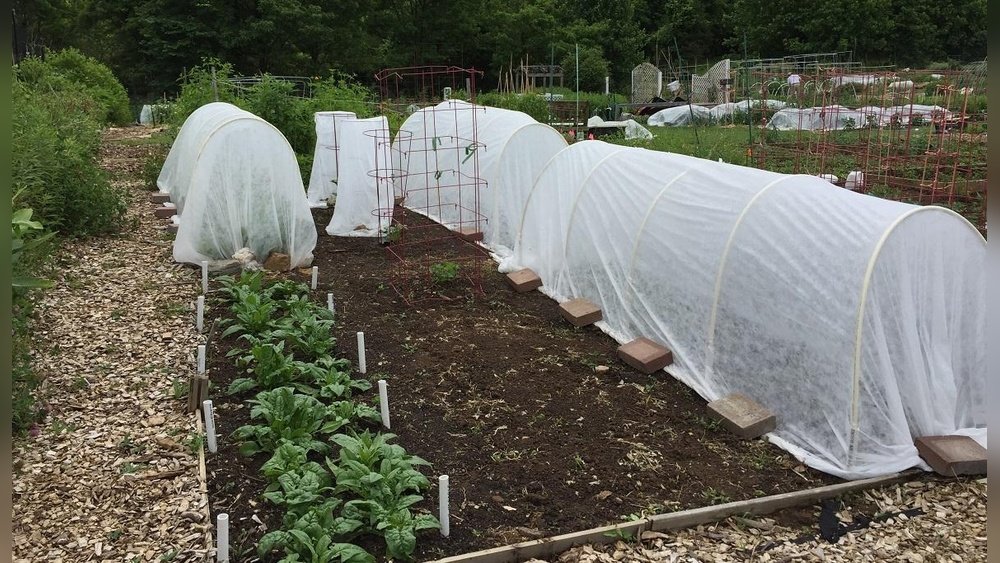
If you love gardening, you know the frustration of watching the growing season end just as your plants are thriving. Frosts come early, or spring takes too long to warm up. But what if you could protect your crops and harvest for more months each year? Row covers are a simple, affordable tool that can help you do just that. Whether you grow vegetables for your family or run a small farm, row covers are the secret to stretching your harvest window and protecting your plants from weather surprises.
Many gardeners overlook row covers or think they are only for big farms. The truth is, row covers work well in small home gardens too. They are lightweight, reusable, and can be used for many purposes—frost protection, insect control, or even shade.
The key is knowing when, how, and which type to use. In this guide, you’ll learn exactly how to extend your growing season with row covers, what materials to choose, how to set them up, and tips to avoid common mistakes.
You’ll also see real-world examples, data on temperature differences, and get answers to the most common questions.
What Are Row Covers And Why Use Them?
Row covers are sheets of fabric or plastic that you lay over your plants. They create a barrier between your crops and the outside environment. The main types are floating row covers (lightweight fabric) and plastic covers (clear or perforated). Some covers rest directly on plants, while others are supported by hoops.
The idea is simple: row covers help you create a microclimate. This means slightly warmer temperatures, less wind, and protection from insects or animals. For gardeners in colder regions, this can mean weeks of extra harvest. In warmer areas, row covers can shield tender crops from harsh sun or sudden cold snaps.
Main Benefits
- Frost Protection – Row covers trap warmth, raising the temperature around your plants by 2–8°F. This can prevent frost damage when temperatures drop.
- Season Extension – By keeping plants warmer, you can plant earlier in spring and harvest later in fall.
- Pest Control – Many covers keep out insects like cabbage worms and aphids without chemicals.
- Wind and Hail Protection – Covers reduce wind stress and can soften the impact of hail.
- Moisture Retention – Less evaporation means you water less often.
Non-obvious insight: Row covers also reduce soil crusting and compaction from heavy rain, which helps seeds germinate better.
Types Of Row Covers: Finding The Right Material
Choosing the right row cover depends on your crop, season, and local climate. Here are the main options:
Lightweight Floating Row Covers
These are made from spunbonded polyester or polypropylene. They’re sometimes called “garden fabric” or “frost cloth. ” Lightweight covers (0. 5–0. 6 oz/sq yd) are best for insect protection and letting in maximum sunlight and rain. They offer slight frost protection (2–4°F).
Best for: Lettuce, carrots, beets, and as insect barriers for brassicas and squash.
Medium Weight Row Covers
These covers (0. 9–1. 2 oz/sq yd) offer more frost protection (4–6°F). They let in less light (70–85%) but are still suitable for most vegetables. They’re often used for fall crops or to protect young plants during unexpected cold snaps.
Best for: Tomatoes, peppers, cucumbers, and young seedlings.
Heavyweight Row Covers
These are thicker (1. 5–2. 0 oz/sq yd), block more light (60–70%), and offer the most frost protection (6–8°F). They are used for short periods, like overnight or during sudden freezes, since they can reduce sunlight too much for ongoing use.
Best for: Protecting tender plants from early/late frosts, overwintering hardy crops.
Plastic Row Covers
Clear or perforated plastic sheeting (usually 1–3 mil thick) is used for the earliest spring planting. Plastic warms soil quickly but can overheat crops on sunny days. Perforated plastic lets heat escape and rain through.
Best for: Early spring, warming soil before planting, quick germination.
Shade Cloth
In hot climates, shade cloth (30–50% shade) can protect crops from sunburn and heat stress. It’s not for frost, but it extends the season for cool-loving crops in summer.
Best for: Lettuce, spinach, and other greens in midsummer.
Comparison: Common Row Cover Materials
Here’s a quick look at the properties of different row cover materials.
| Type | Weight (oz/sq yd) | Light Transmission | Frost Protection | Best Uses |
|---|---|---|---|---|
| Lightweight Fabric | 0.5–0.6 | 85–95% | 2–4°F | Insect barrier, mild frost |
| Medium Weight | 0.9–1.2 | 70–85% | 4–6°F | Spring/fall frost, seedlings |
| Heavyweight Fabric | 1.5–2.0 | 60–70% | 6–8°F | Severe frost, overwintering |
| Clear Plastic | 1–3 mil | 80–90% | Up to 10°F (with venting) | Soil warming, early spring |
| Shade Cloth | Varies | 30–70% shade | None | Heat protection |
Non-obvious insight: Lightweight row covers can stay on for weeks, but heavy covers should be removed during sunny days to avoid overheating.
How Row Covers Extend The Growing Season
The main way row covers work is by trapping heat and slowing heat loss at night. During the day, sunlight warms the soil and plants. At night, the cover holds some of that heat in. This small temperature boost often makes the difference between a plant surviving or dying during a frost.
How Much Warmer?
- A single layer of lightweight row cover can raise air temperature under the cover by 2–4°F.
- Medium and heavy covers may raise temperatures by 4–8°F.
- Plastic tunnels or double layers can add up to 10°F.
This may not sound like much, but it’s often enough to protect from light frosts (28–32°F) or even allow cool-weather crops to survive into winter.
Real-world Example
A gardener in zone 5 (northern US) used medium-weight row covers over fall spinach and lettuce. Without covers, plants died after the first hard frost (25°F) in early October. With covers, the same crops survived until Thanksgiving—adding 6 weeks of harvest.
Microclimate Effects
- Soil warms faster in spring – You can plant seeds or transplants earlier, getting a head start on the season.
- Plants grow faster – Slightly warmer temperatures, especially at night, help crops mature sooner.
- Reduced wind stress – Plants don’t lose as much moisture and energy to the wind.
Setting Up Row Covers: Step-by-step
You don’t need special tools to use row covers, but following a few simple steps can make a big difference.
1. Prepare The Bed
Remove weeds, large clumps, and rocks from your garden bed. Smooth the surface so the cover sits close to the plants but doesn’t crush them.
2. Choose Support (hoops Vs. Floating)
- Floating row cover: For sturdy, low crops like lettuce or carrots, just lay the fabric directly over the plants and secure the edges.
- Hoops: For taller crops (tomatoes, peppers) or to avoid crushing seedlings, use hoops made from wire, PVC, or metal. Space hoops every 3–4 feet.
3. Secure The Edges
Wind can lift covers, so secure the sides with soil, rocks, landscape pins, or boards. Burying the edges 2–3 inches deep works best.
4. Leave Slack
Don’t pull the cover too tight. Leave some slack so plants can grow and the cover won’t tear in wind.
5. Watering
Most fabric covers let rain through, but check under plastic covers. If rain can’t penetrate, you’ll need to water by hand or drip irrigation.
6. Remove Or Ventilate As Needed
On sunny days, especially with plastic or heavy covers, temperatures can rise quickly. Open the ends or sides to avoid overheating. Remove covers for pollination (when crops flower) unless you’re growing self-pollinating plants.
When To Use Row Covers: Key Times In The Season
Row covers are flexible, but timing matters. Here’s how to get the most out of them:
Early Spring
- Use clear plastic or medium-weight fabric to warm soil and protect young seedlings from chilly nights.
- Start greens, peas, or root crops up to 2–3 weeks earlier than usual.
Late Spring
- Keep covers on crops like squash, cucumbers, or brassicas to block early insect pests.
- Remove covers when plants start to flower so bees can pollinate.
Summer
- In hot regions, use shade cloth during heat waves for lettuce and spinach.
- Remove frost covers completely unless you need insect protection.
Fall
- Put covers back on as nights get colder. This can add 4–8 weeks to your harvest for hardy greens and root crops.
- Double up with plastic tunnels for maximum protection.
Winter
- In mild climates, heavy covers or low tunnels can keep spinach, kale, or carrots alive all winter.
- In cold climates, use covers mainly for season extension in fall and spring.
How Long Do Row Covers Last?
Quality row covers can last 2–4 years with good care. Lightweight fabric is more delicate, while medium and heavy covers are stronger. Plastic sheets often last only one season outdoors.
Tips to extend lifespan:
- Fold and store covers out of sun and weather when not in use.
- Wash off dirt before storage.
- Keep away from sharp tools or animals.
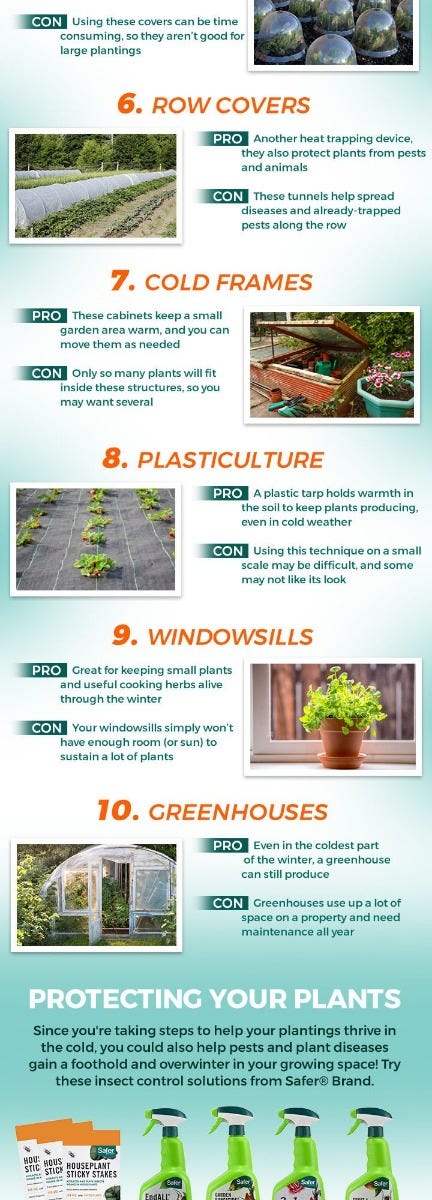
Credit: www.saferbrand.com
Common Mistakes To Avoid
Using row covers is simple, but some mistakes can reduce their benefits.
- Leaving covers on too long – Especially with heavy fabric or plastic, plants can overheat or get leggy. Remove covers once danger of frost has passed or when crops flower.
- Not securing edges – Wind can blow covers away or let pests sneak in. Always pin or bury the edges.
- Using wrong weight – Heavy covers block too much light for young seedlings; lightweight covers won’t protect from hard frost.
- Poor ventilation – High temperatures under covers can “cook” plants. Always vent on sunny days.
- Ignoring pollination needs – Many vegetables need bees. Uncover flowering plants so they can be pollinated.
Non-obvious insight: Some crops, like peas and beans, can be stressed by too much warmth under heavy covers. Watch for yellowing or weak growth.
Choosing The Right Row Cover For Your Climate
Climate plays a big role in how you use row covers. Here’s a quick guide:
| Climate | Best Row Cover Type | Main Focus | Season Extension Potential |
|---|---|---|---|
| Cold North (Zone 3–5) | Medium/Heavy Fabric, Plastic | Frost Protection | 4–8 weeks |
| Temperate (Zone 6–7) | Light/Medium Fabric | Early Start, Late Harvest | 3–6 weeks |
| Warm South (Zone 8+) | Light Fabric, Shade Cloth | Insect Barrier, Heat Relief | 2–4 weeks (summer crops) |
Using Row Covers With Different Crops
Not all crops respond the same way to row covers. Here’s how to use them with popular garden vegetables.
Cool-season Crops
- Lettuce, spinach, kale, peas, carrots, beets: Benefit from early spring and late fall protection. Lightweight covers work well.
- Broccoli, cabbage, cauliflower: Use row covers for insect protection in spring and again in fall for frost.
Warm-season Crops
- Tomatoes, peppers, eggplants: Use medium or heavy covers for early transplants, then remove when weather warms.
- Squash, cucumbers, melons: Use floating covers to block cucumber beetles and squash bugs, but remove at flowering for pollination.
Root Vegetables
- Onions, radishes, turnips: Benefit from covers in spring and fall. Covers protect from root maggots and extend harvest.
Herbs
- Basil, parsley, cilantro: Light covers can shield tender herbs from cold snaps or wind.
Non-obvious insight: Row covers can also protect young seedlings from birds and squirrels, which often dig up new plantings.
Diy Vs. Commercial Row Covers
You can buy row covers at most garden centers, but making your own is also an option.
Diy Options
- Old bed sheets: Work in a pinch for frost protection but block more light.
- Remay or Agribon fabric: Buy by the roll for large gardens.
- Plastic sheeting: Cheap but needs venting and only for short-term use.
Commercial Options
- Sold in pre-cut sizes or rolls.
- Often UV-stabilized for longer life.
- Hoops and clips are available for easy setup.
Which is better? Commercial covers last longer and are easier to use, but DIY covers can save money for small gardens.
Cost And Value: Is It Worth It?
For a typical home garden (100–200 sq ft), expect to spend:
- $15–$40 for enough lightweight or medium fabric to cover your crops for 2–3 years.
- $10–$20 for hoops (optional).
- Less than $1/sq ft per season, often less with reuse.
Compared to the value of extra harvests (often $50–$100+ per year), row covers pay for themselves quickly.
Commercial farms use row covers on hundreds of acres, but the method scales perfectly for backyard plots.
Row Covers Vs. Other Season Extension Tools
How do row covers stack up against cold frames, greenhouses, or mulch?
| Tool | Cost | Ease of Use | Season Extension | Best For |
|---|---|---|---|---|
| Row Covers | Low | Very Easy | 2–8 weeks | All crops, insect control |
| Cold Frame | Medium | Easy | 4–12 weeks | Leafy greens, herbs |
| Greenhouse | High | Complex | Year-round | All crops, serious growers |
| Mulch | Very Low | Very Easy | 1–2 weeks | Soil temp, root crops |
Row covers are the most affordable and flexible option for most home gardeners.
Real-world Success Stories
- In Maine, a market gardener uses medium-weight row covers and low tunnels to grow spinach, arugula, and lettuce until December, even under snow.
- In Texas, a home gardener uses shade cloth to keep lettuce and cilantro producing through the hot early summer.
- In California, a small farm blocks cucumber beetles with lightweight floating covers, reducing crop loss without pesticides.
These examples show that row covers work in many climates and can double or even triple the harvest window for key crops.
Maintenance And Storage
Row covers are simple, but proper care helps them last.
- Shake off dirt and plant debris after each use.
- Dry covers completely before storing to prevent mold.
- Fold neatly and store in bins or bags away from sunlight, rodents, and sharp tools.
- Patch small holes with fabric tape or duct tape.
If you notice holes or tears, repair them quickly. Even a small opening can let in pests or reduce frost protection.

Credit: www.amazon.com
Advanced Tips For Maximum Results
- Double covering – Layer lightweight fabric under plastic tunnels for an extra 2–4°F protection.
- Use black plastic mulch under covers – This warms soil even faster in spring.
- Stagger planting times – Combine row covers with succession planting to keep a steady harvest.
- Install drip irrigation – Fabric covers let water through, but drip lines under covers save time and reduce disease.
- Monitor with a thermometer – Place a soil or air thermometer under your covers to avoid overheating.
Experienced growers often leave lightweight covers on all season for pest control, removing only for weeding and harvest.
Environmental Impact And Sustainability
Row covers are reusable and require little energy to produce. Most garden fabrics are made from polypropylene, which can be recycled at some facilities. Unlike plastic mulch, row covers don’t add persistent waste to your garden.
To reduce your footprint:
- Choose longer-lasting materials.
- Reuse covers for several years.
- Patch rather than replace when possible.
For more on sustainable agriculture, visit the Wikipedia page on sustainable agriculture.

Credit: thehouseandhomestead.com
Frequently Asked Questions
What Is The Difference Between Floating Row Covers And Plastic Tunnels?
Floating row covers are lightweight fabrics that rest directly on crops or hoops. They let air, water, and light through. Plastic tunnels use clear plastic stretched over hoops to create a mini greenhouse, trapping more heat but requiring ventilation to prevent overheating.
How Do I Keep Row Covers From Blowing Away?
Secure the edges with soil, landscape pins, rocks, or boards. In windy areas, bury the edges 2–3 inches deep. For plastic covers, use extra weights or clips, as plastic can catch the wind easily.
When Should I Remove Row Covers?
Remove row covers when the danger of frost has passed or when crops start to flower and need pollination. In hot weather, lift covers on sunny days to avoid overheating crops.
Can I Water Through Row Covers?
Yes, most fabric row covers let rain and water through. Plastic covers do not, so you’ll need to water by hand or with drip lines under the plastic.
Are Row Covers Safe For Organic Gardening?
Absolutely. Row covers are one of the best organic tools for pest and frost control. They reduce the need for chemicals and fit well with sustainable gardening methods.
Extending your growing season with row covers is a smart, simple way to get more from your garden. With a little practice, you’ll harvest earlier, later, and with fewer losses to frost or pests. Try them for one season, and you’ll likely never garden without them again.