

Bindweed is one of those plants that can turn a beautiful garden into a constant struggle. Its delicate white flowers may look charming, but don’t be fooled: bindweed is a persistent weed that spreads fast and is tough to control. If you’ve ever tried pulling it, you know that it grows back again and again. Getting rid of bindweed permanently requires more than just casual effort—it needs a strategic approach, patience, and a mix of methods. In this article, you’ll discover proven tips and techniques to remove bindweed for good, avoid common mistakes, and protect your garden for years to come.
What Is Bindweed?
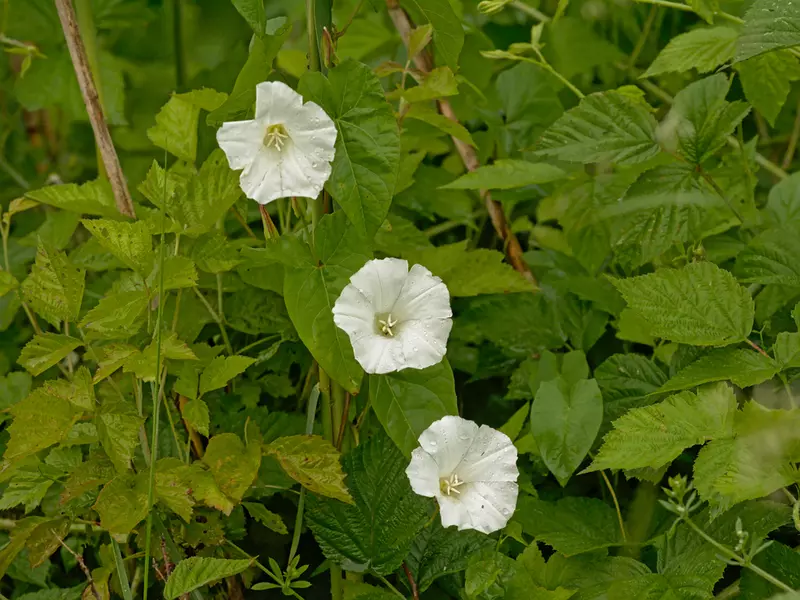
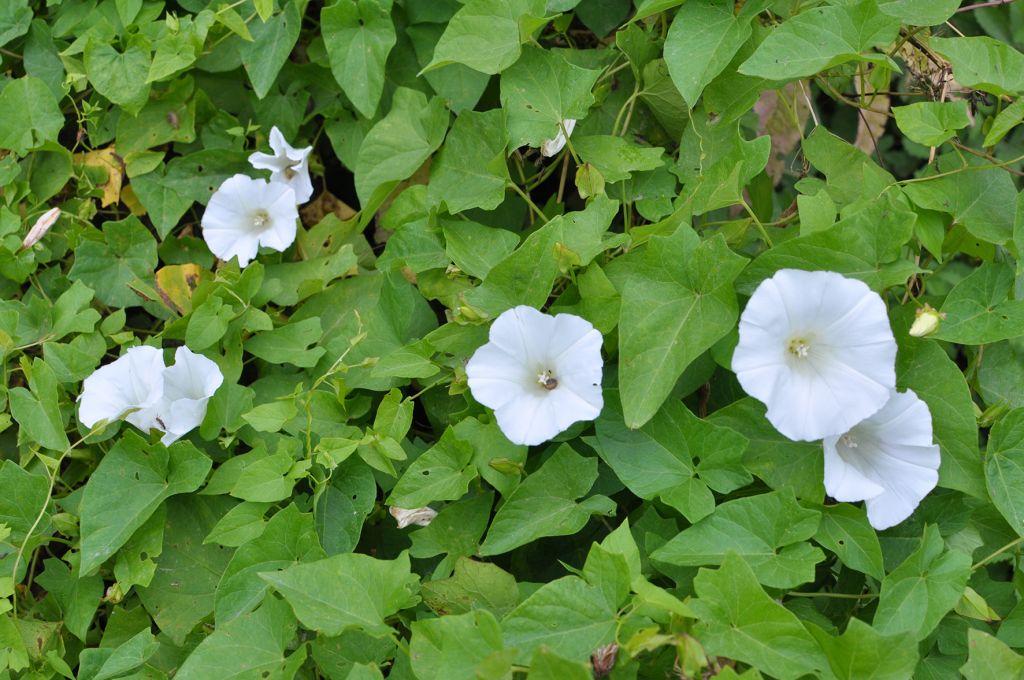
Bindweed, also known as Convolvulus arvensis (field bindweed), is a perennial weed that grows in gardens, fields, and even cracks in sidewalks. It’s famous for its twining vines and trumpet-shaped flowers, usually white or pale pink. The plant spreads through seeds and a deep, extensive root system called rhizomes. Bindweed roots can go as deep as 10 feet below the surface, making it extremely hard to remove completely.
Bindweed’s ability to grow in tough conditions and outcompete other plants is why gardeners call it a “superweed. ” It wraps around stems, fences, and anything in its path, blocking sunlight and stealing nutrients from your vegetables, flowers, or lawns.
How Bindweed Spreads
- Seed dispersal: Each flower produces seeds that stay viable in the soil for up to 30 years.
- Root fragments: Even a tiny piece of root left behind can start a new plant.
- Rhizomes: Underground stems grow horizontally, sending up new shoots far from the original plant.
Understanding this aggressive behavior is the first step to tackling bindweed effectively.
Why Bindweed Is So Difficult To Remove
Bindweed’s reputation as an “unbeatable weed” comes from its biology. Unlike shallow-rooted weeds, bindweed has roots that reach deep underground. This means pulling it out rarely works—usually, you leave small pieces of root behind, and those pieces regrow into full plants.
Bindweed also grows quickly. It can climb and smother plants in just a few weeks. Its seeds are tiny and easily spread by wind, water, animals, and even on gardening tools or shoes. Because bindweed can regenerate from both roots and seeds, simple removal techniques are often not enough.
Many beginners make the mistake of only pulling bindweed above the ground. This seems to work at first, but new shoots appear soon after. To get rid of bindweed permanently, you need a plan that attacks both the roots and seeds.
How To Identify Bindweed In Your Garden
Bindweed can look similar to other vining plants, especially when young. Knowing the difference is important for successful removal.
Key features:
- Leaves are arrow-shaped, with pointed ends and smooth edges.
- Flowers are trumpet-shaped, 1–2 inches wide, usually white or pale pink.
- Stems are thin and twine around objects or other plants.
- Roots are white, stringy, and can be several feet long.
Bindweed often wraps tightly around stems and fences. If you see a plant with these characteristics, especially one that grows fast and is hard to pull, you likely have bindweed.
Permanent Bindweed Removal: The Core Strategies
Bindweed removal is not a one-time action—it’s an ongoing process. Here are the most effective ways to fight bindweed and keep it out of your garden.
1. Deep Digging And Root Removal
One of the most reliable ways to reduce bindweed is manual digging. But you must go deep and be thorough.
- Use a garden fork or shovel to dig at least 12 inches deep.
- Follow the roots as far as you can, removing all visible rhizomes.
- Work slowly and carefully—if you break the roots, each piece can regrow.
- Repeat every few weeks, especially in early spring and late fall.
Tip: For large infestations, divide the area into sections and tackle one at a time. Persistence is key.
2. Smothering Bindweed With Mulch Or Cover
Bindweed needs sunlight to grow. Blocking light with mulch or covers can weaken it over time.
- Lay thick layers of cardboard, newspaper, or landscape fabric over the affected area.
- Add 3–4 inches of organic mulch (wood chips, straw) on top.
- Leave covers in place for at least one growing season.
- Check edges regularly—bindweed can sneak out from uncovered spots.
This method works best in garden beds or places where you don’t need to plant immediately. It suffocates bindweed roots and prevents new shoots.
3. Repeated Cutting And Mowing
Cutting bindweed down again and again can exhaust its energy. This technique is ideal for lawns and open spaces.
- Cut or mow bindweed every 1–2 weeks during the growing season.
- Always remove cut stems and leaves to prevent seed spread.
- Over time, the roots use up their stored energy and die back.
Non-obvious insight: Cutting is most effective when combined with digging or smothering. Cutting alone may not kill deep roots, but it slows bindweed’s growth.
4. Chemical Control: Herbicides
When manual methods fail, selective herbicides can help. But use them carefully.
- Choose herbicides labeled for bindweed, such as those containing glyphosate or triclopyr.
- Apply directly to leaves with a brush or sponge to avoid harming other plants.
- Treat bindweed when it is actively growing, usually spring or early summer.
- Follow all safety instructions and avoid spraying on windy days.
Important: Herbicides can damage desirable plants and soil health. Use only as a last resort or for severe infestations.
5. Solarization
Solarization uses heat from the sun to kill bindweed roots and seeds.
- Cover the affected area with clear plastic sheets.
- Seal edges tightly to trap heat and moisture.
- Leave plastic in place for 4–8 weeks during the hottest part of summer.
- After removal, check soil for bindweed regrowth.
Solarization works best in open beds or unused areas. It’s less effective in shady spots or cool climates.
6. Crop Competition
Planting strong, fast-growing crops can outcompete bindweed and shade it out.
- Try dense groundcovers like clover, perennial ryegrass, or creeping thyme.
- Use vegetables with broad leaves, such as squash or pumpkin.
- Water and fertilize your crops to help them grow quickly and crowd out bindweed.
Bindweed struggles to survive when other plants dominate the area and block light.
7. Maintaining A Bindweed-free Garden
Prevention is as important as removal. Once you get bindweed under control, keep your garden protected.
- Inspect new plants and soil for bindweed roots or seeds before planting.
- Clean tools and shoes after working in infested areas.
- Remove bindweed seedlings as soon as you spot them.
- Mulch regularly to block light and discourage new growth.
Comparison: Bindweed Removal Methods
Here’s a comparison of the main bindweed removal methods, showing their effectiveness, speed, and impact on the garden:
| Method | Effectiveness | Time Needed | Impact on Garden |
|---|---|---|---|
| Deep Digging | High | Several sessions | Labor-intensive, safe for most plants |
| Smothering | Medium-High | Months | Blocks planting temporarily |
| Repeated Cutting | Medium | Ongoing | Safe for lawns, slow progress |
| Herbicides | High (if used correctly) | Weeks | Risk to other plants and soil health |
| Solarization | Medium | 1–2 months | No planting during treatment |
| Crop Competition | Medium | Growing season | Improves soil health |
Step-by-step: Removing Bindweed From Different Areas
Bindweed grows in many places, from vegetable gardens to lawns and flower beds. Each area needs a slightly different approach.
Vegetable Garden
- Dig up visible roots before planting.
- Apply mulch around vegetables to block sunlight.
- Remove bindweed shoots immediately if they appear.
- Use herbicides only as a spot treatment, away from edible crops.
- Rotate crops to disrupt bindweed growth cycles.
Flower Beds
- Pull bindweed carefully, avoiding damage to roots of flowers.
- Lay landscape fabric under mulch for extra protection.
- Cut bindweed stems at the base regularly.
- Plant dense perennials to shade out bindweed.
Lawn
- Mow regularly, keeping grass taller than bindweed.
- Overseed with strong turf grasses to crowd out bindweed.
- Use selective herbicides for bindweed only, not the whole lawn.
- Water deeply but infrequently to strengthen grass.
Paths And Fences
- Dig up roots along fence lines and edges.
- Use thick mulch or gravel to block bindweed.
- Inspect regularly, as bindweed can grow through cracks.
- Apply herbicide carefully, avoiding runoff.
Data: Bindweed Growth And Persistence
Bindweed’s ability to survive is backed by real numbers:
- Seeds remain viable for up to 30 years in soil.
- Roots can grow up to 10 feet deep and spread horizontally for several feet.
- Bindweed can regrow from root fragments as small as 2 inches.
- A single bindweed plant can produce hundreds of seeds each season.
These numbers explain why bindweed is so hard to eliminate. Even after heavy removal, seeds and roots left behind can restart the problem.
Common Mistakes When Fighting Bindweed
Many gardeners waste time and energy because they make simple mistakes. Avoid these to improve your chances of success.
- Pulling only the top growth: The roots remain and regrow quickly.
- Not removing all root fragments: Bindweed roots break easily and each piece can sprout.
- Using the wrong herbicide: Some products don’t affect bindweed’s deep roots.
- Ignoring prevention: Bindweed spreads fast if you don’t check regularly.
- Planting over infested soil: Bindweed seeds and roots can survive underground.
- Stopping too soon: It may take a whole season or more to see results.
- Not cleaning tools: Bindweed fragments can stick to shovels and spread elsewhere.
Practical Tips For Permanent Bindweed Removal
Bindweed is tough, but with these practical tips, you can win the battle and keep it away for good.
1. Start Early
Bindweed grows rapidly in spring. Begin removal as soon as new shoots appear—don’t wait until it’s tangled around other plants.
2. Track Your Progress
Keep a garden journal or map. Mark areas where bindweed was found and note removal dates. This helps spot patterns and target persistent areas.
3. Combine Methods
Don’t rely on just one strategy. For example, dig roots, cover with mulch, and cut new shoots. Combining techniques improves success.
4. Use Targeted Herbicide Application
If you use chemicals, apply them only to bindweed leaves. Use a paintbrush or sponge rather than spraying. This avoids harming other plants.
5. Maintain Healthy Soil
Healthy soil supports strong plants that outcompete bindweed. Add compost, rotate crops, and avoid overwatering.
6. Clean Up Carefully
After removing bindweed, dispose of roots and stems in trash, not compost. Composting can spread seeds and roots.
7. Inspect Regularly
Check your garden every week, especially after rain or during warm weather. Remove bindweed as soon as you see it.
8. Don’t Let Bindweed Flower
Bindweed flowers produce seeds that last for decades. Cut or remove bindweed before it blooms.
9. Educate Family And Helpers
Make sure everyone working in your garden knows what bindweed looks like and how to remove it.
10. Use Edge Barriers
Install plastic or metal edging around beds to stop bindweed roots from spreading.
11. Plant Dense Crops
Dense crops shade soil, making it harder for bindweed to grow. Choose plants with broad leaves and close spacing.
12. Rotate Removal Techniques
Change your approach every few weeks. If digging isn’t working, switch to smothering or solarization.
13. Be Patient And Persistent
Bindweed removal takes time. Stick with your plan for at least one full growing season.
Bindweed Vs. Other Common Weeds
Bindweed is often confused with other weeds. Here’s a quick comparison to help you tell the difference and choose the right removal strategy.
| Weed | Root Depth | Spread Method | Removal Difficulty |
|---|---|---|---|
| Bindweed | Up to 10 ft | Seeds, rhizomes | Very high |
| Dandelion | Up to 2 ft | Seeds | Medium |
| Creeping Charlie | 1–2 ft | Stolons | High |
| Crabgrass | Shallow | Seeds | Low |
Bindweed’s deep roots and multiple spread methods make it much harder to remove than most other weeds.
Real-life Example: Bindweed Removal Success
A home gardener in Ohio faced a bindweed infestation covering half her vegetable garden. She used a combination of deep digging, thick cardboard mulch, and weekly cutting. In two seasons, bindweed was reduced by 90%. She tracked each removal session and noticed bindweed regrew mostly from spots she missed during digging.
Her experience shows that combining methods and tracking progress are vital. She avoided herbicides because she grew organic crops, proving manual removal can work with patience.
Non-obvious Insights For Beginners
- Bindweed roots grow horizontally as well as vertically. When digging, follow roots sideways, not just down.
- Bindweed can survive in compost. Always trash roots and stems; don’t compost them.
These details are often missed by beginners and lead to repeat infestations.
Credit: www.gardencentrescanada.ca
Long-term Bindweed Prevention
Once you’ve removed bindweed, the goal is to keep it from returning. Here’s how:
- Mulch beds every year, especially before spring.
- Inspect soil before planting new crops or flowers.
- Use edge barriers to block root spread.
- Grow cover crops during off seasons.
- Educate neighbors—bindweed can spread from nearby yards.
If bindweed appears again, act fast. Early removal prevents bigger problems.
Expert Advice: When To Call A Professional
If bindweed covers a large area or keeps returning despite your efforts, consider calling a professional landscaper or weed control company. They have access to commercial herbicides and equipment, and can design a custom removal plan. This is especially helpful for lawns or fields larger than 1 acre.
Credit: www.ascentyardcare.com
Scientific Research: Bindweed Control
Studies show that integrated control—using several methods together—works best. For example, research from the University of California found that combining deep digging, solarization, and competitive planting reduced bindweed by up to 85% in test plots.
For more research-backed strategies, visit the Wikipedia page on Bindweed.
Frequently Asked Questions
How Long Does It Take To Get Rid Of Bindweed Permanently?
Bindweed removal is a long process. It usually takes at least one full growing season, and sometimes up to two years for complete control. Regular checks and combined methods are needed to keep bindweed from returning.
Can Bindweed Be Removed Without Chemicals?
Yes. Manual methods like deep digging, smothering, and repeated cutting can work. Combining these methods and staying consistent is key. Chemicals are only needed for severe infestations or if manual methods fail.
Is Bindweed Harmful To Pets Or Humans?
Bindweed itself is not toxic to humans or pets, but it can choke out crops and desirable plants, reducing garden health. Its fast growth can make spaces unsafe or unattractive if left unchecked.
What’s The Best Mulch For Controlling Bindweed?
Thick organic mulch, like wood chips or straw, works well. For extra protection, layer cardboard or newspaper underneath. Mulch blocks light and slows bindweed growth.
Will Bindweed Ever Come Back After Removal?
Bindweed can return if roots or seeds remain in the soil. Inspect your garden regularly and remove new shoots immediately. Prevention and persistence are important for permanent control.
Bindweed may be a challenging weed, but with careful planning, consistent effort, and the right mix of techniques, you can reclaim your garden for good. Stay patient, track your progress, and use these practical tips to keep bindweed away permanently.

Credit: www.youtube.com