
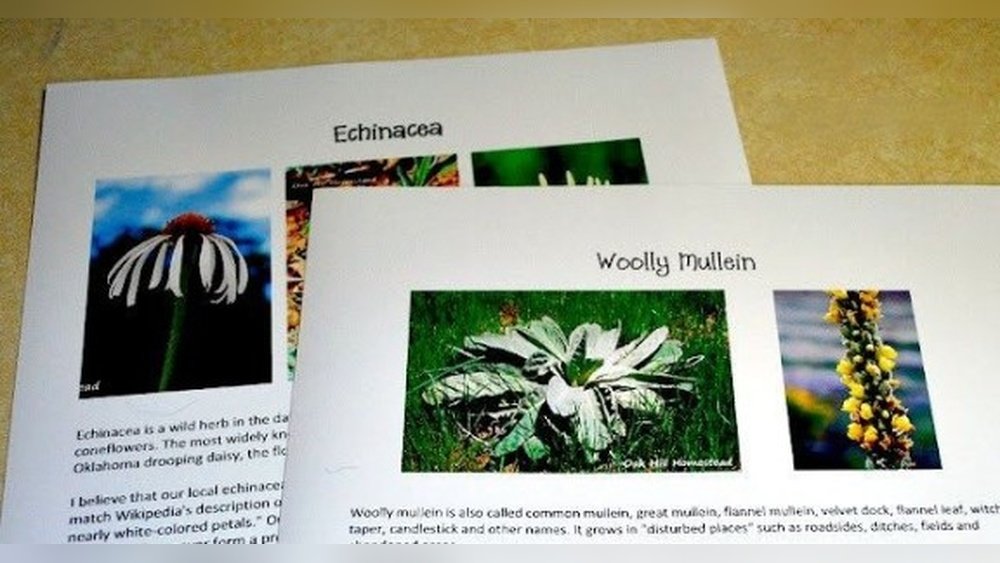
Getting Rid Of Common Mullein: Practical Tips And Strategies
If you have seen tall, fuzzy plants with yellow flowers growing in your yard or fields, you likely have common mullein (Verbascum thapsus). This plant is easy to spot, but hard to control. Mullein grows quickly, spreads easily, and can take over gardens, pastures, and even wild areas. Many people struggle to remove it for good.
This guide will show you clear, simple methods to get rid of common mullein. You will learn why it is tough to remove, how to identify it, and the best ways to control it. Whether you are a gardener, farmer, or land manager, these practical tips will help you keep your land mullein-free.
You will also find useful tables, real examples, and answers to common questions. After reading, you will have a complete understanding of how to handle mullein now and prevent it from coming back in the future.
What Is Common Mullein?
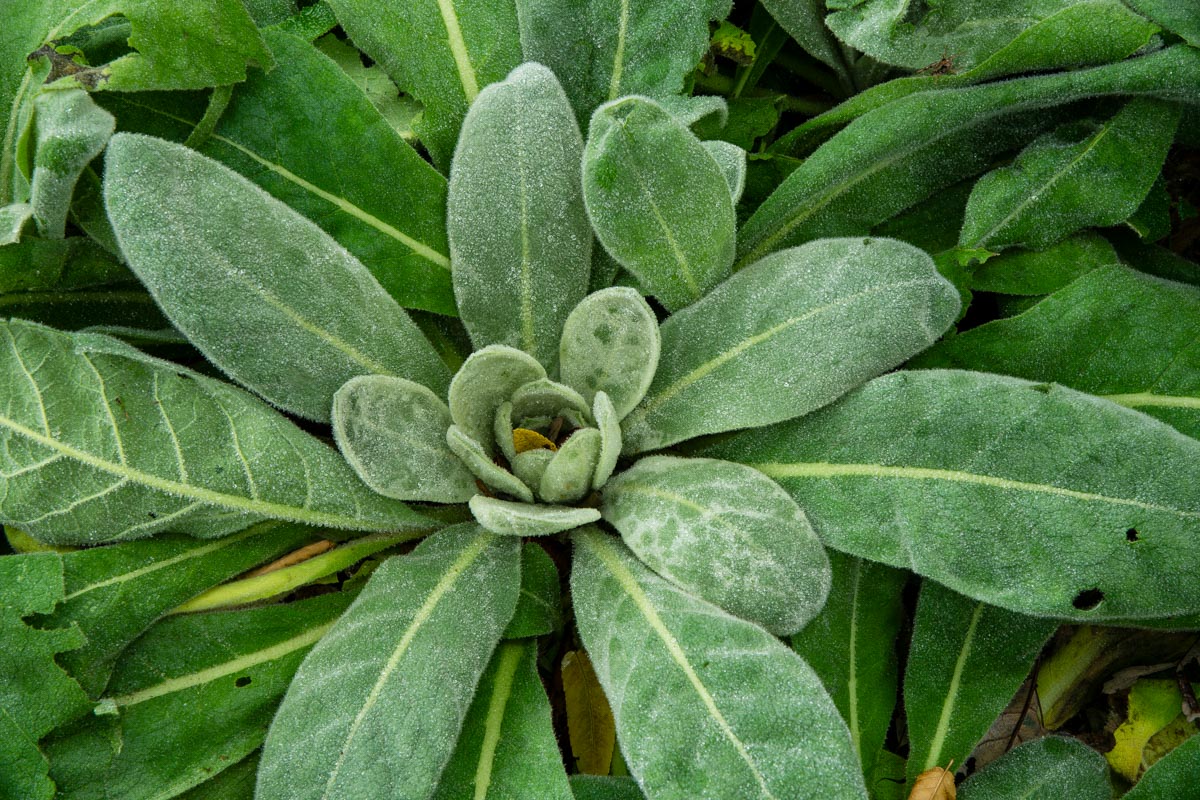
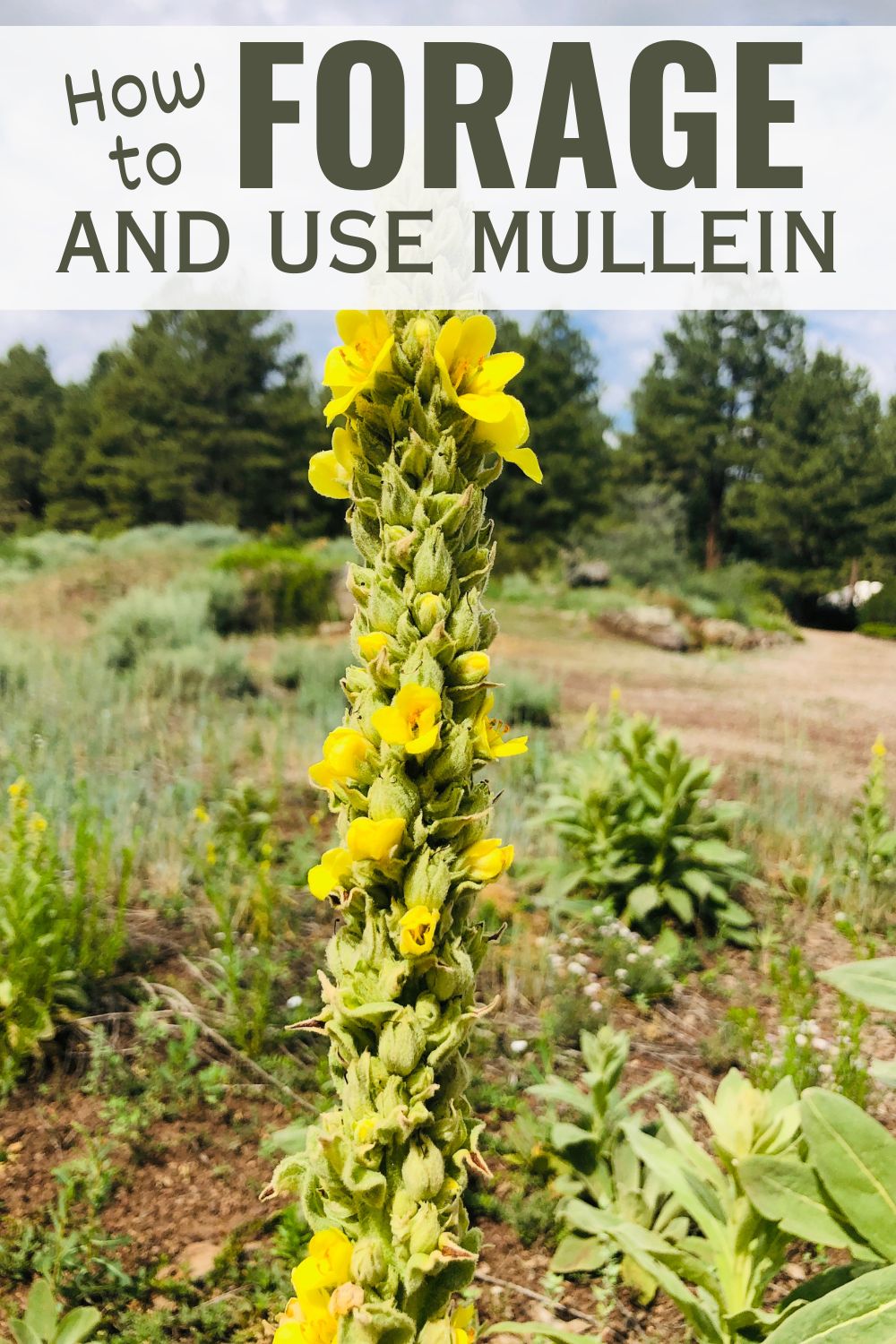
Common mullein is a biennial plant. This means it lives for two years. In the first year, it grows a rosette of fuzzy leaves close to the ground. In the second year, it sends up a tall stem (sometimes over 6 feet) with yellow flowers.
Some key facts:
- Origin: Native to Europe, Asia, and Africa
- Spread: Introduced to North America in the 1700s
- Habitat: Likes dry, disturbed soil; roadsides, fields, pastures
- Seeds: Each plant can produce up to 180,000 seeds
Many people think mullein is harmless, but it can quickly become a noxious weed. It crowds out native plants and lowers crop yields. In some regions, mullein is now considered invasive because it changes the natural balance of plants and can even affect animal habitats.
How To Identify Common Mullein
Look for these features:
- Leaves: Large, soft, fuzzy, gray-green
- Flowers: Small, yellow, clustered on a tall spike
- Height: Up to 6–8 feet in second year
- Stem: Thick, upright, covered in woolly hairs
Common mullein is often confused with lamb’s ear or other fuzzy plants. But its tall flower stalk and yellow blooms make it easy to spot. In the first year, the rosette can be up to two feet wide, making it easy to notice even before the flower spike appears.
| Feature | Common Mullein | Lamb’s Ear |
|---|---|---|
| Leaf Texture | Fuzzy, thick | Fuzzy, thin |
| Flower Color | Yellow | Purple |
| Plant Height | Up to 8 feet | Under 2 feet |
| Growth Habit | Biennial, tall spike | Perennial, spreading |
If you still have doubts, look for the unique “woolly” appearance of the mullein’s stem and the way the yellow flowers open from the bottom of the spike upwards.
Why Is Common Mullein Hard To Control?
Many beginners make the mistake of pulling mullein only when it is tall and flowering. By then, it has already released seeds. Here are some reasons mullein is tough:
- High Seed Production: One plant can make thousands of seeds.
- Long Seed Life: Seeds stay viable in the soil for up to 100 years.
- Fast Growth: Mullein grows quickly in poor soil.
- Resistant to Drought: It survives dry conditions that kill other plants.
- Deep Taproot: Roots go deep, making the plant hard to pull.
If you only remove the top, the root will regrow. If you let it flower, seeds spread everywhere. A simple mistake can mean more mullein next season.
Another challenge is that mullein seeds are very small and can be moved easily by wind, water, or even animals. They can end up far from the original plant, making it difficult to control all new seedlings. Also, because seeds can stay in the soil for decades, even one missed plant can start the problem again years later.
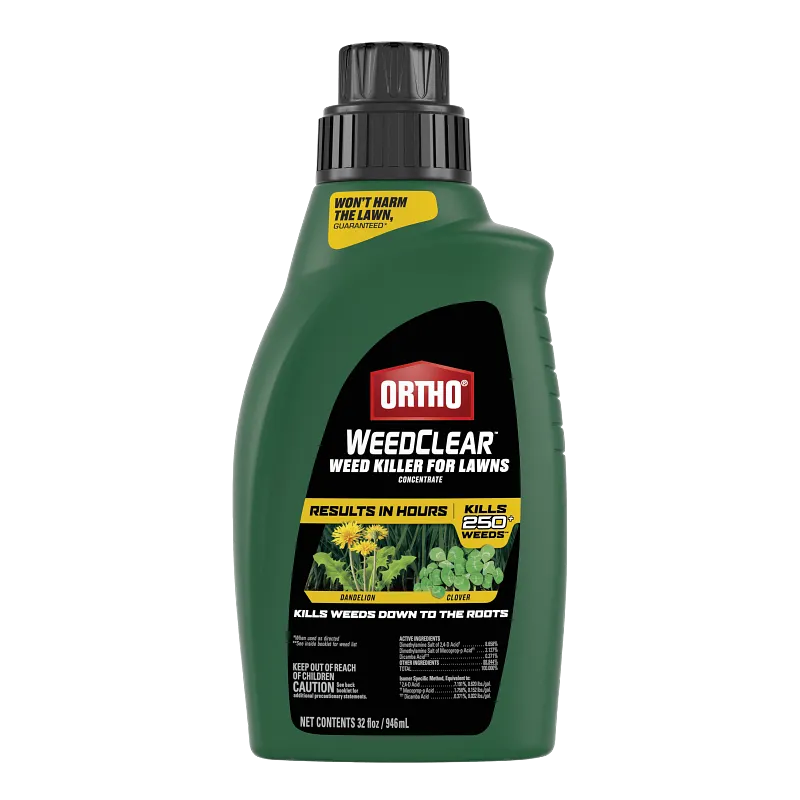
Credit: scottsmiraclegro.com
Best Ways To Get Rid Of Common Mullein
Controlling mullein needs a mix of methods. Each approach has pros and cons. The right method depends on your land, number of plants, and goals. Here are the most effective strategies:
1. Hand Pulling
This is the most basic method. Hand pulling works best for small patches or young plants.
How to do it:
- Wear gloves (leaves can irritate skin)
- Pull when soil is damp (roots come out easier)
- Grab close to the base and pull steadily
- Remove the whole root—if part is left, it can regrow
- Dispose of plants—do not compost if seeds are present
Tip: Pull mullein before it flowers, usually in late spring.
When Hand Pulling Works
- Small gardens
- Young rosettes (first-year plants)
- After rain or watering
When Hand Pulling Fails
- Large infestations
- Dry, compact soil
- Mature plants with deep roots
Hand pulling is also safer for children and pets if you avoid chemicals. If you pull regularly each spring, you will see fewer plants each year. If you have rocky soil, sometimes you need to use a trowel or a weeding tool to loosen the root before pulling.
2. Digging Out
Digging is more thorough than pulling. It is good for mature plants with deep roots.
Steps:
- Use a shovel or garden fork
- Dig around the base, loosening soil
- Lift the whole plant with root
- Fill the hole to stop new weeds
Tip: Digging is easier after rain. For rocky soil, use a fork instead of a shovel.
Make sure to dig deep enough—at least 6–8 inches—to get the entire taproot. If you leave part of the taproot, the plant can grow back, sometimes even stronger. For very old or large plants, you may need to dig a wider circle around the base to loosen stubborn roots.
3. Cutting And Mowing
Mullein does not regrow well from cut stems, but cutting must be timed right.
- Cut plants close to the ground before flowering
- Use a sharp blade or mower
- Repeat as new shoots appear
Cutting is best for large fields or pastures. It stops seed production, but does not kill roots. You must repeat several times.
Common Mistake
Cutting after flowers appear lets seeds spread. Always cut before buds form.
For very dense infestations, mowing two or three times per season is more effective than just once. You may also need to mow again the following year, as seeds in the soil can sprout after the first round. Cutting too high leaves part of the rosette, which may regrow.
4. Herbicide Use
Herbicides can help in large infestations, but must be used carefully.
Popular products:
- Glyphosate (Roundup)
- 2,4-D
How to apply:
- Target rosettes in early spring or late fall
- Spray on leaves, not on soil
- Follow label instructions—too much harms other plants
Tip: Herbicides work best when plants are actively growing. Avoid spraying on windy days.
| Herbicide | Effectiveness | Cost (per acre) | Risks |
|---|---|---|---|
| Glyphosate | High | $15–$20 | Non-selective, kills most plants |
| 2,4-D | Medium | $12–$18 | Selective, less harm to grasses |
Non-obvious Insight
Many people spray herbicides when mullein is tall and blooming. At this stage, the plant is less sensitive. Spraying early (rosette stage) gives better results.
Another point: always check the weather forecast before spraying. Rain within 24 hours can wash away the herbicide, making it less effective and possibly harming the environment.
5. Preventing Seed Spread
Stopping seed spread is key to long-term control.
- Remove plants before they flower
- Bag removed plants and throw them away
- Clean shoes, tools, and equipment after working in infested areas
- Mulch bare soil to block new seeds
Tip: Seeds stick to shoes, tires, and pets. Always check before leaving a mullein patch.
It’s easy to forget that seeds can hide in tiny cracks on boots or garden tools. Even a few seeds tracked to a new area can start a new infestation. For community gardens or farms, consider setting up a cleaning station for footwear and tools.
6. Soil Improvement
Mullein likes poor, dry soil. Improving soil can help native plants compete.
- Add compost or manure
- Plant cover crops or grasses
- Water regularly in dry months
Healthier soil means fewer mullein seeds can sprout.
For example, after removing mullein, you can plant fast-growing cover crops like clover or ryegrass. These plants fill empty spaces, making it hard for mullein seeds to find sunlight and grow. Over time, this method builds up organic matter and improves water retention, which helps other plants outcompete weeds.
7. Burning (controlled Fire)
In wild or open land, controlled burning can kill mullein rosettes and seeds.
- Only do this with local permission and guidance
- Fire removes old plants and exposes soil for new growth
Warning: Burning is risky. It can harm wildlife and other plants. Only use as a last resort.
Controlled burns are sometimes used by land managers for large natural areas, but they require planning and safety measures. Burning can also help native plants by clearing out dead material, but always check local laws and fire regulations first.
8. Biological Control
Some insects eat mullein, but are not widely used for control. Research is ongoing. A fungus called Cercospora can cause leaf spots and weaken plants, but it is not available commercially.
Natural predators, like certain beetles, have been studied, but they are not widely released because they might eat other plants, too. In the future, biological methods could offer new ways to control mullein without chemicals.
9. Replanting With Native Species
After removing mullein, plant native grasses or wildflowers. They compete with mullein and block new growth.
- Choose plants that grow well in your area
- Water and care for new plants until they are established
This method is good for restoring wild areas and reducing future weeds.
For example, planting dense grasses like blue grama or fescue can quickly cover bare soil. Native wildflowers, such as black-eyed Susan or yarrow, also compete well. The key is to keep the soil covered so sunlight does not reach mullein seeds.
10. Monitoring And Maintenance
Mullein seeds can sprout years later. Regular checks are needed.
- Walk your land every few months
- Remove any new rosettes quickly
- Keep records of where mullein appears
Tip: Monitoring helps you catch problems early. It prevents small patches from becoming big infestations.
Try marking spots where you found mullein before, and check those areas more often. Early detection and quick action make control much easier and cheaper.
How To Choose The Right Removal Method
The best method depends on your situation. Here is a quick comparison:
| Method | Best For | Effort | Cost | Speed |
|---|---|---|---|---|
| Hand Pulling | Small areas | Low | Free | Immediate |
| Digging | Mature plants | Medium | Low | Immediate |
| Cutting/Mowing | Large fields | Medium | Low–Medium | Quick |
| Herbicides | Heavy infestations | Low | Medium | 1–2 weeks |
| Burning | Wildland | High | High | Quick |
| Replanting | Restoration | Medium–High | Medium | Months |
If you are not sure, try a small test area with your chosen method first and see the results before applying it everywhere.
Practical Tips For Success
Getting rid of mullein is not just about removing plants. There are key steps you should take to make your work last.
Timing Matters
- Remove mullein in spring (before flowering) or fall (before seeds drop)
- Avoid working in dry summer, when roots are hard and plants are tough
Removing mullein early in the morning when temperatures are cooler can make the job more comfortable and effective. Roots are less likely to break in damp, cool conditions.
Use The Right Tools
- Gloves: Protects hands from fuzz and possible irritation
- Shovel or fork: For digging mature plants
- Mower: For large areas
- Trash bags: For disposing of plants
For large infestations, consider specialized weed-pulling tools designed for deep taproots. These tools can save your back and reduce time spent.
Dispose Properly
Many people compost mullein. This spreads seeds. Always bag and trash plants, especially if flowers or seeds are present.
If your local waste service allows, you can also burn bagged plants (if safe and legal). Never leave pulled plants lying on the ground—they can still drop seeds for weeks after removal.
Watch For Regrowth
Check the area every few weeks. New rosettes can appear even after removal. Quick action stops them from becoming mature plants.
Mark spots where you see regrowth, and check them more often. Mullein often returns to the same places year after year if not watched closely.
Mulch Bare Spots
After removal, mulch the soil with wood chips, straw, or leaves. This blocks sunlight and stops seeds from sprouting.
Apply mulch at least 2–3 inches deep for best results. Heavier mulching not only stops mullein but also helps soil retain moisture and feeds other plants.
Involve Neighbors
Mullein spreads easily. If your neighbors have it, seeds can blow onto your land. Share tips and coordinate control efforts.
Neighborhood groups or local weed control teams can organize “mullein-pulling days” for shared borders, making control easier for everyone.
Real-life Examples
Many people have successfully controlled mullein. Here are some examples:
- Small Garden: A homeowner in Colorado pulled mullein by hand every spring. After two years, no new plants appeared.
- Large Pasture: A farmer in Montana used mowing and 2,4-D herbicide. Mullein dropped by 80% in one season.
- Wild Area Restoration: A group in Oregon dug out mature plants and replanted with native grasses. Within three years, mullein was almost gone.
In another case, a park manager in Utah used a mix of digging and spot-spraying. By mapping mullein locations and returning to each spot every two months, the park reduced mullein by 90% in just two years. The key was not just removing plants, but also reseeding with native wildflowers and regularly monitoring for new growth.
These examples show that combining methods works best. Single actions rarely give lasting results.
Credit: neinvasives.com
Mistakes To Avoid
Beginners often make simple errors that lead to more mullein. Here are mistakes to watch for:
- Letting plants flower: Seeds spread fast after blooming.
- Partial removal: Leaving roots means regrowth.
- Composting plants: Seeds survive and spread.
- Ignoring small rosettes: These become big problems next year.
- Spraying herbicides too late: Plants are less sensitive when tall.
Another easy-to-miss mistake is forgetting to clean equipment after use in infested areas. Seeds can stick to garden tools, boots, or even pet fur and move to clean locations.
Avoiding these mistakes saves time and money.
Understanding Mullein’s Life Cycle
Knowing how mullein grows helps you control it. The plant has two main stages:
- Year 1 (Rosette stage): Flat, fuzzy leaves; no stem
- Year 2 (Flowering stage): Tall stem, yellow flowers, seed production
Seeds can wait in the soil for decades. If you remove plants before flowering, you stop new seeds. If you wait, seeds return next year.
A single plant left alone can create a patch of hundreds of new seedlings within two years. That’s why taking action early, even on small rosettes, is so important. Also, in its first year, mullein is easier to pull or dig out because the taproot is not as deep.
Long-term Control And Prevention
Getting rid of mullein is only part of the job. Keeping it away is just as important.
Regular Checks
Walk your land each season. Remove any new mullein before it grows tall.
If you own a large property, consider dividing it into sections and checking one section each week. This makes regular monitoring easier and prevents missed spots.
Healthy Soil
Improve soil with compost, manure, and cover crops. Healthy soil favors native plants and discourages mullein.
You can test your soil for nutrients and pH. Many garden centers offer simple test kits. Adding organic matter not only helps fight weeds but also supports healthier vegetables, flowers, or pasture grasses.
Native Planting
Fill bare spots with native species. They block sunlight and outcompete mullein.
Dense groundcovers, like creeping thyme or prairie grasses, quickly fill gaps and reduce weed problems. Native plants also support local pollinators and wildlife.
Education
Learn to spot mullein early. Teach others, especially neighbors and local groups.
Share photos or host a short workshop for your community. Early awareness is one of the best ways to reduce spread.
Record Keeping
Keep notes on where mullein appears. This helps target future efforts.
A simple notebook or a map of your property can help you track trouble spots. Over time, you will notice patterns and be able to focus your efforts where they are most needed.
Using Mullein For Good
Some people use mullein for herbal remedies, teas, or wildlife habitat. If you want to keep a few plants, limit them to a small area and remove flowers before seeds form.
Tip: If you harvest mullein, always clean up after. This avoids accidental spread.
For those interested in herbal use, only harvest from areas not treated with herbicides or pesticides. Remember, even one missed flower can start a new infestation, so be strict about removing flower stalks before they mature.
Credit: www.rebootedmom.com
Data And Statistics
Mullein is a serious problem in many states. Here are some numbers:
- Seed Production: Up to 180,000 seeds per plant
- Seed Life: Up to 100 years in soil
- Infestation Rate: In some western states, mullein covers over 10% of rangeland
- Control Cost: Herbicide treatment averages $15–$20 per acre
These numbers show why fast, early action is important.
In a study from Colorado, it was found that untreated mullein patches doubled in size every 2–3 years. This highlights the importance of yearly monitoring and removal.
Non-obvious Insights
Many people focus only on visible plants. But most mullein seeds hide in the soil, waiting to sprout. Digging and removing mature plants is good, but removing rosettes is even better.
Another insight: Many believe herbicides work best on tall, flowering mullein. In reality, spraying at the rosette stage gives much higher success.
Also, after a big removal effort, some people relax and stop monitoring. This is a common mistake—mullein can reappear from seeds years later. Keeping up with monitoring and rapid response is the “secret weapon” for long-term success.
Additional Resources
For more technical info and guidance, see Wikipedia. It offers detailed biology, history, and control methods.
Frequently Asked Questions
What Is The Best Time Of Year To Remove Common Mullein?
The best time is spring or fall. Remove plants before they flower and drop seeds. This prevents new infestations and makes removal easier. Removing young rosettes is faster and less work than digging out tall, second-year plants.
Can I Compost Mullein Plants?
No. Mullein seeds survive composting and can spread. Always bag and trash plants, especially if they have flowers or seeds. Even hot compost piles may not reach high enough temperatures to kill all seeds.
Will Herbicides Harm My Other Plants?
Some herbicides, like glyphosate, are non-selective and kill many plants. Use selective products (like 2,4-D) and apply carefully to avoid harming nearby plants. Always read the label and protect wanted plants with plastic or cardboard shields during spraying.
How Long Do Mullein Seeds Stay In The Soil?
Mullein seeds can stay viable for up to 100 years. This means even after removal, seeds can sprout years later. Regular checks and removal are needed. Soil disturbance can sometimes bring buried seeds to the surface, so try not to over-till areas where mullein once grew.
Is Mullein Useful For Anything?
Yes. Mullein has uses in herbal medicine, teas, and wildlife habitat. But it spreads quickly, so control is important if you want to keep a few plants. Always prevent flowering if you are keeping mullein for any purpose.
Final Thoughts
Removing common mullein takes effort, but it is possible with the right methods. The key is early action, proper timing, and a mix of strategies. Whether you have a small garden or large field, follow these tips to keep mullein out for good.
Remember to dispose plants properly, check for regrowth, and improve your soil. With patience and persistence, you can enjoy a healthy, mullein-free landscape.
Take the time to educate friends and neighbors, and stay committed. Even if you have struggled with mullein in the past, these strategies will give you a strong advantage. With regular checks and smart actions, you can win the fight against common mullein and keep your land thriving for years to come.