
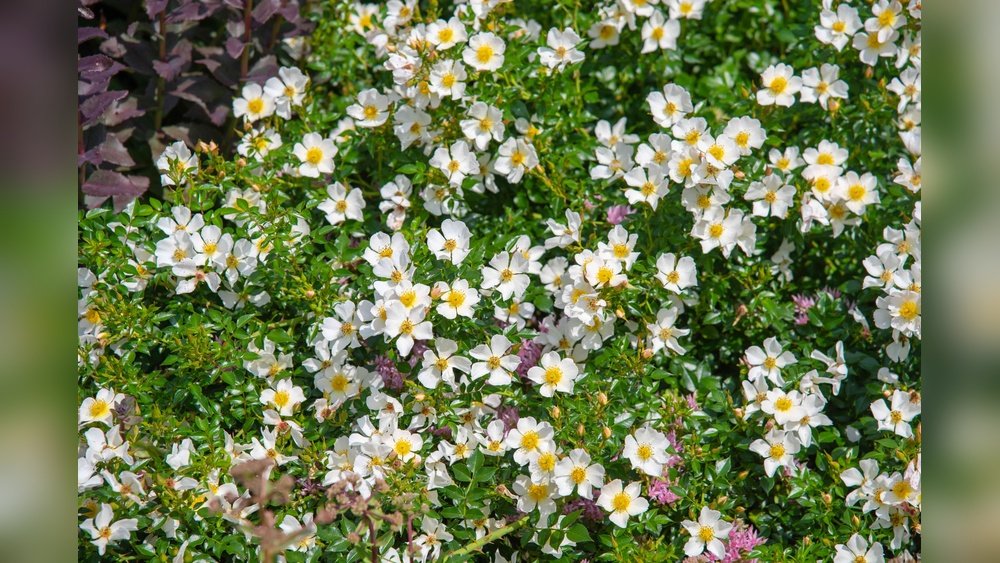
Multiflora rose is a problem for many landowners, gardeners, and farmers across the United States. This invasive shrub spreads quickly and can take over fields, pastures, and forests. Its sharp thorns, dense growth, and rapid reproduction make it difficult to control.
If you have multiflora rose tips appearing on your property, you need clear strategies to get rid of them and keep your land healthy. This guide explains how to manage multiflora rose tips—covering physical removal, chemical options, prevention, and expert advice.
Understanding Multiflora Rose
Multiflora rose (Rosa multiflora) is a thorny shrub native to East Asia. It was first introduced to the U.S. in the late 1800s for erosion control and as a living fence. Today, it is listed as a noxious weed in many states. The plant can grow up to 15 feet tall and spread even wider, forming dense thickets. Its white to pink flowers bloom in late spring, followed by small red berries (rose hips) in summer and fall.
Multiflora rose is not just a nuisance. It competes with native plants, reduces pasture quality, and can harm livestock. The plant spreads through seeds, which birds and animals eat, and by rooting from the tips of its arching canes. Getting rid of multiflora rose tips is essential for maintaining healthy land.
In addition to these challenges, multiflora rose can also affect wildlife habitats. The dense thickets may provide cover for some animals, but they reduce space for native grasses and wildflowers that many pollinators and birds need. Over time, the loss of these native plants can change the balance of your local ecosystem, making it less diverse and resilient.
People with horses or cattle should be especially careful, as the thorns can injure animals and even damage equipment.
Why Multiflora Rose Tips Are So Persistent
Multiflora rose is tough to control for several reasons. The plant’s growth habits and reproductive strategies make it persistent:
- Tip rooting: The ends of multiflora rose canes touch the ground and produce roots. This creates new plants without seeds.
- Seed spread: Each mature bush produces thousands of seeds. Birds, animals, and water carry them far from the parent plant.
- Dense thickets: Once established, multiflora rose crowds out other plants and makes physical removal harder.
- Strong regrowth: Cutting or burning the plant often leads to rapid regrowth from roots or canes.
What makes multiflora rose even more problematic is its ability to survive tough conditions. It can handle poor soil, drought, flooding, and even cold winters. The plant’s root system is deep and widespread, allowing it to bounce back after storms, fire, or even heavy equipment.
Many landowners are surprised by how quickly small patches turn into large infestations. Birds are attracted to the bright red hips and carry seeds far away—so even if you clear your land, new plants might appear from seeds dropped by passing birds.
These features mean that simply cutting multiflora rose tips will not solve the problem. A combination of methods is necessary.
Identifying Multiflora Rose Tips
Before you start removal, confirm you are dealing with multiflora rose. The tips are usually:
- Arching canes: Long, flexible branches that curve downward.
- Clusters of thorns: Very sharp, often in groups along the stem.
- Leaves: Compound leaves with 5-11 leaflets, serrated edges, and a fringed base.
- Flower tips: Small, white or pink flowers in clusters.
- Rose hips: Red berries that appear after flowering.
Comparing multiflora rose to similar plants can help avoid mistakes. Look at the characteristics in the table below.
| Feature | Multiflora Rose | Native Roses | Blackberry |
|---|---|---|---|
| Thorns | Sharp, clustered | Less dense | Thick, scattered |
| Leaflets | 5-11, serrated | Usually fewer | 3-5, wider |
| Flowers | Small, white/pink clusters | Larger, fewer | White, single |
| Fruit | Small red hips | Larger hips | Blackberries |
| Growth Habit | Arching, dense | Upright, less dense | Trailing, open |
Knowing what you are dealing with saves time and prevents accidental removal of valuable plants. Many beginners confuse multiflora rose with blackberry or even wild native roses. One simple test: look at the base of the leaf where it connects to the stem. Multiflora rose has a “fringed stipule,” a little hairy or fringed growth. Native roses usually do not. When in doubt, take a photo and ask your local extension office for help.
:max_bytes(150000):strip_icc()/identify-and-remove-multiflora-rose-7090321_03-0d1cba43e4bc4a178ab6189e6fbcc00c.jpg)
Credit: www.thespruce.com
Physical Removal Of Multiflora Rose Tips
Physical removal is often the first step. It works best on small patches or new infestations. Here’s how to do it right:
Cutting And Digging
- Wear protective clothing: Thick gloves, long sleeves, and eye protection are essential. The thorns are sharp and can cause injury.
- Cut canes close to the ground: Use pruning shears or loppers. Remove all arching canes, especially those rooting at the tips.
- Dig out root crowns: Cutting alone will not stop regrowth. Use a shovel to dig out the main root system and any rooted tips.
- Remove all debris: Take cut canes and roots away from the site. Burning or bagging prevents re-rooting.
- Monitor for regrowth: Check the area every few weeks. New shoots often appear from leftover roots.
Physical removal is hard work, especially in dense thickets. For larger areas, team efforts or machinery may be needed. If you are working in a forest or near valuable trees, take extra care not to disturb roots of desirable plants.
Sometimes, digging exposes wildlife burrows, so check before you start. When removing roots, get as much of the underground stem as possible—pieces left behind often sprout new shoots. If you notice small red shoots after removal, pull them quickly while the soil is soft.
Mowing And Brush Cutting
Mowing can help control multiflora rose tips in fields or pastures. Use a brush mower or tractor:
- Timing is key: Mow during late spring or early summer, before flowering and seed set.
- Repeat mowing: Regular mowing (3-4 times a year) weakens the plant and prevents tip rooting.
- Watch for missed tips: Arching canes sometimes escape mowing. Hand-cut these to prevent new rooting.
Mowing alone will not eliminate multiflora rose, but it reduces vigor and makes chemical treatment easier. If you mow too late in the season, you may spread seeds instead of stopping them. Always clean equipment after mowing infested areas—sticky seeds or cane fragments can catch on blades and spread the problem to new fields. Some landowners use a combination: mow first, then follow up with spot treatments.
Mechanical Removal Vs. Hand Removal
Choosing between mechanical and hand removal depends on the size of the infestation and terrain. See the table below for a comparison.
| Method | Best For | Pros | Cons |
|---|---|---|---|
| Hand Removal | Small patches, sensitive areas | Precise, less damage to other plants | Labor-intensive, slow |
| Mechanical Removal | Large infestations, open fields | Fast, covers big areas | May harm non-target plants, needs equipment |
Most landowners use a mix of both, starting with hand removal around trees and valuable plants, then mechanical methods for open ground. If you’re working on a hillside, manual removal is usually safer and gives you better control. For flat, open pastures, a brush hog or heavy-duty mower can save time.
Remember, both methods require follow-up checks—multiflora rose is stubborn and will try to return.
Chemical Control Of Multiflora Rose Tips
Chemical control is effective but must be used carefully. The right herbicide, timing, and application matter.
Choosing Herbicides
The most common herbicides for multiflora rose are:
- Glyphosate: Non-selective, kills most plants. Use with caution.
- Triclopyr: Targets woody plants, less harm to grasses.
- Metsulfuron-methyl: Effective on multiflora rose, often used in pasture management.
Each herbicide works differently. Read the label and follow all safety instructions. Some herbicides require a license or special training.
Some landowners prefer triclopyr because it allows grasses to recover while targeting woody weeds. Metsulfuron-methyl is often recommended for large pastures because it controls multiflora rose without harming most pasture grasses if used correctly. Glyphosate is powerful but kills everything green, so use it carefully around desired plants.
If you have a pond or wetland, look for herbicides labeled for aquatic use.
When And How To Apply
- Best timing: Apply in late summer or early fall, when the plant is moving nutrients to roots. This increases effectiveness.
- Cut-stump treatment: Cut canes, then apply herbicide directly to the stump. This prevents regrowth from tips and roots.
- Foliar spray: Spray leaves and tips with diluted herbicide. Works best on new growth or small plants.
- Repeat as needed: Multiflora rose often requires 2-3 treatments over a year.
Avoid spraying on windy days or near water sources. Use a backpack sprayer for small areas, larger sprayers for fields.
When treating a dense patch, mark the plants you spray with colored tape or biodegradable paint. This helps you track progress and spot any missed canes later. Always wear gloves and goggles when mixing or applying herbicide. Clean your equipment after use, and store chemicals away from children and pets.
Common Mistakes With Chemical Control
Many beginners make mistakes that reduce effectiveness:
- Wrong timing: Spraying too early or late misses the window when the plant absorbs herbicide.
- Incomplete coverage: Missing tips or leaves allows regrowth.
- Overuse of chemicals: Excess herbicide harms soil and nearby plants.
Never mix herbicides stronger than the label recommends—stronger is not better and may cause lasting soil damage. For best results, combine spot treatment with other methods, like mowing or digging, and always monitor the site after each application.
Always follow instructions and consult local extension services if unsure.
Biological Control Options
Biological control uses natural enemies to manage multiflora rose. It is not a quick fix, but can support other methods.
Grazing
Goats and sheep eat multiflora rose tips, leaves, and even bark. Managed grazing reduces plant vigor and prevents tip rooting.
- Rotational grazing: Move animals between paddocks to prevent overgrazing.
- Mixed species: Goats target the rose, sheep eat grasses. This keeps pastures balanced.
- Monitor animal health: Multiflora rose has thorns and tough stems. Provide other food and watch for injuries.
Grazing works best on large fields and is often combined with mowing or chemical treatment. Some experienced landowners train goats to target multiflora rose by introducing the plant early in their diet. However, don’t rely on animals alone—if the rose is very dense, animals may avoid the thorniest parts.
Always check fences for gaps; goats are skilled escape artists.
Insects And Diseases
Some insects and diseases attack multiflora rose naturally:
- Rose rosette disease: This viral disease, spread by mites, weakens multiflora rose. It is not recommended as a control, since it can harm other roses.
- Leaf-eating insects: Few insects target multiflora rose exclusively. Research is ongoing, but no safe biological agent is widely available yet.
Biological control is useful, but should not be the main method for removing tips. In some areas, you may see patches of rose dying from disease or insect damage. Still, don’t depend on this—use it as a bonus, not your main plan.
Preventing Multiflora Rose Regrowth
Prevention is as important as removal. Multiflora rose tips can re-root quickly if conditions allow.
Site Management
- Keep soil covered: Bare soil encourages tip rooting. Plant grasses or cover crops after removal.
- Regular monitoring: Walk the site every 1-2 months. Remove new shoots and tips as soon as they appear.
- Dispose of debris properly: Do not compost rose canes or roots. Burn or bag them to prevent re-rooting.
Site management also means checking fence lines, ditches, and the edges of woods—these are common places for new infestations to start. If you see a single cane, pull it before it spreads. For long-term success, encourage thick growth of native plants, which shade out rose seedlings and make it harder for new tips to root.
Changing Land Use
- Improve pasture management: Healthy pastures resist invasion. Fertilize, overseed, and rotate grazing.
- Plant native shrubs and trees: These compete with multiflora rose and reduce space for tips to root.
- Avoid overgrazing: Overgrazed land is more vulnerable to invasion.
If you have wooded areas, remove multiflora rose before planting new trees or shrubs. In open fields, a combination of mowing and reseeding with native grasses can crowd out rose seedlings. Think of your land as a system—healthy, diverse plants make it harder for invaders to get established.
Barriers And Fencing
Physical barriers can stop multiflora rose tips from rooting:
- Install fences: Keep livestock away from infested areas while treating.
- Use mulch: Thick mulch under trees and along fence lines prevents rooting of tips.
Mulch should be at least 3-4 inches deep and spread out to cover all bare spots. For steep slopes, consider erosion control blankets or mats, which hold soil and block sunlight, stopping rose seeds from germinating.
Preventing regrowth is a long-term commitment. The more attention you give, the less multiflora rose you will have.

Credit: www.youtube.com
Integrated Management Strategies
A single method rarely works. Combining techniques gives the best results.
Step-by-step Integrated Approach
- Survey your property: Identify all multiflora rose tips and thickets.
- Start with physical removal: Cut and dig out accessible plants.
- Apply targeted herbicide: Treat stumps and regrowth.
- Introduce grazing where possible: Use goats or sheep to control remaining plants.
- Replant with natives: Fill gaps with competitive plants.
- Monitor and repeat: Check for new tips and treat as needed.
Integrated management reduces labor and chemical use. It also improves land health and biodiversity. For example, a landowner in the Midwest cleared a small pasture using hand removal and then planted native warm-season grasses. After one year, he noticed fewer multiflora rose seedlings and more butterflies and songbirds.
Over time, costs for herbicide and labor dropped as the native plants took over.
Success Stories And Data
Recent studies show integrated management can reduce multiflora rose by up to 90% over three years. In West Virginia, farmers using a mix of mowing, grazing, and chemical treatment saw infestations drop from 60% to less than 10% in five years.
In Pennsylvania, a landowner combined hand removal and foliar spraying. After two seasons, only small patches remained. These were managed with goats, and the land was restored to healthy pasture.
Integrated strategies are not instant, but they bring lasting results. Most importantly, they restore balance to your land, encourage wildlife, and reduce the need for future intervention. If you keep good records (photos, maps, notes), you’ll see steady progress and be able to adjust your plan as needed.
Practical Tips For Beginners
Beginners often overlook key details. Here are practical tips:
- Start small: Tackle one patch at a time. Large infestations are overwhelming.
- Use the right tools: Invest in good gloves, loppers, and a sturdy shovel.
- Plan for disposal: Have a way to burn or bag debris before you begin.
- Check weather forecasts: Herbicide is less effective in rain or wind.
- Ask for help: Local extension offices and conservation groups offer advice and sometimes equipment.
Two non-obvious insights:
- Tip rooting can happen even if the cane is cut and left on moist ground. Remove all cut canes from the site.
- Regrowth often starts from underground buds at the base, not just the main root. Dig deep and check for hidden shoots.
Another detail: If you have a large property, consider mapping your rose patches on a simple paper map or with a phone app. This helps you track progress and spot new infestations quickly. Don’t forget to take before-and-after photos—these boost your morale and help if you apply for conservation grants.

Credit: www.youtube.com
Comparing Multiflora Rose Control Methods
It helps to see how different methods stack up. Here’s a table comparing effectiveness, labor, and cost.
| Method | Effectiveness | Labor | Cost | Regrowth Risk |
|---|---|---|---|---|
| Physical Removal | High (if roots removed) | High | Low (tools only) | Medium |
| Mowing | Medium | Medium | Medium (equipment) | High |
| Chemical Control | High | Low | Medium-High (herbicides) | Low |
| Grazing | Medium | Low | Medium (animal care) | Medium |
| Integrated Approach | Very High | Medium | Medium | Very Low |
Choose the method that fits your budget, time, and land type. For example, if you have a small yard, hand removal plus mulch might be enough. For a 10-acre pasture, you may need chemical spot treatments, grazing, and reseeding with native grasses for lasting success.
Environmental Impact And Safety
Controlling multiflora rose tips can affect the environment. Consider these points:
- Herbicides may harm soil and water if overused.
- Mechanical removal disturbs soil and can damage roots of other plants.
- Burning debris releases smoke—check local rules.
- Grazing must be managed to avoid erosion and overgrazing.
Always follow safety guidelines. Wear protective gear and keep children and pets away from treated areas.
If your land is near wetlands or streams, use extra caution with chemicals and machinery. Buffer zones of native plants can protect water quality and slow future invasions. If you burn debris, call your local fire department first. Some communities offer invasive plant disposal services—ask about options in your area.
Expert Guidance And Resources
Many experts recommend combining physical, chemical, and preventive methods. The USDA Natural Resources Conservation Service offers detailed guides for multiflora rose control. Local extension offices are valuable for advice and support.
For more scientific information, visit the National Invasive Species Information Center.
If you need extra help, contact a certified pesticide applicator or land management professional. They can help you create a plan and apply chemicals safely. Attending local workshops can also give you hands-on experience and connect you with others facing the same challenge.
Frequently Asked Questions
What Is The Best Time Of Year To Remove Multiflora Rose Tips?
The best time is late summer to early fall. At this stage, the plant moves nutrients to its roots, making herbicide more effective. Physical removal is easier after rain, when the soil is soft.
Can Multiflora Rose Tips Be Controlled Without Chemicals?
Yes, but it takes longer. Physical removal and regular mowing can reduce infestations, especially if you dig out roots and prevent tip rooting. Grazing with goats or sheep also helps. However, some regrowth is likely without herbicides.
How Do I Safely Dispose Of Multiflora Rose Tips And Debris?
Do not compost multiflora rose debris. The tips can root and spread. Burn or bag all cut canes and roots. Some areas allow controlled burns; check local regulations. Bagging and landfill disposal is safe for small amounts.
Will Cutting Multiflora Rose Tips Kill The Plant?
No, cutting alone will not kill multiflora rose. The plant regrows from roots and underground buds. For lasting control, dig out the root crown or use cut-stump herbicide treatment.
Are There Long-term Risks To Using Herbicides For Multiflora Rose?
Herbicides can harm soil, water, and nearby plants if misused. Always follow label instructions and avoid spraying near streams or wells. Use targeted applications and rotate methods for best results.
Getting rid of multiflora rose tips takes patience and persistence. Use a mix of methods, monitor your land, and stay alert for regrowth. With careful management, you can restore your property and keep multiflora rose under control.