
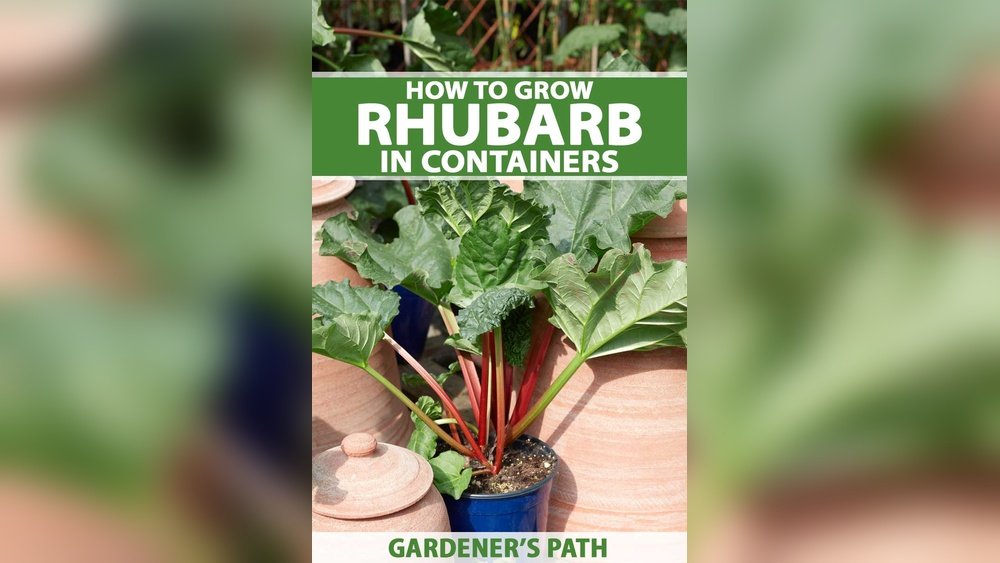
Growing rhubarb from root tips is a rewarding project for gardeners who want a hardy, productive plant in their home garden. Rhubarb, with its tart stalks, can be used in pies, jams, and savory dishes. Many gardeners love rhubarb because it’s a perennial—plant it once, and it returns for years. Starting rhubarb from root tips (also called crowns or divisions) is the most reliable way to get healthy, vigorous plants. In this article, you’ll learn every step: from choosing root tips to planting, caring, harvesting, and troubleshooting common problems. Whether you’re new to gardening or have experience, you’ll find detailed advice, practical tips, and answers to common questions about growing rhubarb from root tips.
Understanding Rhubarb And Its Growth Cycle
Rhubarb (Rheum rhabarbarum) is a cool-season vegetable, though often used as a fruit. Its thick, edible stalks are harvested in spring and early summer, while the leaves are toxic due to high levels of oxalic acid. Knowing how rhubarb grows helps you care for it better.
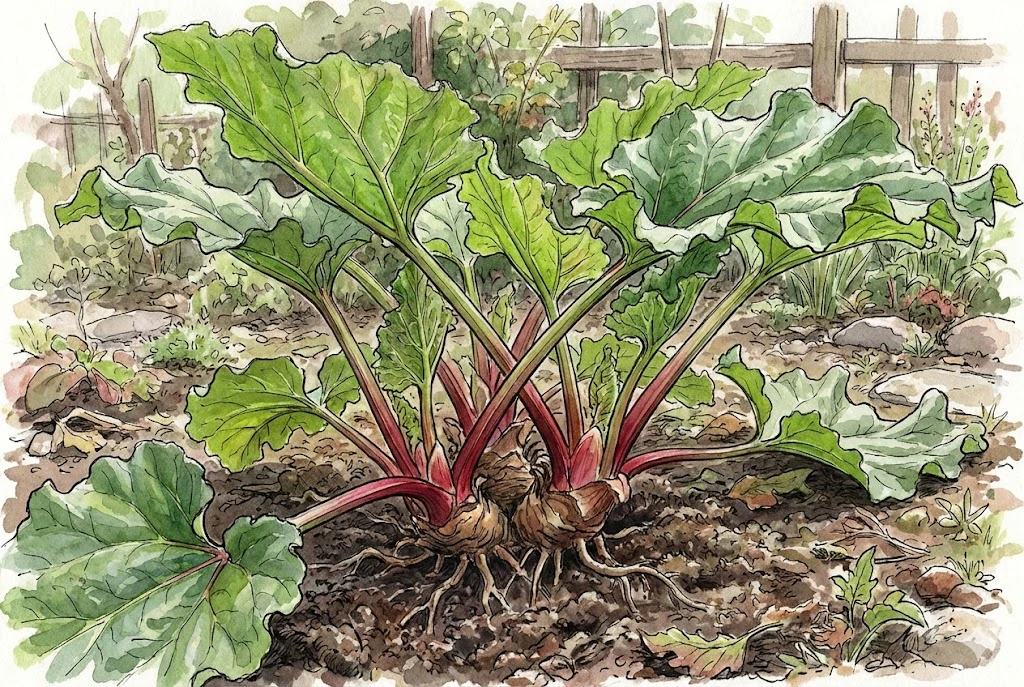
Rhubarb grows from a crown—a thick, underground stem. Each year, the plant goes dormant in fall and winter, storing energy in its roots. In spring, buds on the crown send up new stalks and leaves. The plant continues to grow until hot weather slows it down. After a few years, a mature rhubarb crown can produce for 10–15 years if cared for well.
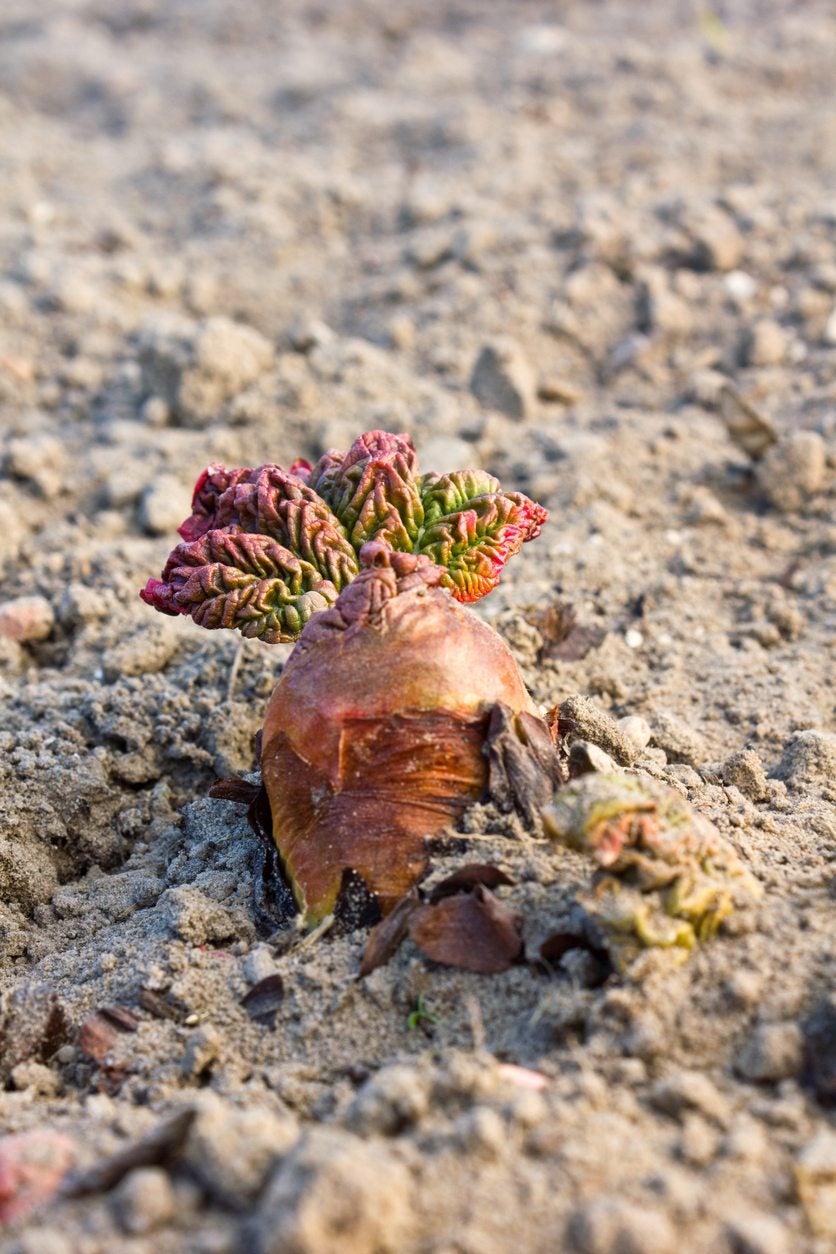
Root tips or divisions are pieces of the crown with at least one healthy bud and root mass. These are best for home gardeners because they grow faster and stronger than seeds. Rhubarb grown from seed often takes several years to produce good stalks, and the plants may be less uniform.
Why Grow Rhubarb From Root Tips?
Starting rhubarb from root tips has several advantages:
- Faster harvests: Plants from root tips produce stalks in 1–2 years, while seeds can take 3 years or more.
- Stronger plants: Divisions are clones of mature plants, so they’re more robust and disease-resistant.
- Guaranteed results: You know what you’re getting—plants will have the same color, taste, and vigor as the parent.
- Less risk: Root tips are less likely to be affected by damping-off (a common seedling disease).
- Easier for beginners: No need to manage tiny seedlings or wait years for your first harvest.
Many gardeners also divide mature rhubarb plants to keep them healthy and productive, sharing root tips with friends or planting in new areas.
Choosing The Right Rhubarb Variety
Not all rhubarb is the same. There are many varieties with differences in stalk color, flavor, and vigor. Here’s a comparison of popular rhubarb varieties to help you choose:
| Variety | Stalk Color | Flavor | Hardiness |
|---|---|---|---|
| Victoria | Green with red base | Mild, sweet-tart | Very hardy |
| Crimson Red | Deep red | Rich, tart | Hardy |
| Canada Red | Bright red | Sweet, less tart | Very hardy |
| MacDonald | Pink-red | Tart | Hardy |
| Valentine | Deep red | Mild, low acid | Very hardy |
Victoria is one of the oldest and most popular for home gardens. Crimson Red and Valentine are known for their deep red color—great for pies and jams. If you live in a cold region, choose a variety labeled “very hardy.” Southern gardeners can grow rhubarb as an annual, but most success comes in cooler climates.
Sourcing Healthy Root Tips
You can buy rhubarb root tips from garden centers, nurseries, or online. You can also divide root tips from a mature plant (if you have one or a friend does). Here’s how to choose the best ones:
- Look for a firm, healthy crown with 1–3 strong buds (“eyes”).
- The roots should be thick and not dried out.
- Avoid root tips with soft spots, rot, or mold.
- Bigger is not always better; a piece with one big bud and good roots is enough.
When buying online, select reputable suppliers. Freshness matters: rhubarb crowns dry out quickly if not planted soon.
Preparing Your Garden For Rhubarb
Rhubarb loves deep, rich soil and a spot with at least 6 hours of sun daily. Good preparation is key to a strong start.
Site Selection
Choose a location with:
- Full sun: Rhubarb grows best in open, sunny spots.
- Good drainage: Avoid areas that stay wet after rain. Rhubarb hates “wet feet.”
- Space: Each plant needs about 3 feet of space in all directions.
- Shelter from wind: Large leaves can tear in strong winds, so a protected spot is best.
One insight many beginners miss: rhubarb is a long-term plant. Choose a spot you won’t need for other crops for at least 10 years.
Soil Preparation
Rhubarb prefers slightly acidic to neutral soil (pH 6.0–7.0). Improve your soil before planting:
- Clear weeds and debris from the area.
- Dig a hole about 12 inches deep and 24 inches wide.
- Mix in 2–3 shovels of well-rotted compost or manure. Rhubarb is a heavy feeder.
- If your soil is heavy clay, add sand or compost to improve drainage.
- Test the soil pH. If it’s below 6.0, add garden lime. If above 7.0, mix in peat moss or sulfur.
Rhubarb roots go deep, so loose, rich soil helps them establish quickly.
Raised Beds And Containers
If your soil is heavy or drains poorly, rhubarb does well in raised beds. Make sure the bed is at least 18 inches deep.
Rhubarb can grow in large containers (at least 24 inches wide and deep), but will need extra feeding and watering.
How To Plant Rhubarb Root Tips
Planting rhubarb root tips is straightforward, but attention to detail leads to better results.
When To Plant
- Best time: Early spring, as soon as the soil can be worked (when the ground thaws and isn’t soggy).
- Alternative: In mild climates, you can plant in fall, at least 4–6 weeks before the first hard frost.
Planting Steps
- Unpack the root tips just before planting. If they look dry, soak them in water for 1–2 hours.
- Dig a hole wide enough to spread out the roots—about 12 inches deep and 18 inches across.
- Form a small mound of soil in the center of the hole.
- Place the root tip on the mound, spreading roots evenly.
- Position the bud(s) so they’re 1–2 inches below the soil surface.
- Backfill with soil, gently firming as you go. Water well.
- Mark the spot so you don’t disturb the plant.
One trick many miss: Don’t plant too deep. Buds buried more than 2 inches may rot.
Spacing
Space plants at least 3 feet apart. Rhubarb crowns grow large, and crowding leads to smaller stalks and more disease.
Mulching
After planting, add a 2-inch layer of straw or shredded leaves to keep soil moist and cool. Keep mulch away from the crown to prevent rot.
Credit: www.gardeningknowhow.com
Watering And Feeding Rhubarb
Rhubarb needs consistent moisture, especially during its first year. Here’s how to keep your plants hydrated and fed:
Watering
- Water deeply once a week, aiming for about 1 inch of water.
- In dry spells, increase to twice a week.
- Avoid wetting the crown directly—water at the base.
- In containers, check soil moisture often (rhubarb dries out faster in pots).
A common mistake: letting rhubarb dry out in hot weather, which leads to thin, tough stalks.
Fertilizing
Rhubarb is a heavy feeder. Feed it well for strong growth:
- In early spring, spread 1–2 inches of compost around each plant.
- For extra nutrients, use a balanced fertilizer (10-10-10) at planting and again after harvest.
- Avoid high-nitrogen fertilizers, which can cause soft growth and more pests.
In poor soils, a mid-season feeding with liquid fertilizer boosts stalk production.
Caring For Rhubarb In The First Year
The first year is all about establishing roots, not harvesting. Here’s what to do:
- Remove flower stalks as soon as you see them. They look like thick shoots with clusters of buds. Letting rhubarb flower drains energy from roots.
- Weed regularly to prevent competition for nutrients and water.
- Mulch to conserve moisture and reduce weeds.
- Don’t harvest stalks in the first year. Let all growth feed the roots.
One insight: patience pays off. Skipping harvest in year one leads to much bigger crops in later years.
Ongoing Rhubarb Care: Year Two And Beyond
Once rhubarb is established, it needs less attention but benefits from yearly care.
Annual Tasks
- Spring: Remove old mulch, add fresh compost, and check for rot.
- Early summer: Water during dry periods, keep weeds away.
- Late summer/fall: Cut back leaves after frost, clean up debris.
- Every 3–4 years: Divide large clumps to maintain vigor.
Dividing Rhubarb
Mature rhubarb can be divided to create new plants. Here’s how:
- Dig up the crown in early spring or fall.
- Cut into sections, each with at least one bud and roots.
- Replant as you would a new root tip.
Regular division keeps rhubarb productive and prevents overcrowding.
Harvesting Rhubarb Stalks
Harvesting rhubarb is easy, but timing and technique matter for plant health and flavor.
When To Harvest
- Second year: Harvest lightly—1–3 stalks per plant.
- Third year and beyond: Harvest freely for 6–8 weeks, then let the plant rest.
Don’t harvest all stalks at once. Always leave at least two healthy leaves on each plant to feed the roots.
How To Harvest
- Grasp a stalk near the base and pull gently while twisting. If the stalk resists, cut it with a sharp knife.
- Remove the leaf (it’s toxic), and compost it or discard.
- Only harvest thick, firm stalks—thin stalks mean the plant needs a break.
A tip many overlook: Don’t eat the leaves. They contain oxalic acid, which is poisonous.
Expected Yields
A mature rhubarb plant produces 2–5 pounds of stalks per year. With good care, a patch of three plants can supply a family’s needs.
Common Problems And Solutions
Rhubarb is generally tough, but a few issues can arise.
Pests
- Rhubarb curculio: A large beetle that chews holes in stalks. Hand-pick and destroy adults.
- Slugs and snails: Eat young leaves. Use slug traps or barriers.
Diseases
- Crown rot: Soft, brown areas at the crown, usually from wet soil. Improve drainage, don’t overwater, and avoid deep planting.
- Leaf spot: Brown spots on leaves. Remove affected leaves and improve air circulation.
Environmental Issues
- Thin stalks: Usually from overcrowding, poor soil, or hot weather. Divide plants, improve soil, and mulch well.
- Bolting (flowering): Stress from drought or old age. Remove flower stalks as soon as you see them.
Here’s a quick reference for common rhubarb problems and solutions:
| Problem | Cause | Solution |
|---|---|---|
| Thin stalks | Overcrowding, poor soil | Divide, improve soil, mulch |
| Crown rot | Wet soil, deep planting | Improve drainage, replant higher |
| Leaf spot | Fungal disease | Remove leaves, increase airflow |
| Slugs/snails | Wet, shady conditions | Use traps, reduce mulch near crown |
Winter Care And Perennial Maintenance
Rhubarb is cold-hardy, but winter care protects it and extends its life.
- After frost kills leaves, cut them back to the ground.
- Mulch crowns with 2–4 inches of straw or compost for insulation.
- In mild climates, lighter mulching is enough; in cold zones, heavier mulch prevents freeze-thaw damage.
- Remove mulch in early spring as growth resumes.
A hidden tip: Don’t let mulch smother the crown. Pull it back as soon as new buds appear.
Growing Rhubarb In Warm Climates
Rhubarb thrives in cool regions, but you can try growing it in warmer areas (USDA zones 8–10) with some changes:
- Grow as an annual: Plant in fall or winter, harvest in spring, then replant next season.
- Choose heat-tolerant varieties: ‘Victoria’ and ‘Crimson Red’ perform best.
- Provide afternoon shade to reduce heat stress.
- Mulch heavily to keep roots cool.
Success rates vary, but many southern gardeners report good harvests with this method.
Propagating Rhubarb: Tips And Tricks
Experienced gardeners often propagate rhubarb by dividing crowns. Here’s what to keep in mind:
- Only divide every 4–5 years or if plants get crowded.
- Use a clean, sharp knife or spade to avoid spreading disease.
- Let cut sections dry for a few hours before planting—this helps prevent rot.
- Don’t divide during hot, dry weather.
Some gardeners dust cut surfaces with garden sulfur to further reduce rot risk.
Rhubarb Companion Planting
Rhubarb grows well with certain crops and poorly with others.
Good Companions
- Brassicas: Cabbage, broccoli, and kale benefit from rhubarb’s pest-repelling qualities.
- Onions and garlic: Help deter aphids and other insects.
Poor Companions
- Dock and sorrel: Related plants can spread diseases.
- Sunflowers and corn: Compete for space and shade rhubarb.
One non-obvious benefit: planting rhubarb near asparagus works well, as both are perennial and like similar conditions.
Rhubarb For Small Spaces And Containers
If you have limited space, rhubarb can grow in large pots or small raised beds.
- Use containers at least 24 inches wide and deep.
- Fill with high-quality potting mix and compost.
- Water more often, as pots dry out quickly.
- Feed monthly with liquid fertilizer during growing season.
While yields are smaller than in the ground, container rhubarb still produces tasty stalks.
Troubleshooting: Why Isn’t My Rhubarb Thriving?
If your rhubarb isn’t growing well, check for these issues:
- Too much shade: Move to a sunnier spot if possible.
- Poor drainage: Raise the bed or amend soil.
- Crowding: Thin or divide plants.
- Not enough nutrients: Add compost and balanced fertilizer.
- Flowering too soon: Remove flower stalks, and keep well-watered.
A detail many miss: rhubarb can “rest” if stressed—it may skip strong growth for a year but bounce back the next.
Rhubarb Safety: Handling And Cooking
Always remember:
- Stalks are edible, leaves are not. The leaves contain oxalic acid, which is toxic to humans and pets.
- Wash stalks well before cooking.
- Store in the fridge for up to two weeks, or freeze for longer storage.
Rhubarb is safe and healthy when you use only the stalks.

Credit: www.noursefarms.com
How To Use Harvested Rhubarb
Once you’ve grown your own rhubarb, the possibilities are endless:
- Pies and crisps: The classic use, often with strawberries.
- Jams and sauces: Combine with sugar and citrus for tangy preserves.
- Chutneys: Pair with onions, vinegar, and spices.
- Roasted: Toss with honey and bake for a sweet-tart side.
- Smoothies: Add to fruit blends for a vitamin boost.
Rhubarb is high in vitamin K, C, and dietary fiber, but low in calories—making it a healthy choice.
For inspiration and tested recipes, check the Royal Horticultural Society’s rhubarb guide.
Frequently Asked Questions
How Long Does It Take For Rhubarb To Grow From Root Tips?
Rhubarb planted from root tips usually produces harvestable stalks in the second year after planting. The first year is for root development. By the third year, you can expect full yields.
Can I Grow Rhubarb In Partial Shade?
Rhubarb tolerates light shade, but prefers at least 6 hours of sun per day. In too much shade, stalks will be thin and yields low. If you must plant in partial shade, choose the sunniest spot available.
Do I Need To Divide Rhubarb Every Year?
No, rhubarb only needs dividing every 4–5 years or if the clump becomes crowded and stalks get thinner. Over-dividing can stress the plant. Large, old crowns benefit from splitting to keep them productive.
Why Are My Rhubarb Leaves Turning Yellow?
Yellow leaves can mean overwatering, poor drainage, or nutrient deficiency. Check soil moisture, improve drainage, and feed with compost or balanced fertilizer. Remove yellow leaves to keep the plant healthy.
Is It Safe To Compost Rhubarb Leaves?
Yes, you can compost rhubarb leaves. The oxalic acid breaks down in a well-managed compost pile and isn’t a problem for plants. Don’t feed them to animals or use as mulch directly on edible crops.
Growing rhubarb from root tips is an excellent way to add a delicious, long-lived crop to your garden. With the right preparation, care, and patience, you’ll enjoy tasty stalks for years. Rhubarb is a forgiving plant—focus on rich soil, regular watering, and yearly feeding, and it will reward you with abundant harvests.
If you follow these steps, even first-time gardeners can succeed. So grab some healthy root tips, find a sunny spot, and start your rhubarb patch—your future pies and jams will thank you.
Credit: oleriology.com