
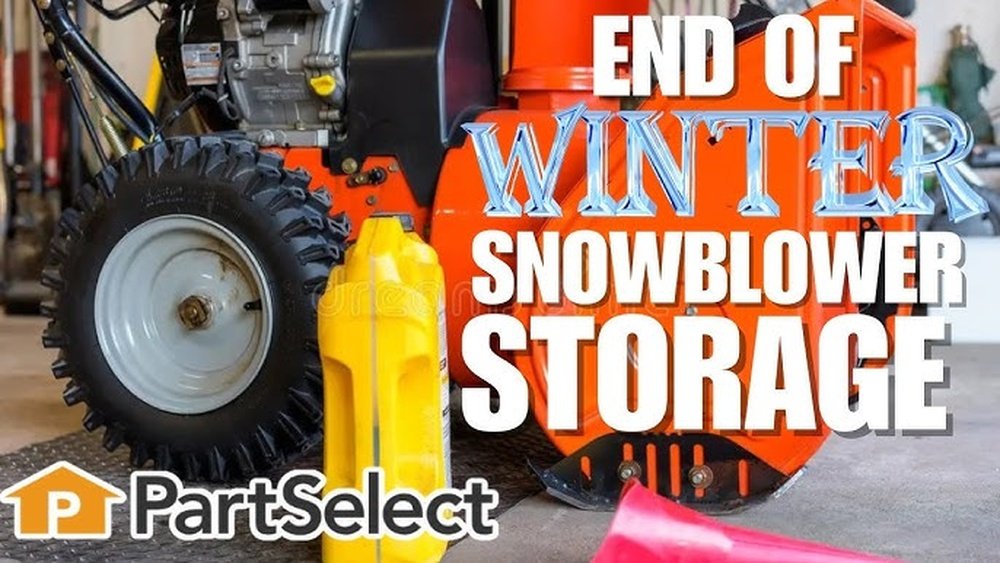
Getting your snow blower ready after months in storage can feel stressful, especially when winter arrives quickly. Many people wait until the first snowstorm to check their machine, only to find it won’t start. This is a common problem, but it’s also easy to avoid if you know the right steps. Whether you own a single-stage, two-stage, or electric snow blower, starting it up after storage requires careful attention. This guide will walk you through everything you need to know, from checking fuel and oil to troubleshooting common issues. Following these steps can save you time, money, and frustration when the snow hits.
Why Snow Blowers Won’t Start After Storage
After months without use, snow blowers often have trouble starting. Several things can go wrong during storage:
- Old fuel can turn into varnish and clog the carburetor.
- Moisture may cause rust or corrosion in the engine.
- Battery can lose charge or fail if not maintained.
- Belts and cables might become stiff or brittle.
- Small animals sometimes nest inside machines, blocking airflow.
Understanding these problems helps you prepare for a quick and smooth start.
Safety First: Preparing To Start Your Snow Blower
Before you touch your snow blower, make sure you’re safe:
- Read the owner’s manual to know your specific model’s instructions.
- Move the blower outdoors or into a well-ventilated space.
- Disconnect spark plug wire (for gas blowers) before any inspection or repair.
- Wear gloves and safety glasses to protect your hands and eyes.
- Check for leaks of oil or fuel under the machine.
These steps prevent injuries and ensure you spot problems before they get worse.
Inspecting Your Snow Blower After Storage
A careful inspection is the first step to a successful start. Look for these key issues:
Check For Visible Damage
- Cracked or brittle rubber on belts and cables can cause failures.
- Loose bolts or nuts may indicate vibration damage.
- Rodent nests or chewed wires can create electrical problems.
Examine Fuel And Oil
Gasoline goes bad in as little as 30 days. If you left fuel in the tank, it’s likely old.
- Smell the fuel: Bad gas smells sour or like varnish.
- Check oil level: Low oil can damage the engine.
- Look for water: Water in fuel or oil appears cloudy or separates.
Inspect The Auger And Impeller
- Turn the auger by hand (with the machine off) to check for resistance.
- Remove any debris stuck in the housing.
- Check shear pins for damage or wear.
Examine The Battery (if Electric Start)
- Test the battery voltage with a multimeter (should be at least 12.4V for most models).
- Look for corrosion on terminals.
Fuel System: Key To Easy Starting
The fuel system is the most common source of starting problems after storage. Here’s how to make sure yours is ready.
Remove Old Fuel
Old fuel can clog the carburetor and fuel lines. Always drain it if you didn’t use a stabilizer last season.
- Siphon out old gas from the tank.
- Dispose of gasoline at a recycling center—never pour it down the drain.
- Clean the fuel tank with a rag if possible.
Add Fresh Fuel
Use only fresh gasoline (less than 30 days old). Choose the right octane as recommended by your snow blower manual.
- For most blowers: 87 octane, E10 or less ethanol
- For 2-cycle engines: Correct oil mix ratio
Adding a fuel stabilizer helps prevent problems during the next storage.
Clean Or Replace Fuel Filter
A dirty fuel filter restricts flow and makes starting difficult.
- Replace it if it looks dirty or clogged.
- Some filters are inside the tank—check your manual.
Prime The Engine
Most snow blowers have a primer bulb. Press it 3-5 times to pull fuel into the carburetor before starting.
Oil: The Engine’s Lifeblood
Proper oil is essential for smooth starts and long engine life.
Check Oil Level And Condition
- Use the dipstick to check oil level.
- Oil should be clear amber (for new oil) or slightly dark (for used oil).
- If oil is black, gritty, or milky, change it.
Change Oil If Needed
- Warm up the engine slightly (if possible) to thin the oil.
- Remove the drain plug and let oil drain fully.
- Replace with manufacturer-recommended oil (often 5W-30 for winter use).
Synthetic Vs Conventional Oil
Synthetic oil performs better in cold weather and can make starting easier. If you live in a very cold area, consider switching.
Battery Care: Electric Start Models
If your snow blower has an electric start, the battery is crucial.
Check Battery Charge
- Use a charger to bring the battery to full charge.
- If the battery is dead and won’t charge, replace it.
Clean Battery Terminals
- Use a wire brush to remove corrosion.
- Apply dielectric grease to prevent future corrosion.
Test Electric Starter
- Plug in the starter and try it before the first snow. It’s better to discover issues now than during a blizzard.
Spark Plug: Small Part, Big Impact
A worn or dirty spark plug can prevent starting.
Inspect The Spark Plug
- Remove the plug and check for carbon build-up or cracks.
- Gap should match the manual’s specs (usually 0.028-0.030 inches).
- Replace if worn or fouled.
Reinstall Or Replace
- Use only the recommended type and torque to specs.
- Always reconnect the spark plug wire securely.
Air Filter: Breath Of Fresh Air
Snow blowers need a clean air filter for proper engine function.
- Remove the filter and tap out dust.
- Replace if wet, clogged, or damaged.
Some models have a foam filter—wash with mild soap and water, then dry completely.
Belts, Cables, And Controls
These parts control the drive system and auger. They often stiffen or crack during storage.
Inspect Belts
- Look for cracks, fraying, or glazing.
- Replace if worn—don’t wait for a break.
Check Cables And Levers
- Move handles and levers to ensure smooth action.
- Lubricate with light oil if stiff.
Adjust Tension
- Follow the manual to adjust belt and cable tension.
- Too loose: Auger won’t spin.
- Too tight: May cause premature wear.
Auger, Impeller, And Chute
These parts move snow. If stuck or damaged, they can stop the blower from working.
Turn Auger By Hand
- It should spin freely with no grinding.
- Remove any ice, rocks, or sticks.
Check Shear Pins
- Replace any broken or missing pins.
- Never use a regular bolt—shear pins are designed to break safely.
Inspect The Chute
- Ensure the chute rotates smoothly.
- Clear blockages and lubricate the rotation mechanism.
Credit: www.craftsman.com
Step-by-step: How To Start Snow Blower After Storage
After your inspection and maintenance, you’re ready to start the machine:
- Move the snow blower outdoors—never start in an enclosed space.
- Check fuel and oil levels one last time.
- Prime the engine (if your model has a primer).
- Set throttle and choke to the recommended position (usually ‘full’ for cold starts).
- Engage safety key (if required).
- Pull the starter cord firmly, or use the electric start.
- Let the engine run for a few minutes to warm up.
- Test auger and drive controls to confirm smooth operation.
If it doesn’t start after three attempts, wait a few minutes before trying again. Over-priming or flooding is common—give excess fuel time to evaporate.
Common Problems And How To Fix Them
Even with preparation, problems can happen. Here’s what to check if your snow blower won’t start:
Engine Turns Over, But Doesn’t Start
- Check for spark by removing the spark plug, grounding it, and pulling the cord. No spark means a bad plug or ignition issue.
- Confirm fuel is reaching the carburetor—smell for gas at the plug.
- Try fresh gas and a new spark plug.
Engine Does Nothing
- Battery may be dead (electric start models).
- Safety key may not be inserted.
- Check for loose wires or fuses.
Engine Starts But Runs Poorly
- Carburetor may need cleaning.
- Air filter may be clogged.
- Old fuel may still be in lines—run until it clears.
Auger Or Drive Won’t Engage
- Belts may be loose or broken.
- Cables may need adjustment.
- Shear pins may be broken.

Credit: www.youtube.com
Table: Quick Troubleshooting Guide
Below is a comparison table for quick reference when your snow blower won’t start.
| Problem | Likely Cause | Solution |
|---|---|---|
| No start, no sound | Dead battery, safety key missing | Charge/replace battery, insert key |
| Engine cranks, doesn’t start | Old fuel, bad spark plug | Replace fuel and spark plug |
| Engine runs rough | Dirty carburetor, clogged filter | Clean carb, replace filter |
| Auger doesn’t turn | Broken belt or shear pin | Replace belt or pin |
Table: Recommended Snow Blower Maintenance Schedule
Regular care makes starting your snow blower each year much easier. Here’s a suggested schedule:
| Task | How Often | Why Important |
|---|---|---|
| Change oil | Every season or 25 hours | Protects engine |
| Replace spark plug | Every season | Ensures easy starting |
| Inspect belts | Every season | Prevents failure |
| Lubricate cables | Twice a season | Prevents sticking |
| Check fuel filter | Every season | Prevents blockages |
Pro Tips For Easier Snow Blower Starting
These extra tips can make starting your snow blower after storage even more reliable:
- Store with empty tank or fuel stabilizer. Old fuel is the top cause of problems.
- Run the engine dry at the end of the season to clear the carburetor.
- Remove the spark plug and add a few drops of oil before storage. Crank the engine to coat the cylinder and prevent rust.
- Keep the machine covered to block dust and moisture.
- Charge the battery monthly during the off-season.
- Label extension cords and keep electric starter cords handy for emergencies.
Table: Gas Vs Electric Snow Blowers—storage & Starting
Different snow blower types have unique maintenance and starting needs. Here’s a quick comparison:
| Feature | Gas Snow Blower | Electric Snow Blower |
|---|---|---|
| Fuel issues | Yes—drain or stabilize gas | No—just unplug |
| Battery care | Starter battery needs maintenance | Battery must be charged |
| Oil changes | Required | Not needed |
| Carburetor cleaning | Sometimes needed | Never needed |
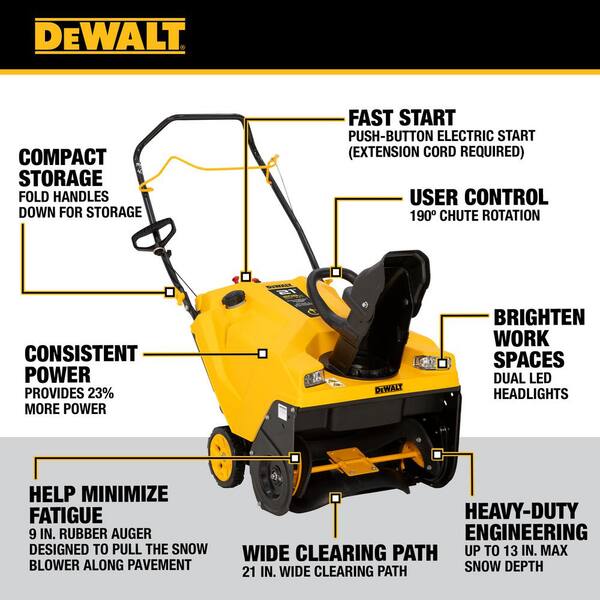
| Start-up process | Fuel, oil, choke, prime, pull | Plug in, turn on, squeeze trigger |
Winter Storage Tips For Next Season
Starting your snow blower after storage gets easier if you store it the right way at the end of the season.
- Run the engine until out of fuel or add stabilizer and run for five minutes.
- Change the oil to remove contaminants.
- Remove and clean the spark plug, adding a drop of oil to the cylinder.
- Remove the battery and store it in a warm place.
- Clean the machine thoroughly to remove salt and debris.
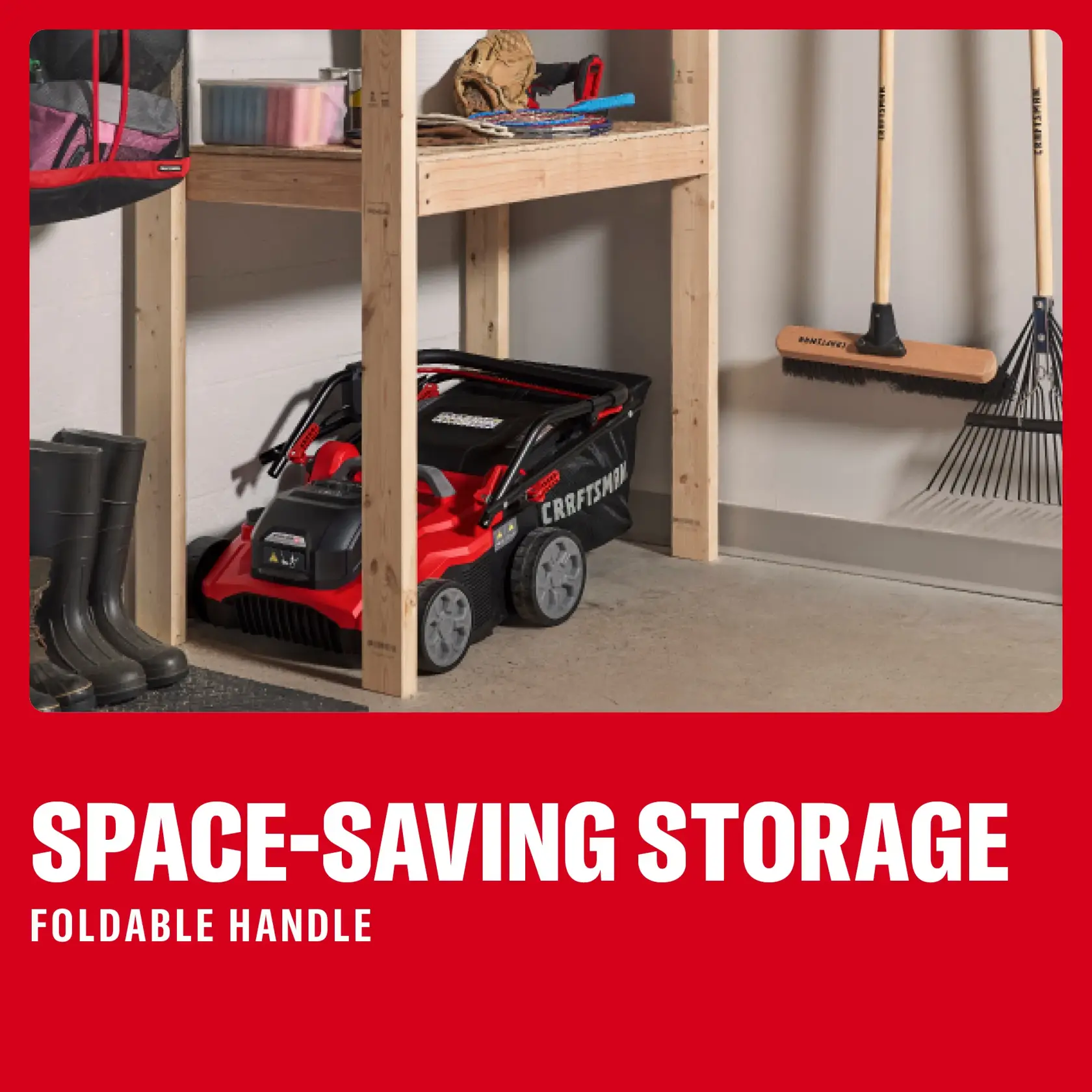
- Store in a dry, covered area to prevent rust.
- Prop up on blocks if possible to take weight off tires.
When To Call A Professional
Sometimes, it’s best to let a professional handle repairs:
- If you smell strong gas odors but the engine won’t start.
- If you see sparks or smoke from the engine.
- If you notice major rodent damage to wires or controls.
- If you’re not comfortable working with small engines.
A certified technician can diagnose and fix deeper issues, ensuring your snow blower is ready for winter.
Environmental Tips: Responsible Disposal
Never dump old fuel or oil in drains or soil. Take them to a local hazardous waste center. Many cities offer free collection days. Proper disposal protects the environment and keeps your community safe.
Non-obvious Insights Most Owners Miss
- Small air leaks at the carburetor gasket can cause hard starts but are easy to overlook. Spraying a little carb cleaner around the gasket while cranking can help diagnose this.
- Rodent nests in the muffler or under the shroud are surprisingly common. They block airflow and can completely prevent starting. Always check these hidden spots after storage.
Credit: www.homedepot.com
Why Regular Maintenance Pays Off
Taking care of your snow blower saves money and hassle. A well-maintained machine can last 10-15 years or more. Regular oil changes, fresh fuel, and proper storage mean you spend less time fixing problems and more time clearing snow efficiently.
Where To Find More Help
Many manufacturers offer free guides and videos online. For deep technical advice, sites like Briggs & Stratton Support offer troubleshooting steps, diagrams, and downloadable manuals.
Frequently Asked Questions
Why Won’t My Snow Blower Start After Sitting All Summer?
Old fuel is the most common reason. Gasoline goes stale and can clog the carburetor. Draining old fuel and using fresh gas usually solves the problem. Also, check the spark plug, battery, and for rodent nests inside the machine.
How Long Does Snow Blower Gas Last Before It Goes Bad?
Unstabilized gasoline can go bad in 30 days or less. Using a fuel stabilizer can extend shelf life up to 12 months. Always use fresh gas each season for the best results.
What Kind Of Oil Should I Use In My Snow Blower?
Most snow blowers use 5W-30 oil for winter conditions, but always check your manual. Synthetic oil is better for cold weather and easier starting.
Can I Use Starter Fluid To Help Start My Snow Blower?
Starter fluid can help in emergencies, but it’s best to fix the real issue—usually old fuel or a dirty carburetor. Too much starter fluid can damage the engine.
How Do I Keep My Snow Blower Battery Healthy During Storage?
Charge the battery every 30-60 days during the off-season and store it in a warm, dry place. This prevents deep discharge and extends battery life.
Starting your snow blower after storage doesn’t have to be hard or stressful. With the right steps and a little regular care, your machine will be ready to clear every winter storm. Take time now to inspect, clean, and maintain your snow blower—your future self will thank you on that first snowy morning.