
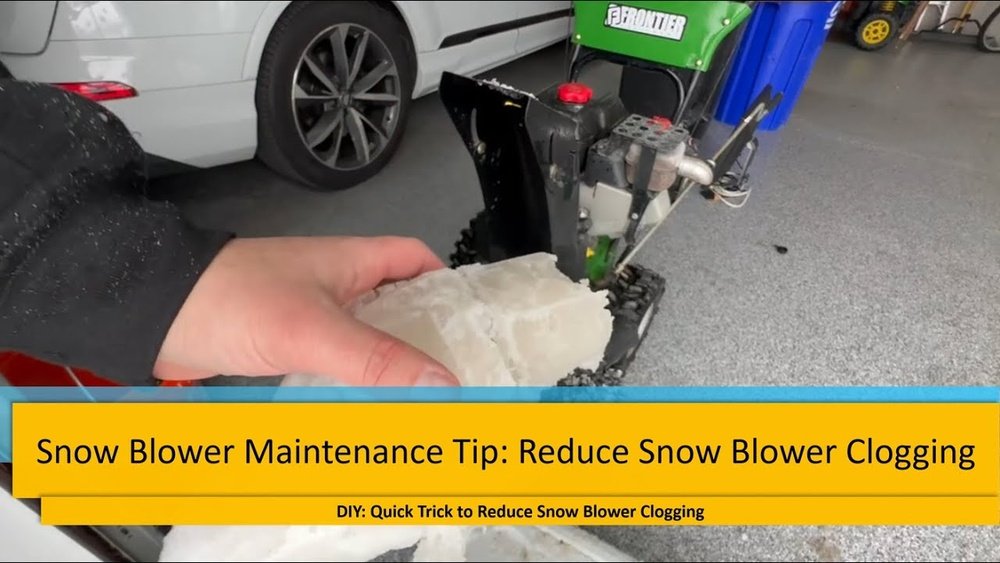
Winter brings beautiful snow, but it also brings the challenge of clearing driveways and sidewalks. If you use a snow blower, you know how frustrating clogging can be. It slows you down and sometimes stops your machine completely. Learning how to fix snow blower clogging and how to prevent it will save you time, effort, and even money. Many homeowners struggle with this problem, and even experienced users can miss simple solutions. In this guide, you’ll discover practical, step-by-step advice, expert tips, and answers to common questions. We’ll cover everything from basic maintenance to advanced troubleshooting, so you can enjoy smooth snow removal all winter.
Why Snow Blowers Get Clogged
Snow blower clogging is a common issue, especially during heavy or wet snowfalls. Understanding the causes is the first step to fixing and preventing it.
Wet And Heavy Snow
Wet snow is sticky and dense. When your snow blower tries to move this type of snow, it can easily get stuck in the chute or auger. Even powerful machines struggle with wet snow, and clogging is almost guaranteed if you don’t take precautions.
Low Temperatures
Very cold weather makes snow lighter, but it also makes the snow blower parts colder. This can cause ice to form inside the chute and auger, leading to blockages. If the snow blower is stored outside, it’s more likely to freeze up before you even start.
Incorrect Machine Settings
Using the wrong speed or auger setting can make clogging worse. If you move too fast, the machine can’t clear the snow quickly enough. If you move too slow, snow packs down and becomes harder to clear.
Lack Of Maintenance
A dirty or poorly maintained snow blower is more likely to clog. Old oil, worn belts, and dull blades reduce efficiency. Sometimes, just a quick tune-up can solve many clogging issues.
Foreign Objects
Sticks, stones, and other debris hidden in the snow can jam your machine. Even small objects can block the chute and damage the auger.
Essential Tools And Materials For Unclogging
Before you start fixing a clogged snow blower, gather the right tools and materials. Using the proper equipment makes the job safer and easier.
- Snow blower clearing tool – Most snow blowers come with a plastic clearing stick. Never use your hands to clear a clog.
- Protective gloves – Thick gloves protect your hands from sharp edges and cold.
- WD-40 or silicone spray – Sprays help snow slide off chute surfaces and reduce sticking.
- Wrench set – For removing jammed auger parts or adjusting settings.
- Flashlight – Useful for spotting blockages in low light.
- Safety goggles – Protect your eyes from flying debris.
- Basic cleaning supplies – A rag and brush for removing ice and snow.
Having these items nearby means you can fix a clog quickly and safely.
Step-by-step Guide To Fixing Snow Blower Clogging
When your snow blower clogs, you need a clear process to get it working again. Follow these steps to resolve the issue efficiently.
1. Turn Off And Unplug
Always turn off your snow blower and remove the spark plug before trying to clear any blockage. This prevents accidental starts and serious injuries.
2. Locate The Clog
Look for packed snow in the chute, auger, or impeller area. Use a flashlight if needed. Most clogs happen in the discharge chute.
3. Use The Clearing Tool
Insert the plastic clearing tool into the chute and gently push out the blockage. Move the tool in a circular motion to break up packed snow. Never use your hands, even if the machine is off.
4. Remove Ice And Debris
If the blockage is made of ice or debris, chip away carefully with the clearing tool or a wooden stick. For stubborn ice, spray a little WD-40 or silicone lubricant to loosen it.
5. Inspect Auger And Impeller
Check if the auger blades or impeller are jammed. If you see a foreign object, use pliers or a wrench to remove it. Avoid forcing the blades, as this can damage them.
6. Restore Power And Test
Reconnect the spark plug and restart your snow blower. Run it at a low speed first to check if the blockage is gone. If the machine still clogs, repeat the process and check for underlying issues.
7. Prevent Future Clogs
After fixing the clog, spray the inside of the chute and auger with silicone spray. This makes snow less likely to stick and clog again.
Common Mistakes When Fixing Snow Blower Clogs
Many people make simple errors that can lead to injury or more frequent clogs. Avoid these mistakes for safer and smoother snow removal.
- Using bare hands to clear a blockage – Even with the machine off, blades can move unexpectedly.
- Ignoring the spark plug – Always disconnect to prevent accidental starts.
- Not checking for foreign objects – Small stones or sticks can cause repeated jams.
- Using metal tools – Metal can damage plastic or painted surfaces inside the chute.
- Restarting too soon – Test at low speed first to make sure the clog is gone.
- Forgetting to lubricate – Dry surfaces attract sticky snow and cause more clogs.
Preventive Maintenance For Snow Blower Clogging
Regular maintenance is the best way to prevent snow blower clogging. A well-maintained machine can handle tough conditions with fewer problems.
Lubricate Key Parts
Apply silicone spray or WD-40 to the chute, auger, and impeller before each use. This reduces sticking and makes snow slide out easily.
Check Belt Tension
Loose or worn belts slow down the auger and impeller, making clogging more likely. Inspect belts at the start of the season and replace if needed.
Sharpen Blades
Dull auger blades can’t cut through snow efficiently. Sharpen them or replace as necessary. Sharp blades are essential for handling icy or packed snow.
Clean After Each Use
Remove snow, ice, and debris after every session. This prevents buildup and keeps parts moving freely.
Store Indoors
If possible, store your snow blower in a garage or shed. Cold outdoor storage can lead to frozen parts and more clogging.
Inspect Chute Alignment
A bent or misaligned chute causes snow to build up and block the exit. Adjust the chute so it points directly away from the auger.
Comparing Types Of Snow Blowers: Clog Risk
Different snow blowers handle snow in different ways. Some types are more prone to clogging. Let’s compare the main types:
| Snow Blower Type | Clog Risk | Best Use |
|---|---|---|
| Single-stage | High | Light, fluffy snow |
| Two-stage | Medium | Moderate, wet, or heavy snow |
| Three-stage | Low | Large areas, deep snow |
Single-stage machines often clog with wet snow. Two-stage blowers are better for average conditions. Three-stage models have extra impellers that push snow out faster, so they rarely clog.
Troubleshooting Persistent Clogs
Sometimes, your snow blower keeps clogging even after cleaning and maintenance. Here’s how to troubleshoot deeper issues.
Check Engine Power
A weak engine can’t spin the auger fast enough. Check your oil level and fuel quality. If the engine struggles, consider a tune-up or professional service.
Inspect The Impeller
The impeller pushes snow out of the chute. If it’s damaged or slow, snow will pile up and cause clogs. Replace or repair as needed.
Look For Hidden Ice
Ice can form inside the chute overnight, especially if the machine is stored outside. Warm up the snow blower before use to melt hidden ice.
Adjust Auger Height
Lowering the auger can help with packed snow, but too low may cause it to jam. Adjust to match the snow depth.
Examine Chute Design
Some older or cheaper snow blowers have narrow chutes. These clog more easily. If possible, upgrade to a wider chute or use a snow blower with better design.
Test With Different Snow
If possible, try using your snow blower in light, dry snow. If it works well, the problem is probably wet snow or machine settings, not the blower itself.
Choosing The Right Snow Blower For Your Region
The risk of clogging depends on your local climate. Choosing the right machine can make a big difference.
| Region | Typical Snow | Recommended Snow Blower |
|---|---|---|
| Midwest | Heavy, wet | Two-stage or three-stage |
| Northeast | Mixed (light to heavy) | Two-stage |
| Mountain West | Powdery, deep | Three-stage |
| Pacific Northwest | Wet, slushy | Two-stage |
| Southern States | Occasional, light | Single-stage |
If you live in a region with frequent wet snow, invest in a two-stage or three-stage model to reduce clogging.

Credit: www.reddit.com
Practical Tips To Prevent Snow Blower Clogging
Experience shows that small changes can make a big difference. Here are tips you might not find in the manual:
- Clear snow early – Waiting until snow piles up makes it harder to remove and increases clogging.
- Move at the right speed – Don’t rush. Steady, moderate speed gives the blower time to clear snow.
- Use a snow blower wax – Some companies sell wax for snow blower chutes. It reduces sticking better than silicone sprays.
- Angle the chute properly – Point the chute away from the wind to reduce snow blowback and clogs.
- Take breaks – Let the machine rest if you’re clearing a large area. Overheating can lead to ice buildup and clogs.
- Avoid overloading – Don’t try to clear too much snow at once. If snow is too deep, take smaller passes.
Weather Factors That Affect Clogging
Snow is not always the same. The weather can change how your snow blower works.
Temperature
Higher temperatures make snow wetter and heavier, which increases clogging. Cold, dry snow is easier to clear.
Humidity
Humidity affects how sticky the snow is. High humidity makes snow wet and difficult to move.
Wind
Strong winds can blow snow back into the chute, causing repeated clogs.
Snow Depth
Deep snow needs more power and can overwhelm smaller machines. Adjust your blower settings for deep snow.
Cleaning And Storage Tips To Avoid Clogging
Proper cleaning and storage can prevent many clogging issues.
- Clean the chute and auger after every use. Use a brush and warm water if needed.
- Dry the machine thoroughly. Moisture left on parts can freeze and cause blockages.
- Store indoors if possible. A garage or shed protects the machine from ice and snow buildup.
- Cover your snow blower with a tarp or fitted cover to keep moisture and debris away.
- Check for rust. Rust can make parts rough and attract sticky snow.
Safety Precautions When Fixing Clogs
Snow blowers are powerful machines. Safety is crucial when fixing clogs.
Turn Off Completely
Always turn off the machine and remove the spark plug before any maintenance.
Use The Right Tools
Only use the manufacturer’s clearing tool or a wooden stick. Never use your hands.
Wear Protective Gear
Gloves and goggles protect you from sharp blades and flying debris.
Keep Children Away
Never let children near the snow blower while fixing a clog.
Be Aware Of Moving Parts
Even with the machine off, blades can move. Always stay alert.

Credit: www.youtube.com
Advanced Solutions For Frequent Clogging
If you deal with clogging often, consider advanced solutions.
Upgrade Your Chute
Some companies offer wider or heated chutes as aftermarket upgrades. Heated chutes melt ice and prevent clogs.
Install An Impeller Kit
Impeller kits increase the speed and force of snow exiting the chute, reducing blockages.
Use Commercial Lubricants
There are commercial-grade lubricants specifically for snow blowers. They last longer than regular silicone sprays.
Professional Servicing
If you’ve tried everything and still have problems, professional servicing can find hidden issues. Experts can adjust settings, replace parts, and improve performance.
Snow Blower Clogging: Real Data And Stats
Clogging is a widespread issue. Let’s look at some numbers:
- According to the Outdoor Power Equipment Institute, about 35% of snow blower owners report clogging problems every season.
- Single-stage snow blowers are 2x more likely to clog than two-stage models.
- Most clogs happen during heavy snowfalls of 6 inches or more.
- Injuries from trying to clear snow blower clogs are responsible for over 5,000 emergency room visits yearly in the US.
Knowing these facts highlights the importance of proper maintenance and safe practices.
Eco-friendly Snow Removal And Clogging
Many people are concerned about the environment. Can you fix and prevent snow blower clogging in eco-friendly ways?
Use Biodegradable Lubricants
Choose biodegradable sprays instead of petroleum-based lubricants. They work well and are safer for the environment.
Reduce Gas Use
Keep your machine well-maintained to reduce fuel consumption. Electric snow blowers are an option for smaller areas, and they clog less often.
Dispose Of Debris Properly
When clearing clogs, collect and dispose of debris (sticks, stones) responsibly.
Comparing Diy Vs. Professional Repair For Clogging
Is it better to fix clogs yourself or call a professional? Here’s a quick comparison:
| Repair Type | Cost | Time | Success Rate |
|---|---|---|---|
| DIY | $0–$50 | 10–30 minutes | High (for basic clogs) |
| Professional | $75–$150 | 1–2 hours | Very high (for complex issues) |
DIY is best for simple clogs. Professional repair is worth it for repeated or complex blockages.
Credit: www.husqvarna.com
Geographic Considerations: Snow Blower Clogging By Location
Snow conditions vary across the US. If you live in an area with frequent wet, heavy snow, you’ll need a more powerful machine and better prevention strategies. Mountain regions with powdery snow see fewer clogs, but deep snow can overwhelm smaller blowers.
Coastal regions with slushy snow require extra maintenance and lubrication. If you move to a new area, consider changing your snow blower or upgrading your setup.
Expert Insights: What Most Beginners Miss
Even experienced users sometimes overlook key factors:
- Auger speed matters: Adjusting speed can help prevent clogs in changing snow conditions.
- Chute temperature: Warming the chute before starting can prevent early ice buildup.
- Take small passes: Large amounts of snow at once are more likely to clog.
- Check weather forecasts: Plan snow removal for the best conditions.
These are practical details that can save you headaches and keep your snow blower running smoothly.
Frequently Asked Questions
What Is The Safest Way To Clear A Snow Blower Clog?
The safest way is to turn off the machine, disconnect the spark plug, and use the manufacturer’s clearing tool. Never use your hands, even if the blades look still.
Why Does My Snow Blower Clog Every Time It Snows?
Frequent clogging is usually caused by wet, heavy snow, dull blades, or poor maintenance. Try lubricating the chute, sharpening the blades, and adjusting your speed.
Can I Use Wd-40 Or Silicone Spray To Prevent Clogs?
Yes, both are effective. Spray a thin layer inside the chute and auger before each use. For eco-friendly options, use biodegradable sprays.
Should I Call A Professional For Frequent Clogs?
If basic steps don’t fix the issue, or if you see damaged parts, professional servicing is a good idea. They can diagnose hidden problems and upgrade your snow blower.
Are Electric Snow Blowers Less Likely To Clog?
Electric models usually handle lighter snow and are less prone to clogging. However, they may struggle with deep or wet snow. Choose based on your region’s typical snowfall.
You now have the tools and knowledge to fix and prevent snow blower clogging. With proper maintenance, smart use, and safe practices, you can keep your driveway clear all winter. For more detailed information and official advice, visit the Consumer Reports Snow Blowers Guide. Remember, a little preparation goes a long way—so take care of your snow blower, and it will take care of you.