
Every gardener dreams of a garden that blooms for months, full of color and life. But flowers don’t always keep their best looks on their own. To help them, there’s a technique called deadheading. It might sound a bit harsh, but it’s a simple practice: removing spent blooms to encourage new flowers and keep plants tidy. While it’s easy to start, doing it correctly can make a big difference in your garden’s health and beauty. Many beginners miss key details, like when to deadhead, which tools to use, or how to avoid damaging the plant. This guide will show you exactly how to deadhead flowers correctly, with step-by-step instructions, clear tips, and solutions to common mistakes.
What Is Deadheading And Why Is It Important?
Deadheading means removing faded or dead flowers from a plant. It’s one of the simplest ways to keep your garden looking fresh, but there’s more happening than just looks. When you deadhead, you stop the plant from putting energy into making seeds. Instead, the plant uses that energy to grow new leaves, roots, or more flowers.
Benefits of deadheading:
- More blooms: Many flowers keep blooming if you remove old flowers regularly.
- Neater appearance: Deadheading keeps plants looking tidy and healthy.
- Disease prevention: Old flowers can rot and spread disease. Removing them helps.
- Stronger plants: Plants can focus on growth and strength, not just seed production.
Deadheading is not just for show. It actually helps your plants live longer and stay stronger through the growing season.
Which Flowers Should Be Deadheaded?
Not all flowers need deadheading, and some should be left alone. Knowing the difference is important for the health of your garden.
Flowers That Benefit From Deadheading
Many annuals and some perennials bloom longer if you deadhead them regularly.
Common examples:
- Petunias
- Geraniums
- Marigolds
- Roses
- Zinnias
- Cosmos
- Dahlias
- Snapdragons
- Salvia
- Coreopsis
These plants will often keep making new blooms as long as you remove spent flowers.
Flowers You Should Not Deadhead
Some flowers don’t benefit from deadheading, or even need their spent flowers to stay. For example:
- Daylilies: Each bloom lasts one day, but removing the whole stem after all flowers have faded is better.
- Plants grown for seed heads: Like coneflowers and sunflowers, which provide food for birds.
- Bulb flowers (like tulips and daffodils): Only remove the flower head, not the leaves, so the plant can store energy for next year.
Tip: Always check if your plant is grown for ornamental seeds or winter interest before deadheading.
Table: Which Flowers To Deadhead
| Flower Name | Deadhead? | Reason |
|---|---|---|
| Petunia | Yes | Encourages more blooms |
| Sunflower | No | Seeds for birds |
| Daffodil | Partial | Remove flower only, not leaves |
| Rose | Yes | Promotes new flowers |
| Coneflower | No | Winter interest, bird food |
| Geranium | Yes | Longer blooming season |
When Is The Best Time To Deadhead Flowers?
Timing is key. Deadheading at the right moment gives you the best results.
- As soon as blooms fade: Check your garden every few days during the growing season. When flowers lose their color or start to wilt, it’s time to deadhead.
- Morning or evening: These times are cooler, which is less stressful for plants.
- After rain: Wet plants can spread disease. It’s better to deadhead when plants are dry.
Pro insight: Some flowers, like roses, will set new buds right after you deadhead. Others, like marigolds, may take a little longer, but they’ll often keep blooming until frost if you stay consistent.
Tools You Need For Deadheading
Using the right tools makes deadheading easier and safer for your plants. You don’t need much, but a few basics are essential.
Simple Tools For Deadheading
- Fingers or thumb and forefinger: For soft stems and small flowers, you can pinch off spent blooms.
- Pruning shears: For tougher stems, a clean, sharp pair of bypass pruners works best.
- Scissors or snips: Good for small, delicate flowers or when you want more control.
How To Keep Tools Clean
Dirty tools can spread disease from one plant to another. Wipe blades with rubbing alcohol or soapy water after each use, especially if you move from plant to plant.
Non-obvious tip: If you’re deadheading a plant with signs of disease, always clean your tool right after, not just at the end of your gardening session.
Table: Deadheading Tools Comparison
| Tool | Best For | Pros | Cons |
|---|---|---|---|
| Fingers | Soft stems, annuals | Quick, no tools needed | Can crush stems if used roughly |
| Pruning Shears | Woody stems, roses | Clean cuts, less stress to plant | Needs cleaning, can dull over time |
| Scissors/Snips | Small flowers, herbs | Precise, easy to use | Not for thick stems |
How To Deadhead Flowers: Step-by-step Guide
Deadheading is simple but must be done with care. Here’s how to do it right, every time.
Step 1: Identify Spent Blooms
Look for blooms that are:
- Faded in color
- Wilting or shriveled
- Losing petals
Don’t remove healthy buds or leaves.
Step 2: Find The Right Place To Cut
For most flowers, follow the stem down to the first set of healthy leaves or a bud. This is where you want to make your cut or pinch.
Key detail: Always cut just above a leaf joint (also called a node). This encourages new growth from that spot.
Step 3: Remove The Flower
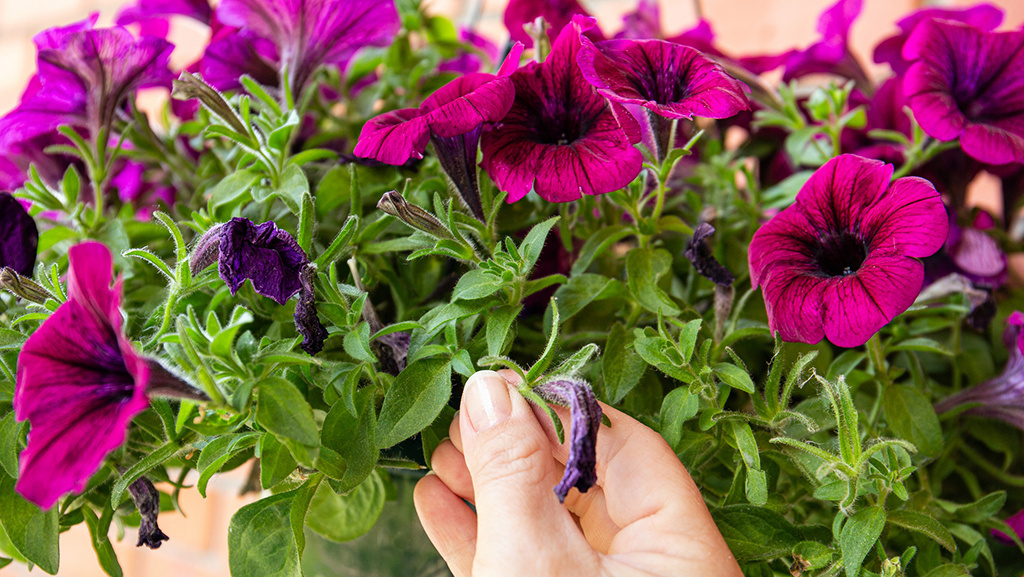
- For soft stems: Pinch the flower off with your fingers.
- For woody or tough stems: Use clean pruners or scissors to snip just above the leaf joint.
Don’t leave a long stub, as this can rot and attract pests.
Step 4: Dispose Of Spent Blooms
Collect the dead flowers and add them to your compost pile if they look healthy. If you see signs of disease, throw them in the trash to avoid spreading problems.
Step 5: Check Regularly
Deadhead every few days during peak blooming season. Some fast-blooming plants (like petunias) may need deadheading every day.
Beginner mistake: Waiting too long between sessions can mean fewer new blooms, as the plant shifts its energy to seed production.
Special Deadheading Techniques For Common Flowers
Different plants sometimes need different approaches. Here’s how to deadhead some popular types:
Roses
- Cut the stem just above the first set of five healthy leaves.
- Always angle the cut away from the bud to allow water to run off.
- Remove any spent blooms and any damaged or diseased leaves.
Marigolds
- Pinch off the faded flower head, including the seed pod below.
- For bushier plants, pinch the stem back to just above a set of leaves.
Petunias
- Remove the entire flower and the seed capsule underneath, not just the petals.
- Petunias can get sticky; wearing gloves can help.
Geraniums
- Cut the whole flower stalk back to the base, not just the spent flower.
Dahlias
- Deadhead above the first set of full leaves below the spent bloom.
- Be careful not to confuse new buds (which are round and plump) with spent flowers (which are pointed and dry).
Table: Deadheading For Popular Flowers
| Flower | Where to Cut | Special Instructions |
|---|---|---|
| Rose | Above first five-leaf set | Angle cut, remove diseased leaves |
| Marigold | Just above leaves | Pinch off seed pod too |
| Petunia | Below seed capsule | Remove sticky capsule |
| Geranium | Base of flower stalk | Cut whole stalk, not just bloom |
| Dahlia | Above first full leaves | Don’t remove new buds |
Common Deadheading Mistakes To Avoid
Deadheading seems easy, but small mistakes can hold your plants back.
1. Cutting Too Low Or Too High
Cutting too low can remove future buds. Cutting too high leaves a stub that can rot. Always aim just above a leaf joint.
2. Removing Healthy Buds
Beginners sometimes snip off unopened buds by mistake. Check closely—spent flowers look shriveled, while new buds are tight and plump.
3. Using Dirty Tools
Dirty tools spread disease quickly. Clean your pruners or scissors between plants, especially if you see any mold, spots, or wilting.
4. Deadheading All Plants
Not every plant should be deadheaded. For example, don’t deadhead plants grown for their seed heads, like sunflowers or ornamental grasses.
5. Ignoring Disease
If you notice brown, black, or moldy flowers, remove them right away and clean your tools. Throw diseased material in the trash, not the compost.
How Often Should You Deadhead?
How often you deadhead depends on your plants and the season.
- Fast bloomers like petunias and marigolds: Every 2–3 days, or even daily.
- Slower bloomers like roses: Once a week is usually enough.
- Busy gardeners: Even once every week or two is better than nothing, but more often means more flowers.
Garden reality: If you miss a week, don’t worry. Just start again—plants are forgiving, and you’ll still see benefits.

Credit: www.youtube.com
How Deadheading Affects Different Plant Types
Different plants respond in their own way to deadheading. Knowing what to expect helps you plan your gardening time.
Annuals
Most annuals (plants that live just one season) respond very well. Deadheading can double or triple the number of blooms, keeping color going until frost.
Example: Regularly deadheaded zinnias will bloom nonstop from early summer to fall.
Perennials
Some perennials bloom again after deadheading (like coreopsis or salvia). Others won’t re-bloom but look tidier and healthier when spent flowers are removed.
Non-obvious insight: For perennials that don’t re-bloom, deadheading still prevents disease and keeps the plant focused on strong root growth.
Shrubs
Some shrubs, like roses or hydrangeas, benefit from deadheading for better shape and more blooms. Others, like lilacs, bloom only once, but removing dead flowers keeps them looking nice.
Should You Deadhead In Fall?
As the gardening season ends, you may wonder if you should keep deadheading.
- For annuals: Deadhead until frost kills the plants.
- For perennials: Stop deadheading in early fall. Let some flowers set seed for wildlife or self-sowing.
- For ornamental grasses and seed heads: Leave them for winter interest and to feed birds.
Pro tip: Letting some flowers go to seed in fall also helps you collect seeds for next year’s planting.
Deadheading And Pollinators
Deadheading can affect bees, butterflies, and other pollinators. If you remove all blooms, you might reduce food for these helpful insects.
- Leave some flowers to fade naturally, especially at the end of the season.
- Choose a mix of plants—some for long blooming, others for seed heads.
This balance keeps your garden lively and helps pollinators too.
Deadheading Vs. Pruning: What’s The Difference?
Deadheading is just removing spent blooms, while pruning means cutting back stems, branches, or even whole sections of the plant. Pruning shapes the plant, encourages new growth, or removes old wood. Deadheading is more about flowers and appearance.
Key detail: Deadheading is usually done throughout the blooming season. Pruning is done at set times, often in spring or fall.
Credit: www.monrovia.com
Practical Tips For Deadheading Success
To get the most from your garden, use these proven tips:
- Stay consistent: Check your garden regularly and deadhead often for best results.
- Use clean, sharp tools: This prevents disease and gives healthier cuts.
- Don’t overdo it: If in doubt, leave some blooms, especially if you want seeds or winter interest.
- Watch for new buds: Take care not to remove future blooms.
- Wear gloves: Some plants (like petunias) can be sticky or irritating to the skin.
- Compost healthy waste: But trash any diseased plant material.
- Label plants: If you have many varieties, note which need deadheading and which do not.
- Observe your plants: Some will surprise you by re-blooming after deadheading, even if not all guides say so.
- Adjust for weather: In hot, dry weather, be gentle, as plants are stressed.
- Enjoy the process: Deadheading is a relaxing way to spend time in your garden and see results quickly.
Deadheading For Container Gardens And Small Spaces
Even if you only grow flowers in pots or small beds, deadheading is just as important.
- Container flowers often bloom faster and fade quicker due to limited nutrients.
- Check containers daily, especially in hot weather.
- Deadheading encourages bushier growth, which is perfect for small spaces.
Tip: Place spent blooms in a small compost bucket or directly into your main compost pile.
How Deadheading Can Save You Money
Buying new plants each year can add up. Deadheading helps your plants last longer, bloom more, and sometimes even self-seed, giving you free new plants.
- Deadheaded annuals stay colorful for months, so you don’t need to replace them mid-season.
- Perennials that set seed after deadheading can give you seedlings for next year.
Example: Allow a few cosmos or zinnia flowers to go to seed at the end of the season, and you may find new plants growing in spring.
Deadheading And Garden Design
Smart deadheading helps you shape your garden’s look.
- Regular deadheading means continuous color, so there are fewer bare spots.
- You can highlight certain areas by encouraging more blooms where you want them.
- For formal gardens, deadheading keeps edges clean and plants in the right shape.
Non-obvious insight: In mixed beds, focus deadheading on the brightest or most visible areas. Background or wildflower areas can go to seed for wildlife.

Credit: www.gardenersworld.com
Scientific Studies And Deadheading
Research supports the benefits of deadheading. Studies show that removing spent blooms increases the number and length of blooming in annuals like marigolds and petunias. In roses, deadheading can increase flowering by up to 30% compared to plants left untouched.
For more on the science behind plant care, visit the Royal Horticultural Society.
Frequently Asked Questions
Why Do Some Flowers Not Need Deadheading?
Certain flowers, such as sunflowers or coneflowers, produce seeds that attract birds or add winter interest. Others, like daylilies, have blooms that naturally drop off. These plants do not benefit from deadheading, or it may even reduce their value in the garden.
What Should I Do With The Deadheaded Flowers?
Healthy, disease-free flower heads can be composted to enrich your soil. If the flowers show signs of disease (mold, rot, spots), dispose of them in the trash to prevent spreading problems in your garden.
Can Deadheading Hurt My Plants?
If done correctly, deadheading helps most flowering plants. Mistakes can happen if you cut too low, remove healthy buds, or use dirty tools. Always cut just above a leaf joint with clean tools and check for new buds before removing flowers.
How Do I Know If I Should Pinch Or Cut When Deadheading?
Soft-stemmed plants and small flowers can be pinched off with your fingers. For thick, woody, or tough stems (like roses), use sharp pruning shears or scissors for a clean cut. If in doubt, cutting is safer and gentler for the plant.
Will Deadheading Make My Flowers Bloom All Season?
Many annuals and some perennials will bloom longer and produce more flowers if deadheaded regularly. However, some perennials and shrubs only bloom once per season, though deadheading still keeps them neat and healthy.
A garden full of fresh, colorful blooms is within reach if you master the simple art of deadheading. With a little time, the right technique, and regular care, you’ll enjoy a healthier, more beautiful garden—season after season.