

Prickly lettuce—also called wild lettuce or Lactuca serriola—can turn a beautiful garden or field into a prickly mess. Its tall, spiny stems and sharp leaves make it difficult to remove. It spreads quickly, stealing water and nutrients from wanted plants. If left alone, prickly lettuce can take over lawns, crop fields, and even roadsides. Many gardeners and farmers face this tough weed every year.
But you can win the battle with the right strategy. This guide explains how to get rid of prickly lettuce weed for good. You’ll learn how to identify it, why it’s so persistent, and what really works to control it—both short term and long term.
There are also key mistakes many beginners make. By the end, you’ll know how to protect your garden, yard, or field from this persistent invader.
What Is Prickly Lettuce Weed?
Prickly lettuce is a common weed found across North America, Europe, Asia, and Australia. It grows well in disturbed soils—like gardens, lawns, and roadsides. Its scientific name is Lactuca serriola. Sometimes people call it “wild lettuce” or “compass plant.”
Physical Features
This weed is easy to recognize if you know what to look for:
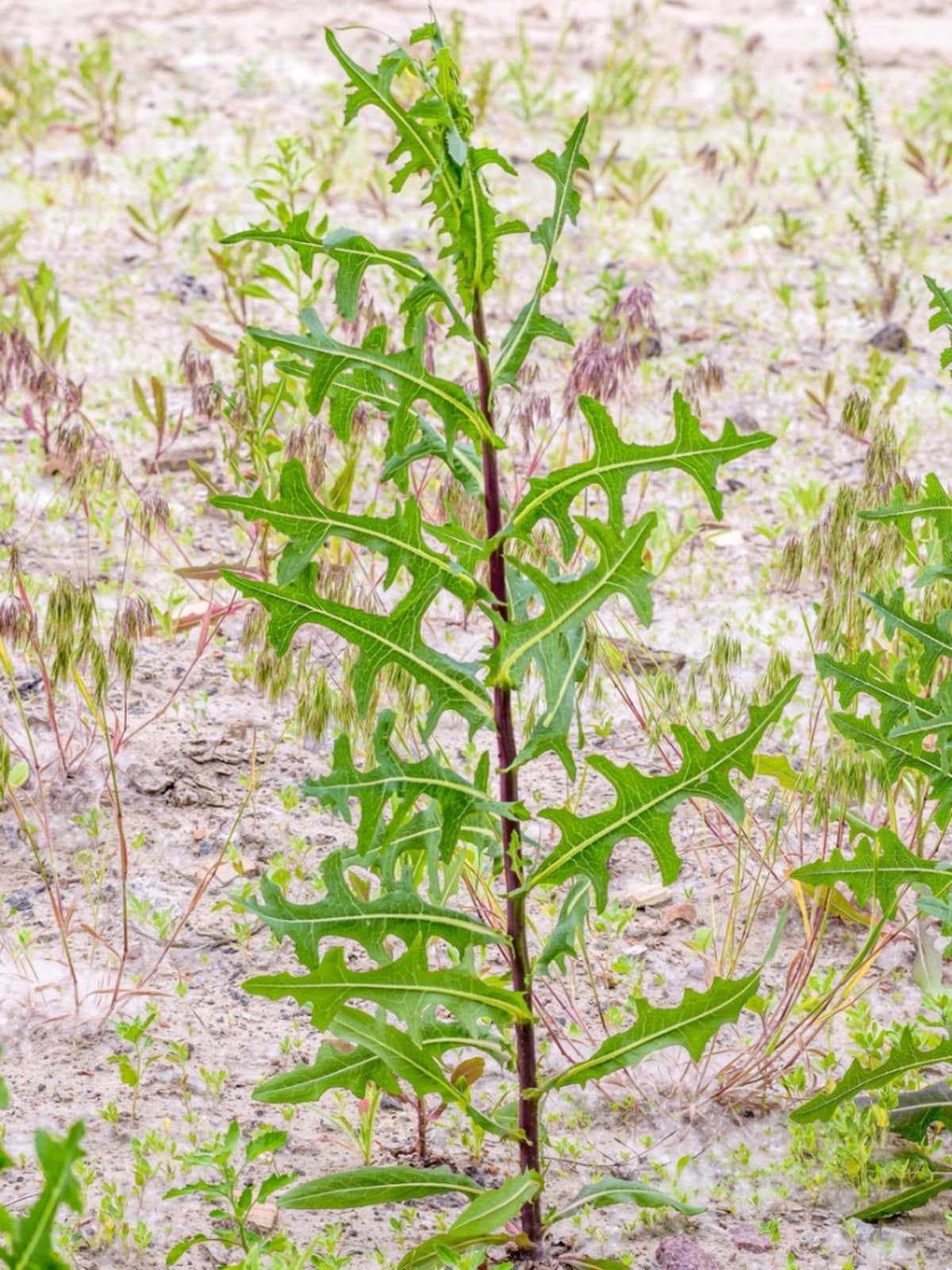
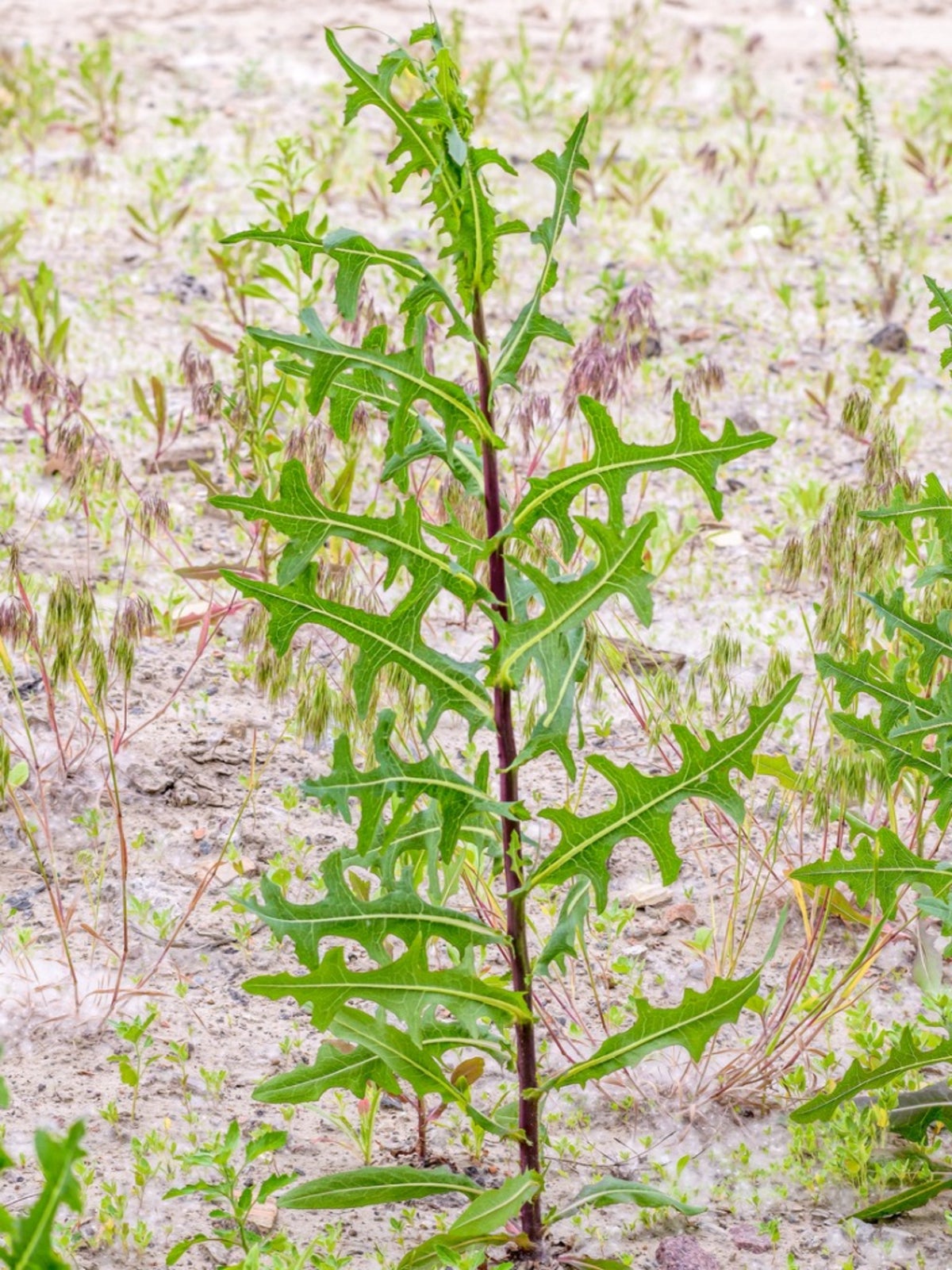
- Height: Grows up to 6 feet (1.8 meters) tall.
- Leaves: Long, narrow, deeply lobed leaves with sharp prickles on the underside.
- Stems: Erect, often with a bluish-green tint, and spines along the bottom.
- Sap: When cut, it releases a milky white sap.
- Flowers: Small yellow blooms, similar to dandelions, appear on branching stems.
Growth Pattern
Prickly lettuce starts as a basal rosette—a circle of leaves close to the ground. In its second year, it sends up tall, flowering stems. Each plant can produce thousands of tiny seeds, which are spread by wind.
Why It’s A Problem
- Fast spread: One plant can produce up to 20,000 seeds.
- Deep roots: Its taproot makes it hard to pull out.
- Tough leaves: The spines can injure skin and make mowing difficult.
- Competition: It competes strongly with crops and garden plants for nutrients.
How Prickly Lettuce Spreads
Understanding how prickly lettuce spreads helps you target control methods.
Seed Dispersal
Most prickly lettuce seeds are spread by wind. The seeds have feathery tufts, allowing them to float far from the parent plant. A single plant can send seeds across a large area, especially on windy days.
Soil Disturbance
Prickly lettuce thrives in disturbed soils. Gardens, construction sites, and plowed fields are ideal. Every time the soil is turned, dormant seeds can sprout. This is why weeds often appear after digging or tilling.
Longevity Of Seeds
Prickly lettuce seeds can remain viable in soil for up to 3 years. This means even if you remove visible plants, new ones can appear from old seeds.
Animal Movement
Animals, especially birds and small mammals, may carry seeds on their fur or feathers. Equipment and footwear can also move seeds from one place to another.
How To Identify Prickly Lettuce At Every Stage
Proper identification is the first step to control. Prickly lettuce changes a lot as it grows.
Early Stage (rosette)
- Appearance: Low to the ground, leaves form a flat circle.
- Leaf texture: Soft but with small prickles on the midrib.
- Color: Light to medium green.
Mid Stage (bolting)
- Growth: The center of the plant starts to grow upward.
- Stems: Spiny, more noticeable as they elongate.
Mature Stage (flowering)
- Height: Tall, upright, up to 6 feet.
- Flowers: Small yellow, clustered on the top branches.
- Seeds: White tufts, ready to blow away.
Key Differences From Similar Weeds
Prickly lettuce is often confused with dandelion and sowthistle. Here’s a quick comparison:
| Weed | Leaf Shape | Prickles | Flower Color |
|---|---|---|---|
| Prickly Lettuce | Deeply lobed, long | Sharp, on underside | Yellow |
| Dandelion | Deeply toothed | None | Yellow |
| Sowthistle | Soft, less lobed | Few or none | Yellow |
Tip: The spiny underside of the leaf is a sure sign you’re dealing with prickly lettuce.
Why Prickly Lettuce Is Hard To Control
Many gardeners and farmers struggle with this weed. Here’s why:
- Deep Taproot: The main root grows straight down and is hard to pull out completely. If any part remains, it can regrow.
- Seed Bank: Old seeds in the soil keep sprouting for years.
- Resistant Growth: Some plants resist common herbicides.
- Rapid Seed Production: Plants go from flowers to seeds quickly, making timing critical.
- Early Flowering: It can flower at a small size, making mowing less effective.
Non-obvious insight: Prickly lettuce can survive light frosts and dry conditions. This means it often appears before other weeds and outlasts them in tough summers.
Manual Removal Methods
Hand removal works best for small gardens, lawns, or when you spot the weed early.
Hand Pulling
Best time: When soil is moist and plants are young (rosette stage).
- Wear gloves to protect your hands from the spines.
- Grasp the plant at the base.
- Pull slowly and steadily to remove as much root as possible.
- For larger plants, use a trowel or dandelion digger to loosen the soil first.
Drawback: If you break the taproot, regrowth is likely.
Digging
For mature plants, simple pulling often fails.
- Use a sharp shovel or spade.
- Dig at least 6–8 inches deep around the plant.
- Remove the entire root, including any side roots.
- Fill in the hole with clean soil to prevent new weeds.
Insight: Digging deeply is important because prickly lettuce can regrow from even a small root piece.
Mowing
Mowing can slow prickly lettuce, but it’s not a cure.
- Mow when plants are small and before flowering.
- Frequent mowing can weaken plants, but they often resprout.
- Use mowing as part of a larger control plan.
Note: Mowing after flowering helps spread seeds, making the problem worse.
Cultural And Preventive Control Methods
Prevention is more effective (and less work) than fighting a full-blown invasion.
Mulching
- Apply a thick layer (2–4 inches) of mulch around desirable plants.
- Organic mulches (wood chips, straw) block sunlight, stopping weed seeds from sprouting.
- Mulch also keeps soil moist for your garden plants.
Dense Planting
- Plant garden crops or ground covers close together.
- Dense foliage shades the soil, reducing space for weeds to grow.
- Fast-growing covers like clover or rye can crowd out prickly lettuce.
Crop Rotation
In larger fields, rotating crops helps break the weed’s life cycle.
- Alternate between crops with different planting and harvesting times.
- Use cover crops during off-seasons to suppress weeds.
Reducing Soil Disturbance
- Avoid frequent tilling or digging, especially in weedy areas.
- Disturbing soil brings buried seeds to the surface, encouraging sprouting.
- Use no-till or low-till gardening when possible.
Practical tip: Always clean tools and boots after working in infested areas to avoid spreading seeds.
Chemical Control Options
Herbicides can be effective but should be used carefully.
Common Herbicides
Prickly lettuce is a broadleaf weed. The following herbicides are commonly used:
- Glyphosate: Non-selective, kills most plants it touches. Use only on unwanted areas.
- 2,4-D: Selective for broadleaf weeds, safe for most grasses.
- Dicamba and MCPA: Often mixed with 2,4-D for better results.
Application Timing
- Best time: When plants are young and actively growing (rosette or early bolting).
- Avoid spraying during wind, rain, or extreme temperatures.
- Follow label instructions for mixing and safety.
Risks And Precautions
- Always wear gloves, long sleeves, and eye protection.
- Keep children and pets away from treated areas.
- Some herbicides can harm garden plants or drift to nearby crops.
Resistance Issues
Prickly lettuce populations in some areas have developed resistance to herbicides, especially glyphosate. If you see poor results, rotate herbicides with different active ingredients and use non-chemical methods as well.
Table: Herbicide Comparison
Here’s a quick look at common herbicides for prickly lettuce:
| Herbicide | Type | Safe For Lawns | Resistance Risk |
|---|---|---|---|
| Glyphosate | Non-selective | No | High |
| 2,4-D | Selective broadleaf | Yes | Medium |
| Dicamba | Selective broadleaf | Yes | Medium |
| MCPA | Selective broadleaf | Yes | Low |
Non-obvious insight: Using the same herbicide year after year increases resistance risk. Alternate products and methods for best results.
Organic And Natural Control Methods
For those who avoid chemicals, several organic options can help.
Vinegar-based Sprays
- Use 20% acetic acid (horticultural vinegar, not kitchen vinegar).
- Spray directly on young plants.
- Most effective in sunny weather.
Warning: Vinegar can harm any plant it touches, so use with care.
Boiling Water
- Pour boiling water directly on the plant’s base.
- Kills small plants, but may not reach deep roots.
- Useful for cracks in driveways or paths.
Solarization
- Cover infested soil with clear plastic for 4–6 weeks in hot weather.
- The sun heats the soil, killing seeds and plants.
- Works best in open, sunny spots.
Corn Gluten Meal
- This acts as a pre-emergent herbicide, stopping seeds from sprouting.
- Apply to garden beds in early spring before weeds appear.
- Safe for most established plants.
Hand Weeding
- Pull or dig weeds as described earlier.
- Remove before they flower and set seed.
Example: Many organic farmers combine mulching, dense planting, and hand removal for season-long control.
Integrated Weed Management (iwm)
No single method works forever. Integrated Weed Management combines several tactics for the best long-term results.
The Iwm Approach
- Monitor: Walk your garden or field weekly to spot new weeds.
- Record: Note where prickly lettuce appears each year.
- Act Early: Remove plants before they flower.
- Mix Methods: Use cultural, manual, and (if needed) chemical methods together.
- Rotate Tactics: Change your approach each year to avoid resistance.
Practical example: In a vegetable garden, use mulch and dense planting. Pull weeds by hand as soon as you see them. If a large patch appears, spot-treat with herbicide or vinegar spray.
Long-term Prevention Strategies
To stop prickly lettuce from returning, you need a long-term plan.
Maintain Healthy Lawns And Gardens
- Water and fertilize lawns so grass grows thickly.
- Fill bare patches quickly with seed or sod.
- Avoid over-tilling or leaving soil bare.
Clean Up After Harvest
- Remove all plant debris, including old weeds.
- Compost only if you’re sure seeds won’t survive.
Monitor Edges And Paths
- Weeds often start at the edges of gardens, driveways, or fences.
- Keep these areas well-mulched or mowed.
- Pull young plants before they set seed.
Manage Surrounding Areas
If your neighbors or nearby fields have prickly lettuce, seeds may blow into your yard. Talk to neighbors about weed control and offer to help with border areas.
Table: Prevention Steps And Their Effectiveness
Here’s a comparison of prevention strategies:
| Strategy | Ease of Use | Effectiveness | Best For |
|---|---|---|---|
| Mulching | Easy | High | Gardens, small areas |
| Dense Planting | Moderate | Medium | Flower/vegetable beds |
| Crop Rotation | Moderate | High | Large fields |
| Monitoring | Easy | High | All areas |
| Cleaning Tools | Easy | Medium | All areas |
Insight: Prevention saves you time and money. A few minutes pulling young weeds can prevent hours of hard work later.
Credit: www.gardeningknowhow.com
Common Mistakes To Avoid
Even experienced gardeners make errors when battling prickly lettuce. Here’s what to watch out for:
- Ignoring Young Plants: Small rosettes are easy to miss but much easier to remove than tall, flowering plants.
- Breaking Taproots: Pulling too quickly can leave roots behind. Dig deeply for mature plants.
- Letting Plants Flower: Each flower means thousands of seeds. Remove plants before they bloom.
- Overusing Herbicides: Relying only on chemicals leads to resistance and doesn’t address the seed bank.
- Skipping Regular Checks: Weeds grow quickly. Inspect your garden weekly during growing season.
Non-obvious insight: Seed heads can mature even after cutting. Remove flowering plants from your garden; don’t just leave them lying around.
Real-world Example: Home Garden Success
Take the case of a suburban gardener in Illinois. Prickly lettuce started popping up along her vegetable beds and lawn edges. The first year, she pulled a few plants but ignored small rosettes.
By summer, the plants had grown tall and tough. She tried mowing, but the weeds bounced back. The next spring, she changed her approach:
- Mulched all garden beds with 3 inches of wood chips.
- Pulled every rosette by hand as soon as she saw it.
- Used a vinegar spray for weeds in cracks and along fences.
- Checked edges weekly for new plants.
By the second summer, prickly lettuce was almost gone. The remaining plants were weak and easy to remove. Her experience shows that persistence and prevention make the biggest difference.

Credit: www.reddit.com
When To Call A Professional
Most home gardeners and small property owners can handle prickly lettuce. But there are times when expert help is needed:
- Large infestations: Fields or lawns overrun with tall weeds.
- Herbicide resistance: If nothing seems to work, professionals can test for resistant plants and recommend alternatives.
- Commercial properties: For schools, parks, or business grounds, professionals ensure safe and thorough control.
Look for licensed weed control companies with experience in your region. Ask about their methods and request a plan that includes prevention, not just spraying.
Frequently Asked Questions
How Can I Tell Prickly Lettuce From Dandelions?
Prickly lettuce has spiny leaves (especially on the underside) and a tall, upright stem. Dandelions have smooth leaves and stay low to the ground. Both have yellow flowers, but dandelion blooms are larger and appear singly on each stem.
Is Prickly Lettuce Poisonous To People Or Pets?
Prickly lettuce contains a milky sap that can irritate skin in some people. It is not considered highly toxic, but pets and children should avoid eating it. The sap can cause mild stomach upset if ingested.
Can I Compost Prickly Lettuce?
You can compost young, non-flowering plants if your compost gets hot enough (140°F or higher) to kill seeds. Do not compost mature, flowering, or seeding plants—the seeds may survive and spread when you use the compost.
Will Burning Prickly Lettuce Help Control It?
Burning can kill visible plants, but it does not destroy seeds in the soil. Burning is not recommended for most home gardeners and may be illegal in some areas. Focus on removal and prevention instead.
Where Can I Find More Information About Prickly Lettuce?
For in-depth research and regional tips, visit the Wikipedia page on Lactuca serriola.
Getting rid of prickly lettuce weed takes persistence, but it’s possible. The key is early action, diverse control methods, and long-term prevention. With the right strategy, you can reclaim your garden, lawn, or field—and keep it healthy for years to come.
Credit: www.gardeningknowhow.com