
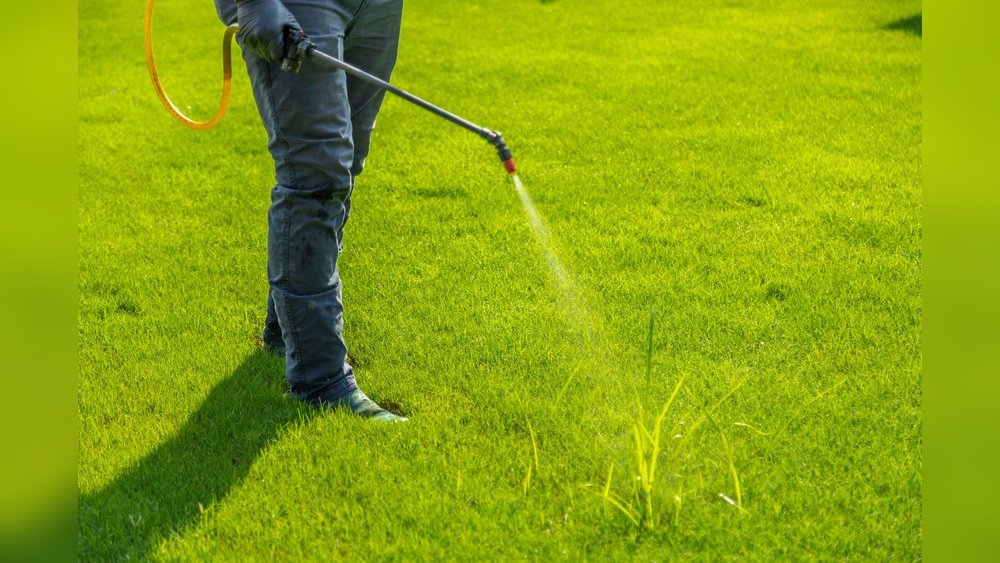
Weeds are a constant battle for gardeners, homeowners, and anyone who wants a tidy outdoor space. You spray them, feel relieved, but a few weeks later, they come back—sometimes stronger than before. If you’re frustrated by weeds returning after spraying, you’re not alone. Many people think spraying is a permanent fix, but the truth is, weed control needs more than just chemicals. This article explains why weeds keep coming back and, more importantly, how you can stop them from returning. You’ll learn proven strategies, common mistakes, and little-known tips to finally get the upper hand in your yard.
Why Weeds Return After Spraying
Many people expect that one spray will solve the problem. In reality, weeds are stubborn for several reasons:
- Deep root systems: Some weeds, like dandelions, have roots that go deep underground. Spraying kills the top, but the root survives and regrows.
- Weed seeds in soil: Most soils contain thousands of dormant weed seeds. When you remove one weed, sunlight and open soil can trigger new seeds to grow.
- Ineffective herbicide use: Using the wrong product or applying it at the wrong time reduces effectiveness.
- Weather factors: Rain soon after spraying can wash the herbicide off, and high winds can cause uneven coverage.
- Resistant weeds: Some weeds adapt and become resistant to common chemicals.
Understanding these reasons is the first step to long-term control. The next sections will show you how to tackle each challenge.
Choosing The Right Herbicide
Herbicides are not all the same. Picking the right one increases your chance of success. Consider these points:
- Contact vs systemic: Contact herbicides kill the part they touch. Systemic herbicides travel through the whole plant to kill roots. Deep-rooted weeds need a systemic herbicide.
- Selective vs non-selective: Selective herbicides target specific weeds (like broadleaf weeds) and leave grass unharmed. Non-selective kill everything green, so use them carefully.
Here’s a comparison of common herbicide types:
| Herbicide Type | Targets | Best For | Example |
|---|---|---|---|
| Contact | Visible part of weed | Annual weeds, small patches | Pelargonic acid |
| Systemic | Whole plant (roots too) | Perennial weeds, deep roots | Glyphosate |
| Selective | Specific weed types | Lawns, gardens | 2,4-D |
| Non-selective | All plants | Driveways, patios | Glyphosate, vinegar |
Pro tip: Always read the label and follow directions. Overusing herbicide can actually make some weeds tougher.

Credit: www.reddit.com
Timing: When To Spray For Maximum Impact
Spraying at the right time is essential for lasting results. Here are key timing factors:
- Growth stage: Spray when weeds are young and actively growing. Older, stressed weeds may survive.
- Weather: Choose a dry, calm day. Wind spreads spray to unwanted areas, and rain can wash it away.
- Season: For perennials, late summer or early fall is best. Weeds pull nutrients to roots for winter, so they absorb more herbicide.
A common mistake is spraying too early in spring or too late in the season. If you spray before weeds are actively growing, you waste product. If you spray after they’ve gone to seed, you might kill the plant but leave seeds to sprout next year.
Preparation Before Spraying
Good preparation makes herbicide work better. Here’s what you should do:
- Remove debris: Clear away leaves, sticks, or mulch covering the weeds.
- Water lightly: Slightly moist soil helps herbicide move into roots, but don’t spray when soil is soggy.
- Mow high (if in a lawn): Mowing weeds too short stresses them and makes them less likely to absorb herbicide.
- Trim tall weeds: For very tall weeds, cut them down and wait a few days for regrowth before spraying.
Non-obvious tip: Avoid disturbing the soil after spraying. Tilling or digging right after application can break up roots and spread weed pieces, making things worse.
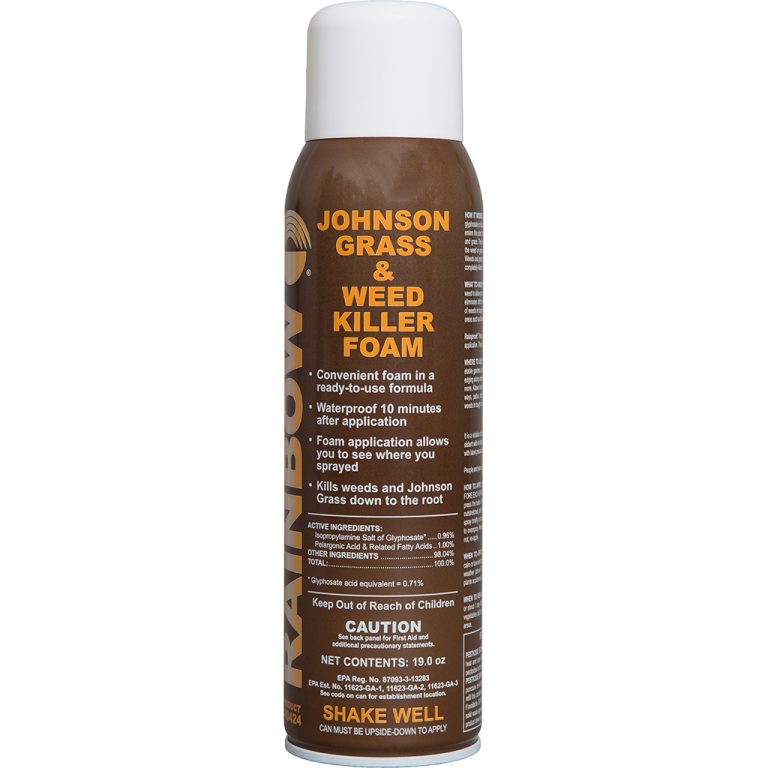
Credit: rainbowtech.net
How To Apply Herbicide Effectively
Application technique matters as much as the product itself. Follow these steps:
- Mix carefully: If using concentrate, mix according to instructions. Too strong can damage nearby plants; too weak won’t work.
- Use the right sprayer: For small areas, a handheld sprayer is fine. For larger lawns or driveways, use a backpack or wheeled sprayer for even coverage.
- Spray on a calm day: Wind can blow droplets onto your garden or lawn.
- Soak, don’t drench: Wet the weed’s leaves but don’t let the herbicide run off.
- Protect yourself: Wear gloves, long sleeves, and eye protection.
An often-missed detail: Clean your sprayer afterward, especially if you use it for other garden products. Leftover herbicide can damage other plants next time you spray.
What To Do Right After Spraying
Many people forget about aftercare, but it’s critical for killing weeds completely.
- Leave weeds undisturbed: Don’t pull, mow, or disturb them for at least a week. Herbicide needs time to travel to the roots.
- Watch the weather: If heavy rain falls within six hours, you may need to reapply.
- Keep pets and kids away: Until the spray dries, keep animals and children off treated areas.
Insider insight: Some weeds wilt quickly but regrow from roots. Wait until the whole plant is brown and dry before removing it.
Preventing Weeds From Returning
Spraying kills existing weeds, but stopping new ones is the real challenge. Here’s how to prevent weeds from coming back year after year.
1. Mulch Properly
Mulch blocks sunlight, making it hard for weed seeds to sprout. Use 2-3 inches of organic mulch like wood chips, straw, or shredded bark in garden beds. For paths or driveways, try crushed stone or landscape fabric under gravel.
Don’t miss this: Replace mulch every year. Thin or rotted mulch lets sunlight reach seeds.
2. Plant Densely
Thick, healthy grass or groundcover plants leave little room for weeds. Overseed bare patches in your lawn and choose spreading perennials for garden beds.
Example: Clover, creeping thyme, or vinca minor are great groundcovers that crowd out weeds.
3. Use Pre-emergent Herbicides
These products create a barrier that stops seeds from sprouting.
- Apply in early spring before weeds germinate.
- Water lightly after application to activate.
- Don’t use where you plan to plant seeds soon—pre-emergents block all seeds, not just weeds.
Here’s a table to compare common pre-emergent options:
| Pre-emergent | Main Use | Application Time | Notes |
|---|---|---|---|
| Corn gluten meal | Lawns, gardens (organic) | Early spring | Safe for pets, but less effective if soil is disturbed |
| Prodiamine | Lawns, driveways | Before soil warms up | Effective, but not for edible gardens |
| Pendimethalin | Lawns, non-crop areas | Early spring | Water in well after applying |
4. Maintain A Healthy Lawn
A thick, healthy lawn is the best defense against weeds. Here’s how to keep your grass strong:
- Mow high: Cut grass to 3-4 inches. Taller grass shades soil and blocks weed seeds.
- Fertilize appropriately: Too much or too little fertilizer weakens grass, giving weeds an opening.
- Water deeply, less often: Frequent, shallow watering encourages weeds with shallow roots.
Hidden insight: Don’t remove more than one-third of the grass height at a time. This keeps grass vigorous and better at competing with weeds.
5. Hand-pull Weeds (the Right Way)
Manual weeding is time-consuming, but it works if done right.
- Pull when soil is moist: Roots come out easier after rain or watering.
- Use a weeding tool: Tools like dandelion diggers help remove roots.
- Remove the entire root: Leaving root pieces behind means the weed will regrow.
Pro tip: For perennial weeds, twist and pull slowly to get the taproot out.
6. Block Weeds With Landscape Fabric
Landscape fabric under mulch or gravel blocks weeds for years.
- Lay fabric over bare soil, cut holes for plants, and cover with 2-3 inches of mulch or stone.
- Overlap edges by at least 6 inches to prevent weeds sneaking through gaps.
- Secure with pins to keep fabric in place.
Watch out: Some weeds, like nutsedge, can punch through thin fabric. Use thick, quality material.
7. Repair Bare Patches Quickly
Weeds love open soil. Whenever you dig up a plant or notice a bare spot, fill it fast.
- Seed grass or groundcover immediately.
- Top with compost or mulch to cover exposed soil.
Neglecting bare spots is one of the most common mistakes. Even a small patch can start a new weed problem.
8. Rotate Crops In Vegetable Gardens
If you grow vegetables, changing plant types each year helps break weed cycles.
- Rotate crops so the same family isn’t in the same spot each year.
- Use cover crops like clover or rye in fall to shade soil and add nutrients.
This method confuses weeds that are adapted to one type of crop.
9. Inspect And Maintain Edges
Weeds often sneak in from paths, driveways, or neighbors’ yards.
- Edge garden beds with a spade or edging tool.
- Check fences and driveways for cracks where weeds start.
- Pull or spray weeds at the border before they spread.
Expert tip: Install physical barriers (plastic or metal edging) to block roots from creeping in.
10. Keep Tools And Compost Clean
Weed seeds stick to tools, shoes, and even in compost.
- Clean shovels and mowers after use.
- Use finished, hot-composted material—unfinished compost may contain live seeds.
Many gardeners accidentally spread weeds by reusing contaminated soil or mulch.
Advanced Strategies: Dealing With Difficult Weeds
Some weeds are tougher than others. Here’s how to tackle the worst offenders.
Perennial Weeds (dandelion, Bindweed, Thistle)
- Spot treat with systemic herbicide in late summer.
- Dig out full roots when soil is wet.
- Repeat as needed—don’t expect one treatment to be enough.
Grassy Weeds (crabgrass, Quackgrass)
- Apply pre-emergent in early spring.
- Mow high to shade out seeds.
- Hand-pull before seed heads form.
Woody Weeds (poison Ivy, Brambles)
- Cut stems and paint herbicide directly on cut surface.
- Wear gloves and protective clothing.
- Dispose of plant material carefully—don’t compost poison ivy.
Weeds In Paving And Gravel
- Use boiling water as a natural killer for cracks and patios.
- Sweep regularly to prevent buildup of dirt where seeds sprout.
- Apply non-selective herbicide only when needed.
Little-known trick: Salt is sometimes used for driveways, but it can damage soil for years. Use with caution.
Organic And Natural Alternatives
Not everyone wants to use chemicals. Here are safer options:
- Boiling water: Scalds weeds in cracks.
- Vinegar (5-20% acetic acid): Kills young weeds, but rarely works on deep roots.
- Corn gluten meal: Natural pre-emergent for lawns.
- Flame weeder: Passes a hot flame over weeds to kill them. Use with care.
Important: Natural methods may require more frequent application but can be safer for kids, pets, and the environment.
Understanding Weed Life Cycles
A key to stopping weeds is knowing their life cycle.
- Annuals: Grow from seed, live one year, and die. Example: crabgrass.
- Biennials: Live two years. First year they grow leaves, second year they flower and set seed. Example: burdock.
- Perennials: Live many years, regrow from roots. Example: dandelion.
If you only kill the top of a perennial, it will return. For annuals, stopping seeds is most important.
Here’s a table for quick reference:
| Weed Type | Lifespan | Main Challenge | Best Control Method |
|---|---|---|---|
| Annual | 1 year | Lots of seeds | Pre-emergent, mulch |
| Biennial | 2 years | Deep roots in year 2 | Pull early, systemic herbicide |
| Perennial | Many years | Persistent roots | Systemic herbicide, repeated removal |
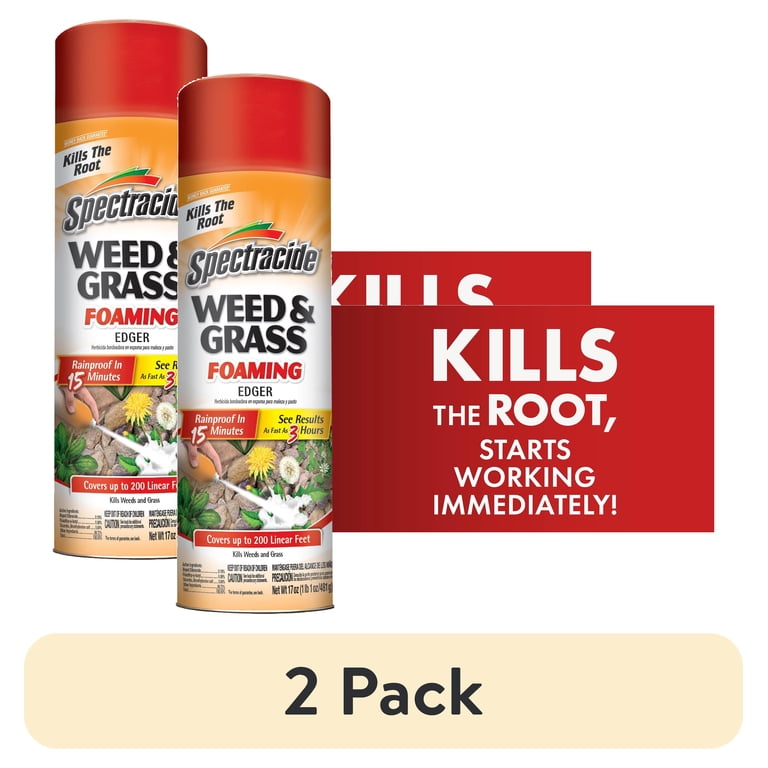
Credit: www.walmart.com
Common Mistakes And How To Avoid Them
Even experienced gardeners make errors that let weeds take over again. Here are some pitfalls to watch for:
- Spraying at the wrong time: Applying herbicide when weeds are dormant or right before rain reduces effectiveness.
- Not following up: One treatment is rarely enough. Monitor for regrowth and treat again if needed.
- Ignoring soil health: Poor soil favors weeds. Add compost and organic matter to help grass and plants thrive.
- Over-tilling: Churning soil brings new weed seeds to the surface.
- Letting weeds go to seed: A single dandelion can produce 15,000 seeds. Remove or spray before seeds form.
Less obvious mistake: Leaving lawn clippings with seeds on your lawn. Always bag or compost seeded weeds.
Creating A Weed Management Plan
Consistency is the secret to long-term weed control. Here’s how to build a simple plan:
- Map your yard: Identify weed-prone areas (bare soil, edges, paths).
- Choose your tools: Decide which herbicides, mulches, or fabrics fit each area.
- Set a schedule: Mark when to apply pre-emergent, overseed, mulch, and inspect.
- Track your results: Note what works and adjust next season.
Insight: Even professionals adjust their approach each year. What works one season may need tweaking the next, especially as weather changes.
When To Call A Professional
Most homeowners can control weeds with patience and effort. But there are times when expert help is needed:
- Severe infestations: If weeds cover more than half your yard, it may be worth getting a pro.
- Tough, toxic weeds: Poison ivy, giant hogweed, or Japanese knotweed require special handling.
- Commercial properties: Businesses often need regular, documented weed control.
A professional can offer advanced solutions like soil testing, custom herbicide blends, and large-scale mulching.
Monitoring And Maintenance: The Long-term Solution
Weed control is not a “one and done” task. The key is regular maintenance:
- Inspect your yard every two weeks during the growing season.
- Spot-treat new weeds quickly before they spread.
- Refresh mulch and repair bare spots as needed.
A small investment of time each month prevents big problems later.
Surprising fact: Studies show that consistent, light weeding is more effective than large, infrequent battles. A few minutes each week can keep your yard weed-free all year.
The Role Of Healthy Soil
Weed problems are often a sign of poor soil. Healthy soil supports thick grass and plants, which naturally suppress weeds.
- Test your soil every 2-3 years for nutrients and pH.
- Add compost to improve structure and fertility.
- Aerate compacted soil in lawns each spring.
Healthy soil grows stronger plants, leaving fewer opportunities for weeds.
Eco-friendly And Community Considerations
Before you spray, consider your surroundings:
- Avoid spraying near water: Herbicides can run off into streams and ponds.
- Respect neighbors: Drift can affect nearby gardens.
- Choose the safest products for kids, pets, and wildlife.
In some areas, local regulations limit what chemicals you can use. Always check rules for your location. For more information on safe herbicide practices, visit the EPA’s Safe Pest Control page.
Frequently Asked Questions
What Is The Best Time Of Year To Spray Weeds?
The best time is when weeds are young and actively growing, usually in early spring or late summer. Perennial weeds are most vulnerable in late summer or early fall, as they move nutrients to their roots.
How Long Does It Take For Weeds To Die After Spraying?
Most weeds begin to wilt within a few days. Complete die-off of deep roots may take 1-2 weeks for systemic herbicides. Leave weeds undisturbed until they are brown and dry.
Can I Plant New Grass Or Flowers After Spraying Herbicide?
Yes, but wait until the herbicide label says it’s safe. Some products stay in soil for weeks. Pre-emergent herbicides block all seeds, so don’t use them where you want to plant soon.
Why Do Weeds Keep Growing Back Even After I Kill Them?
Weeds return due to dormant seeds in the soil, deep roots, or poor control methods. Prevent new growth with mulch, pre-emergent products, and by maintaining dense, healthy plants.
Are There Safe, Natural Ways To Stop Weeds From Coming Back?
Yes. Use mulch, hand-pulling, landscape fabric, boiling water, or vinegar for natural control. Corn gluten meal is a safe pre-emergent for lawns. These methods may need more frequent application but are safe for kids and pets.
A weed-free yard takes more than a quick spray—it’s about understanding weeds, using the right products, and building healthy soil and plants. With a smart plan and steady effort, you can finally stop weeds from coming back and enjoy a beautiful, tidy space all year round.