
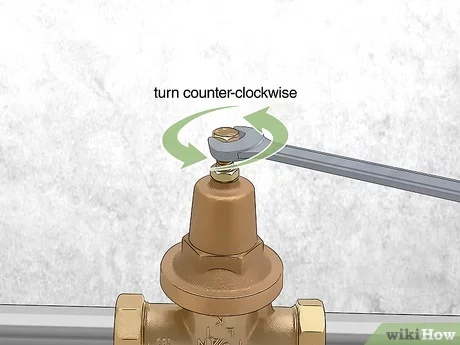
Increase water pressure at your sprinkler by adjusting the valve settings or upgrading the nozzle size.
Imagine watering your lush garden on a sunny day, only to find your sprinkler trickling instead of delivering a refreshing spray. Low water pressure in a sprinkler system can be frustrating, but fear not. From adjusting components to upgrading hardware, various strategies exist to enhance your system's efficiency. Let’s dive deep into the ways you can boost your sprinkler's performance and ensure your garden gets the care it deserves.
Understanding the Basics of Sprinkler Pressure
To tackle low pressure, it's crucial to grasp what influences it. Several factors like pipe diameter, valve settings, and water supply affect pressure. Often, a restriction in the water line can diminish flow.
Key Components
- Valves: Control water flow; incorrect settings can significantly impact pressure.
- Nozzles: The size determines water spread; choosing the right one is crucial.
- Backflow Preventers: Protect your water supply but can cause a pressure drop if malfunctioning.
Step-by-Step Guide to Increase Pressure
1. Check for Leaks
Leaks in your system can lead to a loss of pressure. Inspect connectors, hoses, and sprinkler heads.
2. Clean Sprinkler Heads
Dirt and debris clogging your sprinkler heads can restrict water flow. Regularly clean and maintain them.
3. Adjust Valves
Ensure valves are fully open. A partially closed valve reduces pressure.
4. Upgrade Your Nozzles
If cleaning and adjustments don't work, consider installing larger nozzles to allow more water flow.
5. Inspect and Clean the Filter
If your system has a filter, ensure it's clean to allow unobstructed water passage.
6. Evaluate Pipe Size
Consider using larger pipes for your system, as smaller pipes can restrict water flow, causing pressure drops.

Tips for Effective Maintenance
Maintaining your sprinkler system is key to optimal performance.
- Regular Inspection: Frequently check for leaks and clogs.
- Seasonal Adjustments: Adjust system settings according to season changes.
- Professional Inspection: Consider yearly inspections from a professional for deep assessments.
Frequently Asked Questions
What should I do if there's still low pressure after cleaning?
Consider seeking professional advice. Persistent low pressure might indicate a deeper issue, like a design flaw.
Can using multiple sprinklers affect the pressure?
Yes, running multiple sprinklers simultaneously can divide pressure, weakening the water flow for each.
Is it difficult to change nozzles myself?
Changing nozzles is typically straightforward; however, ensuring the right fit and size is vital for improved pressure.
How often should I inspect my sprinkler system?
Inspect at least monthly during operation seasons, and perform comprehensive checks at the start and end of the watering season.
Could low water pressure be related to municipal supply issues?
Yes, if your whole neighborhood experiences low pressure, it could be due to municipal supply problems.
Conclusion
Increasing water pressure in your sprinkler system involves understanding the system’s components and conducting regular maintenance. By addressing leaks, cleaning components, and considering hardware upgrades, you can enhance water delivery to your garden. With a bit of effort and knowledge, you'll ensure a vibrant, thriving landscape. Take a moment today to inspect your system; it could make all the difference. Ready for more insights? Subscribe for expert tips and join the conversation with comments below.