
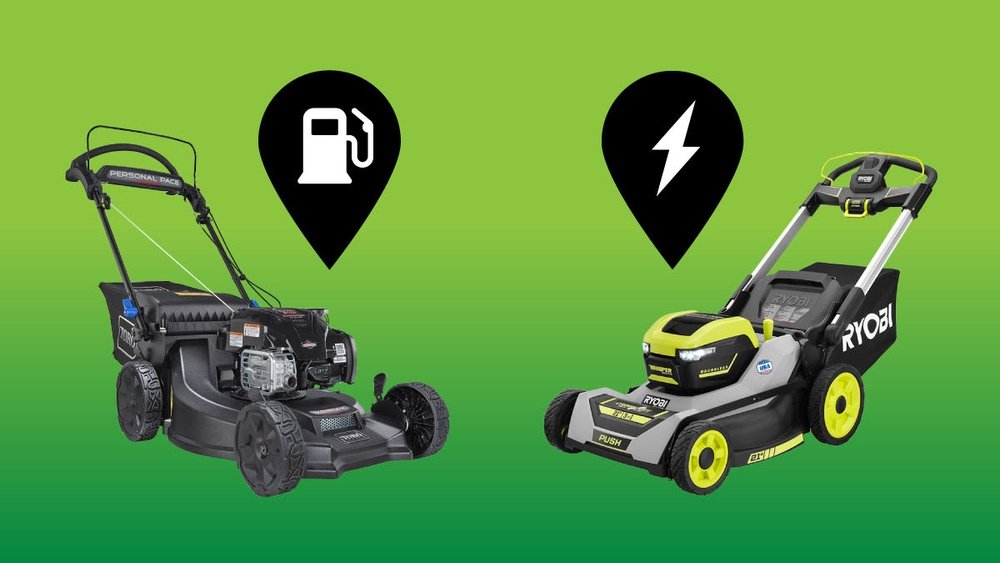
Choosing the right leaf blower can make yard work easier, faster, and less tiring. For most homeowners and landscapers, the main question is simple: gas vs battery leaf blower, which is better? Both types have their fans, and each comes with its own set of strengths and weaknesses. Whether you clean up leaves every fall or need a blower for regular garden maintenance, picking the right tool can save you hours of work and even money in the long run.
This article will help you compare gas and battery leaf blowers in detail. You’ll learn about performance, cost, durability, noise, maintenance, and much more. By the end, you’ll know which type suits your needs and lifestyle best. We’ll look at real-world examples, share some unexpected insights, and answer common questions.
Let’s get started and find out which leaf blower wins for you.
Understanding Leaf Blower Types
Before you compare gas and battery leaf blowers, it’s important to understand what each type is.
Gas leaf blowers run on gasoline and are usually powered by a small two-stroke or four-stroke engine. They are known for their strong airflow, which makes them ideal for heavy-duty jobs.
Battery leaf blowers use rechargeable lithium-ion batteries. They are quieter, lighter, and more environmentally friendly, but may have less power and limited runtime compared to gas models.
Both types are available in handheld and backpack versions. Handheld models are lighter and easier to use for small yards, while backpack blowers are better for larger areas and heavy debris.
Power And Performance
One of the first things people ask is, which leaf blower is more powerful? The answer depends on how you measure power and what you need for your yard.
Airflow And Speed
The two main numbers to look at are CFM (cubic feet per minute) and MPH (miles per hour). CFM tells you how much air the blower moves, while MPH measures how fast the air comes out. Both are important, but CFM is usually more useful for moving large piles of leaves.
Let’s compare typical ratings:
| Type | CFM Range | MPH Range |
|---|---|---|
| Gas Handheld | 350–600 | 150–230 |
| Battery Handheld | 200–500 | 90–180 |
| Gas Backpack | 600–1000 | 180–250 |
| Battery Backpack | 400–700 | 120–210 |
Gas blowers generally have higher CFM and MPH, especially in backpack models. If you need to clear heavy, wet leaves, or debris from a large area, gas is often stronger. However, battery blowers are improving fast. Today’s top battery models can handle regular yard work for most suburban homes.
Real-world Performance
Gas blowers can handle tough jobs like clearing wet leaves, pine needles, or even small branches. Battery blowers do well with dry leaves, grass clippings, and light debris. For heavy-duty work, gas still leads. But for daily maintenance or smaller yards, battery blowers are often enough.
A hidden factor is throttle control. Gas blowers usually offer fine control over airflow, so you can adjust the power for different tasks. Many battery blowers have only two or three speed settings, but premium models now offer variable triggers.
Usability In Different Conditions
Cold weather can affect both types. Gas engines may be harder to start in winter. Batteries lose capacity in cold, so runtime drops. If you live in a cold climate, consider how often you’ll use your blower in chilly months.
Battery Life Vs Gas Run Time
How long can you use each blower before stopping? This is a key question, especially for bigger yards.
Gas Leaf Blowers
Gas blowers can run as long as you have fuel. A full tank usually lasts 30–60 minutes for handhelds and up to 90 minutes for backpack models. Refueling takes just a few minutes.
Battery Leaf Blowers
Battery run time depends on the battery’s size (measured in amp-hours (Ah)) and the power setting. Most battery blowers last 15–45 minutes per charge. High power drains the battery faster.
Let’s look at typical battery runtimes:
| Battery Capacity | Low Power (min) | High Power (min) |
|---|---|---|
| 2.0 Ah | 25–30 | 10–15 |
| 4.0 Ah | 45–50 | 20–25 |
| 6.0 Ah | 65–70 | 30–35 |
You can buy extra batteries, but they are expensive. Charging takes 30–90 minutes, depending on the charger and battery size. Some brands offer “fast chargers” that cut charge time in half.
Practical Advice
If you have a large yard, battery blowers may require multiple batteries or stops to recharge. Gas blowers are better for long, uninterrupted sessions. For small yards or quick jobs, battery run time is usually enough.
A non-obvious tip: Plan your yard work in sections. Use your battery blower for the front yard, recharge while you work in the back, and switch batteries if needed. This makes battery blowers more practical for bigger spaces.
Ease Of Use And Comfort
Leaf blowers should make work easier, not harder. Comfort and ease of use matter more than many people think.
Weight And Balance
Gas blowers weigh more due to the engine, fuel tank, and heavier parts. Handheld gas models often weigh 9–12 pounds; backpack models can reach 20–25 pounds.
Battery blowers are lighter, usually 5–9 pounds for handhelds and 12–18 pounds for backpacks. The lighter weight reduces fatigue, especially for older users or those with back problems.
Starting And Operation
Gas blowers require pulling a starter cord, setting the choke, and priming the engine. This can be tricky for beginners or anyone with arm or shoulder issues.
Battery blowers start with a simple button or trigger. No cords, no fuel, no hassle. This is a big advantage for people who want a quick, easy tool.
Vibration And Handling
Gas engines cause noticeable vibration, which can tire your hands and arms. Battery blowers vibrate much less. This makes them more comfortable for longer jobs.
Noise Levels
Noise is a major issue, especially in suburban neighborhoods. Gas blowers are loud, often 70–90 decibels (dB). Battery blowers are quieter, usually 60–75 dB.
Here’s a quick comparison:
| Type | Typical Noise Level (dB) |
|---|---|
| Gas Handheld | 80–90 |
| Battery Handheld | 60–75 |
| Gas Backpack | 85–95 |
| Battery Backpack | 65–80 |
Some cities restrict gas blowers because of noise. Always check local laws before buying.
Non-obvious Insight
Many beginners overlook ergonomics. Try holding the blower in the store before buying. Check the grip, trigger position, and balance. A comfortable tool saves your body from aches.
Maintenance And Longevity
Keeping your leaf blower running smoothly is important. Gas and battery blowers need different care.
Gas Leaf Blowers
Gas blowers need regular maintenance:
- Mixing fuel and oil (for two-stroke engines)
- Cleaning air filters
- Changing spark plugs
- Checking fuel lines
- Storing with fuel stabilizer in winter
These steps take time and can be messy. If you skip maintenance, engines can fail or run poorly.
Battery Leaf Blowers
Battery blowers are almost maintenance-free:
- Clean the blower after use
- Store batteries in a cool, dry place
- Charge batteries as recommended
There’s no engine to maintain. Batteries do wear out over time—usually after 2–4 years of regular use. Replacing batteries is easy but can cost $60–$150 each.
Durability
Gas blowers last longer if maintained. It’s common to see gas blowers working for 5–10 years, even with tough use. Battery blowers depend on battery life. The tool itself may last 3–8 years, but battery replacement is needed.
Practical Example
If you use your blower every week for heavy jobs, gas models can handle the stress. For light, occasional use, battery blowers often last long enough and require less work to keep running.
Cost: Initial And Long-term
Price matters, but so does the total cost over time.
Purchase Price
Gas leaf blowers cost $120–$400 for handhelds and $250–$600 for backpack models. Battery blowers range from $90–$350 for handhelds and $250–$500 for backpacks. High-end battery models are often more expensive, especially if you buy extra batteries.
Operating Costs
Gas blowers need fuel, oil, and replacement parts. You may spend $40–$80 per year on gas and maintenance.
Battery blowers use electricity for charging, which costs less than $10 per year. Battery replacement adds $60–$150 every few years.
Repair And Parts
Gas blowers need more repairs—spark plugs, carburetor cleaning, fuel lines. Battery blowers rarely need repairs unless the battery or motor fails.
Cost Over Five Years
Let’s estimate the total cost for an average homeowner:
- Gas blower: $250 (purchase) + $75/year (fuel, maintenance) = $625
- Battery blower: $200 (purchase) + $10/year (charging) + $100 (battery replacement) = $250
Battery blowers are cheaper for light, home use. Gas blowers cost more but may last longer for heavy-duty jobs.
Non-obvious Insight
Some battery blowers work with the same batteries as other tools (like drills, trimmers, and saws). If you already own tools from a brand, you may save money by sharing batteries.
Environmental Impact
Environmental concerns are growing. Gas blowers pollute the air and produce noise. Battery blowers are cleaner and quieter.
Gas Leaf Blowers
Gas engines emit carbon dioxide and other pollutants. Two-stroke engines are especially dirty, releasing unburned fuel and oil into the air. According to the California Air Resources Board, one hour of gas blower use can produce as much pollution as driving a car 1,100 miles.
Battery Leaf Blowers
Battery blowers produce no emissions during use. However, making and disposing of batteries has an environmental cost. Lithium-ion batteries require mining and energy to produce. Recycling is possible but not always easy.
Noise Pollution
Gas blowers are much louder, causing complaints in cities and suburbs. Battery blowers are quieter and less likely to disturb neighbors.
Regulations
Many cities, especially in California, restrict gas blowers because of pollution and noise. Always check local laws before buying. Battery blowers may help you avoid fines or trouble.
Non-obvious Insight
Some landscaping companies are switching to battery blowers to win contracts in cities with strict rules. If you plan to hire a service, ask if they use battery tools.
Convenience And Flexibility
How easy is it to use your blower when you want? Convenience affects how often you actually use the tool.
Gas Leaf Blowers
Gas blowers work anywhere, anytime—no need for power outlets. But you must keep fuel and oil on hand. Starting can be tricky, especially after long storage.
Battery Leaf Blowers
Battery blowers need charged batteries. If you forget to charge, you may have to wait. Extra batteries solve this problem, but they add cost.
Battery blowers are more portable. They fit easily in a car and don’t spill fuel. You can use them indoors (like garages) without fumes.
Storage
Gas blowers require careful storage, especially in winter. Fuel must be drained or stabilized to prevent engine damage.
Battery blowers are easier to store. Keep batteries in a cool place; avoid leaving them fully charged or discharged for long periods.
Non-obvious Insight
Many battery blowers can be used for more than just leaves. Some models work as vacuums, dust blowers, or even for drying vehicles after washing. Gas blowers rarely offer these features.

Credit: www.youtube.com
Safety And Health
Using leaf blowers can affect your health. Both types have risks, but there are differences.
Gas Leaf Blowers
Gas blowers emit fumes, which can be harmful if used in enclosed spaces. They also vibrate more, causing hand and arm fatigue. The loud noise can damage hearing if you don’t wear protection.
Battery Leaf Blowers
Battery blowers are safer for indoor use—no fumes, less vibration, lower noise. They are lighter, reducing strain and injury risk.
Common Mistakes
Beginners often forget ear protection. Even battery blowers can be loud enough to cause hearing loss over time. Always wear safety glasses, especially when blowing debris.
Comparing Key Features Side By Side
Here’s a quick reference to help you decide:
| Feature | Gas Leaf Blower | Battery Leaf Blower |
|---|---|---|
| Power | High (best for heavy jobs) | Medium to high (best for regular jobs) |
| Run Time | Long (refuel anytime) | Limited (15–45 min per battery) |
| Ease of Use | Harder (pull cord, heavier) | Easier (button start, lighter) |
| Noise | Very loud | Quieter |
| Maintenance | High (engine care) | Low (clean and charge) |
| Cost | Higher long-term | Lower for light use |
| Environment | More pollution | Less pollution |
| Flexibility | Works anywhere | Portable, needs charging |
Credit: chasesantacruz.org
Which Leaf Blower Is Right For You?
Now that you know the differences, how do you choose? It depends on your needs.
When To Choose Gas Leaf Blower
- You have a large yard (over 1/2 acre)
- You need to clear heavy, wet leaves or debris
- You want long run time without stopping
- You don’t mind regular maintenance
- You don’t have noise restrictions in your area
When To Choose Battery Leaf Blower
- You have a small to medium yard
- You want quiet operation
- You prefer easy, quick startup
- You dislike fumes and heavy tools
- You need a tool for regular, light jobs
- You live in a city with noise or pollution laws
Practical Tips
- Try a blower in person if possible. Check weight and comfort.
- Ask neighbors about noise and local laws.
- If you use other battery tools, check if batteries are interchangeable.
- For big yards, consider buying extra batteries for battery blowers.
- For gas blowers, learn basic maintenance before purchase.
Unexpected Insight
Many people who switch from gas to battery find they use their blower more often. The easier startup and lighter weight make quick jobs less of a hassle.
Common Mistakes When Choosing
- Ignoring local laws: Noise or pollution rules can make gas blowers illegal.
- Underestimating run time: Battery blowers may need extra batteries for larger jobs.
- Buying too much power: For small yards, high-power gas blowers are overkill.
- Skipping maintenance: Gas blowers need care to last.
- Choosing by price only: Cheap models may not last or perform well.
Real-world Examples
Let’s look at a few situations:
- Suburban homeowner: Mary has a 1/4 acre yard. She switched from gas to battery. She likes the quiet, easy start, and no fumes. Run time is enough for her weekly cleanup.
- Landscaper: Joe runs a landscaping business. He prefers gas blowers for big jobs but uses battery blowers in cities with strict laws. He keeps both types on his truck.
- Retired couple: The Smiths want a lightweight tool. They choose a battery blower because it’s easy to lift and start. They buy an extra battery for longer sessions.
Leaf Blower Brands And Models
Some popular gas blower brands are Stihl, Echo, and Husqvarna. Battery blower brands include EGO, Ryobi, DeWalt, and Makita. Each brand offers models with different features and prices.
Check reviews and ratings before buying. Look for warranty information and customer service. Some brands offer 3–5 year warranties, which is helpful for peace of mind.
Future Trends
Battery technology is improving. New batteries offer longer run time and faster charging. Some brands use brushless motors for higher efficiency and longer life.
Regulations are pushing companies to develop quieter, cleaner blowers. Gas blowers may become less common in cities over the next decade.
Frequently Asked Questions
What Is The Most Powerful Leaf Blower Type?
Gas leaf blowers are usually the most powerful, especially backpack models. They have higher CFM and MPH, making them best for heavy debris and large areas. However, top battery models are closing the gap for home use.
How Long Do Battery Leaf Blowers Last Per Charge?
Battery leaf blowers typically run 15–45 minutes per charge. Run time depends on battery size and power setting. Buying extra batteries extends usage.
Are Gas Leaf Blowers Banned In Some Cities?
Yes, many cities in California and other states restrict or ban gas leaf blowers due to noise and pollution. Always check local regulations before buying.
Which Leaf Blower Is Easier To Maintain?
Battery leaf blowers are easier to maintain. They have no engine, fuel, or oil. Just keep the battery charged and the tool clean. Gas blowers need regular engine care and fuel management.
Can Battery Leaf Blowers Handle Wet Leaves?
Some high-end battery leaf blowers can handle wet leaves, but gas blowers are usually better for heavy, wet debris. For most home use, battery models are strong enough if you clear leaves often.

Credit: www.youtube.com
Final Thoughts
Choosing between a gas and battery leaf blower is about more than just power. Think about your yard size, local laws, comfort, cost, and how often you use the tool. Gas blowers are still king for big jobs and heavy debris, but battery blowers offer quiet, easy use and lower maintenance for most homeowners.
Battery technology is getting better every year. If you want a clean, simple tool for routine yard work, battery blowers are a smart choice. For heavy-duty jobs or commercial work, gas blowers still lead. Whatever you choose, follow safety tips and check local rules to avoid problems.
For detailed specs and up-to-date regulations, you can visit the EPA’s leaf blower page.
Remember, the best leaf blower is the one that fits your life and makes yard work easier. Test a few models, talk to your neighbors, and enjoy a cleaner, quieter yard.