
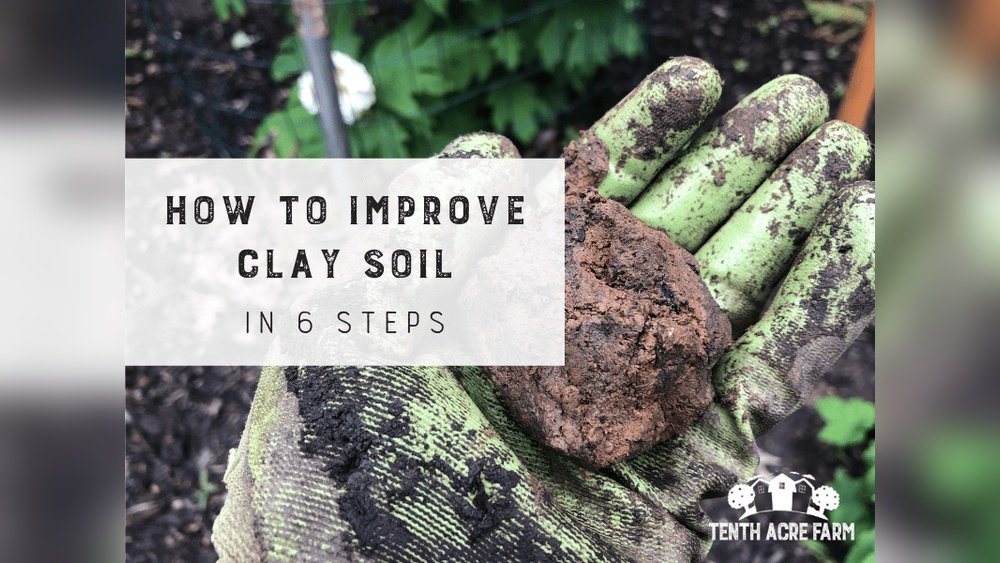
If you’ve ever tried planting in clay soil, you know it can be tough—heavy, dense, and prone to waterlogging. But what if you could turn that stubborn clay into a garden’s best friend?
Improving clay soil is not only possible, it’s easier than you might think. By making a few smart changes to your soil, you’ll create a healthier environment where your plants can thrive. You’ll discover simple, effective ways to loosen clay soil, boost drainage, and enrich nutrients so your garden flourishes season after season.
Ready to transform your clay soil and grow the garden you’ve always wanted? Keep reading, because your plants deserve the best start right from the ground up.
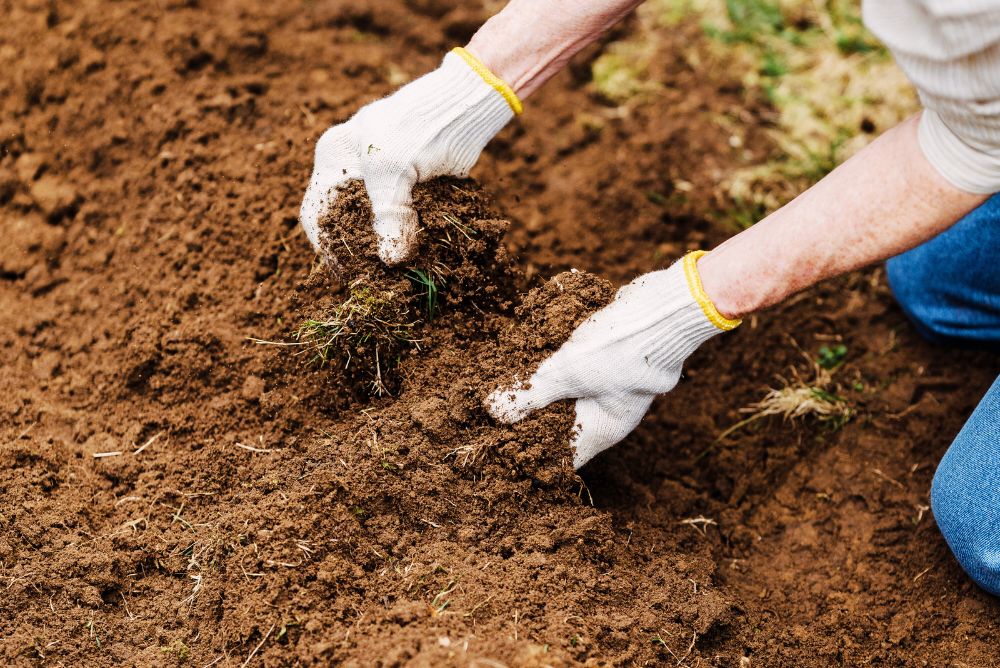
Credit: www.provenwinners.com
Clay Soil Challenges
Mineral additives play a key role in improving clay soil for planting. They help change the soil’s physical and chemical properties. These minerals can loosen heavy clay, improve water drainage, and adjust soil pH. Using the right mineral additives encourages better root growth and healthier plants.
Choosing the correct mineral depends on your soil’s condition. Some minerals work best for alkaline soils, while others help acidic soils. Understanding the effects of each additive ensures you make the right choice for your garden.
Gypsum Effects
Gypsum is calcium sulfate. It helps break up heavy clay soil by separating clay particles. This improves soil structure and drainage. Gypsum does not change the soil pH. It is especially useful for alkaline clay soils. Applying gypsum makes the soil less dense and easier for roots to grow. Use it in moderate amounts and mix it well into the soil.
Lime For Ph Balance
Lime raises the pH of acidic clay soils. It makes the soil less acidic and more neutral. This helps clay particles clump together, improving soil texture. Testing your soil’s pH before adding lime is important. Too much lime can harm plants. Use lime carefully to balance the pH and improve soil friability.
Avoiding Sand
Avoid adding sand directly to clay soil. Mixing sand with clay often creates a hard, cement-like texture. This makes the soil even harder to work with and reduces drainage. Instead, focus on organic matter and mineral additives like gypsum and lime. These improve clay soil without causing compaction or other problems.
:max_bytes(150000):strip_icc()/understanding-and-improving-clay-soil-2539857-final_revisted_AC-5c2e1f1046e0fb00012221a8-716db1864d514b5e96eb7af91be85a2a.jpg)
Credit: www.thespruce.com
Organic Amendments
Cover crops and green manure play a key role in improving clay soil for planting. These plants grow quickly and add valuable organic matter to the soil. They help break up dense clay, increase nutrients, and improve soil structure. Using cover crops is a natural way to make clay soil easier to work with and better for plants.
Vetch And Clover Benefits
Vetch and clover are popular cover crops for clay soil. Their roots grow deep and create channels in the soil. This improves drainage and allows air to reach plant roots. Both plants fix nitrogen from the air and add it to the soil. This natural fertilization helps other plants grow strong without extra chemicals. Vetch and clover also add green manure when turned into the soil, enriching it with organic matter.
Incorporating Cover Crops
Plant cover crops during off-season or between main crops. Let them grow for several weeks to build root systems. Cut or mow the plants before they set seed to prevent unwanted spreading. Then, till or dig the plant material into the soil. This adds organic matter and nutrients. Over time, this process improves soil texture and fertility. Cover crops reduce soil compaction and make clay soil softer and more productive.

Credit: www.tenthacrefarm.com
Frequently Asked Questions
What Is The Best Soil Improver For Clay Soil?
The best soil improver for clay soil is organic matter like compost, aged manure, or leaf mold. Gypsum aids alkaline clay. Avoid sand, as it hardens soil. Regularly add organic materials and test soil for tailored amendments.
How To Improve Clay Soil Quickly?
Add plenty of organic matter like compost or aged manure to improve clay soil quickly. Use gypsum for alkaline clay. Avoid sand. Test soil pH first. Regularly mix in cover crops like vetch to enhance structure and drainage. Consistency speeds improvement and boosts soil health.
Which Plants Do Not Like Clay Soil?
Plants like lavender, rosemary, and succulents dislike clay soil due to poor drainage and root rot risks. Avoid azaleas and blueberries too.
Is It Better To Amend Clay Soil In Fall Or Spring?
Amend clay soil in fall to improve structure over winter. Organic matter breaks down, enhancing drainage and aeration by spring planting.
Conclusion
Improving clay soil takes time and regular care. Add organic matter like compost often. This helps soil drain and breathe better. Avoid mixing sand directly; it can harden soil. Test your soil to know what it needs. Use gypsum if your soil is alkaline.
Plant cover crops to add natural nutrients. Keep working the soil gently and patiently. Healthy clay soil leads to stronger, happier plants. Small steps make big changes in your garden. Stay consistent, and you will see results soon.