
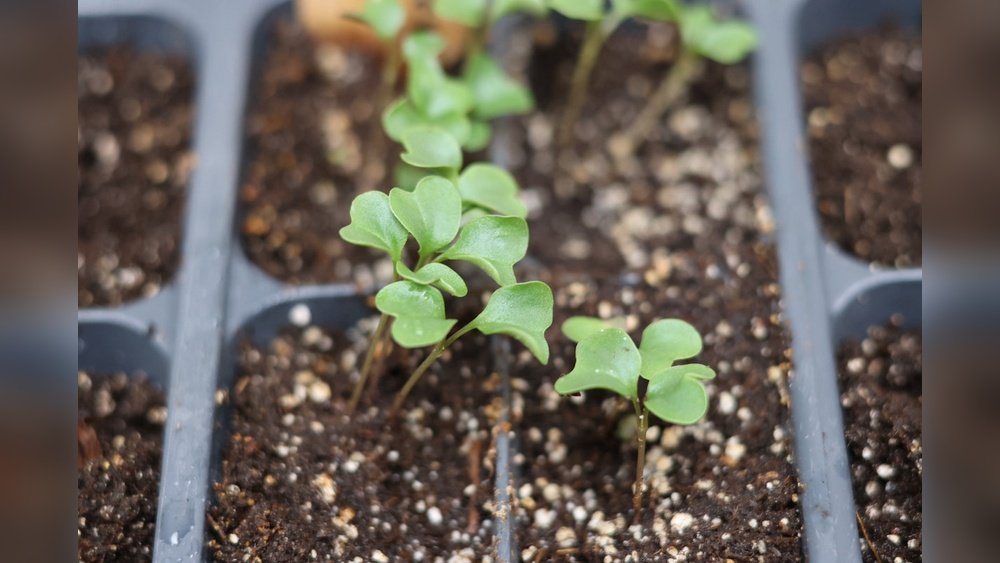
Growing cauliflower from seed can feel challenging, but with the right knowledge and patience, you can harvest beautiful, tasty heads from your garden. Cauliflower is a cool-weather crop that rewards careful planning and attention to detail. Many gardeners struggle with poor germination, stunted plants, or heads that don’t form properly.
But these problems are avoidable. In this guide, you’ll learn step-by-step how to grow cauliflower from seed, discover expert tips, and see how to avoid common mistakes that often frustrate beginners. Whether you’re a first-time gardener or looking to improve your results, this article will give you the tools and confidence to succeed.
Understanding Cauliflower: The Basics
Cauliflower (Brassica oleracea var. botrytis) is part of the brassica family, which includes broccoli, cabbage, and kale. It’s grown mainly for its edible head, called the curd. Unlike broccoli, the cauliflower head is made of undeveloped flower buds. Cauliflower is prized for its nutrition: it’s low in calories, high in vitamin C, and contains antioxidants.
What makes cauliflower tricky is its sensitivity to temperature. It needs steady, cool weather to form tight, white heads. High heat or uneven watering can cause heads to become loose or turn brown.
Key Growing Conditions
- Temperature: Best between 60°F and 70°F (15°C–21°C)
- Frost sensitivity: Young plants can take light frost, but heads are sensitive to freezing
- Soil: Rich, well-drained, pH 6.0–7.0
- Light: Full sun (6 hours or more daily)
Understanding these basics will help you create the right environment for your cauliflower crop.
Choosing The Right Cauliflower Variety
Not all cauliflower varieties are the same. Some mature faster, while others tolerate heat or cold better. Picking the right type for your region and season is crucial.
Popular Varieties
- Snowball: Classic white heads, matures in about 60–70 days. Great for spring and fall.
- Cheddar: Orange curds, high in beta-carotene. Needs similar care as white varieties.
- Purple of Sicily: Striking purple color, slightly milder taste, matures in 80–90 days.
- Romanesco: Unique spiral heads, nutty flavor, matures in 75–100 days.
- Attribute Hybrid: Tolerates warmer weather, matures in 70–80 days.
Choosing For Your Climate
- Cool climates: Go for fast-maturing types (Snowball, Early White).
- Warm regions: Look for heat-tolerant hybrids.
- Fall crops: Choose varieties that resist frost and mature before hard freezes.
Days To Maturity Comparison
Here’s a quick comparison of popular cauliflower types and their days to harvest:
| Variety | Color | Days to Maturity | Special Feature |
|---|---|---|---|
| Snowball | White | 60–70 | Reliable, classic |
| Cheddar | Orange | 65–75 | High beta-carotene |
| Purple of Sicily | Purple | 80–90 | Mild flavor |
| Romanesco | Green | 75–100 | Spiral shape |
| Attribute Hybrid | White | 70–80 | Heat tolerant |
Non-obvious tip: If your season is short, pick the fastest variety and start seeds indoors to gain extra weeks.
When To Start Cauliflower Seeds
Timing is everything with cauliflower. Start too early or too late, and you’ll get small or poor-quality heads.
- Spring crop: Start seeds indoors 6–8 weeks before your last spring frost date.
- Fall crop: Sow seeds indoors or directly in the garden 12–14 weeks before your first expected fall frost.
For most regions, this means starting seeds indoors in late winter (February–March) for spring harvest, or in mid-summer (June–July) for fall harvest.
Indoor Vs. Direct Sowing
- Indoors: Safer, better control over conditions. Essential in areas with short springs or hot summers.
- Direct sow: Possible in cool, mild climates with long, gentle spring or fall seasons.
Non-obvious insight: Fall crops often produce better heads because temperatures cool as the plant matures, reducing stress and pests.
How To Start Cauliflower Seeds Indoors
Starting seeds indoors is the best way to give cauliflower a strong start. Here’s how to do it step by step.
Materials Needed
- Seed starting trays or small pots
- Seed starting mix (sterile, light, and well-draining)
- Cauliflower seeds (fresh seeds germinate best)
- Humidity dome or clear plastic bag (optional)
- Grow lights or sunny window
- Spray bottle for watering
Sowing Seeds
- Fill trays or pots with seed starting mix. Moisten the soil, but don’t soak it.
- Sow seeds ¼ inch (6 mm) deep. You can plant 2–3 seeds per cell, thinning to one later.
- Cover lightly with soil. Press gently for good seed-to-soil contact.
- Label trays with variety and sowing date.
- Mist gently with water to avoid washing seeds away.
Germination Tips
- Keep soil temperature between 70°F and 75°F (21°C–24°C) for fastest germination.
- Light: Seeds don’t need light to germinate, but give them light as soon as they sprout.
- Humidity: Use a humidity dome or clear bag to keep moisture in until seedlings appear (usually 4–10 days).
Remove covers as soon as you see green shoots to prevent fungal problems.
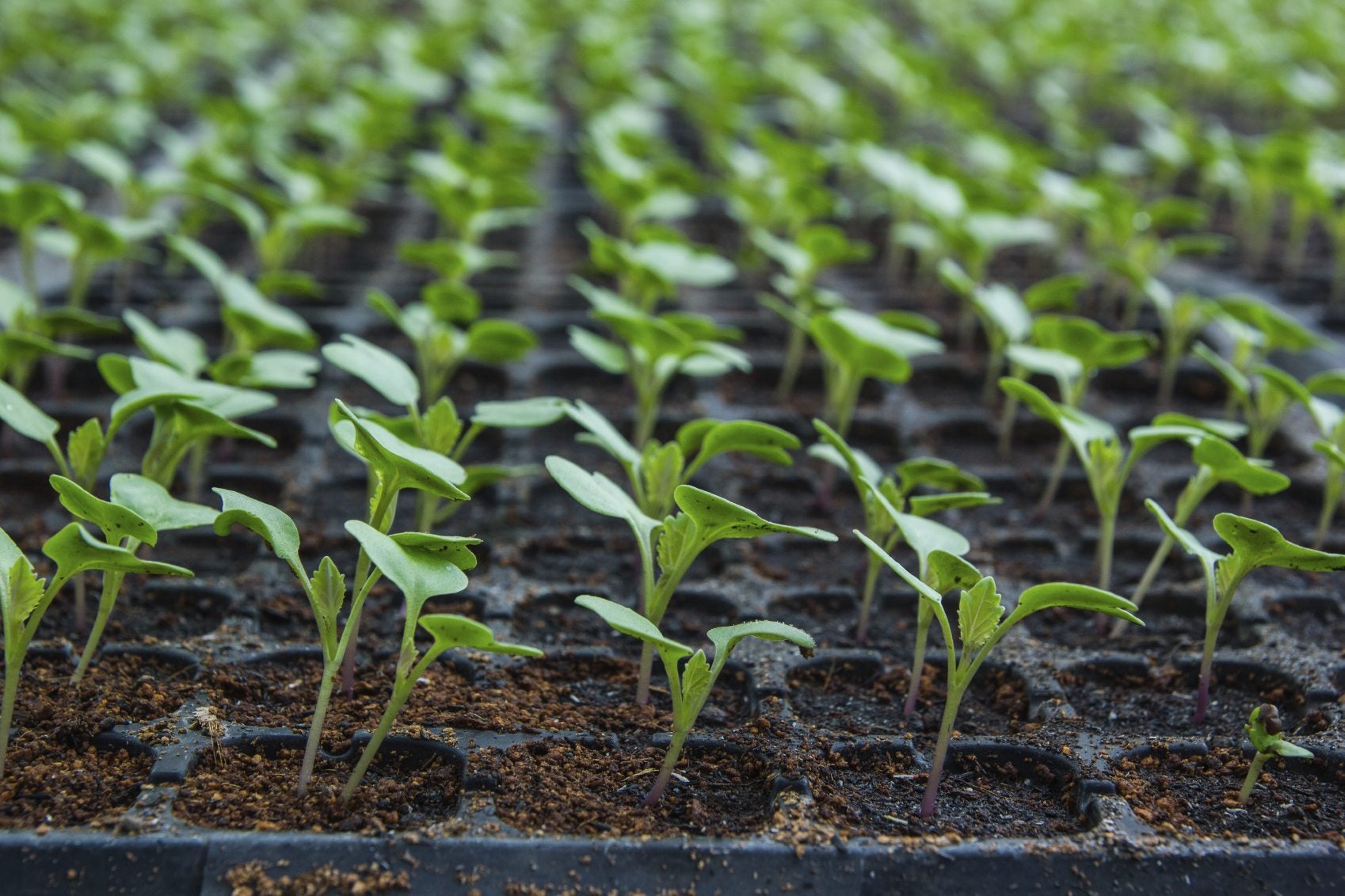
Early Seedling Care
- Light: Place under grow lights for 14–16 hours a day or in a bright window. Leggy seedlings mean not enough light.
- Water: Keep the soil slightly moist but not soggy.
- Thin: When seedlings have two true leaves, snip weaker ones to leave the strongest per cell.
- Fertilize: After two weeks, feed with a half-strength liquid fertilizer once a week.
Non-obvious insight: Cauliflower seedlings dislike root disturbance. Use biodegradable pots if possible, so you can plant them without removing from the pot.
Credit: www.gardeningknowhow.com
Hardening Off And Transplanting
Before moving seedlings outside, you must harden them off. This process gets them used to outdoor conditions, preventing shock.
How To Harden Off
- Start 7–10 days before transplanting.
- Place trays outside in shade for 2 hours, then bring them back in.
- Gradually increase outdoor time and light exposure each day.
- Protect from wind, heavy rain, and direct sun at first.
- Reduce watering slightly but don’t let plants wilt.
By the end, seedlings should be outside all day and used to sun, wind, and cooler nights.
When To Transplant
- Seedlings should have 4–5 true leaves and be about 4–6 inches tall.
- Soil temperature should be at least 50°F (10°C).
- Transplant 2–3 weeks before your last expected frost for spring crops, or when weather cools for fall.
Transplanting Steps
- Choose a cloudy day or plant in the late afternoon to reduce stress.
- Space seedlings 18–24 inches apart in rows 24–30 inches apart.
- Dig holes slightly larger than the pots.
- Plant at the same depth as in the tray or just a little deeper.
- Firm soil gently around roots.
- Water well right after planting.
Tip: Add a handful of compost or a slow-release fertilizer in the hole to feed young plants.
Preparing The Garden Bed
Cauliflower needs rich, well-drained soil with steady moisture and nutrients. Poor soil leads to small or discolored heads.
Soil Preparation Steps
- Choose a sunny spot with at least 6 hours of sun.
- Test soil pH—ideal is 6.0–7.0. Add lime if soil is too acidic.
- Add compost or aged manure—at least 2–3 inches mixed into the top 6–8 inches of soil.
- Work in a balanced fertilizer (like 10-10-10) before planting.
- Remove rocks and debris; cauliflower likes a fine seedbed.
Raised Beds Vs. In-ground
| Feature | Raised Bed | In-Ground |
|---|---|---|
| Soil warms faster | Yes | No |
| Better drainage | Yes | Sometimes |
| Easier to control soil quality | Yes | No |
| More watering needed | Yes | No |
Non-obvious tip: If your soil is heavy clay, raised beds help prevent root rot—a common problem for cauliflower.
Direct Sowing Cauliflower Seeds
In mild climates, you can sow seeds directly in the garden.
How To Direct Sow
- Wait until soil is at least 50°F (10°C).
- Sow seeds ¼–½ inch deep and 2–3 inches apart.
- Thin seedlings to 18–24 inches apart when they have 2 true leaves.
- Keep soil moist until seedlings are well established.
Direct sowing saves work, but you must protect young seedlings from pests (like flea beetles and slugs) and keep soil evenly moist.
Caring For Cauliflower Plants
Once your seedlings are established, steady care is key to growing large, white heads.
Watering
- Cauliflower needs 1–1.5 inches of water per week.
- Water deeply and regularly, especially as heads start to form.
- Avoid wetting leaves in the evening to reduce disease risk.
Tip: Mulch with straw or grass clippings to keep soil moist and cool.
Fertilizing
Cauliflower is a heavy feeder. Lack of nutrients causes small or “button” heads.
- Side-dress with fertilizer when plants are half grown (about 4 weeks after transplant).
- Use a balanced granular fertilizer, or feed with liquid fish emulsion every 2–3 weeks.
- Don’t over-fertilize with nitrogen—it can cause leafy plants with no heads.
Weeding
- Keep beds weed-free especially when plants are small.
- Hand-pull weeds or use shallow cultivation to avoid damaging roots.
Blanching (for White Cauliflower)
Blanching means covering the heads to keep them white and tender.
- When heads are 2–3 inches across, gently tie the outer leaves over the head with string or a rubber band.
- Check every few days for growth or pests.
- Harvest in 7–12 days, before heads loosen.
Some modern varieties are self-blanching—their leaves naturally cover the head.
Pests And Diseases
Common pests:
- Cabbage worms: Eat holes in leaves and heads.
- Aphids: Cluster on new growth.
- Flea beetles: Make tiny pits in leaves.
- Slugs and snails: Chew at night.
Common diseases:
- Clubroot: Causes swollen, distorted roots.
- Downy mildew: Yellow patches on leaves.
Prevention tips:
- Rotate crops each year—don’t plant brassicas in the same spot more than once every 3–4 years.
- Use row covers to protect young plants.
- Hand-pick worms or spray with organic Bt (Bacillus thuringiensis).
- Keep soil well-drained.
Non-obvious insight: Cauliflower is especially sensitive to root diseases. Never plant in soggy or compacted soil, and always clean up plant debris at the end of the season.

Credit: www.youtube.com
Harvesting Cauliflower
Knowing when and how to harvest is crucial for the best taste and texture.
When To Harvest
- Head is compact, firm, and 6–8 inches across (for most varieties).
- Curls begin to separate: Harvest immediately; heads left too long become loose and bitter.
- Color: Pure white (or true color for colored types), no yellowing.
How To Harvest
- Use a sharp knife to cut the head off the main stem. Leave a few leaves attached to protect the curd.
- Harvest in the morning for best flavor.
- Handle heads gently; bruising reduces storage life.
After Harvest
- Store in the refrigerator, unwashed, in a plastic bag.
- Heads last up to 2 weeks, but flavor is best fresh.
Common Problems And How To Fix Them
1. Small Or No Heads (“buttoning”)
- Cause: Stress from cold, heat, dry soil, or poor nutrition.
- Solution: Use healthy seedlings, plant at the right time, and feed regularly.
2. Heads Turning Yellow Or Brown
- Cause: Sun exposure (lack of blanching), over-mature heads, or disease.
- Solution: Blanch white varieties, harvest promptly.
3. Loose Or “ricey” Heads
- Cause: High temperatures or inconsistent growth.
- Solution: Plant at the right time; keep soil evenly moist.
4. Pests
- Solution: Use row covers, pick off worms, encourage beneficial insects.
5. Stunted Growth
- Cause: Clubroot, compacted soil, or root maggots.
- Solution: Rotate crops, improve soil drainage, and use disease-resistant varieties.

Credit: www.iamcountryside.com
Advanced Tips For Better Cauliflower
- Start with fresh seed: Old seed has low germination.
- Soak seeds overnight: This speeds up germination, especially in cool soil.
- Test soil moisture: Stick your finger in the soil; if dry at 1 inch deep, water.
- Use mulch: Retains moisture and keeps soil cool.
- Feed with seaweed extract: Gives a micronutrient boost that prevents stress.
- Avoid crowding: Good air flow prevents disease.
- Harvest heads as soon as ready: Even a few days late can mean bitter, loose curds.
- Keep a garden journal: Note planting dates, weather, and results for better planning next year.
Cauliflower Growth Timeline
Understanding how long each stage takes helps you plan and spot problems.
| Stage | Days After Sowing | What to Do |
|---|---|---|
| Germination | 4–10 | Keep warm, moist |
| First true leaves | 10–18 | Thin seedlings |
| Ready to transplant | 28–35 | Harden off |
| Head formation begins | 50–65 | Water, fertilize, blanch |
| Harvest | 60–100 | Cut heads, refrigerate |
Non-obvious tip: Slow growth at the seedling stage often means later problems with head formation.
Saving Cauliflower Seeds
If you want to save seeds, know that cauliflower is biennial—it needs two seasons to flower and produce seeds.
- Only open-pollinated (not hybrid) varieties will grow true from seed.
- Let some plants overwinter (or vernalize in the fridge if your winter is mild).
- Plants flower and set seed in their second year.
- Allow seed pods to dry on the plant, then collect and store in a cool, dry place.
Saving seed is advanced but rewarding if you want to breed your own varieties.
Sustainable And Organic Cauliflower Tips
- Use compost and organic fertilizers to feed plants naturally.
- Encourage beneficial insects by planting flowers nearby.
- Hand-pick pests instead of using chemicals.
- Rotate crops with legumes or root vegetables to break disease cycles.
- Water early in the day to prevent mildew.
Organic methods often produce healthier plants and tastier heads.
Frequently Asked Questions
How Long Does It Take To Grow Cauliflower From Seed?
Most cauliflower varieties take 60 to 100 days from sowing to harvest. Fast types like Snowball may be ready in 60–70 days, while Romanesco and purple varieties can take up to 100 days. Starting seeds indoors and transplanting gives you a head start and better results, especially in short seasons.
Why Did My Cauliflower Not Form A Head?
Common reasons include planting at the wrong time, stress from heat or drought, poor soil, or using old or weak seedlings. Cauliflower is sensitive to changes in temperature and moisture. Make sure to plant healthy seedlings, feed regularly, and keep soil evenly moist for best results.
Can I Grow Cauliflower In Containers?
Yes, but the container must be at least 12–18 inches wide and deep to give roots enough space. Use rich potting mix and feed regularly. Container-grown plants dry out faster, so check soil moisture daily. Some smaller varieties are especially suited for containers.
What Is Blanching, And Do All Cauliflower Types Need It?
Blanching means covering the head with leaves to keep it white and tender. Only white varieties need blanching. Colored varieties (orange, purple, Romanesco) do not—they naturally keep their color in sunlight. Some modern white types are self-blanching, but check your seed packet.
How Do I Control Pests Organically?
Use row covers to keep out cabbage worms and flea beetles, hand-pick worms, and spray plants with Bt (a natural bacteria safe for people but deadly to caterpillars). Encourage ladybugs and other beneficial insects. Keep the garden clean and rotate crops yearly. For more tips, see advice from the University of Minnesota Extension.
Growing cauliflower from seed is not a simple “plant and wait” process, but it’s incredibly rewarding when you harvest your own perfect heads. With good timing, steady care, and these expert tips, you’ll enjoy healthy, delicious cauliflower straight from your garden.
Whether you’re after classic white curds or vibrant purple and orange varieties, success starts with strong seedlings and careful attention to detail. Happy gardening!