
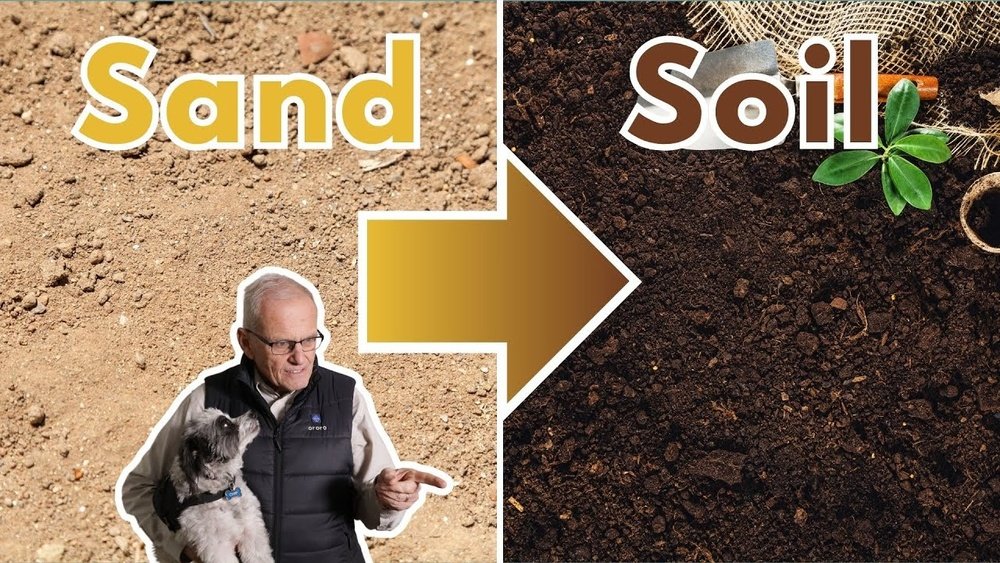
If you’re struggling to grow healthy plants in sandy soil, you’re not alone. Sandy soil can drain water too quickly and lacks the nutrients your garden needs to thrive.
But here’s the good news: you can turn your sandy soil into a fertile, productive space with the right techniques. You’ll discover simple, effective ways to improve your sandy soil, boost its ability to hold moisture, and provide your plants with the nutrients they crave.
Keep reading, and you’ll learn how to transform your garden into a lush, green oasis—even if you started with nothing but sand.
Characteristics Of Sandy Soil
Sandy soil has distinct features that affect plant growth. Understanding these traits helps gardeners improve soil for better crops. This soil type is common in many regions and needs special care.
Texture And Drainage
Sandy soil feels gritty and coarse. It has large particles that create big spaces between them. These spaces allow water to drain quickly. Plants can suffer from drought because water moves away too fast. The loose texture makes digging easy but challenges water retention.
Nutrient Deficiencies
Sandy soil often lacks essential nutrients. Nutrients wash away with the quick drainage. This leaves plants without enough food to grow strong. Gardeners must add fertilizers or organic matter. These additions help supply and hold nutrients near roots.
Water Retention Challenges
Sandy soil struggles to keep water for plants. Water drains before roots can absorb it. This causes plants to dry out fast. Frequent watering may be necessary to keep plants healthy. Improving water retention is key for successful gardening in sandy soil.
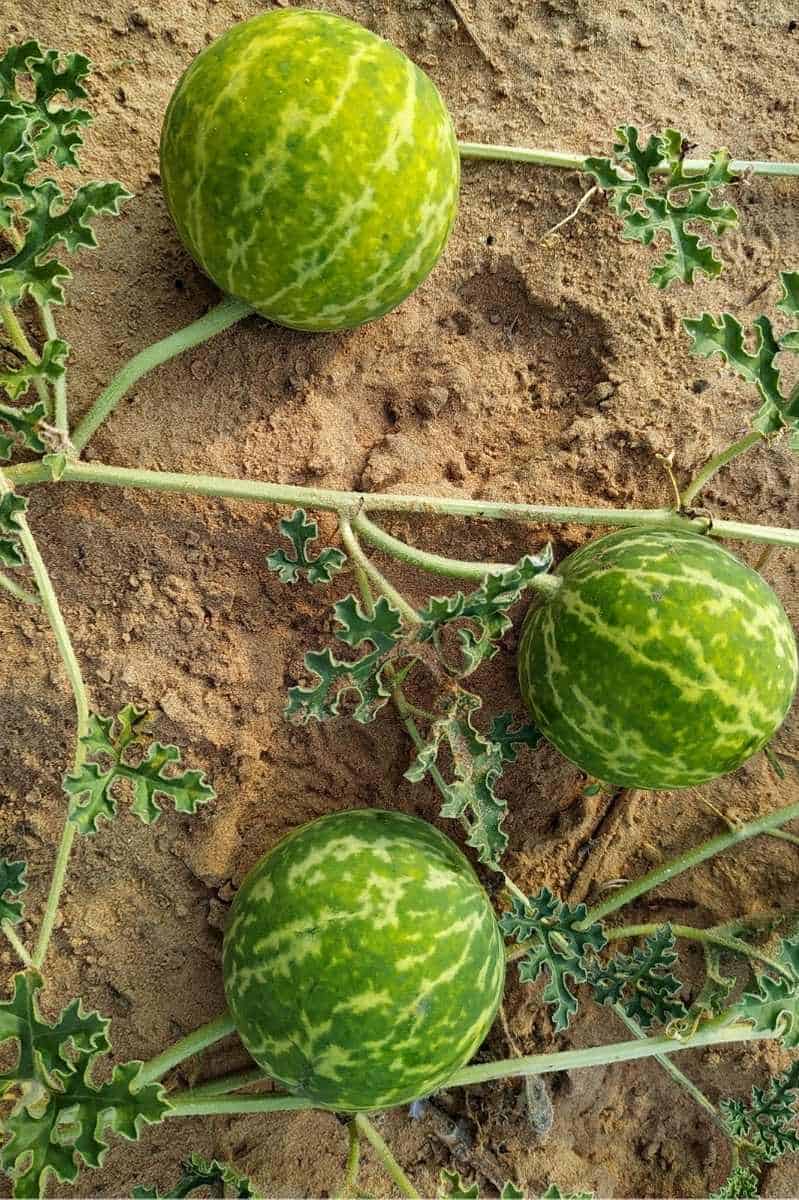
Credit: growfully.com
Adding Organic Matter
Adding organic matter is essential for improving sandy soil. It helps hold moisture and nutrients better. Organic matter also creates a better structure, making the soil easier to work with. This boosts plant growth and health. Here are some effective ways to add organic matter to sandy soil.
Using Compost
Compost is decomposed organic material rich in nutrients. It improves water retention in sandy soil. Compost feeds beneficial microbes that support plant roots. Spread a layer of compost over the soil surface. Mix it into the top few inches for best results. Regular use of compost gradually builds soil fertility.
Incorporating Manure
Manure is a natural fertilizer full of nutrients. Well-aged manure adds organic matter and improves soil texture. Fresh manure can burn plants, so use only composted manure. Spread manure evenly and mix it into sandy soil. This practice increases nutrient availability and water holding capacity.
Leaf Mold Benefits
Leaf mold is made from decayed leaves. It improves sandy soil by increasing moisture retention. Leaf mold also enhances soil structure and promotes beneficial organisms. It breaks down slowly, providing long-term benefits. Apply leaf mold as a mulch or mix it into the soil.
Choosing The Right Fertilizers
Choosing the right fertilizers is key to improving sandy soil for healthy plant growth. Sandy soil drains quickly and loses nutrients fast. Fertilizers help replace these lost nutrients and support plants. The right fertilizer keeps nutrients available longer and prevents waste.
Slow Release Fertilizers
Slow release fertilizers release nutrients gradually over time. This steady supply matches plant needs and reduces nutrient loss. They work well in sandy soil because nutrients do not wash away quickly. These fertilizers feed plants for weeks or months, reducing the need for frequent applications. Using slow release types saves time and effort.
Organic Vs Synthetic Options
Organic fertilizers come from natural sources like compost and manure. They improve soil health and add organic matter. Synthetic fertilizers are made from chemicals and deliver nutrients quickly. Organic options improve soil structure over time. Synthetic fertilizers give fast results but may need careful use. Choosing depends on your garden goals and care routine.
Avoiding Nutrient Runoff
Sandy soil lets water flow fast, causing nutrients to wash away. Applying too much fertilizer leads to runoff and pollution. Use the right amount and spread it evenly. Water fertilizers into the soil gently to keep nutrients near roots. Mulching helps hold moisture and nutrients. Proper fertilizer use protects the environment and saves money.
Improving Water Retention
Sandy soil drains quickly but struggles to hold water. Improving water retention helps plants get the moisture they need. This keeps roots hydrated longer and supports healthier growth. Simple changes can make sandy soil hold water better and boost your garden’s success.
Mulching Techniques
Mulch covers soil and slows water evaporation. Organic mulches like straw, leaves, or wood chips work best. Spread a 2-3 inch layer around plants to keep soil moist. Mulching also reduces soil temperature and prevents weed growth. Replace mulch as it breaks down to maintain its benefits.
Using Coffee Grounds
Used coffee grounds add organic matter to sandy soil. They improve soil texture and help retain moisture. Sprinkle grounds lightly on soil surface or mix them into the top few inches. Coffee grounds also provide nutrients that help plants grow stronger. Avoid thick layers to prevent mold or pests.
Watering Strategies
Water deeply and less often to encourage strong roots. Shallow watering wastes water and dries out quickly. Early morning watering reduces evaporation loss. Use drip irrigation or soaker hoses for efficient watering. Check soil moisture regularly to adjust watering times and amounts.
Soil Structure Enhancements
Improving sandy soil is essential for healthy plant growth. Sandy soil drains quickly and lacks nutrients. Enhancing its structure helps retain water and nutrients better. It creates a balanced environment for roots to grow strong. Several simple methods can improve sandy soil effectively.
Cover Crops And Green Manure
Planting cover crops adds organic matter to sandy soil. These crops protect soil from erosion and improve texture. When green manure crops are plowed back, they increase soil nutrients. This process boosts soil fertility and water retention. Legume cover crops also fix nitrogen, enriching the soil naturally.
Adding Clay Or Silt
Mixing small amounts of clay or silt changes sandy soil texture. This helps bind sand particles together and slows water drainage. Clay and silt improve the soil’s ability to hold nutrients. Use finely crushed clay or silt for best results. Avoid adding too much, which can cause poor drainage and compaction.
Regular Soil Testing
Testing soil regularly tracks changes in soil health. It identifies nutrient deficiencies or pH imbalances. Soil tests guide the right amendments to add for better growth. Testing every season helps maintain soil balance over time. It ensures plants get the nutrients they need consistently.

Credit: joegardener.com
Plant Selection For Sandy Soil
Choosing the right plants is key to success in sandy soil. Sandy soil drains quickly and holds fewer nutrients. Plants must cope with dry conditions and low fertility. Selecting suitable plants helps your garden thrive and reduces maintenance.
Drought-tolerant Plants
Drought-tolerant plants survive well in sandy soil. They need less water and handle dry spells easily. Examples include lavender, sedum, and yucca. These plants have deep roots to reach moisture below the surface. They save water and stay healthy in poor soil.
Native Species Advantages
Native plants adapt naturally to local sandy soils. They require less fertilizer and water than non-natives. Their roots improve soil structure over time. Choose plants native to your region for better growth. They support local wildlife and reduce garden work.
Vegetables That Thrive
Some vegetables grow well in sandy soil with care. Carrots, radishes, and potatoes like loose, well-drained soil. These crops develop strong roots and good flavor. Add organic matter to boost fertility and water retention. Regular watering helps vegetables stay productive and healthy.
Maintenance Tips
Maintaining sandy soil requires regular care to keep it fertile and productive. Sandy soil tends to lose nutrients and water quickly. Proper maintenance helps improve its structure and supports healthy plant growth. Follow these simple tips to keep your sandy soil in top shape throughout the year.
Seasonal Soil Amendments
Add organic matter like compost or aged manure every season. This improves soil texture and nutrient content. Spread a 2-3 inch layer over the soil and mix it in well. Organic matter holds moisture and provides food for beneficial microbes. Repeat this process in spring and fall for best results.
Proper Irrigation Practices
Water sandy soil deeply but less often. This encourages roots to grow strong and deep. Avoid shallow, frequent watering because water drains fast in sandy soil. Use drip irrigation or soaker hoses to deliver water slowly. Mulching helps reduce evaporation and keeps soil moist longer.
Monitoring Soil Health
Test soil regularly to check nutrient levels and pH balance. Sandy soil often needs extra nitrogen, phosphorus, and potassium. Observe plant health for signs of nutrient deficiencies like yellow leaves or stunted growth. Adjust fertilization based on test results to keep soil balanced and plants healthy.

Credit: www.youtube.com
Frequently Asked Questions
What Is The Fastest Way To Improve Sandy Soil?
Add plenty of organic matter like compost or manure to sandy soil. This boosts water retention and nutrient content quickly. Regularly mix in organic amendments and mulch to improve soil structure and fertility effectively.
What Is The Best Soil Improver For Sandy Soil?
The best soil improver for sandy soil is organic matter like compost or manure. It enhances nutrient content and water retention effectively.
What Is The Best Fertilizer For Sandy Soil?
The best fertilizer for sandy soil is slow-release organic fertilizer. Compost and manure improve nutrients and water retention effectively.
Do Coffee Grounds Help Sandy Soil?
Coffee grounds improve sandy soil by adding organic matter that enhances water retention and nutrient content. Mix fresh grounds into soil for best results.
Conclusion
Improving sandy soil takes patience and simple steps. Add organic matter like compost regularly. This helps soil hold water and nutrients better. Mulching also keeps moisture in and reduces weeds. Use slow-release fertilizers to feed plants steadily. Test soil often to track progress and adjust care.
With consistent effort, your sandy soil will support healthy plants. Growing strong vegetables and flowers becomes easier and more rewarding. Keep nurturing your soil, and watch your garden thrive.