
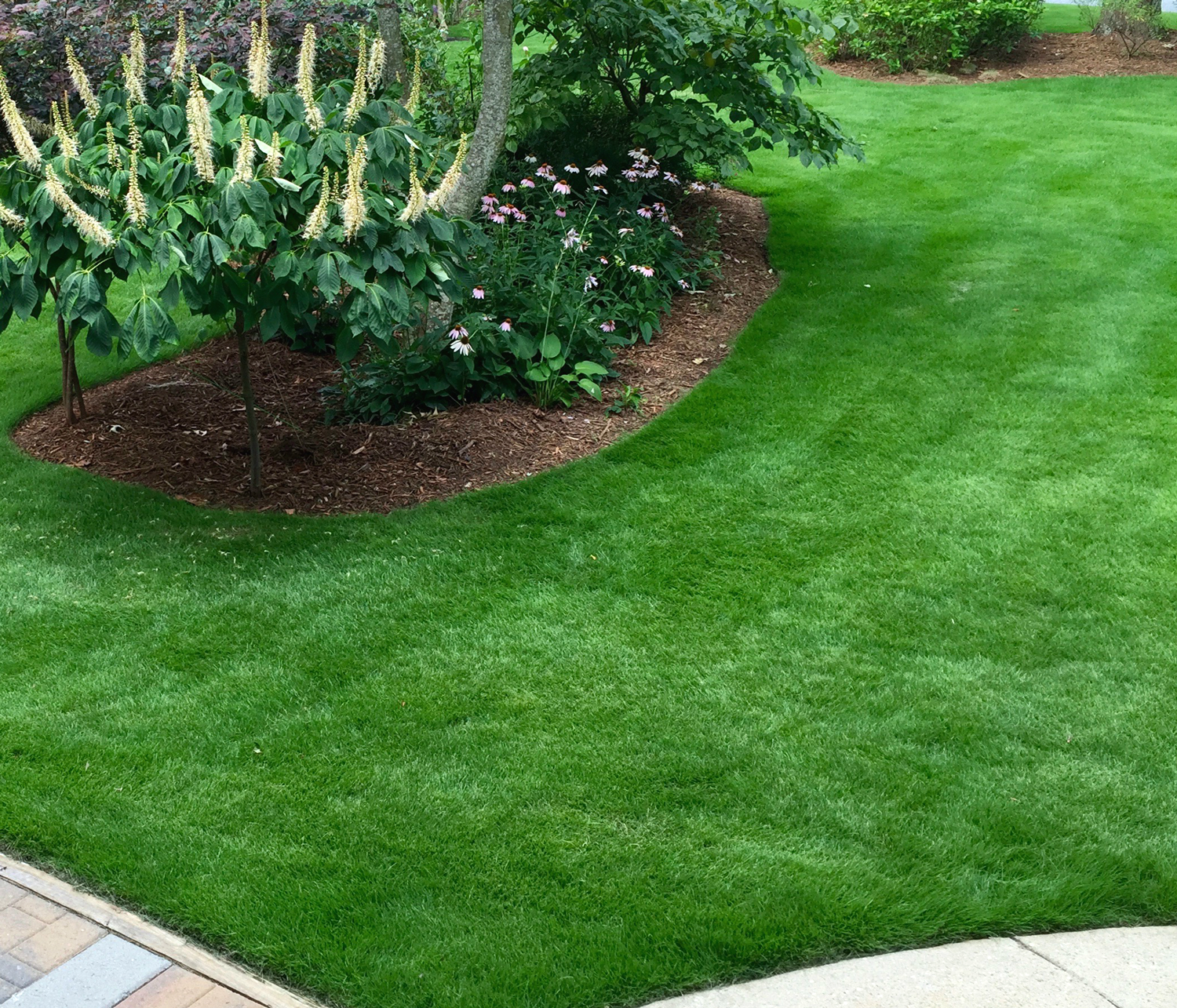
Zoysia grass is known for its lush green appearance, soft texture, and resilience in both hot and cool climates. Many homeowners and landscapers prefer Zoysia because it creates a beautiful, dense lawn that resists weeds and survives moderate drought. However, this grass doesn’t thrive without proper care—especially when it comes to fertilization. If you want your Zoysia lawn to stay healthy and vibrant, you must follow a well-timed, precise fertilization schedule. Knowing when and how to fertilize Zoysia can make the difference between a patchy yard and a stunning, carpet-like landscape.
This guide will help you understand every detail about how to fertilize Zoysia grass, including what nutrients matter most, how to plan your annual schedule, and ways to avoid common mistakes. Whether you are new to lawn care or have some experience, you’ll find practical advice, clear examples, and real data. We’ll even compare Zoysia with other popular grasses, so you know how your lawn stands out. By the end, you’ll be ready to create a tailored fertilization plan that fits your climate and soil—giving your Zoysia the best chance to shine.
Why Zoysia Grass Needs A Special Fertilization Schedule
Zoysia grass is not like other lawn types. It grows slowly, spreads through stolons and rhizomes, and prefers mild to warm temperatures. Because of its unique biology, Zoysia responds differently to fertilizer compared to grasses like Bermuda or Tall Fescue.
Key facts about Zoysia:
- Grows best in USDA zones 5–11
- Prefers soil pH between 6.0 and 6.5
- Recovers slowly from damage
- Needs less nitrogen than Bermuda grass
- Shows signs of stress quickly if over-fertilized
Zoysia’s low growth rate means you must be careful not to overfeed it. Too much fertilizer, especially nitrogen, can lead to thatch buildup, disease, and weak roots. On the other hand, too little fertilizer causes pale color, thin coverage, and poor resistance to weeds.
Unlike cool-season grasses, Zoysia’s growth cycle starts later in spring and stays active until early fall. This makes timing your fertilizer applications critical. Applying fertilizer too early or late can waste nutrients or harm your lawn.
Essential Nutrients For Zoysia Grass
To build a strong fertilization plan, you must know what nutrients Zoysia needs most. The three main macronutrients are nitrogen (N), phosphorus (P), and potassium (K). Each plays a unique role:
- Nitrogen: Drives leaf growth, color, and density
- Phosphorus: Supports root development, seedling vigor
- Potassium: Improves stress tolerance, disease resistance
Zoysia typically requires less nitrogen than fast-growing grasses. Most lawns need about 2–3 pounds of nitrogen per 1,000 square feet each year. Too much nitrogen leads to excessive growth and thatch, while too little causes thinning.
Phosphorus is vital for new lawns or after overseeding. Once established, Zoysia needs little extra phosphorus unless a soil test shows a deficiency.
Potassium helps Zoysia survive heat, drought, and winter. It also strengthens cell walls, making the grass less prone to disease. Most soils contain enough potassium, but sandy soils may need regular supplements.
Micronutrients like iron, magnesium, and zinc also help maintain color and overall health. Iron is especially important for Zoysia, which often shows yellowing if levels are low.
Sample N-p-k Ratios For Zoysia Fertilizers
The best fertilizer for Zoysia usually has a balanced N-P-K ratio. Here are some common options:
- 15-0-15: High nitrogen and potassium, no phosphorus
- 16-4-8: Balanced mix, good for spring feeding
- 10-1-14: Low phosphorus, high potassium
Check the bag label and adjust based on your soil test results.
How To Test Your Soil Before Fertilizing
Before you start any fertilization schedule, test your soil. This step is often skipped but is vital for Zoysia lawns. A soil test tells you your current nutrient levels, pH, and organic content.
Steps for soil testing:
- Collect samples from several spots in your lawn
- Dig down about 3–4 inches
- Mix samples together in a clean container
- Send to a local extension office or use a home test kit
Results usually arrive in a few days or weeks. They’ll tell you if your soil is low in nitrogen, phosphorus, or potassium, and if the pH is too high or low. Adjust your fertilizer plan based on these numbers.
Non-obvious insight: Many people think soil tests are only for new lawns. In reality, even established Zoysia can change over time due to rainfall, mowing, and fertilizer use. Test your soil every 2–3 years for best results.
Annual Fertilization Schedule For Zoysia Grass
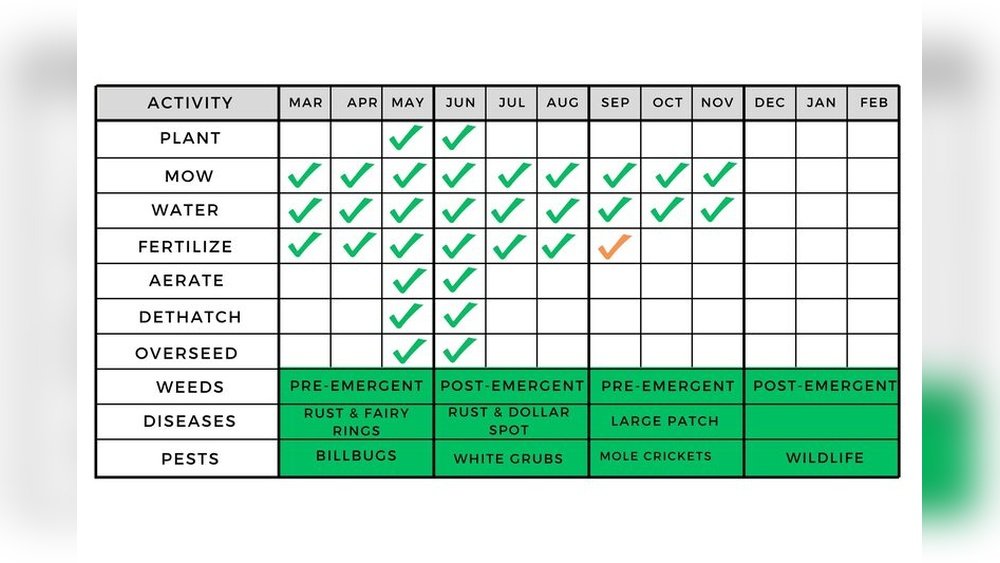
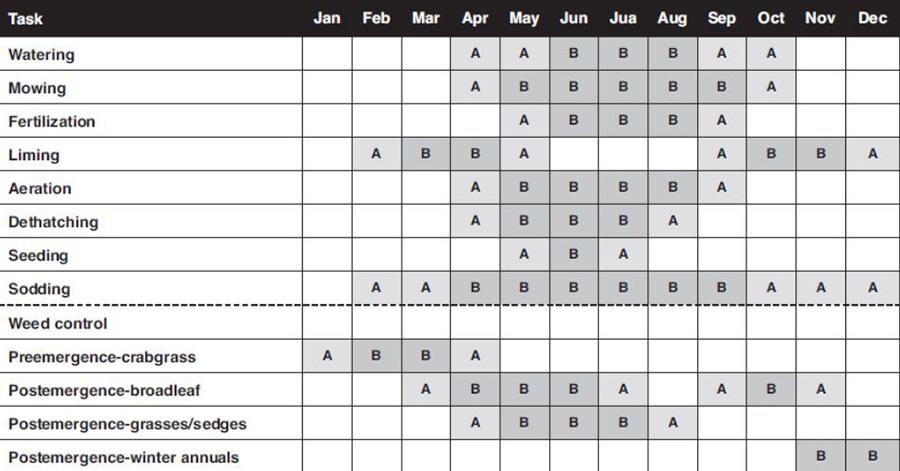
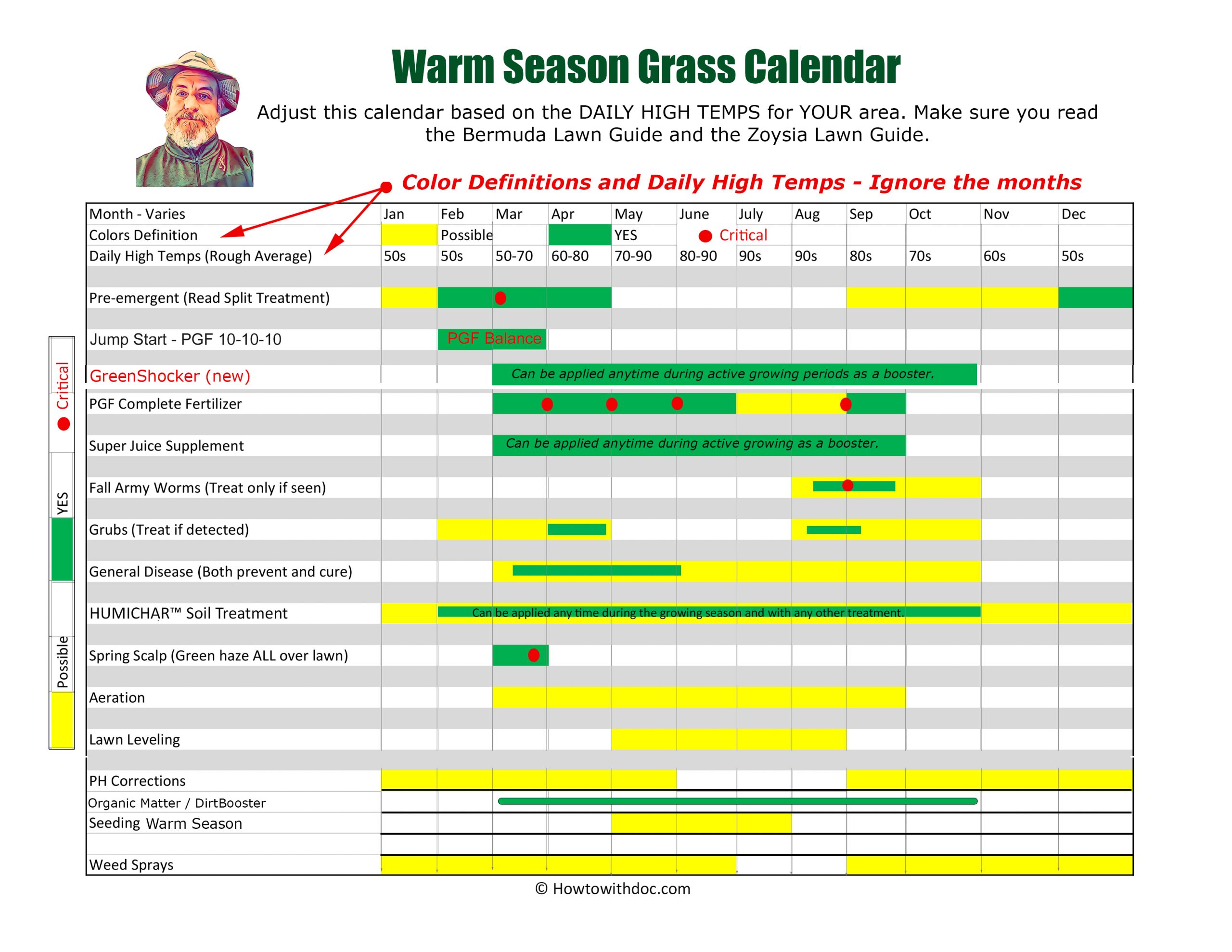
Timing is everything. Zoysia grass needs fertilizer only during its active growing season. Applying fertilizer outside this window wastes money and can harm the lawn.
Here’s a typical annual schedule:
Early Spring: Pre-green-up
Zoysia wakes up later than other grasses. Avoid fertilizing before the grass turns green. Applying fertilizer too soon feeds weeds, not Zoysia.
- When: After soil temperature reaches 55°F and grass shows 50% green-up (usually late April to early May)
- What: Apply a light dose of slow-release nitrogen (0.5–1 lb N per 1,000 sq ft)
- Why: Supports early growth without overstimulation
Late Spring: Full Green-up
Once Zoysia is fully green, it’s ready for a stronger feeding.
- When: 3–4 weeks after initial green-up (mid to late May)
- What: Apply balanced fertilizer (1 lb N per 1,000 sq ft)
- Why: Builds leaf density, helps crowd out weeds
Summer: Peak Growth
Zoysia thrives in warm weather. This is the main feeding time.
- When: June to August, every 6–8 weeks
- What: Apply nitrogen-rich or balanced fertilizer (total 1–1.5 lbs N per 1,000 sq ft per summer)
- Why: Supports thick coverage and color
Non-obvious insight: If your lawn gets heavy traffic or shows signs of stress (yellowing, thinning), switch to a slow-release formula in summer. Quick-release fertilizers can burn Zoysia during heat waves.
Early Fall: Preparing For Dormancy
Zoysia slows down as temperatures drop. Fertilizing in early fall helps build strong roots for winter.
- When: Early September, before dormancy starts
- What: Apply a high-potassium fertilizer (0.5–1 lb K per 1,000 sq ft)
- Why: Boosts cold tolerance, disease resistance
Do not fertilize after mid-September. Late feeding delays dormancy and can increase winter damage.
Winter: No Fertilizer
Zoysia goes dormant and turns brown in winter. Fertilizing now wastes nutrients and can cause runoff pollution.
Summary Table: Zoysia Fertilization Timing
| Season | Fertilizer Type | Amount | Purpose |
|---|---|---|---|
| Early Spring | Slow-release Nitrogen | 0.5–1 lb N/1,000 sq ft | Supports early growth |
| Late Spring | Balanced N-P-K | 1 lb N/1,000 sq ft | Builds density |
| Summer | Nitrogen-rich/slow-release | 1–1.5 lbs N/1,000 sq ft | Peak growth/color |
| Early Fall | High Potassium | 0.5–1 lb K/1,000 sq ft | Winter preparation |
| Winter | None | 0 lbs | Dormancy |
Credit: novogreen.net
Types Of Fertilizers For Zoysia Grass
Choosing the right fertilizer is just as important as timing. Zoysia lawns respond best to specific types depending on soil, weather, and age.
Granular Fertilizers
Granular fertilizers are easy to spread and work well for most Zoysia lawns. They come in slow-release and fast-release forms.
- Slow-release: Feeds grass over weeks/months, reduces risk of burning, fewer applications needed
- Fast-release: Immediate effect, but higher chance of burning and nutrient runoff
Tip: Use slow-release for spring and summer feedings. Reserve fast-release for quick fixes, not routine care.
Liquid Fertilizers
Liquid fertilizers are sprayed on the lawn and absorbed quickly. They work best for correcting minor nutrient problems or providing iron for greener color.
- Pros: Fast action, easy to apply with hose sprayer
- Cons: Must reapply more often, risk of over-feeding
Organic Fertilizers
Organic options like compost, manure, or fish emulsion add nutrients and improve soil health.
- Pros: Improve soil microbes, slow-release effect, reduce chemical buildup
- Cons: Lower nutrient concentration, more frequent applications needed
Non-obvious insight: Zoysia lawns benefit from a mix of organic and synthetic fertilizers. Organic matter boosts soil structure, helping roots absorb nutrients more efficiently.
Synthetic Fertilizers
Synthetic fertilizers deliver precise N-P-K ratios and are widely available. They’re best for quick results and easy measuring.
- Pros: Predictable effect, easy to control dosage
- Cons: Can build up salts in soil, risk of burning if over-applied
How To Apply Fertilizer To Zoysia Grass
Applying fertilizer the right way ensures nutrients reach the roots and don’t harm the environment.
Steps for granular fertilizer:
- Mow the lawn to 1–2 inches tall
- Water lightly a day before application
- Use a broadcast or drop spreader for even coverage
- Walk in straight lines, overlap slightly to avoid missed spots
- Water after applying to activate nutrients
Steps for liquid fertilizer:
- Mix according to label directions
- Apply with hose-end sprayer or backpack sprayer
- Avoid spraying during heat of day or windy weather
- Water lightly after application
Common mistakes:
- Applying fertilizer to dry soil (reduces absorption)
- Using too much product (risk of burning)
- Fertilizing before rain (washes nutrients away)
- Not calibrating your spreader (uneven coverage)
Non-obvious insight: For best results, split your annual nitrogen amount into 2–3 smaller applications instead of one heavy dose. Zoysia absorbs nutrients slowly; smaller feedings reduce waste and risk.
Comparing Zoysia With Other Warm-season Grasses
Many homeowners wonder how Zoysia compares to Bermuda or St. Augustine in terms of fertilization needs. Here’s a clear comparison:
| Grass Type | Nitrogen/year | Fertilization Frequency | Growth Rate | Risk of Thatch |
|---|---|---|---|---|
| Zoysia | 2–3 lbs/1,000 sq ft | 3–4 times/year | Slow | Medium |
| Bermuda | 4–6 lbs/1,000 sq ft | 4–6 times/year | Fast | High |
| St. Augustine | 3–4 lbs/1,000 sq ft | 3–4 times/year | Medium | Low |
Zoysia needs less fertilizer than Bermuda, and grows more slowly. This makes it easier to care for, but also means you must avoid over-feeding. St. Augustine is less prone to thatch, but Zoysia can build up thatch if fertilized too often.
Adjusting Your Schedule For Climate And Soil
Your region and soil type affect how you fertilize Zoysia. Here’s how to fine-tune your plan:
Humid Climates
In regions with high rainfall, nutrients wash away faster. You may need to fertilize a bit more often, but use slow-release formulas to prevent runoff.
Dry/hot Climates
Zoysia is drought-tolerant, but dry conditions slow nutrient absorption. Water deeply before and after fertilizing. Avoid fast-release products in summer heat.
Sandy Soils
Sandy soils lose nutrients quickly. Use more frequent, lighter applications and add organic matter to improve retention.
Clay Soils
Clay holds nutrients well, but can become compacted. Aerate the lawn annually to help roots absorb fertilizer.
Non-obvious insight: If your lawn sits on a slope, apply fertilizer on calm days and water gently to avoid runoff. Sloped lawns lose nutrients faster, so split applications are best.
Recognizing Signs Of Under- Or Over-fertilization
Zoysia grass tells you when it’s hungry or overfed. Learn to spot these signs:
Under-fertilization:
- Pale green or yellow color
- Thin coverage, bare spots
- Slower growth
Over-fertilization:
- Burned tips, brown patches
- Excessive growth and thatch
- Weak roots, disease outbreaks
If you notice any of these signs, adjust your schedule and switch to slow-release formulas. Always follow label directions and never apply more than the recommended amount.
Practical Tips For A Healthy Zoysia Lawn
- Mow regularly: Keep Zoysia at 1–2 inches for best growth. Don’t cut more than 1/3 of the blade at once.
- Water deeply: Zoysia needs about 1 inch of water per week. Deep watering encourages strong roots.
- Aerate annually: Aeration helps fertilizer reach roots and prevents compaction.
- Control weeds: Fertilize only when Zoysia is growing, so it can outcompete weeds.
- Use iron supplements: If your lawn looks yellow, apply an iron-rich product for greener color.
- Rotate fertilizers: Switch between synthetic and organic options to balance soil health.
- Monitor for disease: Over-fertilization can increase risk of fungus and pests.
- Spread fertilizer evenly: Uneven coverage causes patchy growth and waste.
- Test soil regularly: Update your plan every 2–3 years based on test results.
Credit: www.zoysialawnguide.com
Example Fertilization Plan For Zoysia Grass
Here’s a sample plan for a 5,000 sq ft Zoysia lawn in a typical US climate:
- Early May: 2.5 lbs slow-release nitrogen (15-0-15)
- Late May: 5 lbs balanced fertilizer (16-4-8)
- July: 5 lbs slow-release nitrogen (10-1-14)
- Early September: 2.5 lbs high-potassium fertilizer (0-0-22)
- October–April: No fertilizer
How to calculate amount: If your fertilizer is 15% nitrogen and you want to apply 1 lb N per 1,000 sq ft, use this formula:
- 1 lb / 0.15 = 6.67 lbs fertilizer per 1,000 sq ft
Multiply by your lawn size to get the total amount.
Comparing Slow-release Vs. Quick-release Fertilizers
Choosing between slow-release and quick-release can be tricky. Here’s a direct comparison:
| Type | Effect Duration | Risk of Burning | Application Frequency | Cost |
|---|---|---|---|---|
| Slow-Release | 6–12 weeks | Low | 2–3 times/year | Higher |
| Quick-Release | 2–4 weeks | High | 4–6 times/year | Lower |
Slow-release is safer for Zoysia, especially in hot climates. Quick-release works for emergencies, but must be used carefully.
Mistakes To Avoid When Fertilizing Zoysia
- Fertilizing too early: Wait until grass is at least 50% green.
- Applying too much nitrogen: Causes thatch and disease.
- Skipping soil tests: Leads to wasted nutrients or deficiencies.
- Ignoring watering: Fertilizer needs moisture to work.
- Using wrong spreader: Causes uneven coverage.
- Fertilizing during rain: Nutrients wash away, harming environment.
- Overlapping applications: Double doses can burn grass.
Many homeowners make these mistakes because they treat Zoysia like other grasses. Remember, Zoysia has unique needs and rewards careful planning.
Environmentally Friendly Fertilization Practices
Protecting your local environment is important. Here’s how to fertilize Zoysia responsibly:
- Use slow-release fertilizers to reduce runoff
- Avoid fertilizing near streams, ponds, or storm drains
- Water lightly after application, not heavily
- Sweep up spilled fertilizer from sidewalks and driveways
- Choose organic options when possible
For more details on sustainable lawn care, visit EPA Lawn Care.
Credit: hgic.clemson.edu
Frequently Asked Questions
How Often Should I Fertilize Zoysia Grass?
Most Zoysia lawns need fertilizer 3–4 times per year—once in early spring, late spring, summer, and early fall. Adjust based on your soil test and climate.
What Is The Best Fertilizer For Zoysia Grass?
The best fertilizer has a balanced N-P-K ratio like 16-4-8 or 15-0-15. Use slow-release formulas for routine care and iron supplements if your lawn looks yellow.
Can I Use Organic Fertilizer For Zoysia?
Yes, organic fertilizers like compost or fish emulsion work well. They improve soil health and provide slow-release nutrients. Combine with synthetic fertilizers for best results.
How Do I Prevent Fertilizer Burn On Zoysia?
To prevent burn, water before and after applying fertilizer, use slow-release products, and follow label directions. Never apply more than recommended.
Is It Safe To Fertilize Zoysia During Summer?
Yes, but use slow-release fertilizer and avoid applying during extreme heat. Water deeply and split applications if your soil is sandy or your lawn gets heavy traffic.
—
Fertilizing Zoysia grass is more than just dropping nutrients on your lawn. It’s a careful dance of timing, type, and technique. By understanding Zoysia’s unique needs, testing your soil, and following a clear schedule, you can achieve a lush, healthy lawn that stands out in your neighborhood.
Remember to adjust your plan based on climate, soil, and lawn age. Avoid common mistakes, and always choose environmentally friendly practices. With these steps, your Zoysia will reward you with years of beautiful, trouble-free growth.