
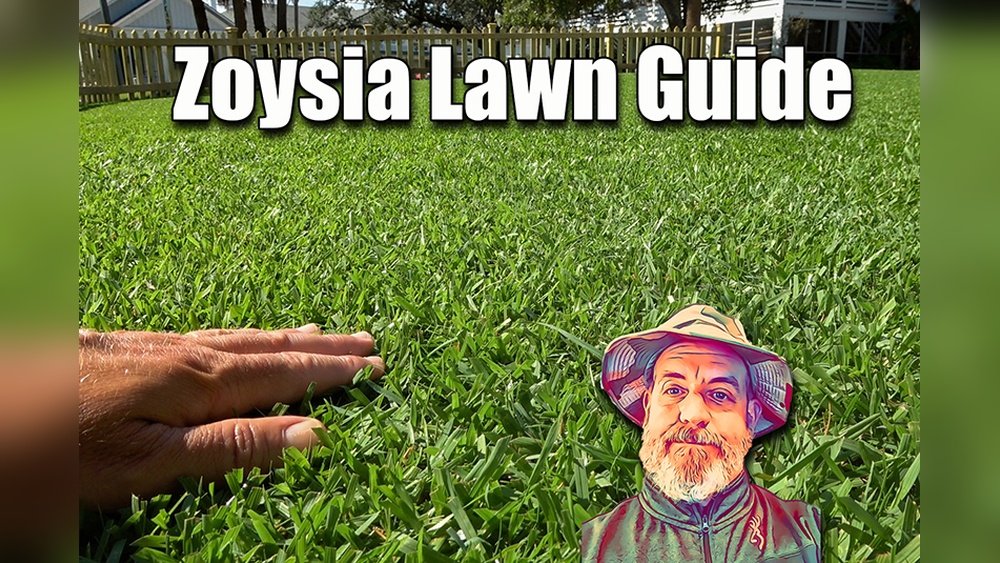
If you want a lush, green lawn that stands out in your Austin, Texas neighborhood, learning how to care for Zoysia grass is a smart move. This tough, warm-season grass thrives in the Texas heat but needs the right care to look its best year-round.
Whether you’re new to Zoysia or looking to improve your lawn care routine, this guide gives you simple, effective tips to keep your grass healthy and vibrant. Ready to turn your lawn into the envy of the block? Let’s dive into everything you need to know about caring for your Zoysia grass.
Credit: www.youtube.com
Zoysia Grass Basics
Zoysia grass is a popular choice for lawns in warm climates. It grows slowly but forms a thick, dense carpet. This grass type adapts well to many soil conditions. Its deep roots help it survive drought and heat. Understanding Zoysia grass basics helps you keep your lawn healthy and attractive.
Knowing its characteristics and common challenges makes lawn care easier. This guide covers essential points for maintaining Zoysia grass effectively.
Characteristics And Benefits
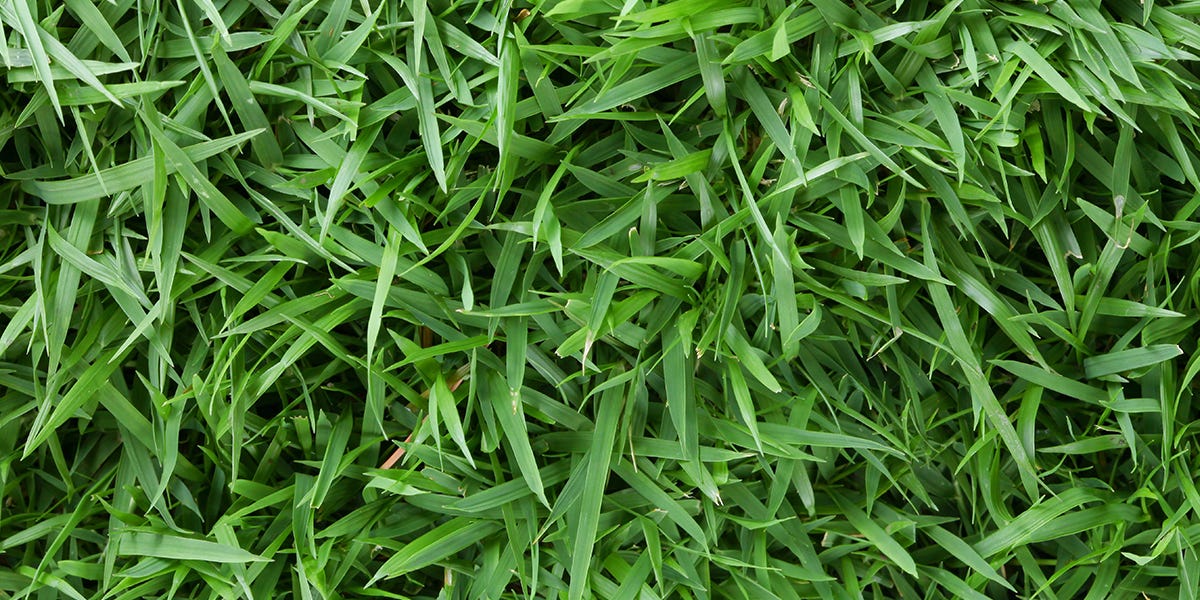
Zoysia grass has fine to medium blades with a soft texture. It spreads by runners, filling bare spots naturally. Its dense growth blocks weeds from taking hold. This grass stays green longer in warm seasons. It recovers quickly from foot traffic and mowing. Zoysia uses water efficiently, needing less irrigation than many grasses. It also tolerates heat and moderate shade well. Many homeowners choose Zoysia for its durability and beauty.
Common Challenges
Zoysia grass grows slowly, which means it takes time to fill in. It may go dormant and turn brown in cold weather. Shade can limit its growth and cause thinning. Heavy foot traffic may damage the grass during dormancy. Pests like grubs and fungal diseases can affect it. Poor soil drainage leads to root problems. Proper care and attention help prevent these issues and keep Zoysia healthy.
Planting Zoysia Grass
Planting Zoysia grass requires careful attention to timing and preparation. This grass type thrives best when planted under the right conditions. Proper soil setup and choosing the correct planting method ensure healthy growth and a lush lawn.
Ideal Planting Time
Plant Zoysia grass in late spring or early summer. This timing follows the last frost date. Warm soil helps the grass establish quickly. Planting during these months gives Zoysia the best chance to grow strong before cooler weather.
Soil Preparation
Start by clearing the area of weeds and debris. Loosen the soil to a depth of about 4 to 6 inches. Adding organic matter, such as compost, improves soil texture and nutrients. Test the soil pH and adjust it to between 6.0 and 6.5 for optimal growth. Level the soil surface to avoid water pooling.
Planting Methods
Zoysia grass can be planted using sod, plugs, or sprigs. Sod offers the fastest lawn coverage but costs more. Plugs and sprigs are slower but more affordable options. Place plugs or sprigs 6 to 12 inches apart for best results. Water the planted area immediately and keep it moist until roots develop.
Watering Tips
Watering plays a key role in keeping your Zoysia grass healthy and green. Too little water can dry out the lawn, while too much can cause root problems. This section offers simple tips to help you water your Zoysia grass properly for the best results.
Optimal Watering Schedule
Water Zoysia grass deeply but less often. Aim for about 1 inch of water each week. Early morning is the best time to water. It helps the grass absorb moisture and reduces disease risk. During hot, dry periods, increase watering frequency slightly. Reduce watering in cooler months to avoid overwatering.
Signs Of Overwatering And Underwatering
Watch your lawn for signs of watering problems. Overwatered Zoysia may have soft, spongy soil and yellowing grass. Puddles or runoff also show too much water. Underwatered grass looks dry and brown. It may wilt or feel brittle underfoot. Adjust your watering based on these signs to keep your lawn healthy.

Credit: theturfgrassgroup.com
Mowing Techniques
Mowing is a key part of caring for Zoysia grass. Proper mowing keeps the lawn healthy and looking neat. Cutting the grass too short or too often can harm its growth. Knowing the right height and frequency improves the lawn’s thickness and color.
Recommended Mowing Height
Zoysia grass grows best when cut between 1 and 2 inches tall. Keeping this height helps the grass develop strong roots. Cutting higher can reduce stress and improve drought resistance. Avoid cutting below 1 inch to prevent damage and thinning.
Adjust the mower height as the seasons change. In hot summer months, mow slightly higher to protect grass blades. During cooler months, maintain the regular height for steady growth.
Frequency And Tools
Mow Zoysia grass once a week during the growing season. This keeps the lawn even and stops the grass from getting too long. Less frequent mowing can cause scalping and weaken the turf.
Use a sharp blade on your mower for clean cuts. Dull blades tear grass and increase disease risk. Choose a reel mower or a rotary mower with adjustable height for best results.
Clear grass clippings if they build up too thick. Leaving small clippings helps return nutrients to the soil. Remove clumps to avoid blocking sunlight and air circulation.
Fertilizing Your Lawn
Fertilizing your Zoysia lawn is key to keeping it healthy and green. Proper nutrients help the grass grow strong and resist weeds and pests. Feeding your lawn at the right time and with the right fertilizer makes a big difference.
Understanding the best fertilizer types, when to apply them, and natural options can improve your lawn’s health. Follow these simple steps to give your Zoysia grass the nutrients it needs.
Best Fertilizer Types
Choose a fertilizer with a balanced mix of nitrogen, phosphorus, and potassium. Nitrogen helps the grass grow thick and green. Phosphorus supports root development. Potassium strengthens the grass against stress.
Slow-release fertilizers work well for Zoysia grass. They provide nutrients over time and reduce the chance of burning the lawn. Avoid high nitrogen fertilizers as they can cause rapid growth and weak roots.
Application Timing
Fertilize your Zoysia lawn in late spring and early summer. This is when the grass starts growing actively. Apply fertilizer every six to eight weeks during the growing season.
Stop fertilizing in late summer to let the grass prepare for dormancy. Avoid feeding in winter because the grass is not active and will not use the nutrients.
Using Natural Amendments
Natural amendments improve soil health and feed your lawn gently. Compost adds organic matter and beneficial microbes to the soil. It helps retain moisture and nutrients.
Applying coffee grounds in small amounts can provide nitrogen. Use them sparingly and mix well into the soil. Avoid relying only on natural amendments for all fertilizer needs.
Weed Control Strategies
Managing pests and diseases is essential for a healthy Zoysia grass lawn. Pests and diseases can damage the grass, causing brown spots and thinning areas. Early detection helps keep your lawn green and strong. Understanding common problems and how to treat them keeps your Zoysia grass thriving.
Common Issues
Zoysia grass often faces pests like chinch bugs and sod webworms. These insects feed on grass blades, leaving dry patches. Diseases such as brown patch and dollar spot also affect Zoysia lawns. Brown patch causes circular dead spots, while dollar spot shows small, silver spots on the grass. Poor drainage and high humidity increase disease risk. Watch for these signs to catch problems early.
Treatment Options
Use insecticides to control chinch bugs and webworms. Apply treatments in early morning or late evening for best results. For fungal diseases, use fungicides labeled for Zoysia grass. Improve lawn drainage and avoid overwatering to reduce disease chances. Mow regularly and remove thatch to keep grass healthy. Healthy grass resists pests and diseases better. Follow product instructions carefully to protect your lawn and the environment.
Managing Pests And Diseases
Zoysia grass thrives with care tailored to each season. Following seasonal steps helps keep it healthy and green. This guide shares simple tips for every part of the year.
Spring Maintenance
Start by removing leaves and debris from the lawn. Mow the grass to about 1 to 2 inches tall. Aerate the soil to improve air and water flow. Apply a balanced fertilizer to boost new growth. Water deeply but less often to encourage roots.
Summer Care
Raise your mower blade to protect grass from heat stress. Water early in the morning to reduce evaporation. Keep the soil moist but avoid overwatering. Watch for weeds and remove them promptly. Apply fertilizer once more to maintain strength.
Fall Preparation
Lower the mower blade gradually to about 1 inch. Rake fallen leaves to prevent mold growth. Apply a slow-release fertilizer to prepare grass for winter. Overseed any bare patches to keep lawn thick. Reduce watering as temperatures cool down.
Winter Dormancy
Zoysia grass turns brown and rests during winter months. Avoid heavy foot traffic to prevent damage. Clear debris to allow sunlight to reach the soil. Do not fertilize or water much in dormancy. Prepare tools and plan for spring care.
Seasonal Care Tips
Lawn aeration and thatching are key steps in caring for Zoysia grass. They help your lawn breathe and grow strong. These practices improve soil health and remove dead grass layers. Proper aeration and thatching keep your Zoysia lawn lush and green.
Benefits Of Aeration
Aeration creates small holes in the soil. These holes let air, water, and nutrients reach the roots. It reduces soil compaction, which blocks root growth. Aeration helps roots grow deeper and stronger. It also improves drainage and reduces puddles. Your Zoysia grass will absorb fertilizer better after aeration. This leads to a healthier and thicker lawn.
When And How To Thatch
Thatching removes dead grass and organic debris from the lawn surface. A thin thatch layer is normal, but thick layers block water and nutrients. Thatch thicker than half an inch needs removal. Thatch your Zoysia grass in late spring or early summer. Use a dethatching rake or machine for best results. Thatching improves air circulation and water flow. It also helps new grass shoots grow faster.
Lawn Aeration And Thatching
Zoysia grass is popular for its lush green look and durability. But shade and heavy foot traffic can stress it. Managing these factors helps keep your lawn healthy and beautiful. Understanding how much shade Zoysia can handle and protecting areas with frequent use makes a big difference.
Shade Tolerance Limits
Zoysia grass prefers full sun. It grows best with at least 6 hours of direct sunlight daily. Too much shade causes thinning and weak growth. In heavy shade, Zoysia may turn brown and patchy. It struggles to compete with tree roots and other plants.
Choose planting spots with good sun exposure. Trim tree branches to increase light. Avoid placing Zoysia under dense canopies. For shaded areas, consider planting shade-tolerant grass types instead.
Protecting High-traffic Areas
Zoysia grass handles foot traffic well but can wear down under constant use. Heavy traffic causes soil compaction and damages grass blades. This leads to bare spots and slow recovery.
Use stepping stones or mulch paths in high-traffic zones. Rotate traffic routes to reduce stress on one spot. Aerate soil regularly to relieve compaction. Water and fertilize these areas more often to support recovery.
Credit: www.solutionsstores.com
Frequently Asked Questions
How Do You Care For Zoysia Grass In The Fall?
Mow Zoysia grass shorter before dormancy. Reduce watering gradually. Apply a balanced fertilizer early fall. Remove debris and aerate soil. Overseed bare spots if needed.
What Is The Downside To Zoysia Grass?
Zoysia grass stays brown during early spring and struggles with heavy traffic when dormant. It also has poor shade tolerance under trees.
Are Coffee Grounds Good For Zoysia?
Coffee grounds provide nitrogen and nutrients that support Zoysia growth. Use them sparingly and not as the main fertilizer.
Should You Water Zoysia Every Day?
Water Zoysia grass deeply once or twice a week, not every day. Daily watering can cause shallow roots and disease.
Conclusion
Caring for Zoysia grass takes time and simple steps. Water it deeply but not too often. Mow regularly to keep grass healthy and neat. Use fertilizer wisely to support growth and color. Remove weeds and thatch to allow air and nutrients.
Watch for pests and diseases to act early. With steady care, your Zoysia lawn will stay green and strong. Enjoy a soft, beautiful yard all year long.