
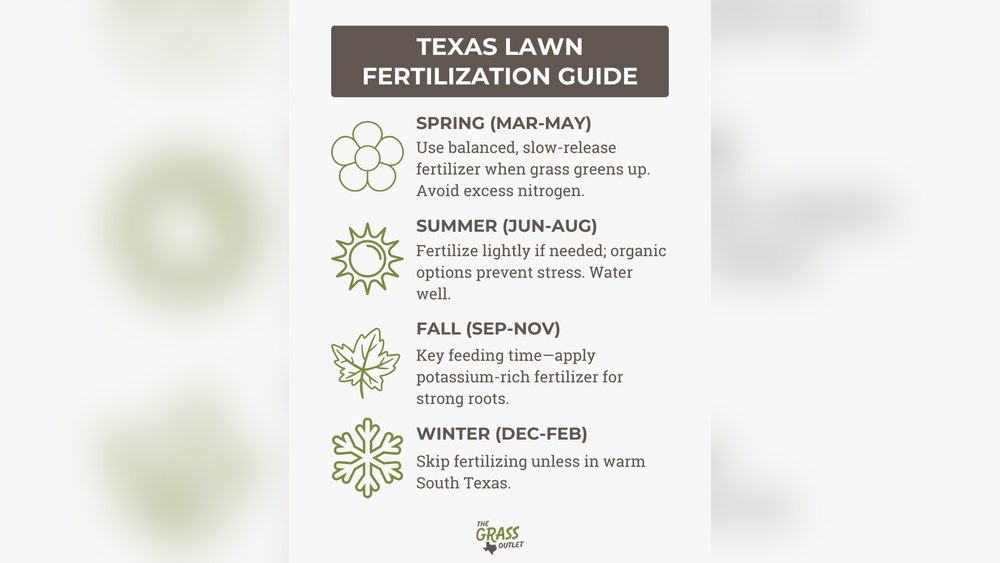
Is your lawn ready to wake up from its winter slumber? Knowing exactly when to fertilize your lawn in spring can make all the difference between a patchy yard and a lush, green carpet.
Fertilizing too early or too late can waste your effort and money, leaving your grass struggling instead of thriving. In this guide, you’ll discover the best timing to feed your lawn, how to prepare your soil, and the simple steps to ensure your grass grows healthy and strong all season long.
Keep reading to unlock the secrets that will help your lawn become the envy of your Austin neighborhood.

Credit: hort.extension.wisc.edu
Spring Fertilizing Timing
Spring fertilizing timing plays a vital role in creating a lush, green lawn. Applying fertilizer at the right moment helps grass recover from winter and supports new growth. Knowing when to fertilize ensures nutrients reach the roots for the best results. Understanding the ideal months, signs of readiness, and regional differences can guide you to perfect timing.
Ideal Months For Application
Early spring is the best time to fertilize your lawn. This period usually falls between February and April. Fertilizing too early can harm grass, while too late misses the growth boost. Applying fertilizer just as grass begins to green ensures nutrients are absorbed well.
Signs Grass Is Ready
Look for grass starting to turn green and new shoots appearing. When the lawn needs its first mow, it signals active growth. Soft soil that is easy to work with also shows readiness. These signs mean your grass can use nutrients for strong roots and healthy blades.
Regional Timing Differences
Spring fertilizing timing varies by region due to climate changes. In warmer areas, start fertilizing earlier, around late February. Cooler regions may wait until late March or April. Check local weather and soil conditions before planning your fertilizer schedule for best results.
Choosing Fertilizer Types
Choosing the right fertilizer type is key for a healthy lawn in spring. Different grasses need specific nutrients to grow strong. Selecting the correct fertilizer supports growth, color, and disease resistance. Understanding grass type helps pick the best fertilizer for your lawn.
Fertilizers For Cool-season Grasses
Cool-season grasses like fescue, rye, and bluegrass thrive in cooler temperatures. Use fertilizers with higher nitrogen content to promote green, lush growth. A slow-release nitrogen fertilizer feeds the grass steadily over time. Apply in early spring when the grass starts to grow actively. Avoid over-fertilizing to prevent leaf burn or weak roots.
Fertilizers For Warm-season Grasses
Warm-season grasses such as Bermuda, zoysia, and St. Augustine grow best in warm weather. Choose fertilizers with balanced nitrogen, phosphorus, and potassium. Apply fertilizer after the grass fully wakes up from dormancy. Use quick-release fertilizers for faster nutrient absorption. Proper timing ensures strong root development and vibrant color.
Pre-emergent Herbicide Options
Pre-emergent herbicides stop weed seeds from germinating in your lawn. Use these products early in spring before weeds appear. Many fertilizers combine with pre-emergent herbicides for convenience. Apply evenly across the lawn for best weed control. Follow label instructions to avoid harming your grass.
Soil Preparation Steps
Preparing your soil is key to a healthy lawn in spring. Good soil helps grass absorb nutrients well. It also supports strong root growth. Follow these simple steps to get your lawn ready before fertilizing. Each step improves soil condition and lawn health.
Raking And Removing Debris
Start by raking your lawn to remove dead leaves and twigs. Clearing debris lets air and water reach the soil. It also stops mold and pests from growing. Raking makes your lawn look neat and healthy. Use a stiff rake for best results.
Dethatching Benefits
Thatch is a layer of dead grass between soil and green grass. Too much thatch blocks water and nutrients. Dethatching removes this layer and helps roots breathe. It also reduces lawn diseases and improves fertilizer absorption. You can use a dethatching rake or machine for this job.
Soil Testing Importance
Test your soil to know its nutrient levels and pH. Soil testing tells you what nutrients your lawn needs. It prevents over-fertilizing and saves money. You can buy a test kit or send a sample to a lab. Use the results to pick the right fertilizer for your lawn.
Application Techniques
Applying fertilizer correctly helps your lawn absorb nutrients well. Proper techniques improve fertilizer use and protect grass health. Follow these simple steps for the best results when fertilizing in spring.
Using Spreaders Effectively
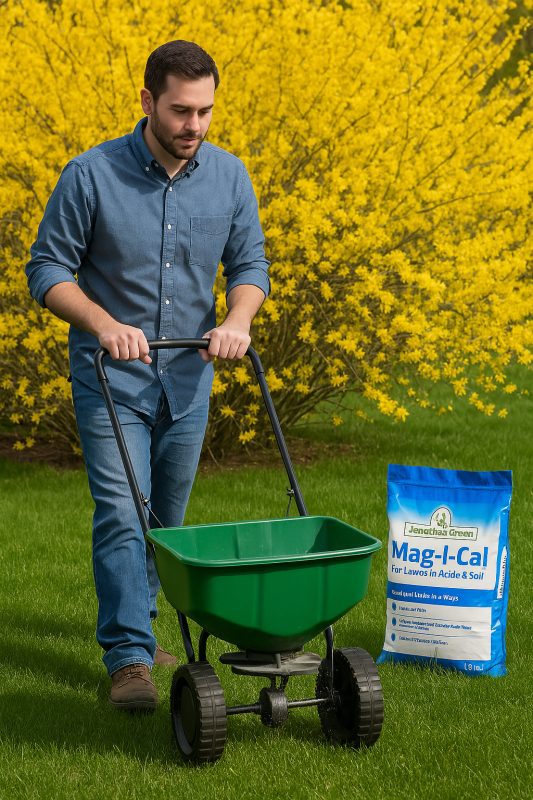
Choose the right spreader for your lawn size. Drop spreaders deliver fertilizer precisely but cover less area. Broadcast spreaders cover large areas quickly but may scatter unevenly. Calibrate your spreader before use to avoid under or over-application. Walk at a steady pace to ensure even distribution. Overlap slightly on each pass to prevent gaps.
Watering After Fertilizing
Water your lawn soon after applying fertilizer. This helps the nutrients soak into the soil and reach the roots. Light watering prevents fertilizer burn on grass blades. Avoid heavy watering that causes runoff and waste. Keep soil moist for several days for best nutrient absorption.
Avoiding Over-fertilization
Apply only the recommended amount of fertilizer. Too much fertilizer can damage grass and pollute water. Follow product instructions carefully for dosage and timing. Spread fertilizer evenly to avoid concentrated spots. Monitor your lawn’s response and adjust future applications accordingly.
Common Mistakes To Avoid
Fertilizing your lawn in spring can boost growth and green color. Avoid mistakes that waste fertilizer and harm grass. Knowing common errors helps keep your lawn healthy and strong. Read on to learn what to avoid for the best results.
Fertilizing Too Early
Applying fertilizer before grass starts growing can harm your lawn. Cold soil stops roots from absorbing nutrients. Fertilizer then sits on the surface, causing burn or runoff. Wait until grass shows signs of green and growth. This ensures nutrients reach the roots effectively.
Ignoring Weather Conditions
Fertilizing before rain can wash away nutrients quickly. Heavy rain can cause runoff, polluting local waterways. Fertilizing during drought stresses grass and wastes fertilizer. Check the forecast and choose a calm, mild day. This helps fertilizer absorb into the soil properly.
Skipping Soil Moisture Checks
Dry soil reduces fertilizer effectiveness. Nutrients need moisture to reach grass roots. Applying fertilizer on dry ground can burn the lawn. Test soil moisture by digging a small hole. Water your lawn if the soil feels dry before fertilizing. Moist soil helps fertilizer work well and supports healthy growth.
Credit: 16acresgardencenter.com
Fall Fertilizing Impact
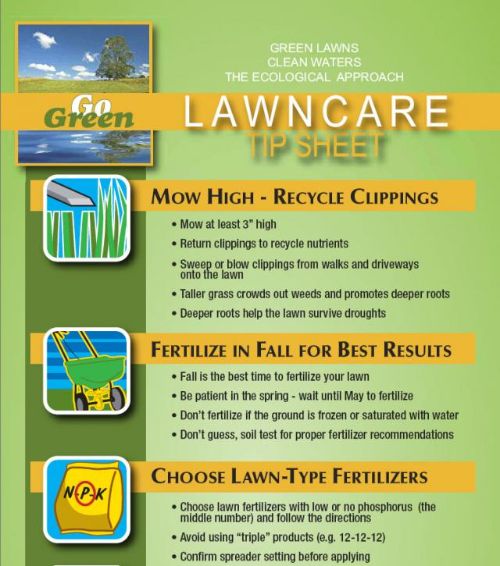
Fall fertilizing plays a key role in lawn health. It prepares grass for winter’s stress and jumpstarts growth in spring. Applying fertilizer in autumn feeds roots and strengthens grass before cold weather arrives. This practice helps lawns stay green longer and bounce back faster when warmer days return.
Benefits Of Autumn Applications
Fertilizing in fall boosts root growth, not just leaves. Strong roots store nutrients and water for winter survival. Grass uses these reserves to grow quickly in spring. Autumn fertilizer also improves lawn color and density. It helps grass fight diseases and recover from summer damage.
Timing For Fall Fertilizer
The best time to fertilize is after the heat of summer fades. For warm-season grasses, apply fertilizer in early fall before dormancy. Cool-season grasses need fertilizer in late fall, around October or November. Stop fertilizing a few weeks before the ground freezes. This timing allows grass to absorb nutrients fully.
Preparing Lawn For Winter
Fall fertilizer strengthens grass for winter cold and frost. It reduces winter damage and lawn thinning. Fertilizer helps grass build energy reserves for spring growth. Mow the lawn at a medium height before applying fertilizer. Remove leaves and debris to ensure nutrients reach the soil.
Credit: www.canr.msu.edu
Frequently Asked Questions
When Should You First Fertilize Your Lawn In The Spring?
Fertilize your lawn early spring, between February and April, when grass begins to green and grow actively. Apply after the first mow for best results.
Is October Too Late To Fertilize Grass?
October is not too late to fertilize grass. Fall fertilization boosts root growth and prepares lawns for spring green-up. Apply before the ground freezes to ensure nutrient absorption. Cool-season grasses benefit most from October fertilization, while warm-season grasses need earlier treatment.
What Is The First Thing I Should Put On My Lawn In The Spring?
Apply a balanced fertilizer with pre-emergent herbicide after the first spring mow to prevent weeds and boost growth.
When Should You Not Put Fertilizer On Your Lawn?
Avoid fertilizing your lawn during drought, extreme heat, or when grass is dormant. Do not apply before heavy rain or frozen ground. Fertilizing in winter or immediately after seeding can harm growth. Always wait for active grass growth and moist soil for best results.
Conclusion
Fertilizing your lawn in spring helps grass grow strong and green. Apply fertilizer when grass starts to grow and soil is workable. Avoid fertilizing too early or too late to protect your lawn. Use the right fertilizer type for your grass variety.
Regular care in spring sets your lawn up for a healthy season. Watch your lawn’s progress and adjust care as needed. A well-timed fertilizer feeds roots and supports new growth. Keep these tips in mind for a vibrant, lush lawn all spring.