
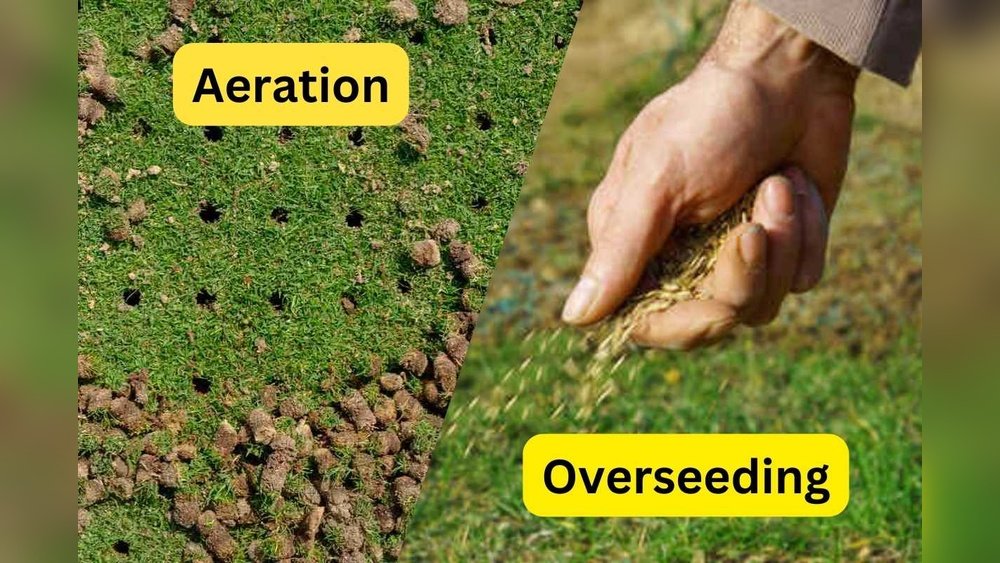
If you want a lush, green lawn this year, spring is the perfect time to take action. Aerating and overseeding your lawn now can make a huge difference in its health and appearance. By learning how to properly aerate and overseed“>aerate and overseed your lawn, you can ensure a vibrant and healthy yard. The process to aerate and overseed lawn“>aerate and overseed lawn is crucial for achieving the best results.
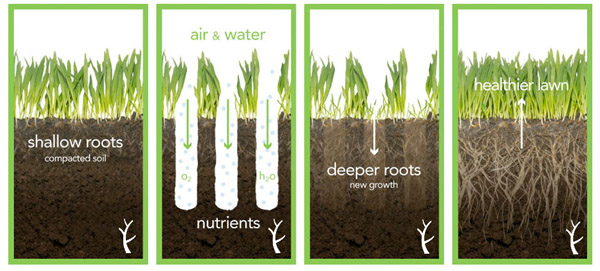
You might wonder why these steps matter or if they’re even right for your yard. The truth is, aeration helps relieve“>aeration helps relieve soil compaction, allowing water, air, and nutrients to reach your grass roots more effectively. Overseeding fills in bare spots and thickens your lawn, making it harder for weeds to take over.
In this guide, you’ll discover simple, practical steps to aerate and overseed your lawn in spring—so you can enjoy a vibrant, healthy yard all season long. Keep reading, and you’ll learn exactly what to do, when to do it, and how to get the best results for your lawn.
Spring Lawn Preparation
Preparing your lawn in spring sets the stage for healthy growth all season. It helps the grass recover from winter stress. Proper preparation improves soil health and seed contact. This makes aeration and overseeding more effective. Follow these simple steps to get your lawn ready.
Raking And Dethatching
Start by removing leaves, sticks, and debris. Use a stiff rake to clear the lawn surface. Dethatching removes the thick layer of dead grass and roots. This layer blocks water and nutrients from reaching the soil. Remove it to allow better air circulation. A clean lawn helps new seeds grow stronger.
Mowing Tips
Mow the lawn a few times before aerating and overseeding. Keep the grass height around 2 to 3 inches. Avoid cutting it too short as this stresses the grass. Use a sharp mower blade for a clean cut. Proper mowing encourages healthy roots and dense grass. It also helps seeds make good soil contact.
Soil Testing
Test your soil to check its pH and nutrient levels. A simple test kit or lab test works well. Knowing soil conditions guides your fertilizer and lime needs. Most grasses prefer a pH between 6.0 and 7.0. Correcting soil problems improves seed germination and growth. Plan your soil amendments based on test results.
Credit: blog.lushlawn.com
Aeration Basics
Aeration is a simple lawn care step that helps your grass grow strong. It involves making small holes in the soil to let air, water, and nutrients reach the roots. This process reduces soil compaction, which can stop your lawn from getting what it needs. Aeration prepares your lawn for overseeding and helps new grass seeds take root better. Understanding the basics of aeration will help you get a healthy lawn this spring.
Why Aerate In Spring
Spring aeration helps loosen tight soil after winter. It improves water absorption and nutrient flow to grass roots. Aeration also reduces thatch build-up, which blocks air and water. It prepares the lawn for new seed, making overseeding more effective. Aerating in spring gives your lawn a fresh start for the growing season.
Types Of Aerators
There are two main types of aerators: spike and core. Spike aerators poke holes in the soil but do not remove soil plugs. Core aerators pull out small plugs of soil to reduce compaction better. Core aerators are best for lawns with heavy soil or a lot of thatch. Spike aerators work well for light compaction and smaller lawns. Choose the type that fits your lawn’s needs.
When To Aerate
Spring is a good time to aerate cool-season grasses like fescue and bluegrass. Aerate after the soil thaws but before the heat arrives. The best time is when the soil is moist but not soggy. Avoid aerating during drought or very hot weather. Aerating too late in spring may stress the grass. Plan aeration early to give your lawn time to recover.
Overseeding Steps
Overseeding your lawn in spring is essential for maintaining a thick, healthy turf. It involves spreading grass seed over an existing lawn to fill in bare spots and improve density. This process complements aeration by ensuring that new seeds have the best chance to germinate and grow.