
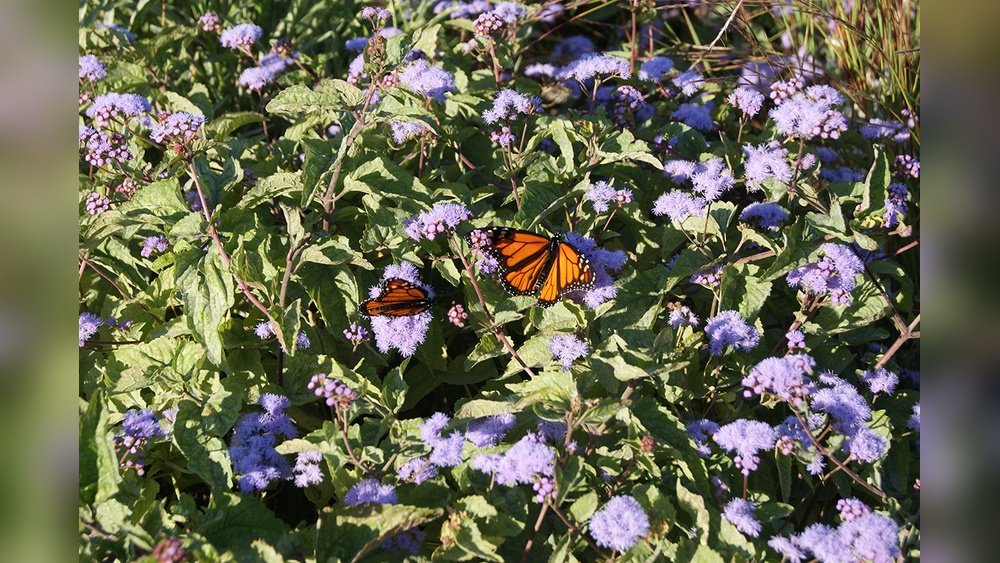
Are you ready to transform your outdoor space into a vibrant haven buzzing with life? Creating a pollinator garden is one of the easiest and most rewarding ways to support bees, butterflies, and other essential pollinators right in your own backyard.
Imagine watching colorful flowers attract busy pollinators while you enjoy a garden full of beauty and purpose. In this guide, you’ll discover simple, step-by-step tips to design and grow a garden that not only looks amazing but also helps protect the environment.
Keep reading to learn how you can make a real difference—one flower at a time.

Credit: www.pulsedesign.com
Choosing The Perfect Spot
Choosing the perfect spot is a key step in creating a pollinator garden. The location affects how well your plants grow and how many pollinators visit. Thoughtful placement helps provide food, shelter, and safety for bees, butterflies, and other pollinators. Keep these factors in mind to select the best garden site.
Sunlight And Shelter Needs
Most pollinator plants need at least six hours of sunlight daily. A sunny spot helps flowers bloom fully and produces more nectar. Shelter is also important. Choose a place protected from strong winds and heavy rain. Trees or shrubs nearby can act as natural windbreaks. This makes the garden inviting and safe for pollinators.
Avoiding Pesticide Exposure
Pollinators are very sensitive to chemicals. Avoid areas near lawns or crops treated with pesticides. These chemicals can harm or kill bees and butterflies. Choose a spot away from roads or industrial zones where spray drift might occur. Use organic or natural methods to keep pests away in your garden.
Considering Garden Size
The size of your garden affects what plants you can grow. Even a small area can support many pollinators if planned well. Larger spaces allow for more plant variety and longer blooming times. Think about how much space you have and how much time you can spend caring for the garden. Start small and expand later if needed.

Credit: www.amazon.com

Credit: www.pollinatorprojectroguevalley.org
Frequently Asked Questions
What Plants Attract Pollinators Best?
Native flowering plants with diverse bloom times attract pollinators effectively. Include species that bloom from early spring to late fall to provide continuous food sources.
How Do I Prepare My Garden For Pollinators?
Clear weeds and loosen the soil to create a healthy garden bed. Adding organic matter improves soil quality and supports pollinator-friendly plant growth.
Where Is The Best Location For A Pollinator Garden?
Choose a sunny spot with at least six hours of sunlight daily. Avoid areas with heavy foot traffic or strong winds for better pollinator activity.
Why Should I Plant In Clumps Rather Than Singles?
Planting in clusters makes flowers more visible and accessible to pollinators. Clumps provide efficient foraging and encourage more visits from bees and butterflies.
Conclusion
Creating a pollinator garden helps support bees, butterflies, and other pollinators. Choose native plants that bloom at different times for best results. Plant flowers in groups to attract more pollinators. Avoid pesticides to keep your garden safe and healthy. Watching your garden grow brings joy and benefits nature.
Start small, learn as you go, and enjoy the process. Your efforts will make a positive impact on the environment. Pollinator gardens are simple, rewarding, and essential for wildlife. Give it a try and help nature thrive in your space.