
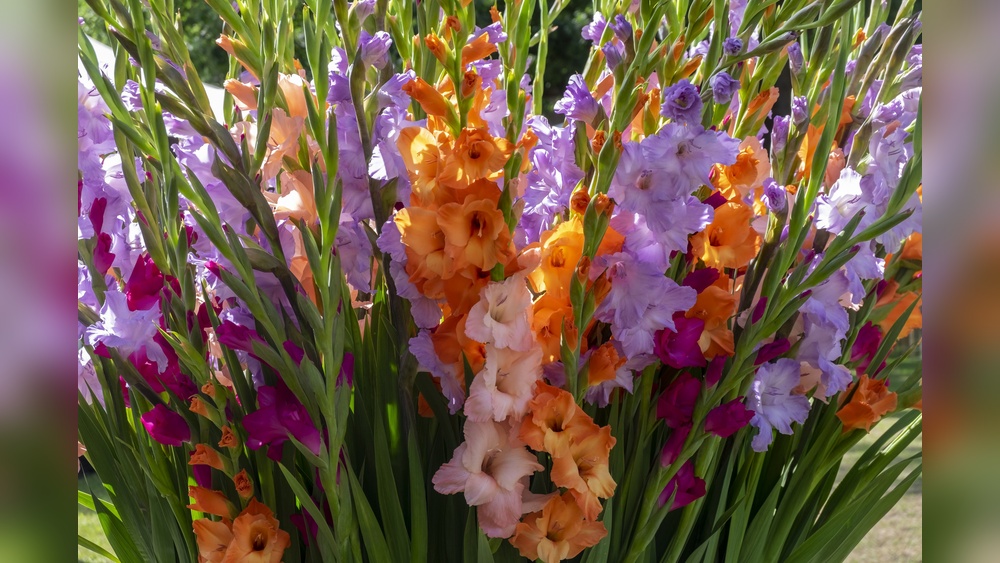
Are you ready to add tall, striking blooms to your garden that will turn heads all season long? Planting gladiolus bulbs is an easy way to achieve vibrant, colorful spikes that bring life and elegance to any outdoor space.
But if you’re not sure where to start or how to get the best results, this guide is made just for you. You’ll discover simple steps to plant your gladiolus bulbs correctly, tips for nurturing them, and tricks to enjoy continuous blooms throughout the summer.
Keep reading, and soon you’ll be growing gladiolus flowers that make your garden the envy of Austin, Texas, or wherever you call home.

Credit: www.dutchgrown.com
Choosing Bulbs
Choosing the right gladiolus bulbs is the first step to a vibrant garden. Healthy bulbs grow strong plants and beautiful flowers. Pay close attention to their condition before planting. Good bulbs give your gladiolus the best start.
Selecting Healthy Corms
Pick corms that are firm and plump. Avoid soft, shriveled, or moldy ones. The skin should be dry and free of cracks. Larger corms usually produce taller flowers with more blooms. Inspect each corm carefully for any signs of damage or disease. Healthy corms store energy for strong growth.
Soaking Bulbs Before Planting
Soaking gladiolus bulbs helps speed up growth. Use lukewarm water and soak bulbs for about 4 to 6 hours. This process softens the skin and wakes up the bulb. Do not soak for too long to avoid rotting. After soaking, plant bulbs immediately in well-drained soil. This simple step leads to better root development and quicker blooms.
:strip_icc()/pink-gladiolus-flowers-04c9dde2-33b0229da3174967ae05fd5056527e68.jpg)
Credit: www.bhg.com
Best Planting Time
Choosing the best time to plant gladiolus bulbs is key to growing healthy flowers. Timing affects how well the bulbs sprout and bloom. Planting too early or too late can harm growth and delay flowering. Understanding the right moment helps the gladiolus thrive in your garden.
Planting depends on weather and soil conditions. Gladiolus bulbs need warm soil and no risk of frost. Knowing when to start and stop planting ensures a full season of beautiful blooms.
After Last Frost
Plant gladiolus bulbs after the last frost date in your area. Frost can damage the bulbs and stop growth. Wait until the danger of frost passes completely. In Austin, Texas, this is usually in mid to late March. Check local frost dates to be sure.
Ideal Soil Temperature
The soil should be warm enough before planting gladiolus bulbs. Aim for a soil temperature of 60°F (15°C) or higher. Warm soil helps bulbs sprout quickly and develop strong roots. Use a soil thermometer or check online for soil temperature in your area.
When To Stop Planting
Stop planting gladiolus bulbs about 10 to 12 weeks before the first expected frost. Planting too late means bulbs may not bloom before cold weather. In Austin, Texas, this usually means stopping planting by early July. This timing helps bulbs mature and produce vibrant flowers.
Preparing The Site
Preparing the site is a key step for planting gladiolus bulbs. Good preparation helps the bulbs grow strong and produce beautiful flowers. The right soil, sunlight, and drainage make a big difference. Take time to set up your garden bed before planting. This ensures healthy growth and vibrant blooms.
Soil Requirements
Gladiolus bulbs prefer loose, well-drained soil. Sandy loam or garden soil mixed with compost works well. The soil should be rich in nutrients but not too heavy. Avoid clay soil because it holds water and may cause bulbs to rot. Test the soil pH; it should be between 6.0 and 7.0 for best results. If needed, add organic matter to improve soil quality.
Sunlight And Location
Choose a spot that gets full sunlight. Gladiolus need at least six hours of direct sun each day. A sunny location helps bulbs grow strong and flowers to open fully. Avoid planting under trees or in shaded areas. Keep the site away from strong winds that can damage tall flower spikes. A sheltered but sunny place is ideal.
Improving Drainage
Good drainage prevents water from standing around the bulbs. Waterlogged soil can cause bulbs to rot. If your garden soil is heavy, raise the planting bed. Mix in sand, gravel, or organic matter to improve drainage. You can also plant gladiolus in raised beds or containers. Check drainage by watering the site and watching how fast water soaks in.

Credit: www.brecks.com
Planting Methods
Planting gladiolus bulbs correctly helps them grow strong and bloom beautifully. Choosing the right planting method is key. It affects how well the bulbs develop and how easy it is to care for the plants. This guide covers simple ways to plant gladiolus bulbs for a colorful garden.
Individual Holes Vs. Trench Method
Planting bulbs in individual holes means digging separate spots for each bulb. This method works well for small gardens or when planting a few bulbs. It allows precise control over spacing and depth.
The trench method involves digging a long, shallow trench and placing bulbs in a row. This method suits larger areas and creates a neat, uniform look. It also saves time when planting many bulbs.
Planting Depth
Plant gladiolus bulbs about 4 to 6 inches deep. The depth protects bulbs from frost and helps roots grow strong. Deeper planting also supports tall flower spikes, keeping them upright.
Cover bulbs gently with soil and water them well after planting. Avoid planting too shallow, or bulbs may dry out or freeze.
Spacing For Effect
Space bulbs 6 to 8 inches apart for a full, lush display. Closer spacing creates a dramatic flower show but may need extra care. Wider spacing allows better air flow and reduces disease risk.
For a natural look, stagger bulbs in rows or groups. This approach adds visual interest and makes the garden appear more vibrant.
Watering And Feeding
Watering and feeding gladiolus bulbs properly helps them grow strong and bloom beautifully. These plants need the right amount of moisture and nutrients. Too much water can cause bulbs to rot, while too little can stop growth. Feeding provides essential nutrients for vibrant flowers and healthy leaves. Follow simple steps to care for your gladiolus after planting.
Initial Watering
After planting, water the soil gently but deeply. This helps settle the soil around the bulbs. Keep the soil moist but not soggy for the first few weeks. Water every few days, depending on rainfall and temperature. Avoid overwatering to prevent bulb rot. Once shoots appear, reduce watering slightly.
Fertilizing Tips
Feed gladiolus bulbs with a balanced fertilizer to boost growth. Use a fertilizer with equal parts nitrogen, phosphorus, and potassium. Apply fertilizer at planting and again when shoots reach 6 inches tall. Avoid high-nitrogen fertilizers, which cause too much leaf growth. Feed every 4 to 6 weeks during the growing season for best results.
Care During Growth
Proper care during the growth phase is vital for healthy gladiolus plants. Gladiolus need support, timely planting, and protection to thrive. These steps help your flowers grow tall and bloom beautifully. Follow simple care tips to enjoy a vibrant garden full of gladiolus.
Staking Tall Varieties
Tall gladiolus varieties often need staking to stand upright. Use bamboo sticks or garden stakes near the plants. Tie the stems gently with soft twine or plant ties. This support prevents the flowers from bending or breaking in wind or rain. Place stakes early before plants grow too tall. Check ties regularly to avoid cutting into stems.
Succession Planting
Plant gladiolus bulbs every two weeks until mid-summer. This method creates continuous blooms throughout the season. Succession planting spreads the flowering time, giving your garden color for a longer period. Use fresh soil and keep the bulbs moist after planting. This helps young shoots emerge strong and healthy.
Pest And Disease Control
Watch gladiolus plants for pests like thrips and aphids. Remove insects by hand or use insecticidal soap if needed. Keep the garden clean by removing dead leaves and debris. This reduces disease risk and pests hiding spots. Water plants at the base to avoid wetting leaves. Good air circulation also helps prevent fungal infections.
Harvesting And Storage
Harvesting and storing gladiolus bulbs properly ensures vibrant blooms year after year. Knowing the right time to cut flowers and how to handle the corms after the season is key. Careful storage prevents damage and prepares your bulbs for the next planting cycle.
When To Cut Flowers
Cut gladiolus flowers when the lowest blooms start to open. This stage shows the best color and freshness. Use sharp scissors or garden shears to avoid crushing stems. Cut early in the morning for longer vase life. Leave some flowers on the spike to continue blooming in the garden.
Digging Up Corms
Dig up gladiolus corms after the foliage turns yellow and dies back. This signals the plants are dormant. Carefully lift corms with a garden fork or trowel. Avoid damaging them during removal. Gently brush off soil but do not wash the corms. Let them dry in a warm, shaded area for a few days.
Storing For Next Season
Store gladiolus corms in a cool, dry place with good air circulation. Use paper bags, mesh bags, or boxes with ventilation holes. Keep the temperature around 50°F (10°C). Check corms regularly for mold or softness. Remove any damaged corms to protect the healthy ones. Proper storage keeps corms ready for planting next season.
Frequently Asked Questions
How Many Gladiolus Bulbs Should I Plant Together?
Plant 5 to 7 gladiolus bulbs together for a fuller display. Space bulbs 6 inches apart for healthy growth.
Do Gladiolus Bulbs Have To Be Dug Up Every Year?
Gladiolus bulbs should be dug up each year in colder climates to prevent frost damage. In mild areas, you can leave them in the ground. Store bulbs in a cool, dry place during winter to ensure healthy blooms next season.
What Is The Best Month To Plant Gladiolus Bulbs?
Plant gladiolus bulbs from April to early June, after the last frost. Stop planting by mid-July for best blooms.
Should I Soak Gladiolus Bulbs Before Planting?
Soak gladiolus bulbs in water for 2-4 hours before planting to boost faster sprouting and stronger growth.
Conclusion
Planting gladiolus bulbs brings vibrant color to your garden. Choose a sunny spot with well-drained soil. Plant bulbs at the right depth and spacing for healthy growth. Water regularly but avoid overwatering. Support tall stems with stakes when needed. Plant new bulbs every few weeks for continuous blooms.
Enjoy the bright, tall flowers through the summer months. With simple care, your gladiolus will thrive and brighten your garden space. Happy gardening!