
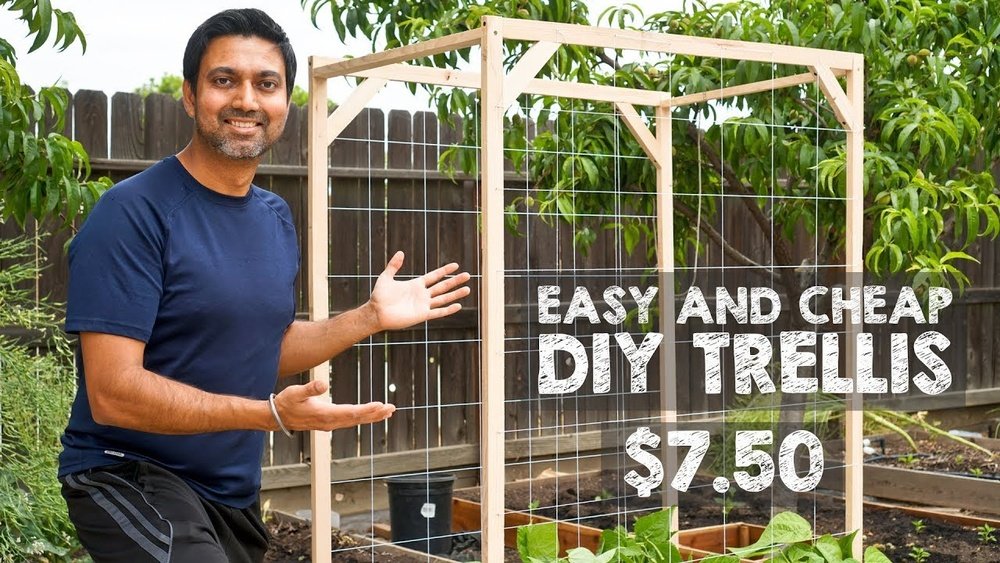
Are you looking for a simple way to support your climbing plants without spending a fortune? Building your own garden trellis can be a fun and affordable project that transforms your garden while saving you money.
Imagine creating a sturdy, custom-sized trellis using materials you might already have or can get for just a few dollars. Whether you want to grow beans, cucumbers, or peas, a DIY trellis gives your plants the perfect structure to climb and thrive.
In this guide, you’ll discover easy, budget-friendly methods to build a garden trellis that fits your space and style. Ready to make your garden grow up and out without breaking the bank? Keep reading and learn how to build a garden trellis DIY cheap!
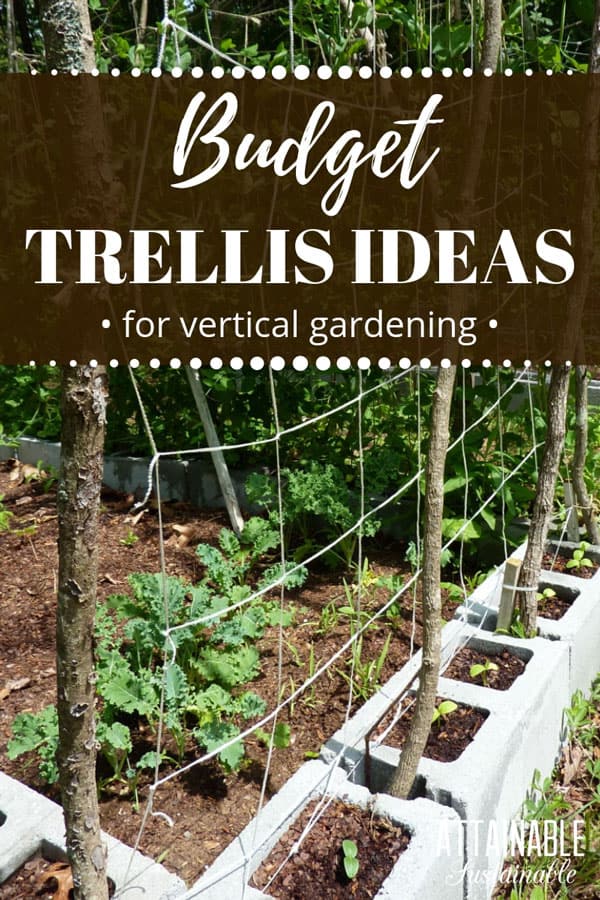
Credit: www.attainable-sustainable.net
Benefits Of Diy Trellis
Building your own garden trellis offers many benefits beyond saving money. A DIY trellis fits your garden’s unique needs perfectly. You control the size, shape, and materials. This flexibility helps you grow plants in the best way possible. Plus, homemade trellises often last longer and stand stronger than cheap store versions. Using recycled materials also helps reduce waste and keeps costs down. These advantages make DIY trellises a smart and rewarding choice for any gardener.
Customization Options
Design the trellis to match your garden space exactly. Choose the height and width based on your plants’ needs. Pick the style that suits your garden’s look. Adjust the strength to support heavy vines or light flowers. Custom sizes help plants grow better and look tidy. You avoid fitting plants to pre-made trellises. This freedom improves garden health and appearance.
Durability Advantages
DIY trellises often use stronger materials than cheap store-bought ones. Wood, metal, or sturdy wire mesh can last many seasons. Build it solid to withstand wind and rain. Store versions may break or bend easily. A durable trellis gives steady support to climbing plants. It protects your garden investment over time. Repairing a DIY trellis is simple and affordable.
Repurposing Materials
Save money by using recycled items for your trellis. Old fence slats, sticks, or pallets work well. Twine or wire from previous projects can hold parts together. Repurposing reduces waste and lowers costs. It also adds character and charm to your garden. This eco-friendly approach makes gardening more sustainable. Plus, it turns trash into useful garden art.

Credit: www.youtube.com
Materials For Budget Trellis
Choosing the right materials for your budget trellis makes a big difference. Affordable options can be strong and long-lasting. Using simple supplies keeps costs low. Here are some popular choices to consider for your DIY garden trellis.
Bamboo And Sticks
Bamboo poles and sticks are natural and cheap. You can often find them in your backyard or local markets. Bamboo is lightweight but sturdy, perfect for supporting climbing plants. Tie them together with twine to create frames or grids. Sticks work well for small trellises and are easy to handle. Both materials blend nicely with garden settings and are eco-friendly.
Wire Mesh And Cattle Panels
Wire mesh and cattle panels are strong and versatile. They provide excellent support for heavy or fast-growing vines. You can buy wire mesh rolls or cattle panels at hardware stores for low prices. These materials last for years and resist weather damage. Use metal stakes or wooden posts to hold them upright. Their open design allows plants to climb easily while giving good airflow.
Twine And String
Twine and string are essential for tying and securing trellis parts. They cost very little and come in different strengths. Use twine to fasten sticks or bamboo poles together. String works well for creating grids or netting on frames. Natural fibers like jute or sisal are biodegradable and safe for plants. Twine adds flexibility and makes adjustments easy during construction.
Step-by-step Building Process
Building a garden trellis by yourself is a rewarding project. It saves money and adds charm to your garden. Follow the steps below to create a sturdy and functional trellis. The process is simple and uses affordable materials.
Planning Your Trellis Size
Decide the height and width of your trellis first. Consider the plants you want to support. Measure the space in your garden carefully. Choose a size that fits well and allows room for growth. Mark the dimensions on paper to guide your build.
Cutting And Preparing Materials
Gather wood, bamboo, or metal for the frame. Use a saw to cut the pieces to your planned size. Sand any rough edges to avoid splinters. Prepare twine, nails, or screws for assembly. Organize all materials before starting construction.
Assembling The Frame
Lay out the cut pieces on a flat surface. Join the vertical and horizontal parts using nails or screws. Ensure the corners are square for a neat shape. Tighten all fasteners securely to make a strong frame. Check the frame’s stability before proceeding.
Adding Support And Stability
Attach extra braces diagonally inside the frame for strength. Use sturdy twine or wire to create a grid for climbing plants. Secure the trellis firmly into the ground using stakes or anchors. Test the trellis by gently shaking it to confirm stability.
Creative Trellis Designs
Creative trellis designs add style and function to any garden. They provide support for climbing plants and enhance garden aesthetics. Building your own trellis can be simple and affordable. Explore different designs that fit your space and plant needs. These ideas help you create a unique garden feature without spending much.
Vertical Trellis
A vertical trellis is a space saver. It helps plants grow upward instead of spreading out. Use wooden stakes or bamboo poles for the frame. Attach twine, wire, or string in a grid pattern. This design works well for beans, peas, and cucumbers. It is easy to build and fits small gardens.
Arch-shaped Trellis
An arch-shaped trellis adds elegance to your garden. It creates a natural walkway or focal point. Build the frame with bendable materials like flexible branches or metal rods. Cover it with chicken wire or mesh for plant support. Climbing roses or vines grow beautifully on this shape. It also provides shade and privacy.
Hanging Trellis Ideas
Hanging trellises save ground space and look creative. Use wooden frames, old window screens, or repurposed ladders. Hang them on walls or fences with hooks or nails. Plants like ivy, sweet peas, or morning glories thrive on hanging trellises. This design adds vertical greenery to balconies or small patios.
When To Buy Instead
Building a garden trellis yourself saves money and gives you control over design. Yet, some situations call for buying a trellis instead. Knowing when to purchase can save time and effort. Certain materials and styles may be better suited as ready-made options. Here are key points to consider.
Heavy-duty Metal Structures
Heavy-duty metal trellises offer strong support for large plants. These are hard to build at home without special tools. Metal structures resist weather and last many years. Buying metal trellises can be cheaper than buying materials and paying for tools. They also save setup time and effort.
Pre-made Trellis Options
Pre-made trellises come in many shapes and sizes. These include wooden, plastic, and metal models. They arrive ready to install, reducing work for gardeners. Some designs are lightweight and easy to move. Ready-made options fit small budgets and require no special skills. This choice suits beginners or those short on time.
Cost Comparison Tips
Compare prices before deciding to build or buy. Check costs of raw materials versus finished trellises. Factor in tools and time needed for DIY projects. Sometimes low-cost pre-made trellises cost less than buying all materials. Look for sales or secondhand options to save money. Balance cost with durability and ease of installation.
Alternative Trellis Ideas
Alternative trellis ideas offer creative and budget-friendly ways to support your climbing plants. Using different materials can add charm and function to your garden. These options often use items you already have or natural elements. Each choice brings a unique style and can save money.
Natural Materials
Natural materials like bamboo, branches, and vines make excellent trellises. Bamboo is strong, lightweight, and easy to work with. Branches from your yard can be trimmed and tied into shapes. Vines or flexible twigs create organic, curved trellis forms. These materials blend well with garden plants. They decompose over time, making them eco-friendly.
Repurposed Household Items
Old household items can transform into useful trellises. Consider using wooden pallets, broken ladders, or wire racks. These items provide sturdy frameworks for climbing vegetables or flowers. Paint or stain them to match your garden style. Repurposed materials cut costs and reduce waste. They give your garden a unique, rustic look.
Diy Hacks With Sticks
Simple sticks from your yard can make functional trellises. Tie sticks together with twine or wire to form grids or teepees. Use different stick lengths for various plant heights. This method is quick, inexpensive, and easy to customize. Sticks are lightweight, so you can move your trellis as needed. This hack suits small gardens and container plants well.
Maintenance Tips
Maintaining your DIY garden trellis is key to keeping it strong and attractive. Simple upkeep helps your plants grow well and protects your investment. Regular care avoids big repairs and keeps your trellis lasting longer. Here are some easy tips to maintain your garden trellis on a budget.
Seasonal Care
Check your trellis at the start of each season. Remove dead leaves or vines that can trap moisture. Clean dirt and dust with a soft brush or cloth. For wooden trellises, apply a fresh coat of water-resistant sealant yearly. This protects the wood from rain and sun damage. Metal trellises benefit from a light coat of rust-resistant paint. Store removable parts indoors during winter to prevent weather wear.
Repairing Damage
Inspect your trellis for broken or loose parts regularly. Tighten screws or nails to keep it stable. Replace broken wires or twine to support climbing plants well. Use wood glue or small nails to fix minor cracks in wooden trellises. For metal frames, sand off rust spots and apply rust-proof paint quickly. Prompt repairs stop damage from spreading and keep your trellis safe for plants.
Extending Trellis Lifespan
Choose durable materials when building your trellis. Use weather-resistant wood like cedar or treated lumber. Avoid thin wires that can snap easily. Add a protective finish every year to wood and metal surfaces. Keep plants trimmed to prevent heavy weight on the trellis. Avoid letting vines grow too thick or heavy in one spot. Proper support and regular care will extend your trellis life.

Credit: homesteadandchill.com
Frequently Asked Questions
Is It Cheaper To Build Your Own Trellis?
Building your own trellis usually costs less than buying one. Use scrap wood, bamboo, or wire for affordable, durable, and customizable support. DIY trellises save money and fit your garden perfectly, making them a smart, budget-friendly choice for growing climbing plants.
What Is A Cheaper Alternative To A Trellis?
A cheaper alternative to a trellis is a DIY structure using repurposed sticks, bamboo, wire mesh, or twine. These materials cost little and offer customizable support for climbing plants.
How To Make A Quick Trellis?
Cut bamboo or sticks to desired length. Tie them together in a grid using twine. Secure firmly and place in soil.
Does Dollar Tree Have Trellises?
Dollar Tree occasionally stocks small garden trellises or similar plant supports. Availability varies by store and season. Check local stores or their website for current stock. For larger or more durable trellises, consider DIY options or garden centers.
Conclusion
Building a garden trellis yourself saves money and lets you customize it. Using simple materials like wood, bamboo, or wire keeps costs low. You can create a strong, lasting support for your plants. This project fits any garden size or plant type.
Enjoy watching your garden grow with your own handmade trellis. Try this easy, cheap DIY and see the difference today.